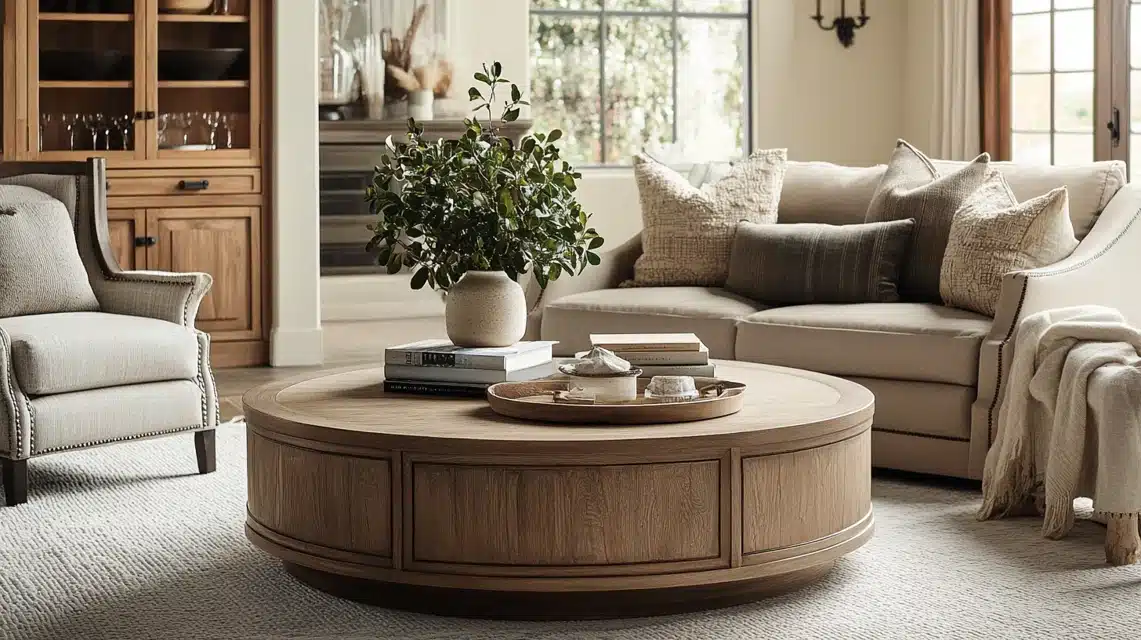
Budget‑Friendly Home Makeovers: Renting vs. Buying Furniture
It’s time for the perfect home makeover. Before you can dive in, though, you have a choice: should you rent or buy your furniture? Here, we’ll weigh the pros and cons of renting vs. buying furniture and help you find a solution that works best for you.
How does renting furniture work?
When you rent furniture, you pay in installments throughout a pre-agreed payment plan and you have the option of returning rented items at the end of each payment period. You can also swap items for different products, if something isn’t working or you’re looking for a different style.
Alternatively, some rental companies offer a “rent-to-own” option. If you’re wondering how rent-to-own works, it’s simple and at the end of the rental agreement, the item is yours to keep.
It’s important to note that rental arrangements vary depending on your chosen rental company. Do some research to find a platform and plan that provides the flexibility that you need.
Renting vs. Buying Furniture: The Pros & Cons
Is renting furniture worth it? Or should you buy your furniture outright? Consider our list of pros and cons before beginning your home decorating journey.
Renting Furniture: The Pros
Flexibility
This is arguably the biggest benefit of renting vs. buying furniture. When choosing a furniture rental plan, you have full control over the duration of your agreement. You can choose to rent furniture for as long as you’d like and longer plans typically incur a lower monthly cost.
Best of all, as mentioned, when an item no longer works for you, you can simply return it. Most rental plans allow you to send furniture back at the end of each rental period. You can also swap or upgrade an item if you find an alternative that you prefer. Whether choosing living room essentials or office decor, you’ll find an option that suits your needs.
This is particularly useful if you’re renting and planning to buy in the near future or in a short-term living situation. Furniture that you buy now might not fit with your future living arrangements. Upon moving, you’d go through the hassle of selling and replacing these items. By renting, you can choose items that work for your current situation and swap them when you move.
Cost
The initial cost of buying furniture can quickly add up, especially if you’re furnishing multiple rooms. A good sofa alone can cost well over $1,000. If you’re operating on a limited budget, it may be hard to find quality items.
When renting, there’s lower initial costs, since you’re paying over time. You have more flexibility to choose higher-quality items that fit the vibe of your living space. If you’re only planning a short-term rental, your plan may also be cheaper than buying furniture that you may not need in your new place in a few months.
If you choose a platform that offers a rent-to-own plan, you also have the prospect of owning your rented furniture. You can pay in manageable installments rather than splashing out all at once.
Hassle-free
Would you rather avoid the headache of assembling furniture? The good news is that with a rental plan, items come pre-assembled. You can get your furniture delivered to your door and set up in minutes.
Alongside this, rental companies will handle any maintenance and issues that you encounter. If you find a defect with your item, you can simply contact your provider. The best platforms send an expert within days of your request. If your item can’t be repaired, you’ll receive a replacement.
Sustainable
Renting furniture can be a great option if you’re aiming for an eco-friendly design. Rather than being thrown away, rented items are passed from person to person. These items are maintained by the rental company to ensure high quality, so the furniture continues to feel new.
Renting Furniture: The Cons
More expensive in the long run
While you might avoid the initial price by renting furniture, rental costs can quickly add up. If they are planned as a long-term fixture in your living area, you can end up paying more than buying an item outright.
Lack of Customization
One of the biggest cons of renting vs. buying furniture is the lack of customization of options. When buying an item of furniture, you often have a wide selection of choices for color, style, and materials. When renting, the available options may be more limited.
Lack of ownership over rented items also impacts your ability to personalize your furniture. You can’t make customizations or carry out any DIY projects with your items. Doing so could see you with a hefty fine or paying for repairs.
Risk of accidental damage
A rental company will handle any defects with your furniture, but you’ll have to deal with any self-inflicted damage. Any accidental spills or marks left on an item can lead to expensive repair costs.
Buying Furniture: The Pros

Cheaper in the long run
Once you’ve dealt with the initial cost, an item is yours; there are no additional rental fees or payments. If you’re planning to keep an item for an extended period, buying can be much cheaper than renting.
It’s also worth remembering that some vendors allow you to buy an item in installments. Instead of paying one big bill, you can split the price of furniture over several months.
Resale value
Purchased furniture can be sold at any time, and you can recoup some of the value. Cash that goes towards rental fees is essentially dead money. There’s no way of collecting your lost funds.
In some instances, buying furniture can actually be an investment. If you’re creating a vintage-style home, for instance, some older furniture can increase in value over time. You may be able to sell these items for considerably more than you paid.
Freedom to customize
When you buy an item of furniture, you have complete ownership over it. By renting, you’ll need to stick to certain clauses within a contract. You can’t modify or customize your rented items without breaking your agreement.
Once an item is yours, though, you can do what you want with it. Does your furniture no longer match the vibe and aesthetic of a room? You could repaint it or add additional features. This sort of freedom is only possible when buying furniture.
The option to buy second-hand
Second-hand furniture has acquired an unfortunate reputation for being low-quality. Look in the right places, however, and you can find some gems for a fraction of the price of new furniture. Yard sales, thrift stores, and online sources such as Facebook marketplace are ideal sources for finding second-hand items.
If you have the right DIY skills, you also have the option of restoring furniture in disrepair. These items can be acquired at an extremely low price (or even given away). With a little lick of paint, they can be restored to full quality again. By adding a new mold, for example, you can make a table look more expensive.
Buying Furniture: The Cons
Initial investment
There’s no escaping the fact that price puts some furniture out of reach. High-quality items, especially those from well-known brands, can be extremely expensive. When buying on a budget, you might have to settle for your second or even third choice.
Hassle
When considering renting vs buying furniture, hassle should be one of your top considerations. Generally, assembly is left to you when buying furniture.
Unfortunately, sometimes instructions are overly vague. In other instances, they are printed on small pieces of paper, forcing readers to squint. In short, assembling furniture can cause a minor headache. While some vendors provide the option of pre-assembly, this can increase the price tag significantly.
In addition to this, once an item is out of warranty, you’ll need to handle any needed repairs. When renting, you can get quick access to repairs and support from your provider.
Risk of buyers remorse
A piece of furniture might feel right at first, but after some time, it may no longer fit with your needs. When renting, you can swap your item for an alternative that you prefer. When buying, your only option is to sell your item and purchase another.
Should you rent or buy?
So there you have it, our list of pros and cons for renting vs buying furniture. If you’ve still not made up your mind, though, the questions below should help you decide. Is renting furniture worth it? If you answer “yes” to these questions, renting might be a smart idea. If not, buying furniture might be the better option.
- Are you planning on changing your address soon?
- If you’re planning a move, purchasing furniture might not be ideal. Renting can work as a short-term solution, or you could swap your rented items for new furniture when you move.
- Do you like to redecorate frequently?
- Regularly swapping furniture can quickly become expensive. By renting, you can change your items or upgrade whenever you like.
- Are you happy to wait for full ownership?
- You can choose a rent-to-own plan and still have guaranteed ownership later down the line.
Alternatively, there’s no reason you can’t go for a mix. Rent some items and buy furniture that is most important to you. This way, you get the best of both worlds: the flexibility of renting and the ownership benefits of buying your furniture.
Start redecorating your home today!
Hopefully, by now, you have weighed your options between renting and buying furniture. There’s no “right” choice; think about your unique circumstances and which option truly works best for your situation. With enough planning, you can make home renovation a piece of cake.