The Current State of Energy-Effectient Cooling for Homebuyers
Summer arrives and with it comes a familiar dread: another spike in your electricity bill. The AC runs constantly, your monthly costs climb, and you wonder if there’s a better way. The good news? Choosing an energy-efficient air conditioning system can significantly reduce what you pay to stay cool while improving your home’s comfort and environmental impact.
For many homeowners, upgrading to an energy-efficient AC system feels overwhelming. There are ratings to understand, sizing considerations, and the challenge of finding a trustworthy retailer online. But the investment pays off quickly, both in lower bills and in peace of mind knowing your home is cooling efficiently.
Understanding What Makes an AC System Energy-Efficient
When you start looking at air conditioning units online, you’ll encounter two key metrics that actually determine whether you’re getting a good deal: SEER ratings and BTU capacity. These numbers matter because they impact what you’ll pay to run the system.
SEER Ratings Are an Efficiency Scorecard
SEER2 stands for Seasonal Energy Efficiency Ratio, and it measures how efficient and cost-effective the unit is by measuring the total heat removed from a conditioned space during a typical cooling period. Think of it as a fuel economy rating for your AC unit. The higher the number, the more efficient the system, and the less you’ll spend running it during hot months.
Federal minimum requirements range from 13.4 to 15, Think of it as a fuel economy rating for your AC unit. The higher the number, the more efficient the system, and the less you’ll spend running it during hot months.
Determining the Appropriate Amount of BTUs
BTUs (British Thermal Units) measure how much heat an air conditioner can remove from your home in one hour. This is where many homeowners make their first mistake: assuming bigger is better. It’s not.
An oversized unit will cool your space too quickly, then turn off and on repeatedly throughout the day. All those startups waste energy. An undersized unit works constantly and never quite keeps up, wasting even more. You need the right size for your specific space.
Right-sizing depends on several factors: your home’s square footage, climate, insulation, window placement, and even room layout. For example, a 550-square-foot room may need an AC unit with 12,500 BTUs. Rooms with irregular shapes or large windows require careful calculation. This is where working with a knowledgeable online retailer becomes valuable, they can help you get the sizing right before you make a purchase.
The Importance of Choosing the Right Place to Buy
Where you buy your AC system matters almost as much as which unit you choose. The right retailer provides transparent information, honest pricing, and support when you need it.
Organizations like Ingram’s Water & Air Equipment (IWAE) have built their reputation on making the buying process straightforward for homeowners. They clearly display efficiency ratings and test results upfront so you can compare units and calculate potential savings. This transparency removes the guesswork from online shopping.
Real Problems Homeowners Face When Upgrading AC
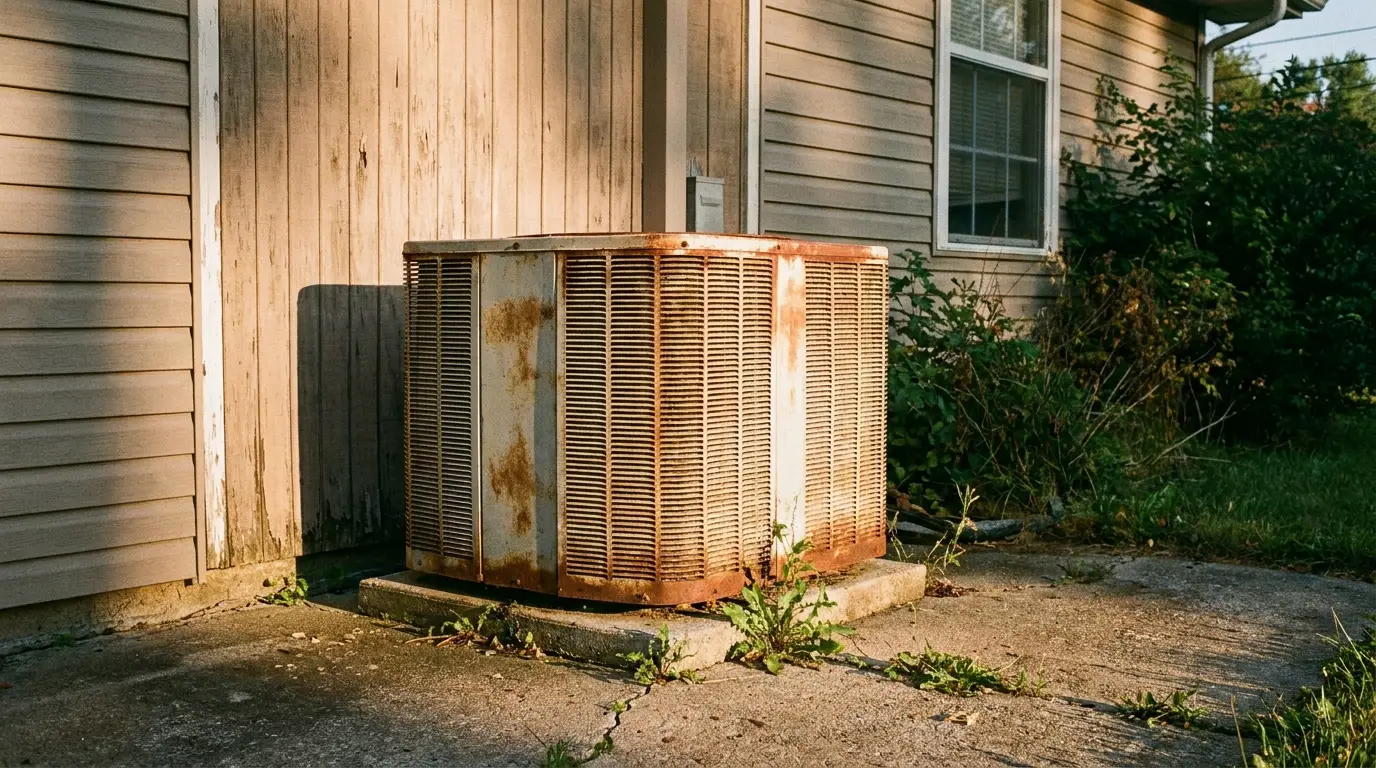
Scouring the internet for an energy-efficient unit that actually performs well is often perceived as a struggle due to the following frequent obstacles, but they are all solvable with the right professionals providing expert insights.
High Electricity Bills
High electricity bills during summer months drive most homeowners to consider upgrading their AC. If you’re spending hundreds extra each month just to stay cool, an efficient system could cut that significantly.
Trustworthy online retailers validate the efficiency of their products through third-party testing. IWAE, for instance, sets this standard by clearly listing every unit’s efficiency standards up-front. You can compare those ratings to your current system and calculate realistic savings.
Difficulty Finding Reputable Online Sellers
Every online retailer claims to offer the best prices and service. Cutting through the marketing noise requires knowing what signals indicate a legitimate operation
Look at how long a company has been around. Two decades in business means they’ve adapted to changing energy standards and proved themselves to customers repeatedly. Check their Better Business Bureau rating. An A+ rating reflects consistent, verified customer satisfaction. Read reviews on independent sites, not just their website. IWAE’s decades of experience and A+ BBB rating reflect this kind of established reliability, but you should verify any company’s credentials yourself.e.
Uncertainty About What Models Are Efficient
AC unit descriptions online pack in information: SEER2 ratings, AHRI certification, variable-speed compressors, inverter technology, ductless mini-splits. It’s a lot to parse, and most homeowners don’t have HVAC expertise.
Quality retailers explain what these specifications actually mean in practical terms. They answer real questions like whether a ductless mini-split system will work in your home, or how to know if a unit fits your existing ductwork. IWAE publishes educational guides specifically for homeowners trying to understand these concepts. Having access to clear information means you’re working with a company that actually cares about informed customers.
Kaycee Geeding from IWAE underscores this, saying, “The truth of the matter, though, is that your HVAC system is likely struggling well before you notice any performance dips. Parts like fans and motors gradually lose their strength. A cooling cycle in summer taking a few extra minutes won’t throw a red flag for most people, but some of the internal hardware may already be on its last legs by the time the performance problems are noticeable.” Competitive suppliers provide knowledge through excellent customer service.
Overwhelming Technical Specifications and Lack of Post-Purchase Support
Buying AC online means you won’t have a technician in your home before purchase, which can feel risky. What if you have questions? What if something goes wrong?
The best online retailers offer phone support, not just email responses. They can answer questions from both homeowners and their installing technicians. They provide resources and guidance even after your unit arrives. Clear warranty information and responsive customer service make the difference between a smooth experience and a frustrating one.
Where AC Technology Is Heading
The air conditioning industry is evolving. Researchers at Harvard are also trying to make commercial air conditioning more efficient to cut global emissions, with staff scientist Jack Alvarenga saying, “It’s one thing to build energy models to say that this is possible, and it’s a whole other thing to actually deliver the physical prototype at scale. … we want to go further and scale up a commercial product that can meaningfully reduce the future massive energy and emissions needs of cooling.” The research has led to breakthrough technology inspired by coffee filters, which could further change the kinds of energy-efficient ACs experts see online.
FAQ About Finding Energy-Efficient AC Online
Homebuyers have many options for their facilities, so knowing the answers to the most common questions can help with decision-making.
Which AC Is Most Energy-Efficient?
Energy-efficient versions of most AC models are available, but many default to variable-speed systems because they adapt to their environment. If they are ductless mini-split systems, they can be even more efficient, using up to 60% less energy than other models. However, there are more sustainable, energy-conscious window units and central air systems available, depending on your home’s layout, existing infrastructure, and budget.
What Should I Focus on to Lower My Electrician Bill?
The most important criteria for assessing an AC unit are its SEER rating and BTUs. These will tell you what equipment is best suited for your home to reduce energy consumption. Additionally, you can seek third-party or government verification, such as Energy Star, to determine which machinery has been reviewed for efficiency.
What Is the Difference Between Inverter and Non-Inverter Units?
Non-inverter systems turn the compressor on and off in response to temperature changes. This works but wastes energy during startup. Inverter units continuously adjust the compressor speed to maintain your desired temperature, cycling less and using less electricity. Instead of turning the unit off, the inverter alters the compressor’s speed to more effectively cool the area, preventing it from reaching its maximum capacity.
The Enduring Value of Efficient Systems
Upgrading to an energy-efficient AC system addresses multiple concerns at once: lower monthly bills, better comfort, and reduced environmental impact. The investment pays off immediately when you see your first reduced electricity bill, and continues paying dividends for years.