Why Textured Walls Are Replacing Plain White Interiors
For years, bright white walls were the safe answer. They made rooms look clean, bright, and modern. They also asked very little from the person designing the space, which was part of the appeal.
Now the mood has changed.
Flat white walls can feel cold when the rest of the room is trying to feel soft, layered, and lived-in. That is why more homeowners are looking at warmer surfaces, mineral tones, and textured finishes from specialists like limewash contractors West Hollywood. The goal is no longer blankness. It is the atmosphere.
Flat White Walls Started Feeling Too Sterile
White walls had a long reign because they promised simplicity.
After years of heavy decor, white interiors felt fresh. Open. Clean. Almost weightless.
Then minimalism got copied too many times.
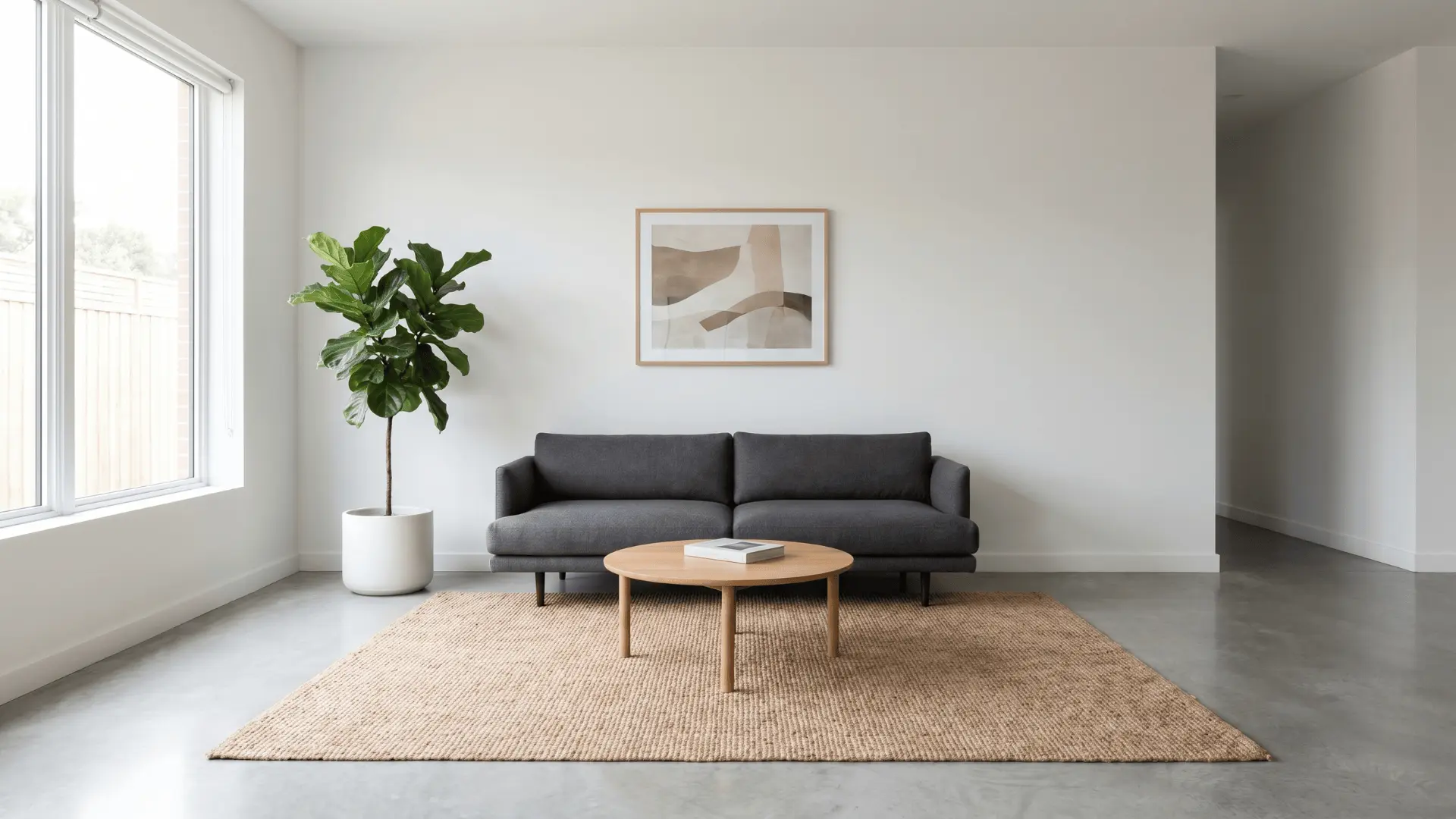
The same bright white walls, pale floors, sharp black accents, and empty corners started to feel less serene and more clinical. A room could look perfect in a listing photo and still feel strangely cold in real life.
That became especially obvious after people spent more time at home. Rooms had to do more than look clean. They had to feel good at 8 a.m., during a work call, on a gray afternoon, and late at night when the overhead light made everything feel a little too exposed.
Design started moving away from stark minimalism and toward warmer restraint. Still simple, yes. Just less icy.
Texture Adds Warmth Without Creating Clutter
Texture gives a room something white paint often cannot: depth.
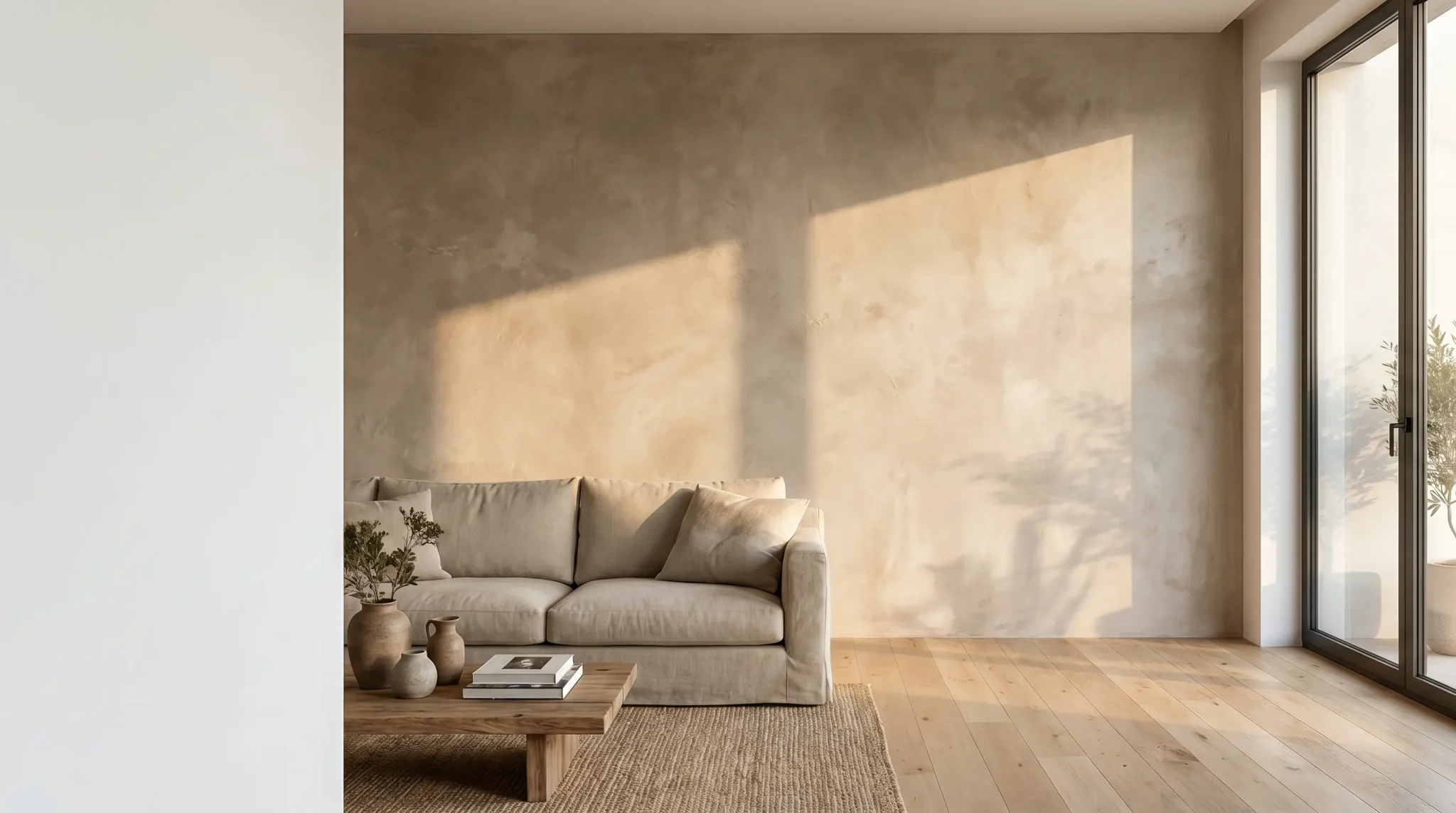
A limewash wall shifts slightly as daylight moves. A matte surface absorbs light instead of bouncing it sharply. A soft plaster-like finish can make a plain room feel more grounded without adding a single extra object.
That is why textured wall finish trends feel so natural right now. People want rooms that feel calm, but they do not want rooms that feel empty.
Texture solves that problem quietly.
It can show up as:
- Soft wall movement
- Stone-inspired finishes
- Mineral color variation
- Gentle brush marks
- Natural imperfections
The wall stops acting like a blank background. It becomes part of the atmosphere.
Architectural Digest has noted texture as a major direction in current interiors, with textured wallpaper and tactile finishes gaining attention as homes move away from flat, stripped-down spaces.
“Quiet Luxury” Changed Interior Design Trends
Quiet luxury did something useful for interiors: it made people suspicious of anything trying too hard.
The newer version of luxury is softer. Less glossy. Less decorated. More about proportion, material, and calm.
Instead of bold wall colors or oversized statement pieces, many high-end rooms now rely on texture. Natural stone. Warm wood. Linen. Clay-like finishes. Soft matte walls. The effect feels expensive because nothing is fighting for attention.
ELLE Decor has connected warm brown and earthy paint shades with the rise of natural materials in contemporary interiors, especially wood, stone, wicker, and rattan.
That shift explains a lot about modern luxury wall trends. Walls are no longer treated as empty space around the furniture. They help set the emotional temperature of the room.
A textured neutral wall can feel more elevated than a flat white one because it has depth, shadow, and movement.
- Quiet, yes.
- Flat, no.
Light Interacts Differently With Textured Surfaces
White paint reflects light strongly. That can be useful in a dark room, but it can also feel harsh.
Textured surfaces handle light in a softer way.
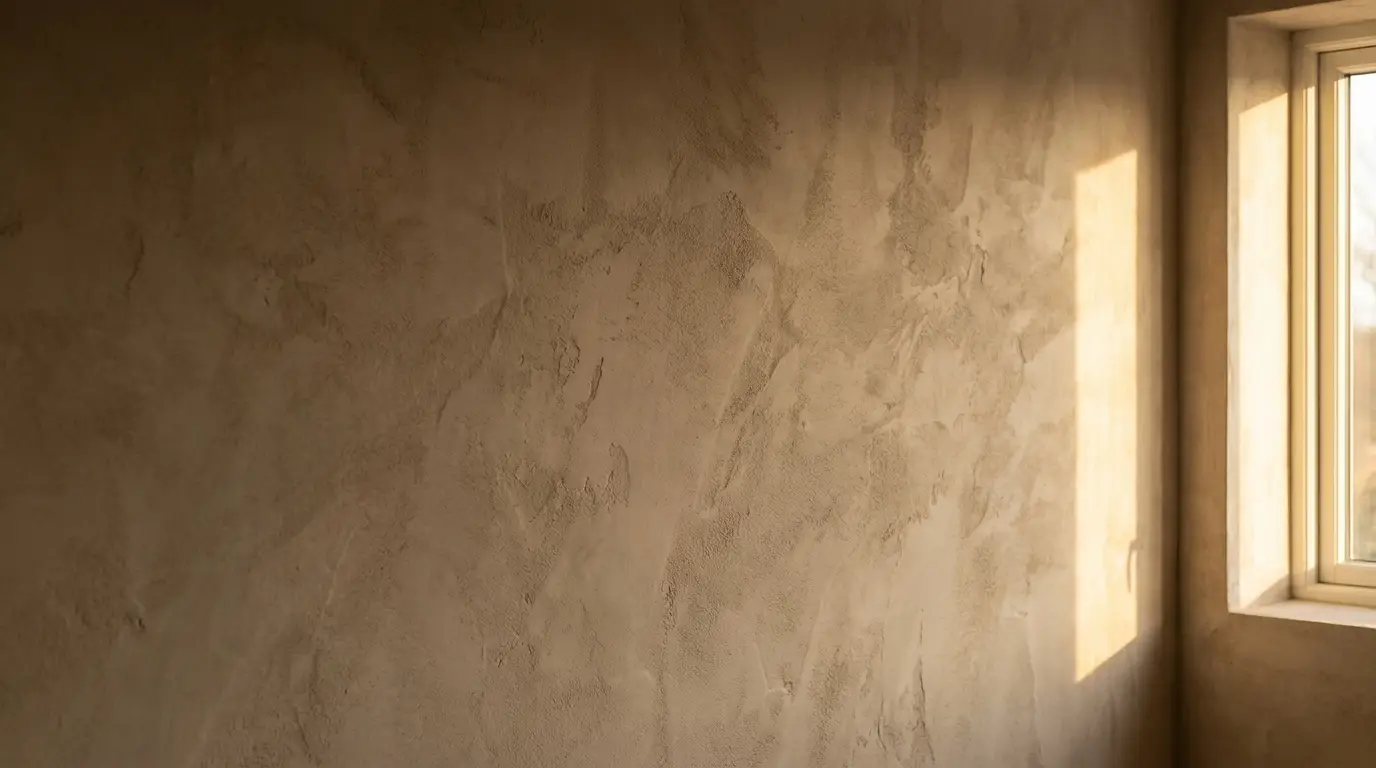
A wall with subtle movement creates tiny shadows throughout the day. Morning light may reveal one layer. Afternoon light may bring out another. At night, warm lamps can make the surface feel almost velvety.
That constant shift is part of the appeal.
The room changes without anyone rearranging it.
Research on daylight in indoor environments has linked daylight exposure with restorative effects and recovery from mental fatigue, which helps explain why the way light moves through a room matters emotionally.
Textured finishes make that movement more visible. The wall catches the day instead of just reflecting it.
That is a small thing until you live with it.
Then it becomes the whole room.
Imperfect Finishes Now Feel More Human
Perfectly smooth white walls can be beautiful. They can also feel a little removed from real life.
Imperfect finishes bring the hand back into the room.
Limewash variation, soft brush movement, layered finishes, cloudy tones, and mineral shifts all make a space feel less manufactured. The room starts to feel touched by someone, not simply painted into silence.
This is one of the reasons alternatives to white walls are gaining so much attention. Homeowners are not always looking for more color. Often, they are looking for more feeling.
A wall can still be neutral and have character.
A beige room can feel flat. A warm mineral wall can feel alive. Same general palette. Completely different emotional result.
The charm is in the tiny irregularities: the soft edge, the uneven glow, the surface that changes as you walk past it.
A little imperfection can make a polished room feel human.
Why Neutral Interiors Are Still Popular
Neutrals are not going anywhere.
They are simply growing up.
The old neutral room often meant white walls, pale sofa, pale rug, and maybe one black floor lamp for contrast. The newer neutral room feels warmer and more layered. It uses clay, sand, stone, mushroom, oatmeal, bone, warm gray, and muted brown.
Texture does the work color used to do.
That is why modern neutral interiors can feel rich without becoming loud. A soft taupe limewash wall, a linen sofa, wood floors, and warm lighting can create more atmosphere than a bright white room filled with extra decor.
Warm minimalism still values calm. It just understands that calm needs depth.
Flat white can feel unfinished when the room has nothing else to hold it. A textured neutral surface gives the space a pulse.
Final Thoughts
Modern interiors are moving away from flat perfection and toward softer, more atmospheric spaces. Plain white walls still have their place, but they no longer feel like the automatic answer. Texture, warmth, natural variation, and softer finishes now play a much bigger role in making homes feel calm, elevated, and visually interesting.
A room does not need louder decor.
Sometimes it just needs walls that feel like they belong to a living space.