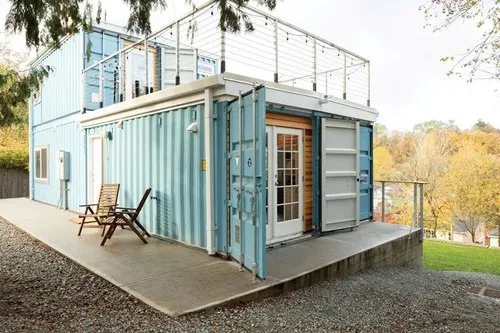
Decorating Your Shipping Container Home the Right Way
Turning a steel box into a warm, stylish, fully livable space is one of the most rewarding parts of building a container home. But decorating a shipping container home isn’t quite the same as styling a standard house. You’re working with tighter dimensions, stronger industrial lines, and a structure that demands creative problem-solving.
The good news? With the right approach, you can create a modern, functional, and seriously eye-catching home that feels anything but cramped.
Below is a practical, design-driven guide to help you decorate your container home the right way. We’ll cover practical know-how, expert tips, and main mistakes to avoid.
1. Choose the right container size
Before you buy decor or draft a layout, the smartest design decision is choosing the right container size for the home you want. This sets the tone for everything else – furniture scale, storage solutions, light flow, and even your color palette.
A standard shipping container is 8 feet wide, which means you’ll want to think carefully about circulation and furniture depth. If you want a more open plan, consider using a 40-foot high-cube container. The extra height (around 9.5 feet) makes a huge difference when decorating: you can add taller shelving, loft-style sleeping areas, or floor-to-ceiling curtains to give the illusion of greater space.
If you plan to combine multiple containers, think in terms of zones. A narrow 20-foot container works well for a bedroom or office, while two parallel 40-foot containers can create a bright central living area with the option for a glass walkway in between.
2. Work with the natural lines of the container
Shipping containers come with strong linear geometry. Instead of fighting those industrial lines, embrace them.
The corrugated steel walls make an excellent backdrop for minimalist and modern décor styles. Think sleek materials like polished concrete, matte black accents, or light birch wood paneling. These textures complement the container’s natural structure instead of competing with it.
If you prefer a warmer aesthetic, pair the industrial exterior with soft, earthy elements inside: woven fabrics, warm lighting, clay pottery, or natural fiber rugs. The contrast creates visual balance and makes the space feel intentionally designed rather than patched together.
Another insider tip: If your container home includes exposed beams or cut-outs from removed walls, use them as architectural features. Frame them with LED strip lighting, reclaimed wood, or floating shelves for a built-in look.
3. Use vertical space like a pro
Container homes don’t always offer a lot of square footage, so vertical space becomes your best design ally.
Start by installing tall, narrow shelving rather than wide, bulky units. Floating shelves also work beautifully because they don’t visually close off the room. In high-cube containers, go even bigger, like a loft sleeping area or a raised platform with storage underneath.
You can also use vertical lines to draw the eye upward. Floor-to-ceiling curtains, vertical slat wall panels, and tall plants give your space height, dimension, and an elevated feel.
Lighting is another key vertical opportunity. Instead of table lamps that consume surface area, choose wall sconces, pendant lights, or a slim track lighting system. These create ambiance without clutter.
4. Choose multifunctional, scale-appropriate furniture
Furniture scale is one of the trickiest parts of decorating a container home. Oversized pieces (even stylish ones) can shrink the room instantly. Look for furniture that suits narrow widths, such as slim couches, compact dining sets, or armchairs with exposed legs.
Multifunctional pieces are a game-changer:
- A storage ottoman doubles as seating and a coffee table.
- A fold-down desk creates an office that disappears when not in use.
- A daybed can work as both a sofa and a guest bed.
Built-ins are especially powerful in container homes. Built-in benches, wall-mounted desks, and custom wardrobes maximize every inch while keeping the layout sleek. If custom work isn’t in the budget, look for modular furniture systems—these adapt more naturally to tight spaces.
The main idea: your furniture should work harder than usual, taking on multiple roles without overwhelming the room.
5. Bring in light and color strategically
Natural light is one of the most effective ways to make a container home feel open and airy. If possible, add large windows, sliding doors, or skylights to offset the narrow floor plan. Light bounces beautifully off steel interiors, so lean into that advantage.
Inside, choose a light and cohesive color palette. Whites, beiges, light greys, and muted earth tones help create visual continuity. You can still introduce contrast, just make sure to reserve darker colors for accents, not whole walls.
Mirrors are another small-space MVP. A full-height mirror opposite a window can double the perceived width of the room. Reflective surfaces like glossy tiles, glass shelving, and metallic fixtures also make rooms feel larger.
Common Container Home Design Mistakes to Avoid
Here are pitfalls that trip up first-time container homeowners:
- Ignoring insulation needs. Good insulation affects both comfort and design. Poor insulation leads to condensation, which can ruin walls, furniture, and décor.
- Overfilling the space. Clutter builds fast in a container home. Stick to essential items and use hidden storage whenever possible.
- Forgetting sightlines. If your furniture or décor blocks the line of sight, rooms appear smaller. Keep pathways clean and choose low-profile or transparent pieces where possible.
- Mixing too many styles. A container home benefits from design cohesion. Too many trends layered together can make the interior feel chaotic.
- Using heavy, dark materials everywhere. Dark flooring, thick curtains, and bulky cabinets make the space feel boxed in. Balance them with lighter elements.
Conclusion
Decorating a shipping container home is part creativity, part problem-solving, and part knowing how to use the container’s natural structure to your advantage. With the right container size, smart use of vertical space, multifunctional furniture, and an eye for good lighting and color, you can build a home that feels stylish, efficient, and uniquely yours.