

5 Ways to Prepare Your Living Room for a New Puppy
Puppy-proofing your home means removing chew hazards, securing cables, setting up a calm resting space, auditing your furniture, building a cleanup station, and budgeting for veterinary care, all before your puppy arrives. None of these steps require a renovation.
They require focused attention and a clear order of operations. If the pickup date is circled on your calendar and your living room still has a phone charger snaking across the floor and a photo on the bottom shelf, this guide is for you.
Work through these five practical steps in the order that makes sense for your home.
1. Get Down to Their Level and Remove Chew Hazards
One practical way to spot low-level hazards is to get on all fours and look around from floor level. This can make it easier to notice a power strip behind the couch, a lamp cord along the baseboard, or a rubber band under the coffee table.
Exposed cables like phone chargers, TV wires, and laptop cords should be secured so they are less accessible to a curious puppy.
Fix electrical cables first by running them through spiral cord wrap, snapping them into baseboard-mounted covers, or tucking them flat against the wall using rubber furniture feet as anchors.
Work through the room-by-room priority list, clearing the kitchen and living room on the first pass before moving to bedrooms. Pull small swallowable objects such as coins, hair ties, and pen caps from the floor and relocate shoes to a closed closet or a shelf above knee height.
Move plants you are unsure about out of reach and confirm that they are pet-safe. If a puppy ingests a harmful object or toxin, puppy insurance from Spot Pet Insurance for new pet parents can help manage eligible costs from covered accidents, including ingestion of harmful objects or toxins.
2. Create a Quiet Resting Space They Can Call Their Own
A designated quiet area gives your puppy a predictable place to rest away from household activity. Introduce a crate gradually and positively, then add bedding and toys that suit your puppy.
Place the setup away from noisy appliances and leave a clear route between the crate, seating, and the door. If you are upgrading your layout to accommodate the dog, Home Reserve’s deep seat sectional for a puppy-ready living room provides a practical anchor for the space.
Its removable, machine-washable fabric covers and storage beneath each seat can help keep everyday supplies out of sight.
3. Measure Your Seating and Map Your Traffic Routes
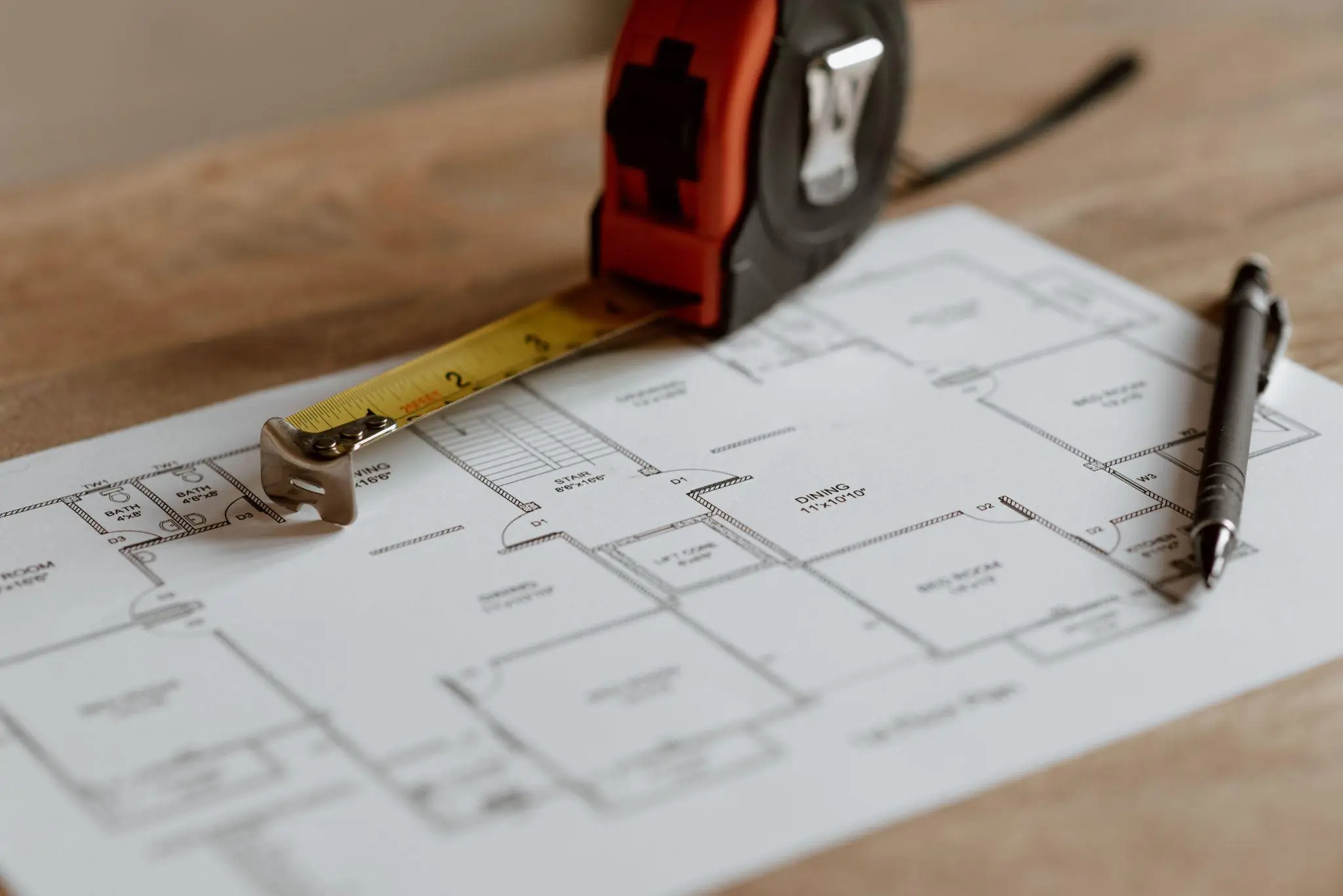
Walk the home and trace the routes your puppy will travel most often between the kitchen, back door, and crate. Clear each path of tripping hazards like stacked shoes, low side tables, and floor-level decorative objects.
Aim for pathways that are clear and easy to navigate during everyday routines.
The sofa deserves a dedicated audit. Choose fabric, construction, and cushions that suit muddy paws and the way your household uses the room. Check the care instructions for the exact fabric before you buy.
4. Plan for Washable Surfaces and Build a Simple Cleanup Station
Start your surface planning with the primary floor coverings in heavy traffic zones. Choose machine-washable area rugs or flat-weave styles that lie flat along the path from the crate to the back door.
A low-profile, easy-clean rug can make routine cleanup easier while your puppy is settling in. Build a targeted cleanup station near the back door equipped with an enzyme-based pet cleaner, designated washable rags, and a muddy-paw towel.
An enzyme-based pet cleaner can be useful for organic messes. Follow the product instructions and test it on an inconspicuous area first. For any sofa accident, follow the care instructions for the selected fabric before laundering or spot-cleaning.
5. Budget for Veterinary Care Before You Need It
Even a carefully puppy-proofed home cannot eliminate every unexpected veterinary need.
Splitting veterinary costs into two distinct categories can help you plan for both routine and unexpected care.
The first category covers routine and preventive care, such as wellness exams, vaccinations, and other expected services.
These foreseeable costs can often be planned for month by month. Optional preventative-care add-ons may help with eligible routine services, depending on the plan you select.
The second category involves accidents and illnesses, which call for a separate plan, such as an emergency fund or insurance policy. Emergency diagnostics, surgeries, and hospitalizations can arise without warning and may create significant expenses.
Enrolling before an unexpected event occurs may help with eligible future costs, but it is important to read the specific terms, waiting periods, deductibles, and exclusions that vary by state and plan before enrolling.
The Bottom Line
A few practical preparations can make the transition easier: clear low-level hazards, create a quiet resting area, and keep cleaning supplies handy.
Choose furniture and storage that suit the way your household expects to use the room.
Budgeting for expected care and unexpected expenses helps keep an unplanned bill from disrupting your plan.
Read policy terms carefully before choosing coverage, then adjust your plan as your puppy settles in.


