Why Wallpaper Still Defines the Mood of a Home — More Than We Realize
When people think about designing a home, they often focus on furniture, lighting, or statement decor. But the truth is far more subtle: walls do most of the emotional work in a space. They quietly shape how a room feels — whether it’s calm, dramatic, cozy, or expansive.
It’s a principle long understood in film. Production designers rarely treat walls as background elements. Instead, they use surface finishes, textures, and patterns to support the narrative. The same logic applies to real interiors — even if we don’t always notice it.
Walls Are Not Background — They’re Atmosphere
A room with flat, untextured walls feels very different from one layered with material and pattern. The difference isn’t just visual — it’s psychological.
Soft matte finishes can create intimacy.
Glossy or reflective surfaces introduce tension or energy.
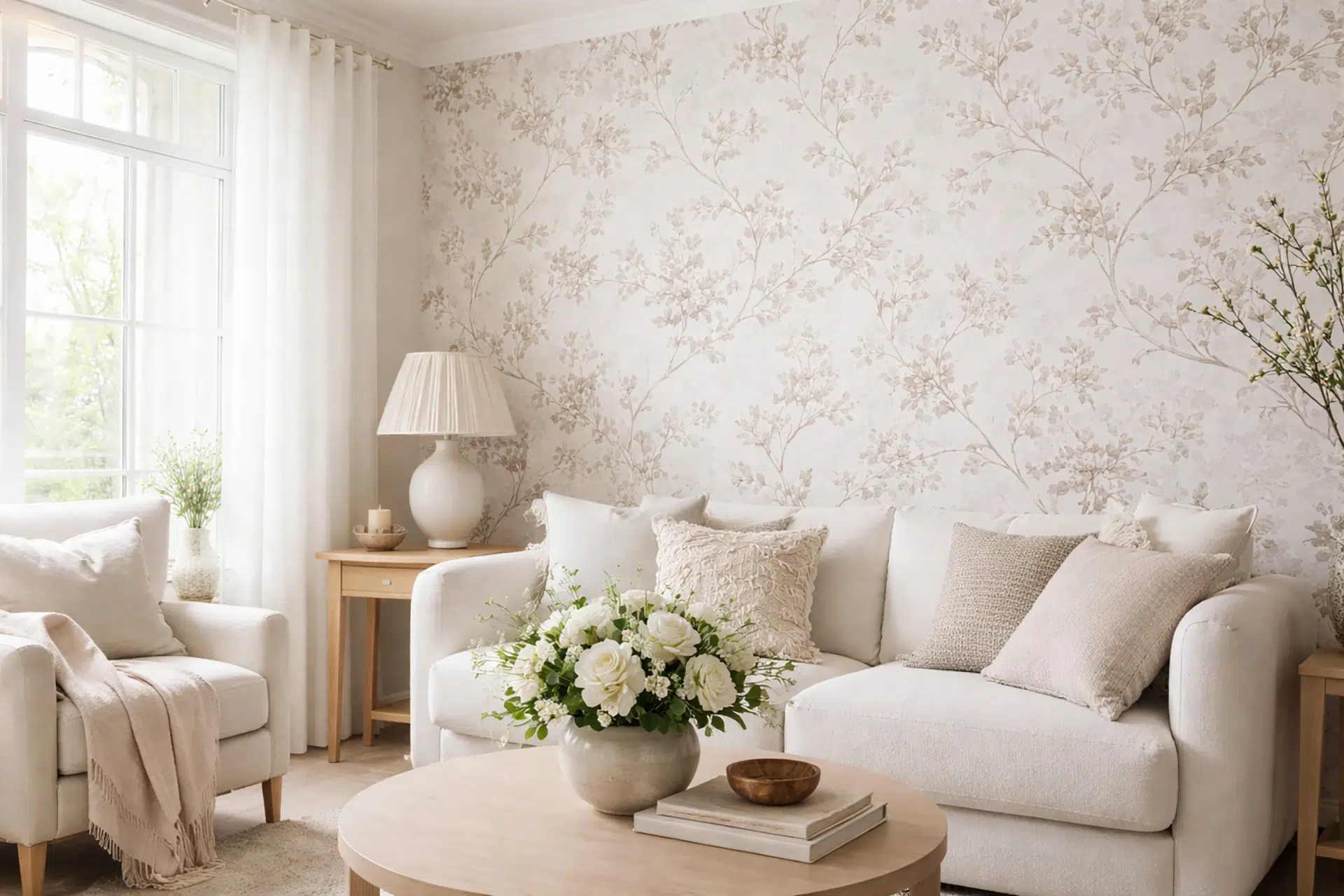
Patterned wallpaper can anchor a space in a specific mood or era.
This is why wallpaper, in particular, has seen a strong return in modern interiors. It allows homeowners to control not just color, but depth and rhythm.
But there’s a catch — and it’s one many people underestimate.
The Illusion of “Easy” Wallpaper
Peel-and-stick wallpaper is often marketed as a simple, DIY-friendly solution. And in theory, it is. But in practice, the final result depends heavily on factors most people don’t consider:
- wall condition
- alignment accuracy
- lighting direction
- material behavior over time
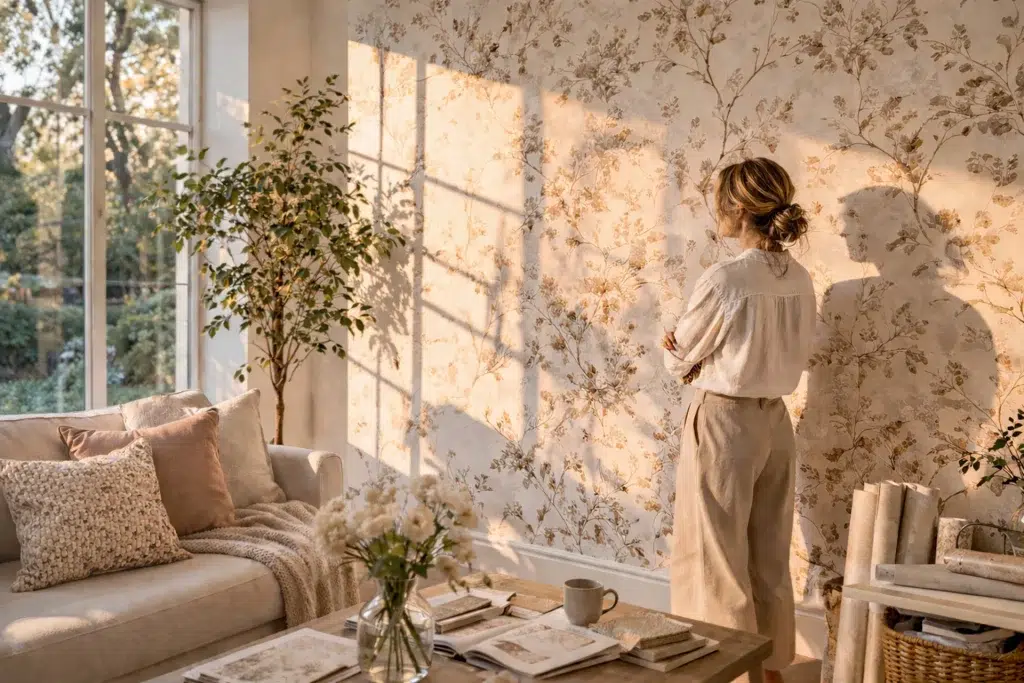
Even a slight misalignment can disrupt the entire visual flow of a pattern. And once your eye catches it, it’s impossible to ignore.
That’s why, in many real projects across Colorado homes — especially in areas like Littleton — homeowners eventually turn to Peel and Stick wallpaper specialists in Littleton CO to achieve a finish that actually matches their expectations.
Because what looks simple in theory often requires precision in execution.
Scale Changes Everything
One of the most overlooked aspects of wallpaper is scale.
The size of a pattern can completely transform how a space is perceived. A large, bold print can make a small room feel dynamic — or overwhelming. A small, repetitive pattern can either soften a space or make it feel visually busy.
Understanding proportion is key. And surprisingly, it’s something even design-conscious homeowners often misjudge.
For those planning a wallpaper project, it’s worth exploring this guide on wallpaper sizing — it breaks down how pattern scale interacts with room dimensions in real-world conditions, not just showroom settings.
Where Design Meets Execution
In film, entire teams work to ensure that every surface reads perfectly on camera. Seams are invisible. Transitions are clean. Patterns align without interruption.
In real homes, the same level of detail is what separates an average result from a refined one.
Proper preparation ensures durability.
Accurate alignment creates harmony.
Clean edges define quality.
Without these, even the most beautiful material won’t deliver the effect it was chosen for.
The Quiet Power of Well-Finished Walls
The most successful interiors rarely feel “overdesigned.” Instead, they feel intentional — as if everything simply belongs.
That feeling doesn’t come from furniture alone. It comes from surfaces that are carefully considered and precisely executed.
Wallpaper, when done right, doesn’t just decorate a room. It defines how the space is experienced — quietly, but powerfully.
And much like in film, the best results are the ones that look effortless… even when they aren’t.