
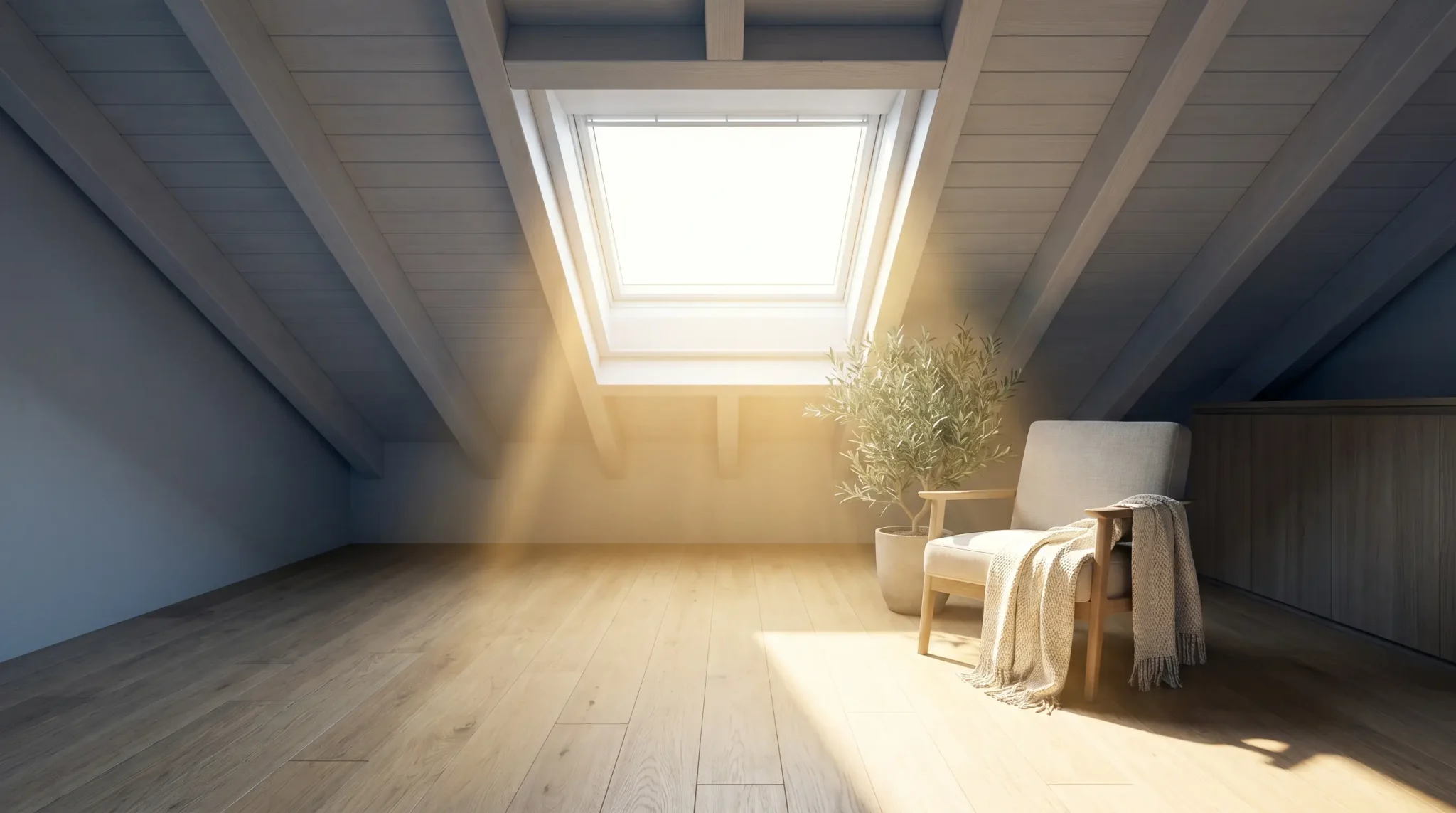
Why Some Homes Feel Dark—and How Roof Windows Fix That
A “dark” home isn’t always about décor or paint colour. Often, it’s the building itself working against you: the way it sits on the plot, where the windows are, how rooms are divided, and what’s happening above the ceiling line. If you’ve ever walked into a house at midday and still reached for a lamp, you’ll know the feeling—heavy, flat light that makes spaces look smaller and moodier than they should.
The good news is that darkness usually has a specific cause. Once you pinpoint it, the fix can be surprisingly straightforward—especially when you start thinking vertically.
What Makes a Home Feel Dark in the First Place?
Light levels inside a room depend on much more than window size. Two houses with similar glazing can feel completely different depending on their geometry and surroundings.
>Even large vertical windows struggle when something is in the way. Common culprits include: >Many homes lose daylight due to the way rooms are arranged. Long corridors, central stairwells, and divided floorplans can prevent light from travelling beyond the perimeter. Add in low ceilings, dark flooring, or heavy curtains and you get the familiar “cave effect.” Here’s a quick self-check you can do before you change anything: If that sounds familiar, you’re not alone. A lot of UK housing stock—especially terraces and extensions—wasn’t designed with modern expectations for daylight and open-plan living. When vertical windows aren’t enough, the most effective solution is often to bring daylight in from above. The simple reason: the sky is usually a brighter, more consistent light source than what reaches the side of a building. of windows introduce what designers call top-lighting. Because the light enters from a higher angle, it penetrates deeper into the room and spreads more evenly. This is why loft conversions with roof glazing can feel unexpectedly airy, even when the footprint is modest. Roof windows also bypass a lot of the obstructions that limit wall windows—fences, adjacent houses, and even street-facing restrictions. Around the midpoint of many renovation conversations, the focus shifts from “How do we make this room brighter?” to “Where can we realistically add glazing?” That’s where roof windows become practical, not just aesthetic. If you’re exploring options, it helps to look at roof windows that aredesigned to bring natural light into roof spaces—not only for lofts, but also for upstairs rooms, extensions with pitched roofs, and stairwells that need daylight from above. Roof windows are commonly associated with conversions, but some of the best results come from less obvious areas: These are often the darkest zones in a house because they’re central and windowless. A well-placed roof window above a stair run can transform how the whole home feels, because it brightens multiple levels at once. A side-facing extension can end up shaded by the existing house, especially if it’s narrow. Bringing light in through the roof can stop the new space feeling like a “lean-to,” even when wall glazing is limited. Privacy needs often limit vertical windows. Roof windows deliver daylight without compromising privacy, and ventilation options help manage humidity. Roof windows are powerful, but they aren’t magic. The difference between “wow” and “why does this still feel dim?” usually comes down to design decisions. In the UK: If your roof window sits above a flat ceiling, you’ll have a light shaft. Deep, narrow shafts reduce daylight. Wider, flared reveals (angled sides) help spread light into the room instead of concentrating it in a bright rectangle on the floor. Modern roof windows often come with options that affect comfort as much as brightness—low-E coatings, laminated safety glass, acoustic glazing, and solar-control layers. If the goal is “bright but comfortable,” glazing spec is part of the lighting plan, not an afterthought. Daylight is the headline benefit, but roof windows can also improve how a home behaves day to day. Warm air rises. Being able to vent at high level can pull stale air out quickly—useful in kitchens, bathrooms, and top-floor bedrooms. In summer, opening roof windows in the evening can help purge heat that builds up upstairs. Brighter spaces can run warmer, especially under dark roof tiles or in south-facing attics. If overheating is a concern, think in systems: Adding roof windows involves more than cutting a hole and flashing it in. Structural trimming, fire egress requirements (in certain loft layouts), and proper weathering all matter. A good installer will consider roof pitch, rafter spacing, and the specific room use, not just the window size. If your rooms feel gloomy, it’s rarely because you chose the “wrong” paint. More often, the house simply isn’t getting usable daylight where you need it. Roof windows work because they change the direction of light—bringing it from the one place that’s usually unobstructed: the sky. The most satisfying upgrades aren’t the ones that scream “renovation,” either. They’re the ones that quietly change how you live in the space—where mornings feel easier, colours look truer, and you stop switching lights on out of habit. If that’s what you’re chasing, looking up is a smart place to start.
Why Roof Windows Change the Game
T
The “Top-Light” Advantage: Brighter, Deeper Light
Not Just Lofts: Where Roof Windows Work Best
Staircases and Landings
Rear Extensions With Pitched Roofs
Bathrooms and Hallways
Getting It Right: Placement, Orientation, and Proportions
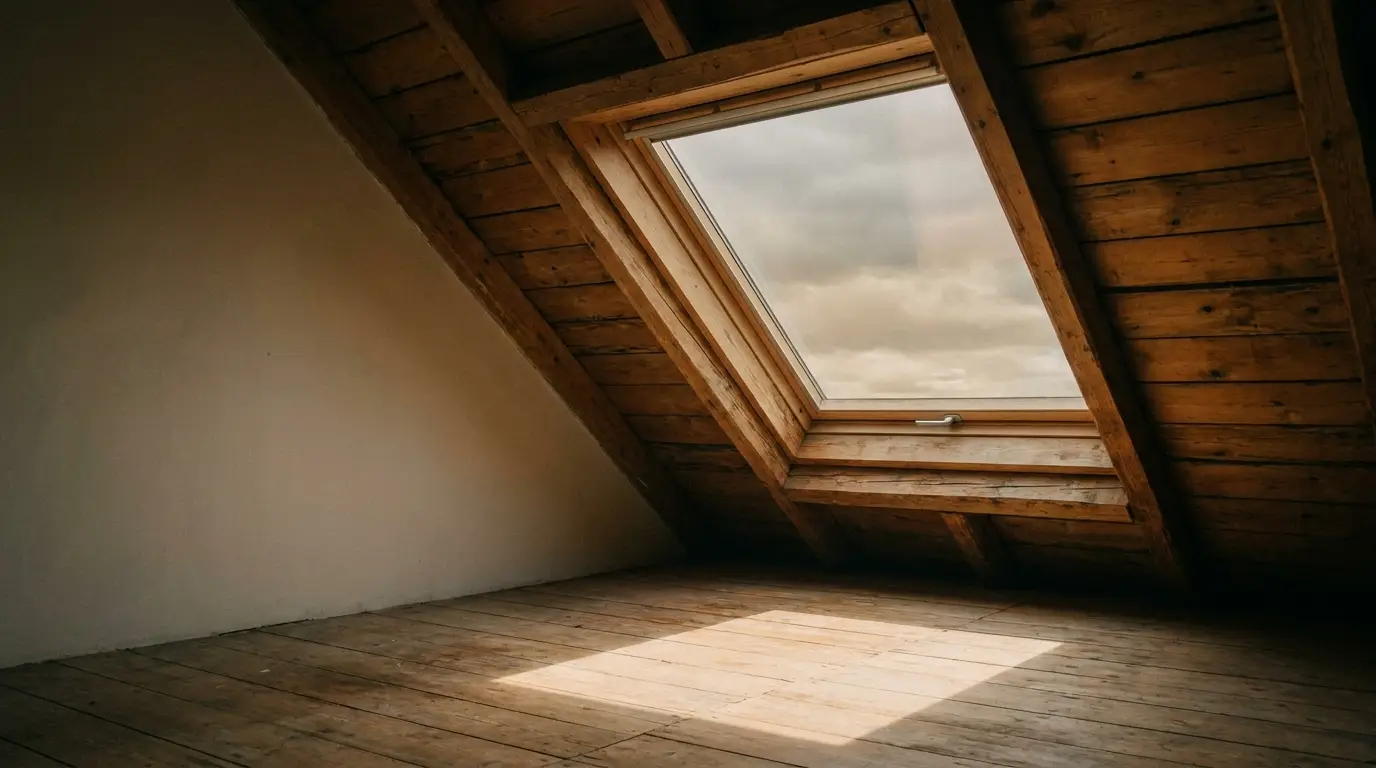
Orientation and Sun Path
Shaft Depth and Reveals (for Flat Ceilings)
Glazing Choice Matters More Than People Expect
Practical Considerations: Comfort, Ventilation, and Compliance
Ventilation and Indoor Air Quality
Overheating Risk: Plan for It
Building Regulations and Structure
A Brighter Home Often Starts Above Your Head


