
Where Brown-Banded Cockroaches Hide Outside the Usual Kitchen and Bathroom Areas
Ask most people where cockroaches live and they will point to the kitchen sink or the bathroom drain. That image fits several species, but the brown-banded cockroach breaks the pattern. It prefers warmth over dampness, and it often settles in places far from water, such as a bedroom closet, a living room bookshelf, or the top of a cabinet. Homeowners who inspect only the usual moisture-prone areas can clear a kitchen and still see the insects reappear weeks later. Knowing where this species actually hides, and what signs it leaves, makes searches shorter and more accurate.
How Brown-Banded Cockroaches Differ From Moisture-Loving Species
Brown-banded cockroaches are small, about half an inch long, and take their name from two pale bands across the wings and abdomen. They tolerate drier conditions than German or American cockroaches, which depend on constant access to water and often gather near drains, leaks, and basements.
Warmth is what draws the brown-banded type. Indoor temperatures near the upper range of comfort suit them, so they tend to climb toward heat sources such as the tops of refrigerators, televisions, and water heaters. They also move higher in a room, using wall surfaces, curtains, and furniture frames as travel routes.
Their habits help explain their spread. Females attach egg cases to surfaces instead of carrying them for long periods, so eggs end up scattered through the home. A single reproducing female can seed several locations, which allows an infestation to grow in rooms that never see a spill or a puddle.
Upper Cabinets, Shelving, and Closets
Kitchens are not off limits, but the insects choose different parts of them. Upper cabinets, particularly those above the stove or refrigerator, offer warmth and dryness, and packaged goods such as flour, pasta, and crackers supply food. Inside, crevices where shelves meet the cabinet walls make good hiding places.
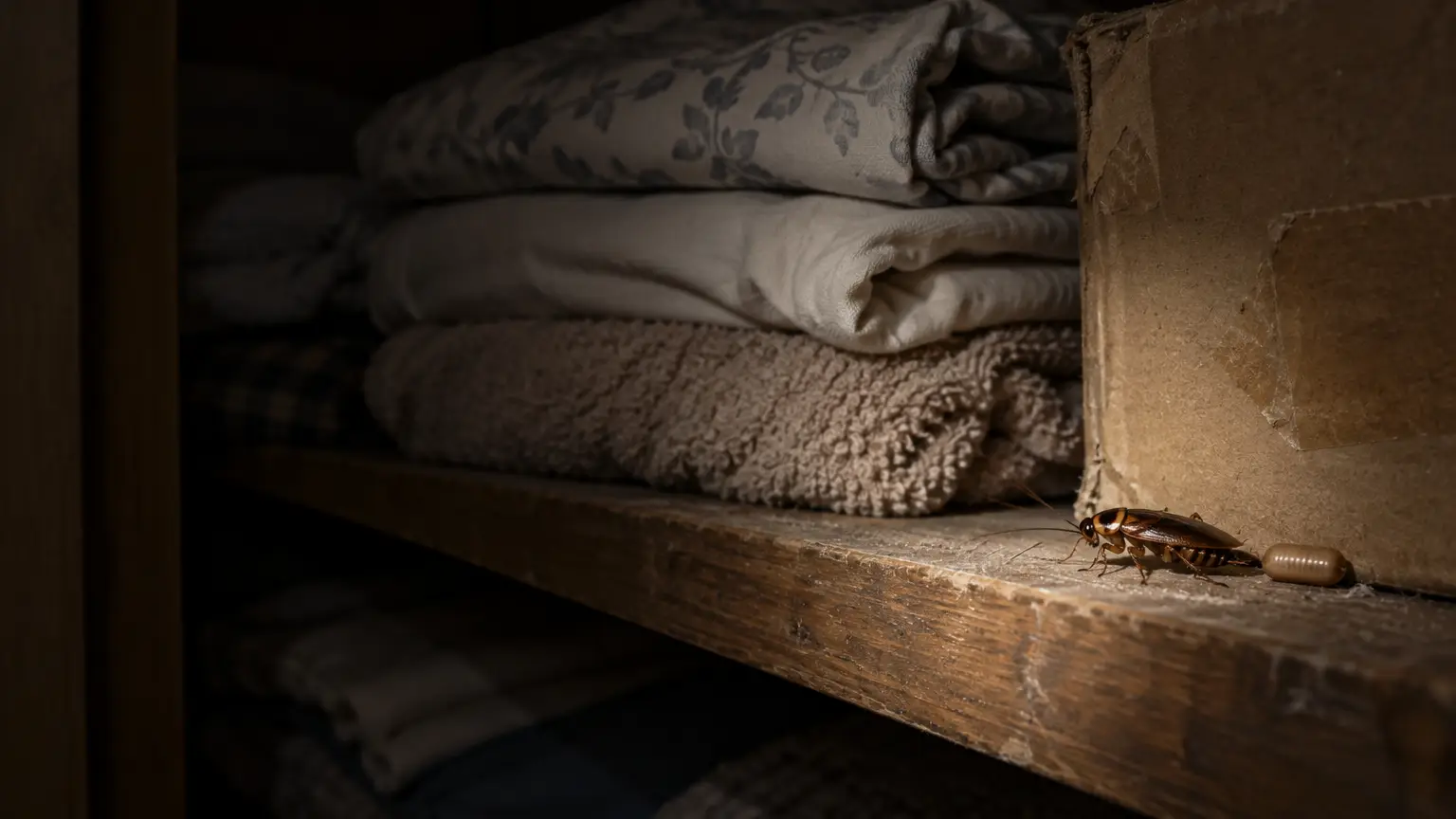
Closets and shelving units serve the same purpose elsewhere. Boxes of old papers, stacked linens, and clothing stored in cardboard provide both cover and starch-rich material to eat. The gap behind a shelf, where dust and paper scraps collect, is an easy site for droppings and egg cases.
Bookshelves, desks, and storage rooms deserve a look too. Cockroaches feed on glue from book bindings, wallpaper paste, and even the starch in cardboard, which explains why they appear in rooms without any food. Reading about brown banded cockroach signs hiding spots alabama residents often report, such as pantries, shelving, and upper walls, helps point searches toward these overlooked places, and a flashlight run along the tops of shelves frequently turns up evidence.
Electronics, Furniture, and Wall Decor
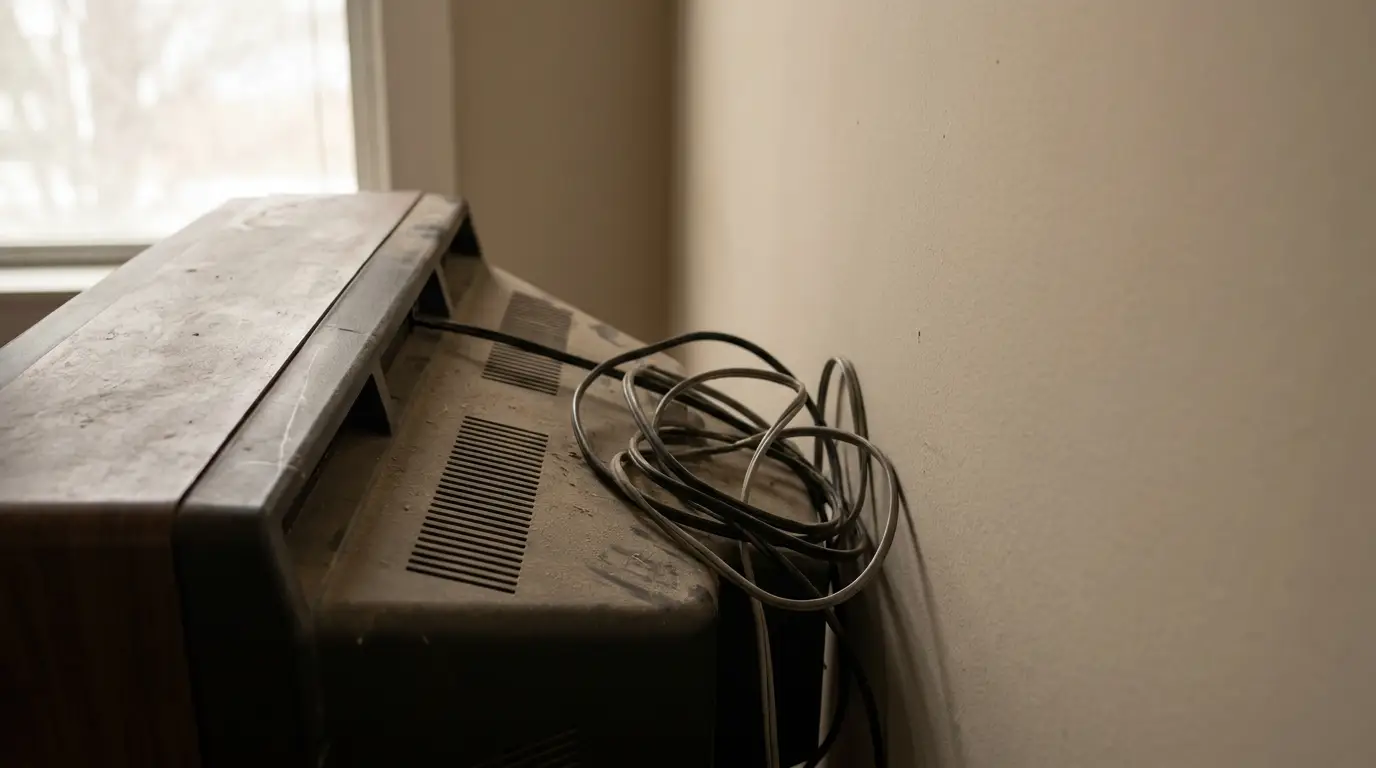
Electronics produce warmth and contain tight voids, which makes them popular. Televisions, cable boxes, game consoles, microwaves, and the area around a computer tower hold heat for hours. Insects shelter inside vents and behind panels, and droppings may collect beneath or behind the equipment.
Furniture frames also attract them. Chairs, sofas, bed frames, and the hollow undersides of tables offer dark gaps, and some species settle in the stuffing or lining of upholstered pieces. Headboards and nightstands, near where people sit and sleep, can hold a quiet group without any sign of activity in the kitchen.
Wall decor completes the list. Picture frames, curtain rods, clocks, and the tops of door frames sit high on a wall and stay warm, and the narrow space between a frame and the wall surface is ideal for hiding. Smoke detectors, light fixtures, and ceiling corners can also hold insects. A systematic search from the ceiling downward, rather than the floor upward, often finds them sooner.
Signs That Point to Brown-Banded Cockroaches
Evidence tells the story better than a single sighting, and anyone studying brown banded cockroach signs hiding spots alabama homes commonly show will find the same few clues repeated. Droppings are small, dark, and speckled, similar to ground pepper, and they collect where insects rest. On smooth surfaces, they appear as tiny smears, while on rough ones they look like scattered grains. Fresh droppings smear when wiped with a damp cloth.
Egg cases offer a clearer identification. These are small, tan to brown capsules, about the size of a grain of rice, glued to hidden surfaces such as the underside of furniture, cabinet corners, and ceiling edges. Shed skins, which are pale and fragile, show up where nymphs have grown.
Behavior also matters. Brown-banded cockroaches are active at night but move around more than other species during the day, so seeing them on walls or in dry rooms is a notable clue. A strange musty odor in a heavily infested room is another sign, although it is hard to notice in smaller groups.
A quick reference makes inspections faster:
- Dark specks or smears on shelves, electronics, and wall tops
- Small egg capsules glued under furniture or in corners
- Pale shed skins near closets and cabinets
- Insects spotted on walls, ceilings, or in dry rooms
- Damaged glue or starch on books, paper, and cardboard
Extending Inspections Beyond Moisture-Prone Areas
Most home inspections follow the water, which is sensible for several species. For this one, the path follows the heat. Begin with warm devices and high shelves, then check closets, furniture, and wall decor. Use a flashlight and a small mirror to view tight spots without moving everything.
Monitoring tools help confirm a suspicion. Sticky traps placed on shelves, behind electronics, and along upper walls reveal which areas are active, and a week of results often reveals a pattern. Recording where insects are caught directs any treatment to the right locations.
Prevention follows the same logic. Reduce clutter, store paper and fabric in sealed plastic containers, and seal cracks around pipes and wiring where insects travel between rooms. Keeping food in closed containers and wiping crumbs from shelves cuts off the supply that supports growth.
Final Analysis
Brown-banded cockroaches break the rule that cockroaches stay near water. Their preference for heat sends them to upper cabinets, electronics, closets, and wall decor, and their scattered egg cases let populations build in rooms that seem clean. An inspection that follows warmth and height, rather than moisture alone, finds them sooner and shows where control efforts should focus.


