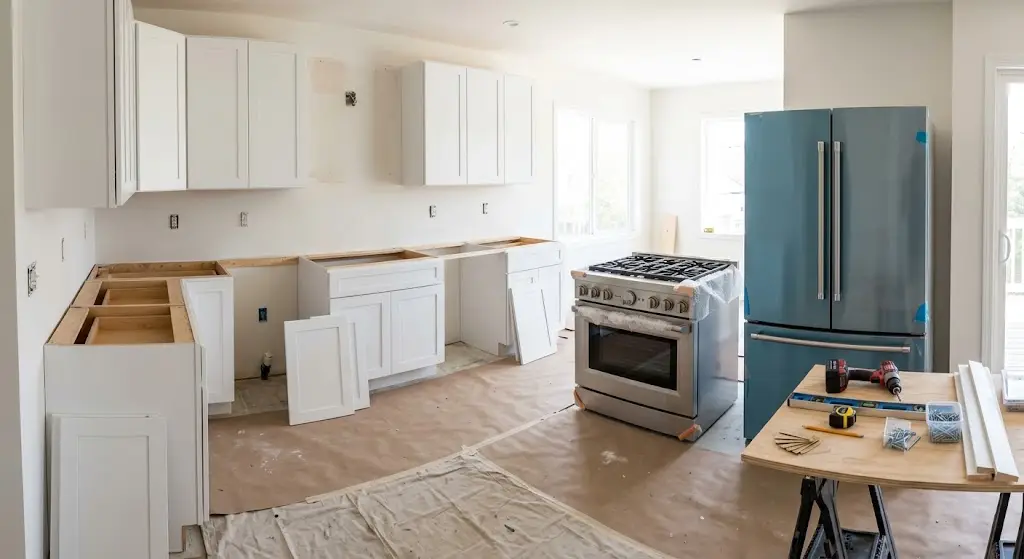
Kitchen Remodel Checklist: What to Do With Your Old Appliances
A kitchen remodel involves more than choosing new cabinets, countertops, and finishes. Before demolition begins, homeowners also need to decide what to do with the refrigerator, oven, dishwasher, range, and other appliances already in the room. Some may be ready for replacement, while others still have years of useful life left. Making these decisions early can help control renovation costs, avoid installation delays, and prevent perfectly good equipment from ending up in a landfill. A practical appliance plan should account for age, condition, dimensions, energy use, and the layout of the redesigned kitchen before any existing units are disconnected or removed.
Start With an Appliance Audit
Begin by making a complete inventory of the appliances in your kitchen. Include large equipment, built-in units, and smaller appliances that require dedicated storage or countertop space. This simple audit helps you determine what needs to be replaced, what can stay, and what must be removed before construction starts.
List Every Appliance
Record each appliance’s brand, model, approximate age, and current condition. If you cannot find the model number on the front, check the manufacturer’s label, which is often located inside a refrigerator, along an oven door frame, or on the side of a dishwasher door.
Your inventory should include:
- Refrigerator and freezer
- Range, cooktop, and wall oven
- Dishwasher
- Range hood or ventilation system
- Microwave or built-in speed oven
- Wine refrigerator or beverage cooler
- Garbage disposal and other installed equipment
Note any recurring problems, unusual noises, inconsistent temperatures, or previous repairs. An appliance that works today but has required several service calls may be a weaker candidate for keeping than one that has operated reliably for years.
Check Age, Condition, and Compatibility
Age alone does not determine whether an appliance should be replaced. A well-maintained premium refrigerator may remain serviceable long after a less expensive unit has become unreliable. Conversely, an older appliance with expensive parts or poor energy efficiency may justify replacement even if it still functions.
Also identify which appliances are freestanding and which are integrated into the cabinetry. Built-in refrigerators, wall ovens, and custom cooktops can be more difficult to replace because their dimensions, ventilation requirements, and utility connections may be specific to the existing kitchen.
Finally, review your renovation plans. If the new layout moves the refrigerator across the room or replaces a gas range with an induction cooktop, an otherwise functional appliance may no longer fit the design.
Keep, Repair, Sell or Recycle?
Once the inventory is complete, evaluate each appliance individually. Replacing everything at once may create a coordinated appearance, but it can also consume a significant portion of the renovation budget unnecessarily.
When Keeping an Appliance Makes Sense
Keeping an appliance is often the simplest and most economical option when it operates reliably, fits the planned layout, and complements the new kitchen. A newer dishwasher or refrigerator may have plenty of useful life remaining, making replacement difficult to justify on financial grounds alone.
Consider keeping equipment when:
- It performs consistently and has no significant mechanical problems.
- Its dimensions match the redesigned cabinetry.
- Replacement would add unnecessary costs to the project.
- Its energy consumption is reasonable for its age and type.
- Replacement parts and qualified service remain available.
If you intend to reuse an appliance, inspect it before demolition begins. Address minor maintenance issues early so that the installation schedule is not disrupted by an unexpected failure later.
When Repair Is Better Than Replacement
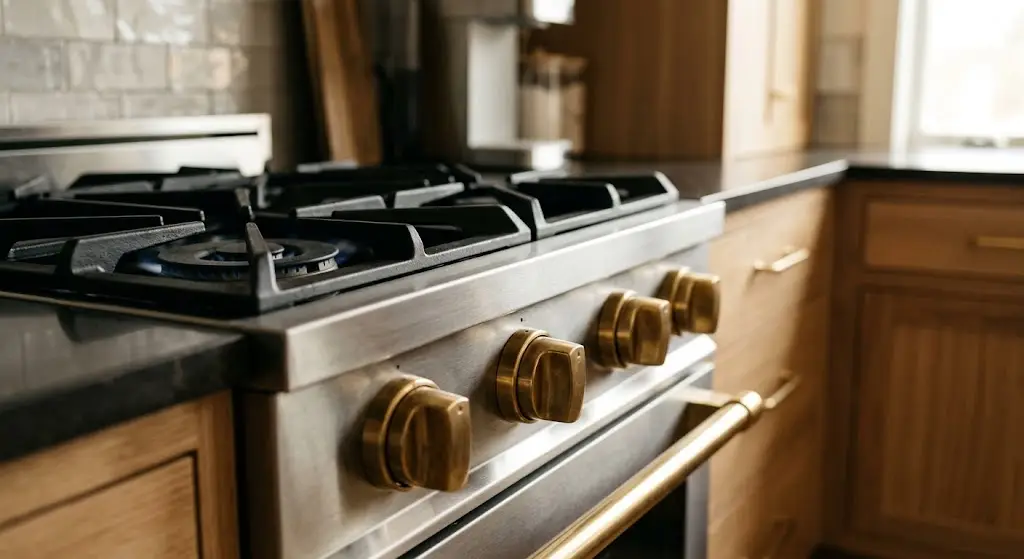
A malfunctioning appliance does not necessarily need to be discarded. A faulty thermostat, worn door seal, damaged fan, or other replaceable component may be responsible for poor performance. Obtaining an estimate before ordering a replacement can reveal whether restoring the existing unit makes financial sense.
Compare the expected repair cost with the price of a suitable new appliance. Consider the appliance’s age, reliability, remaining useful life, and any additional costs associated with changing cabinetry or utility connections.
Premium built-in units from Sub-Zero, Thermador, Miele, or Wolf are often worth keeping because replacing them can involve substantial equipment and installation expenses. A specialist in high-end appliance repair can help determine whether servicing an existing unit is more economical than rebuilding cabinetry around a new model. For expensive integrated equipment, a professional assessment can be especially useful before making an irreversible decision.
When Selling or Recycling Is the Better Choice
An appliance may still have value even if it no longer suits your kitchen. A functioning refrigerator, range, or dishwasher can appeal to buyers looking for affordable equipment, particularly if the model is relatively recent and in good condition.
Selling is less attractive when an appliance has serious faults, missing parts, or a repair cost that approaches its resale value. In those cases, responsible recycling may be the more practical solution.
Use the following decision framework for each item:
- Keep it if it works well, fits the new design, and remains economical to operate.
- Repair it if a clearly identified fault can be fixed at a reasonable cost.
- Sell or donate it if it works safely but no longer meets your needs.
- Recycle it if it is beyond economical repair or cannot be reused safely.
Making these decisions before ordering new appliances reduces the risk of paying for equipment you do not need or discovering that a replacement will not fit the finished kitchen.
Measure and Plan Before Demolition
Measurements should be confirmed before cabinets are ordered or existing equipment is removed. Appliance dimensions are only part of the equation: installation clearances, door movement, ventilation, and utility access also affect whether a unit will work in the redesigned space.
Confirm Cabinet and Appliance Dimensions
Measure the height, width, and depth of every appliance you plan to keep. For built-in units, check the manufacturer’s installation specifications rather than relying on the visible dimensions alone.
Account for door swings, drawer extension, handles, surrounding panels, and clearance needed for maintenance. A refrigerator that technically fits inside a cabinet opening may still be difficult to use if its doors cannot open far enough to remove drawers.
If you are replacing an appliance, verify the dimensions of the actual model before finalizing the cabinetry. Similar-looking products can have different installation requirements.
Review Electrical, Gas, and Water Connections
Your new layout may require changes to electrical outlets, dedicated circuits, gas lines, water supply lines, or drainage. An induction cooktop, for example, may require an electrical circuit that differs from the one serving an existing gas range.
A refrigerator with an ice maker needs an appropriate water connection, while a dishwasher requires suitable plumbing and electrical access. Range hoods and other ventilation equipment must also be compatible with the kitchen’s design and applicable building requirements.
Have qualified professionals evaluate any necessary changes before demolition. Planning these details in advance can prevent costly modifications after new cabinets and countertops are installed.
Where to Sell, Donate or Recycle Old Appliances
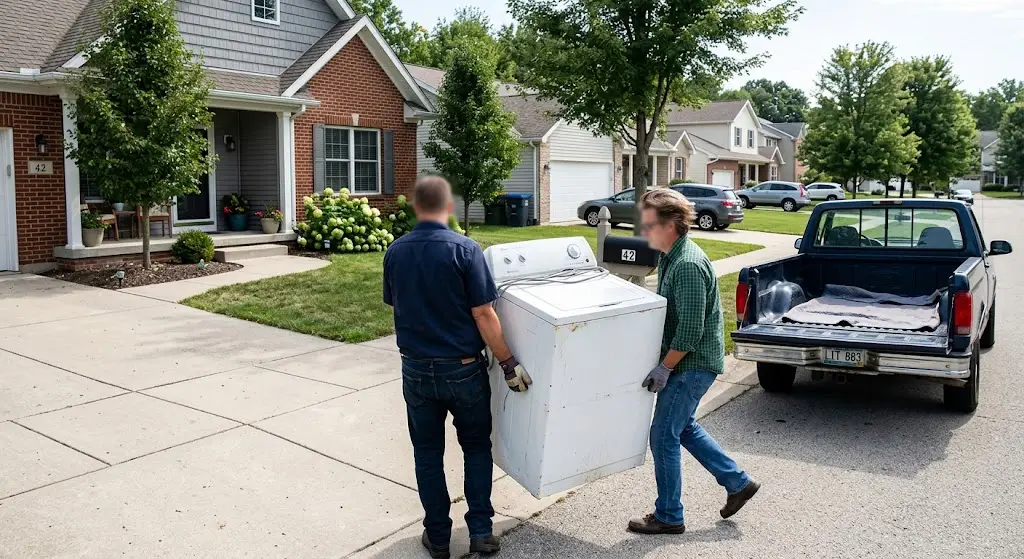
If an appliance will not be reused, decide how it will leave the property before renovation work begins. Large equipment is difficult to store in an active construction area, and last-minute removal arrangements can delay contractors.
Sell Appliances That Still Work
Online marketplaces and local classified platforms are practical options for selling functional appliances. Include the brand, model number, approximate age, dimensions, condition, and clear photographs. Mention any cosmetic damage and disclose known problems rather than describing the appliance as fully functional without verification.
Arrange collection carefully, especially for heavy refrigerators and ranges. Buyers should understand whether they are responsible for transportation and removal.
Consider Donation
Charities, community organizations, and reuse programs may accept working appliances in suitable condition. Acceptance requirements vary, so contact the organization before arranging delivery.
Ask whether the appliance must be tested, professionally disconnected, or transported by the donor. Some organizations cannot accept older or inefficient equipment even when it still operates.
Arrange Responsible Recycling
If an appliance cannot be sold or donated, look for a local recycling center or an authorized appliance collection service. Refrigerators, freezers, and some other cooling equipment contain refrigerants that must be handled according to applicable environmental regulations.
Do not cut refrigerant lines or attempt to remove refrigerant yourself. Arrange for qualified personnel to recover refrigerants and manage other regulated components appropriately. Metal, plastic, and certain electrical parts can then be processed through suitable recycling channels.
Confirm collection dates before demolition so that discarded equipment does not obstruct work areas or remain exposed to construction debris.
Protecting Appliances During Construction
Appliances that will remain in the kitchen need protection throughout demolition, flooring work, painting, and cabinet installation. Construction dust can enter vents and moving components, while impacts and moisture can damage exterior finishes and electrical parts.
Before work starts, coordinate with your contractor to determine which appliances must be disconnected or moved.
- Disconnect equipment safely. Arrange professional disconnection where gas, hardwired electrical connections, or plumbing are involved.
- Move appliances away from active work areas. Use appropriate moving equipment and protect floors, doorways, and appliance surfaces.
- Cover units against dust. Use suitable protective coverings, but avoid blocking ventilation openings when an appliance remains in operation.
- Protect doors and controls. Secure loose cords and accessories, and prevent workers from using appliance surfaces as temporary storage.
- Store equipment in a dry location. Avoid exposing appliances to rain, standing water, extreme temperatures, or construction chemicals.
For refrigerators and freezers that will be disconnected for an extended period, follow the manufacturer’s storage instructions. Clean and dry the interior, and manage the doors safely to prevent mold and odors. Before reconnecting any appliance, inspect it for damage and confirm that the required utilities are ready.
Printable Remodel Checklist
Use this numbered checklist before demolition and again before the new kitchen is completed.
- Inventory every kitchen appliance and record its model number, age, and condition.
- Decide which appliances to keep, repair, sell, donate, or recycle.
- Obtain repair estimates for valuable appliances with mechanical problems.
- Measure retained appliances and confirm cabinet openings and installation clearances.
- Review electrical, gas, plumbing, drainage, and ventilation requirements.
- Schedule disconnection, transportation, donation, or recycling before demolition.
- Protect retained appliances from dust, moisture, and accidental damage.
- Inspect, reinstall, and test each appliance before considering the kitchen complete.
Keep the checklist with your renovation documents so that appliance decisions remain visible to everyone involved in the project.
Conclusion
Planning what to do with old appliances before remodeling begins can save money, reduce waste, and prevent installation problems. Evaluate each unit according to its condition, repair costs, dimensions, and compatibility with the new layout. By arranging repairs, resale, donations, or recycling early, you can keep the renovation organized and focus your budget on the improvements that will make the greatest difference to your kitchen.