How to Choose and Care for Indoor Plants in Any Home
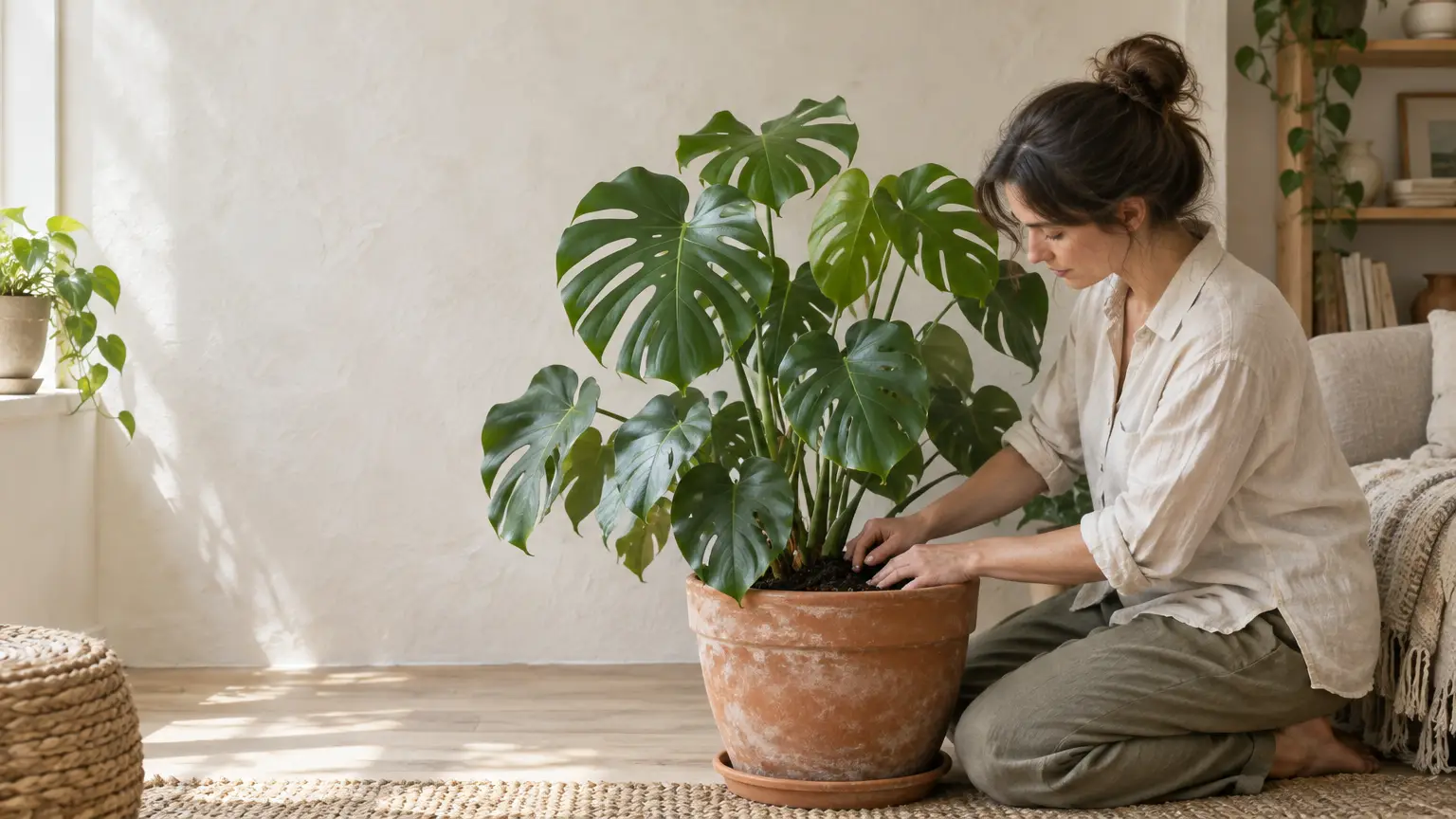
Successful indoor gardening has less to do with how attractive a plant looks on a nursery shelf and more to do with whether its needs actually match the conditions already present in your home. Before you bring anything home, it helps to assess the light level in the room, the space you have available, your realistic watering habits, humidity, how much maintenance time you can genuinely commit to, and whether the area is safe for children or pets. Someone decorating a large, mostly empty living room, for instance, might start searching for a huge indoor plant to add some visual structure—but that search should be the beginning of your research, not the end of it. The room still needs to offer suitable light, enough clearance for the plant’s mature size, and a stable, safe spot to live in. It’s worth repeating throughout this guide: choose a plant based on its care requirements and your room’s actual conditions, not on size or looks alone.
Assess the Room Before Choosing a Plant
Evaluate the available light. Light generally falls into four categories: direct sunlight, bright indirect light, medium light, and low light. “Low light” doesn’t mean darkness, though—plants still need usable light to photosynthesize and survive. Rather than guessing based on which direction a window faces, spend some time observing the room at different points in the day, since walls, curtains, nearby buildings, and shifting seasonal sun angles all influence how much light actually reaches a plant. Many houseplants thrive several feet back from a bright window, while intense, direct sun can scorch the foliage of species that aren’t built for it. If a room’s light is tricky to judge by eye alone, a simple light meter or species-specific guidance can help clear things up.
Consider temperature and airflow. Placing plants beside radiators, heating or cooling vents, drafty doors, or windows that get opened often exposes them to sudden temperature swings that many tropical houseplants struggle with. Just because a room feels comfortable to you doesn’t mean it suits a particular plant’s narrower environmental preferences.
Room-assessment checklist:
- Light level and how it changes throughout the day
- Proximity to vents, radiators, or drafts
- Available floor or shelf space for mature growth
- Realistic watering frequency you can maintain
- Presence of children or pets
Match Plant Characteristics to the Space
Plan for mature size. It’s worth looking into a plant’s mature height and width, not just how big it is at the point of purchase. Larger plants need adequate clearance from walls and furniture, a stable container, and enough floor space for their leaves to spread without crowding everything around them. There are practical considerations too: how you’ll move and repot the plant down the line, how you’ll clean around it, and how you’ll keep water from damaging your floors. Measuring the intended spot ahead of time can save you from a common headache—a plant that fits neatly beside the sofa today may end up blocking a walkway or window within a year or two.
Match growth habit to the room. Upright plants tend to suit narrow hallways well, while spreading or trailing varieties often work better in open corners or on shelving. A plant’s shape affects sightlines, how much light it blocks, and how easily you can get to windows or doors. Vigorous climbing or spreading species are best kept away from electrical equipment and high-traffic areas.
Understand the Core Care Requirements
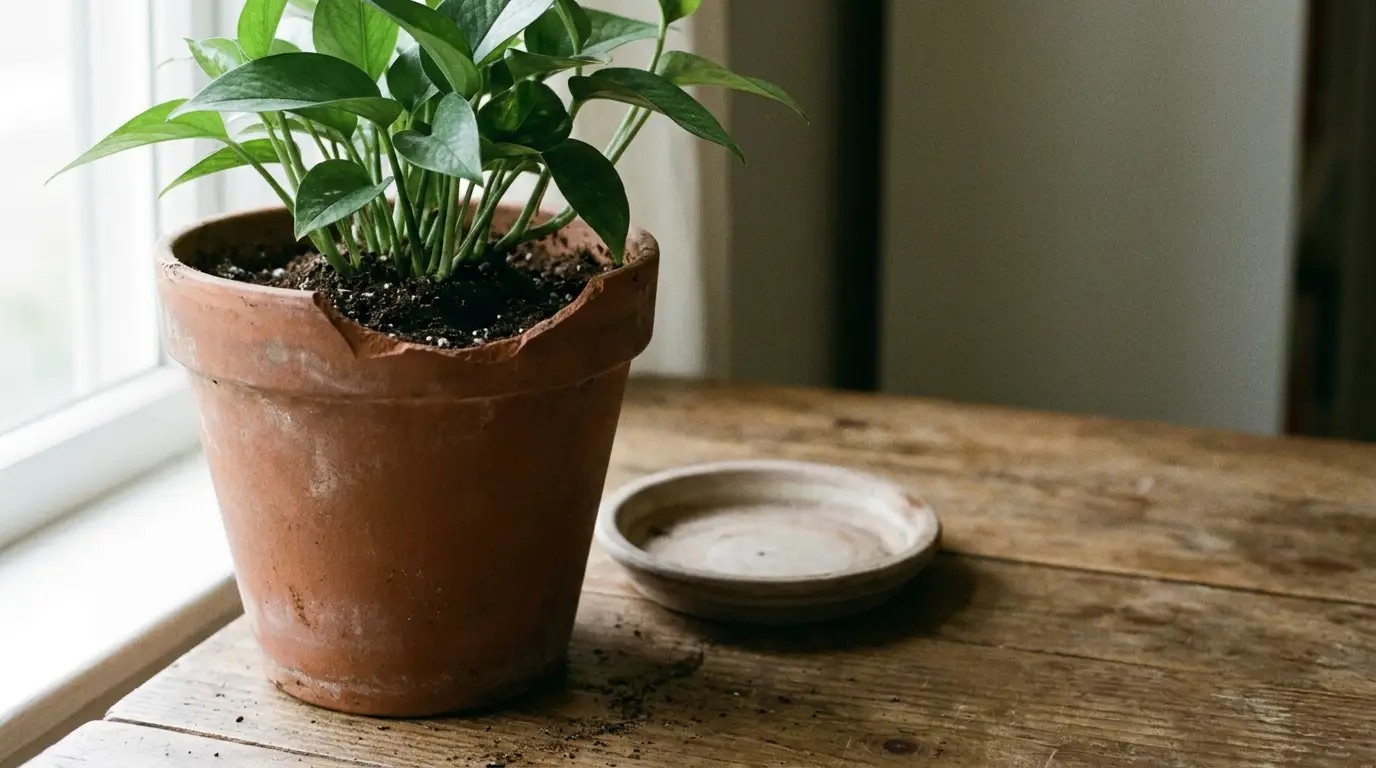
Watering needs vary depending on species, pot size, soil composition, light, temperature, humidity, and growth rate—so it’s far more reliable to check the potting medium’s moisture before watering than to stick to a fixed calendar.[6] Many plants do best with a thorough watering until excess drains from the container, but pots should never be left sitting in standing water, since consistently saturated roots can lead to root rot. Yellow leaves, wilting, or slow growth can stem from several different issues, not just a need for more water, so it pays to look closer before reaching for the watering can.
Drainage comes down to functional drainage holes and an appropriate potting mix. Remember that a decorative cachepot is different from the nursery pot actually holding the roots, and any excess water that collects in a saucer or outer pot should be emptied after watering.[6]
Humidity preferences vary by species, though many tropical plants appreciate more moisture in the air than the average home naturally provides. A humidifier, grouping plants together, or a properly used pebble tray can all help here; misting, on the other hand, offers only a temporary boost and shouldn’t replace proper watering or good airflow.
Feeding and repotting support growth during active seasons, but overfertilizing comes with its own risks. Signs that a plant needs repotting include densely circling roots, water draining unusually fast, or noticeably restricted growth—when that happens, choose a new container that’s only modestly larger than the current one.
Build a Low-Maintenance Care Routine
A simple, repeatable routine tends to beat occasional, intense bursts of attention:
- Check light exposure and leaf condition
- Test soil moisture before watering
- Inspect for pests
- Rotate plants for even growth when appropriate
- Remove dead or damaged material with clean tools
- Confirm drainage and check for standing water
Key takeaway: The most reliable care routine is based on observing the plant and its growing medium, not watering every plant on the same schedule.
Keeping a brief log of watering dates and observations is especially useful for species you’re still getting to know, helping you catch dry soil, early pest activity, or blocked drainage before problems get out of hand.
Consider Children and Pets Before Placement
Plant safety should be worked out before any new species enters a home with children or animals. Check the exact plant name against a reputable toxic and non-toxic plant database rather than relying on common names, which can vary quite a bit by region. The ASPCA notes that consuming any plant material may cause gastrointestinal upset in dogs and cats, even when a plant is officially listed as non-toxic.[1] Place potentially hazardous plants well out of reach, and contact a veterinarian if a pet shows symptoms after ingestion. Non-toxicity doesn’t eliminate every risk, either—sharp leaves, heavy pots, and unstable stands can still cause harm on their own.
Troubleshoot Common Problems Systematically
Yellow leaves can stem from overwatering, underwatering, poor drainage, insufficient light, natural aging, or temperature stress; it’s worth examining the soil and roots before adjusting your care routine.
Brown leaf tips often relate to dry air, inconsistent watering, salt buildup, direct sun, or fertilizer residue. Try changing one variable at a time to pinpoint what actually helps.
Leggy or leaning growth usually signals insufficient light; move the plant gradually toward brighter conditions rather than shocking it with intense sun all at once.
Pests such as scale, mealybugs, spider mites, and fungus gnats call for isolating the affected plant, inspecting the leaf undersides, and accurately identifying the culprit before applying any treatment.
Choosing Plants That Remain Manageable Over Time
Before You Buy checklist:
- Available light level
- Mature dimensions
- Watering needs
- Container drainage
- Pet safety and child safety
- Realistic maintenance time
A visually striking plant is only a good fit when its long-term needs line up with your household’s light, space, and care capacity. Measure your space, observe its light across a full day, and write down your care constraints before choosing a plant—this planning step matters more than any single feature of the plant itself.