
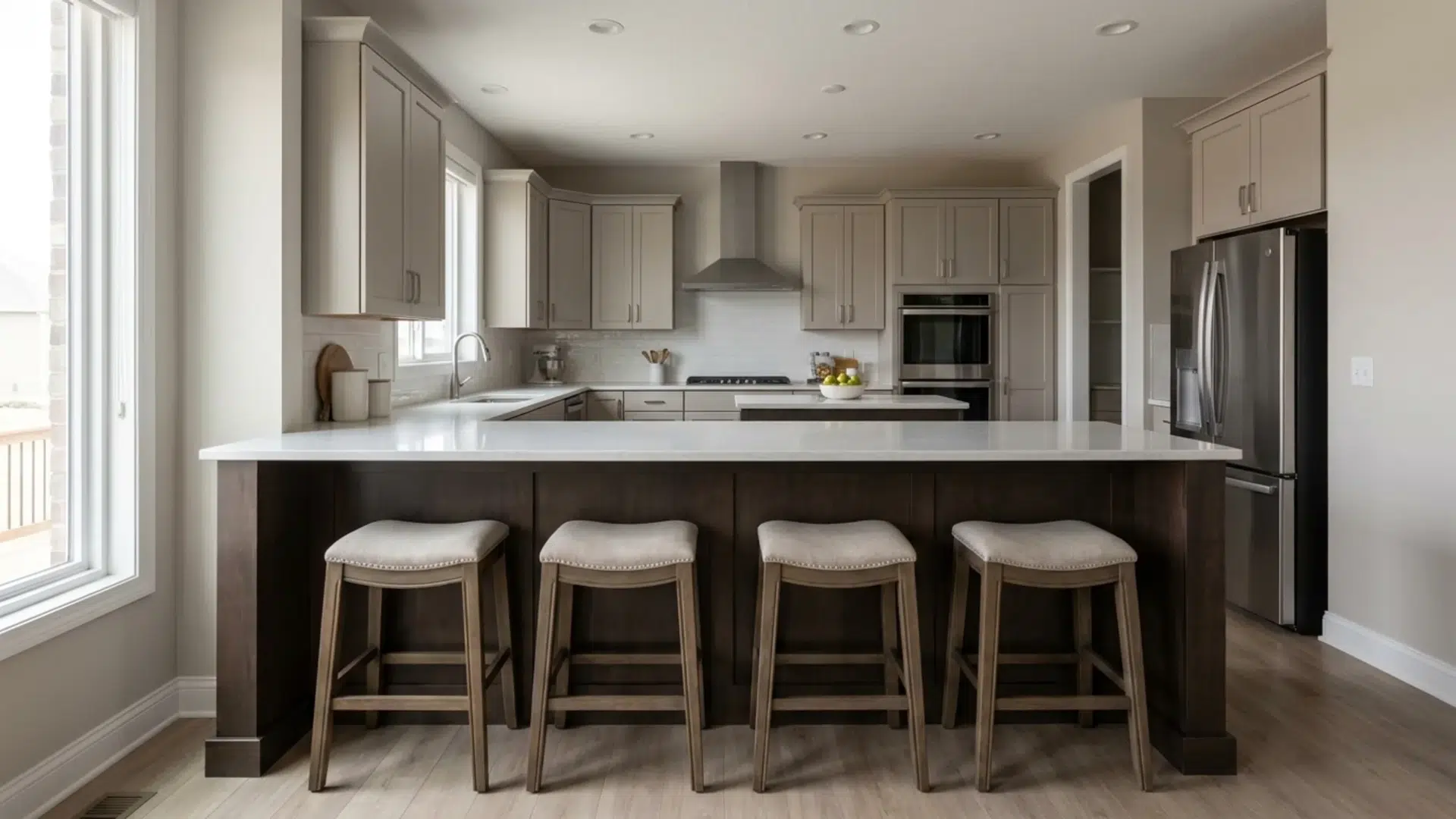
What Is Standard Bar Height? Key Measurements Explained
Most people choose a bar setup based on appearance, then realize later that it doesn’t feel comfortable for everyday use.
Standard bar height helps create the right balance between seating, legroom, and overall comfort in both homes and commercial spaces.
It also makes it easier to pair stools correctly, plan spacing, and keep the setup proportional to the room.
Before buying stools, building a bar, or planning a kitchen layout, understanding what is standard bar height can help you avoid costly sizing mistakes later.
Bar Height Measurements in Every Unit
Standard bar height is typically 40 to 42 inches (101–107 cm) from the floor to the top of the surface.
Bar-height surfaces are designed for Taller Seating, typically paired with stools measuring 28 to 30 inches tall. That pairing creates the right legroom and elbow clearance for a comfortable experience.
If a surface falls in the 40–42 inches range, it’s built for bar-style use and everything around it is designed to match.
Bar height can vary slightly depending on where you are, but most standard bars fall within a consistent range.
Here’s a quick breakdown across common units of measurement:
| Measurement Unit | Standard Bar Height |
| Inches | 40–42 inches |
| Feet | 3.3–3.5 feet |
| Centimeters | 101–107 cm |
Most residential and commercial bars follow this standard range, making it comfortable for use with lower bar stools.
How to Pick the Right Bar Stool Height?
Choosing the right bar stool isn’t just about style; it’s about how well the seat height matches the bar. Mismatched stools can make even the nicest bar setup feel awkward and uncomfortable.
Recommended Stool Height
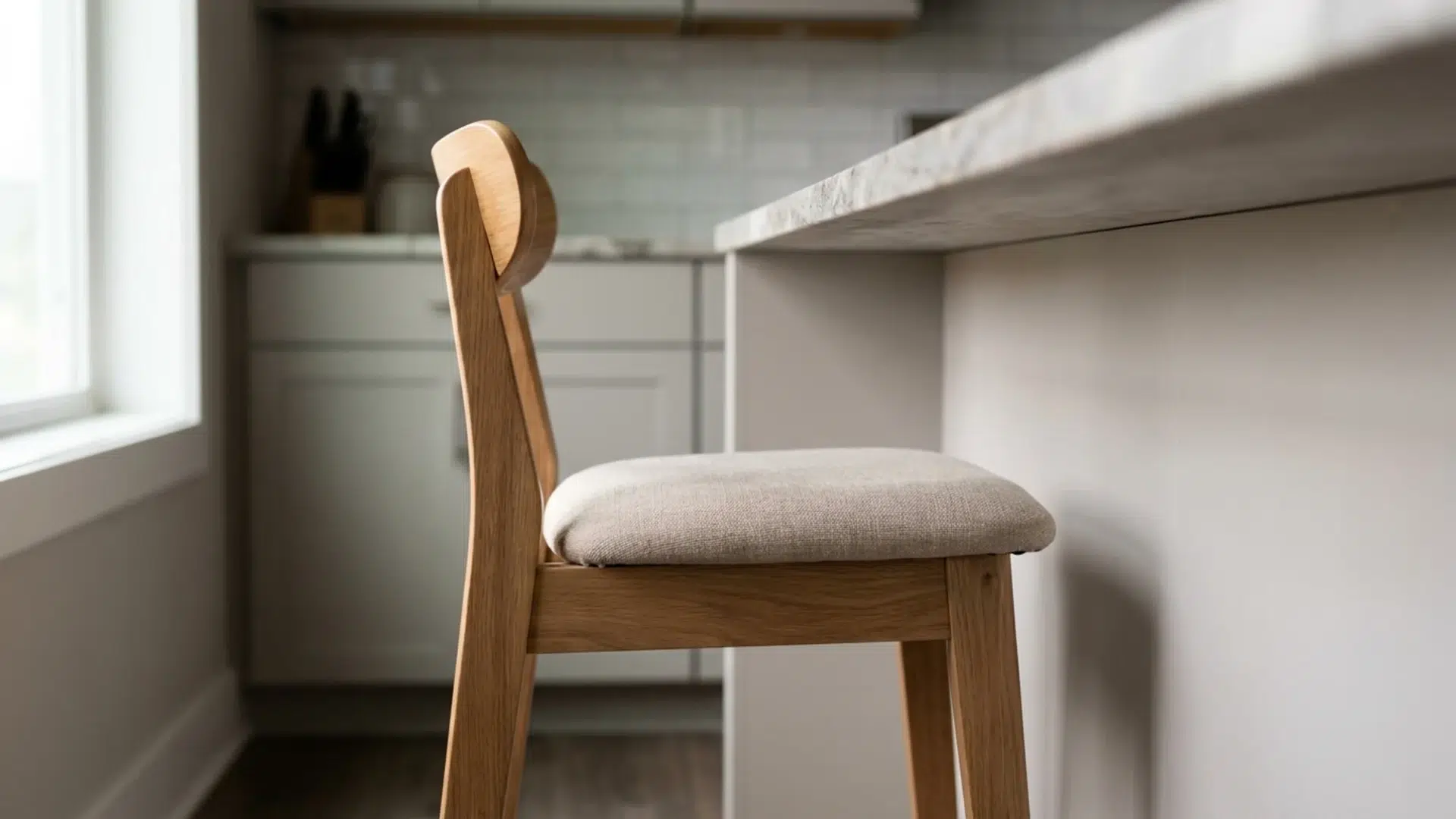
The sweet spot for bar stools paired with a standard bar is a seat height of 28 to 30 inches. This range keeps the setup comfortable, balanced, and easy to use for everyday seating.
When the stool height is properly matched, sitting feels more natural during meals, conversations, or longer gatherings. It also helps maintain better posture and creates a cleaner visual proportion between the stools and the bar itself.
Even a small mismatch can make the setup feel awkward.
- Stools that are too tall can feel cramped and restrictive.
- Stools that are too short make the bar feel overly high and less comfortable to use.
The right stool height improves both comfort and the overall look of the space.
Space and Layout Guidelines

Getting the bar height right is only half the job; spacing and layout seal the deal. Plan these three things before you finalize your setup.
- 24 Inches Per Stool: Give each seat at least 24 inches of width to avoid a cramped feel.
- Legroom Under the Counter: Keep a minimum 12-inch knee clearance beneath the bar surface.
- Stool Spacing: Leave a small gap between stools for easy movement and comfort.
Right spacing makes the difference between a bar people enjoy and one they avoid.
Why This Height Works so Well?
Standard bar height solves practical problems that other surface heights simply cannot.
At 40 to 42 inches, it creates a natural standing and seated dynamic that encourages casual conversation in a way lower tables never quite match.
It also adds visual structure to open-plan spaces, defines a clear seating zone within a room, and gives kitchen islands a natural barrier that keeps prep areas out of a guest’s line of sight.
Common Bar Height Mistakes to Avoid
A few small mistakes can make a bar setup uncomfortable. Here’s what to avoid:
- Wrong Stool Height: Even a2–3 inch difference can feel awkward. Match stool height to bar height carefully.
- Too Little Spacing: Crowding stools makes seating uncomfortable. Leave about a small between each stool.
- Mixing Counter and Bar Heights: Counter-height tables and bar stools don’t pair well. The seating gap will feel off.
- Skipping Measurements: Measure width, depth, and ceiling height before buying or building.
Conclusion
Bar height affects more than how a space looks; it shapes how comfortable and functional it actually feels. When the height, stool size, and spacing all line up, everything just works.
When they don’t, no amount of good design covers it up. The 40–42 inch standard exists because it genuinely performs well across settings, from home bars to busy pub counters.
Use it as a starting point, not a rigid rule, and build the rest of the layout around it.
Measure before you buy, and match every element to that number. That’s the one move that prevents most bar setup regrets.
Ready to plan your bar setup? Use the measurements and guidelines above to get every detail right from the start, and share your bar-sizing tips in the comments.
Frequently Asked Questions
Is Bar Height the Same as Counter Height?
No. Bar Height Is 40 to 42 Inches, While Counter Height Is 34 to 36 Inches. They Need Different Stool Sizes.
What Is the Best Bar Height for Elderly People?
Grab bars for the elderly should be mounted between 33 to 36 inches (840 to 915 mm) above the finished floor. This specific height range ensures the bars are within easy and safe reach for both seated and standing users.
What Is the Best Material for A Bar Top?
The best bar top materials for durability and low maintenance are quartz, granite, and epoxy resin, while wood such as walnut or hevea offers unmatched warmth and classic style.


