What Is a Hip Roof and How It Protects Your Home?
Looking at a house from the street, most people don’t think much about the roof. But here’s something interesting: the shape of a roof can make a huge difference in how well it protects a home.
A hip roof, with its four sloping sides, offers superior protection against harsh weather compared to other roof types.
People dealing with heavy rain, strong winds, or snow often find that understanding what a hip roof is could be the key to better home protection.
This design isn’t just about looks. It is about keeping families safe and dry. So what makes a hip roof different, and why should people care? Let’s explore how this roof style can be a game-changer for home safety.
What Is a Hip Roof
A hip roof is a design where all sides slope downward toward the walls at a gentle angle. Instead of vertical ends, the roof forms a ridge or peak at the top, creating a clean, symmetrical shape.
This structure has remained popular for centuries because it handles weather efficiently.
Rain, snow, and debris slide off easily, reducing stress on the roof. The inward slope on all sides also improves wind performance compared to roofs with flat vertical ends.
People often choose this style for durability, balance, and reliable long-term performance.
Key Features of a Hip Roof
A hip roof stands out due to several distinctive characteristics that make it reliable and efficient. Here are the main features:
- Four sloping sides that meet at the top to form a ridge or central peak
- No vertical walls at the ends, which reduces wind resistance
- Symmetrical design that distributes weight evenly across the structure
- Self-bracing structure that provides extra stability without additional support
- Built-in eaves on all sides that offer protection from the sun and rain
- Compatible with various pitches from steep to moderate slopes
- Natural drainage system that prevents water pooling on the roof surface
Different Types of Hip Roofs
Hip roofs come in several variations, each offering unique benefits depending on the home’s design and climate needs. Choosing the right type depends on factors like architectural style, budget, and weather conditions in the area.
1. Simple Hip Roof

A simple hip roof is the most common type, featuring four sides that slope down from a central ridge.
Two sides are trapezoidal, and the other two are triangular. This design works well for rectangular homes and provides excellent stability.
The straightforward construction makes it cost-effective and easier to build compared to more complex variations.
2. Cross-Hipped Roof

When a home has multiple wings or sections, a cross-hipped roof connects two or more hip roof sections at right angles.
This creates an L-shape or T-shape, depending on the home’s layout. The design adds visual interest while maintaining the protective benefits of a standard hip roof.
It’s popular for larger homes with additions or wings, though it requires more materials and labor. The valleys where the roof sections meet need proper waterproofing to prevent leaks.
3. Half-Hip Roof

A half-hip roof blends elements of both hip and gable designs. The top portion slopes like a hip roof, but the ends have small vertical sections similar to a gable.
This hybrid approach offers better attic ventilation than a full hip roof while still providing good wind resistance. People who want the benefits of both styles often choose this option.
4. Pyramid Hip Roof

For square-shaped homes, a pyramid hip roof is ideal. All four sides are triangular and meet at a single point at the top, forming a pyramid. There’s no ridge line in this design.
This type is extremely stable and works well in areas prone to hurricanes or severe storms. The symmetrical structure distributes weight evenly, making it one of the strongest roof options available.
5. Mansard Roof

A mansard roof, sometimes called a French roof, features two slopes on each of the four sides. The lower slope is steeper, almost vertical, while the upper slope is flatter.
This design creates additional living space in the attic area. While it’s technically a hip roof variation, the mansard style is more common in historic or French-inspired architecture.
The complex design requires skilled craftsmanship and regular maintenance to prevent issues with the lower slopes.
Pros and Cons of a Hip Roof
Understanding both the strengths and limitations of a hip roof helps People make informed decisions. Here’s a comparison:
| Advantages | Disadvantages |
|---|---|
| Excellent wind resistance due to sloped sides on all four faces | Higher construction costs compared to simpler roof designs |
| Superior water drainage prevents pooling and reduces leak risks | More complex to build, requiring experienced contractors |
| Self-supporting structure adds stability without extra framing | Less attic space due to sloped sides on all walls |
| Suitable for areas with heavy snow or rain | Requires more roofing materials, increasing overall expenses |
| Eaves on all sides protect walls from weather damage | More seams and joints mean potential maintenance points |
| Attractive, timeless appearance enhances home value | Ventilation can be challenging without proper planning |
| Even weight distribution reduces stress on the structure | Repairs may cost more due to the complex design |
Best Materials for a Hip Roof
Choosing the right roofing material affects durability, cost, and appearance. Here are the top options for hip roofs:
- Asphalt Shingles: Affordable, widely available, and easy to install with a lifespan of 15-30 years
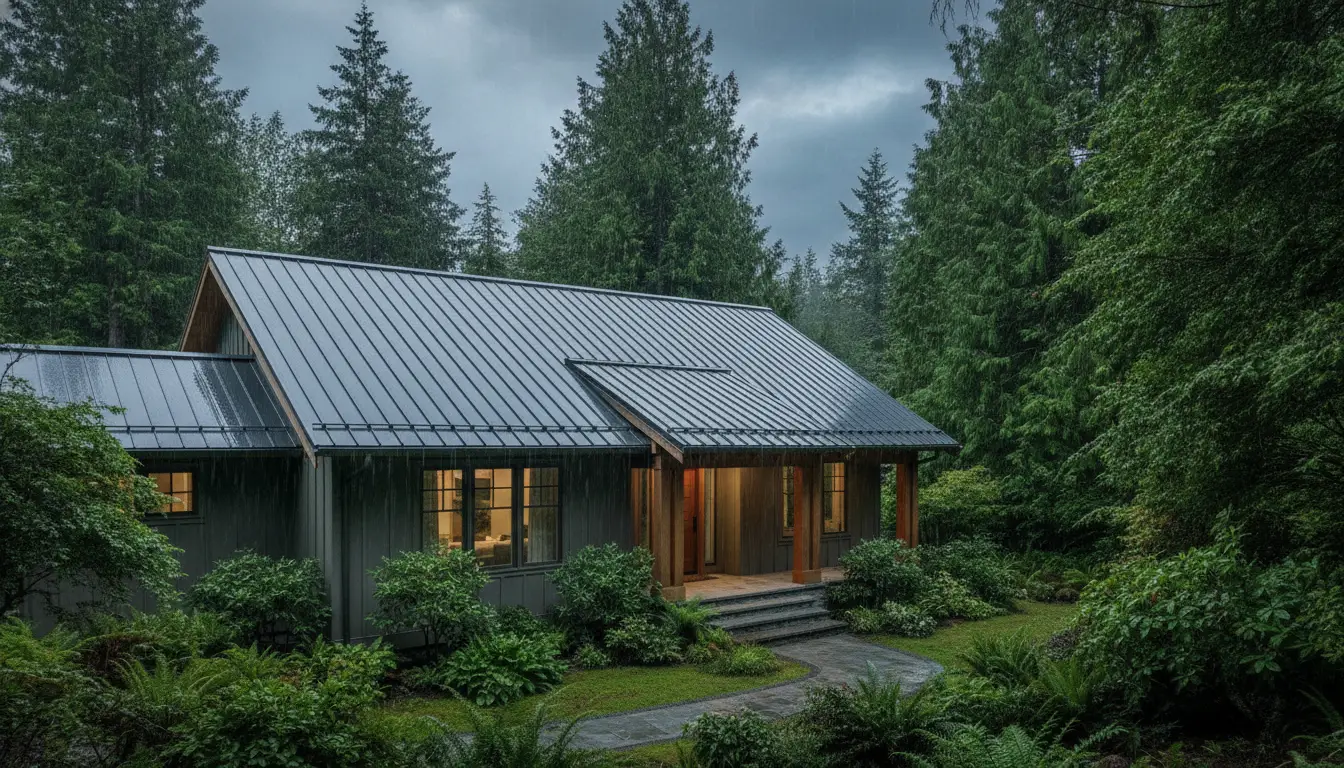
- Metal Roofing: Lightweight, durable, and fire-resistant with minimal maintenance needs
- Clay or Concrete Tiles: Extremely durable, fire-resistant, and ideal for hot climates
- Slate Tiles: Premium option with a lifespan of 75-100 years, though heavy and expensive
- Wood Shakes or Shingles: Natural appearance, but requires regular maintenance and treatment
- Synthetic Materials: Modern alternatives that mimic natural materials at lower cost
- Standing Seam Metal: Sleek, modern look with excellent weather protection
Hip Roof Vs Gable Roof
Both hip and gable roofs are popular choices, but they serve different needs. Here’s how they compare:
| Feature | Hip Roof | Gable Roof |
|---|---|---|
| Design | Four sloping sides meeting at a ridge or peak | Two sloping sides with triangular ends (gables) |
| Wind Resistance | Superior performance in high winds and storms | More vulnerable to wind damage, especially on gable ends |
| Cost | More expensive due to complex construction | More affordable and simpler to build |
| Attic Space | Limited space due to slopes on all sides | More usable attic space with vertical end walls |
| Drainage | Excellent drainage from all directions | Good drainage, but limited to two sides |
| Maintenance | More seams require regular inspection | Fewer seams mean less maintenance overall |
| Durability | Highly stable and self-bracing structure | Strong but may need extra bracing in some areas |
| Aesthetic Appeal | Classic, symmetrical appearance | Traditional look with versatile design options |
Tips for Hip Roof Care and Upkeep
Regular maintenance keeps a hip roof performing well for decades. Here are essential care tips:
- Inspect twice yearly for loose or damaged shingles, especially after storms
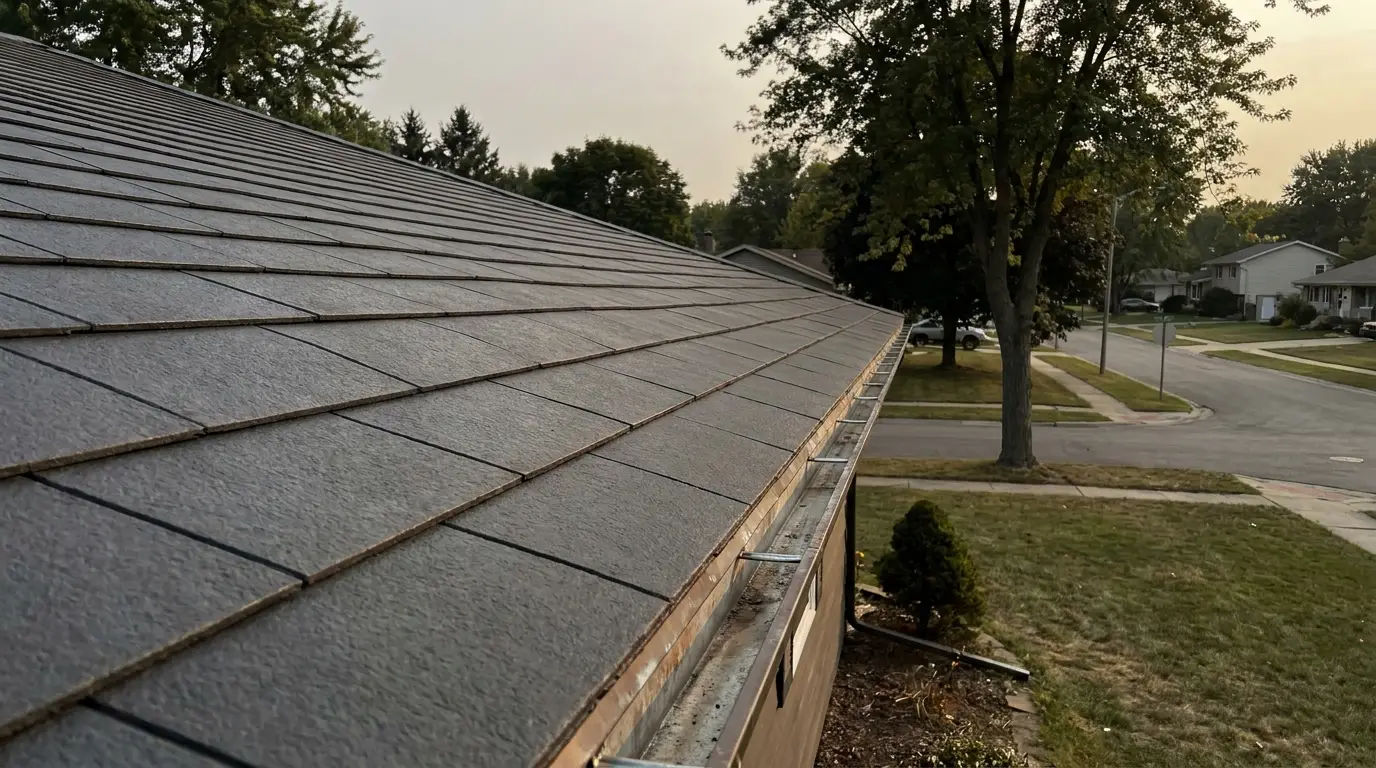
- Clean gutters regularly to ensure proper water flow and prevent overflow
- Check flashing around chimneys, vents, and valleys for signs of wear or gaps
- Remove debris like leaves and branches that can trap moisture
- Trim overhanging branches to prevent damage and reduce debris accumulation
- Look for moss or algae growth and clean it promptly to avoid material deterioration
- Schedule professional inspections every 3-5 years for thorough assessments
- Address small repairs immediately before they become major problems
- Ensure proper ventilation in the attic to prevent moisture buildup and extend roof life
Is a Hip Roof Right for Your Home?
Deciding on a hip roof depends on several factors unique to each homeowner’s situation. This roof style excels in areas with severe weather, including high winds, heavy rain, or snow.
The added durability and stability come at a higher upfront cost, so budget considerations matter. Homes with square or rectangular footprints benefit most from this design.
If attic space is a priority, a gable roof might be a better option. However, for those valuing long-term performance, weather resistance, and classic aesthetics, a hip roof is an excellent investment.
Consulting with a roofing professional can help determine if this style suits the specific needs of the home and climate.
The Bottom Line
Now that you know what a hip roof is and how it functions, the choice becomes clearer. This roof style isn’t just about appearance. It is about protecting your home from the elements year after year.
Yes, the initial investment is higher, but the long-term benefits in durability and reduced maintenance often outweigh the costs.
If your home faces harsh weather or you’re planning a new build, consider talking to a roofing contractor about whether a hip roof fits your needs.
The right roof makes all the difference in keeping your family safe and your home standing strong.