Warm Minimalism: Because a House Is Meant to Be Lived In
Minimalism has shaped residential architecture and interior design for years.
Clean lines, neutral palettes, and uncluttered spaces became the standard for homeowners seeking simplicity and order.
Today, however, many architects and designers are moving toward a softer version of the aesthetic known as warm minimalism.
The principles remain familiar: simplicity, functionality, and intentional design. The difference lies in how those principles are expressed.
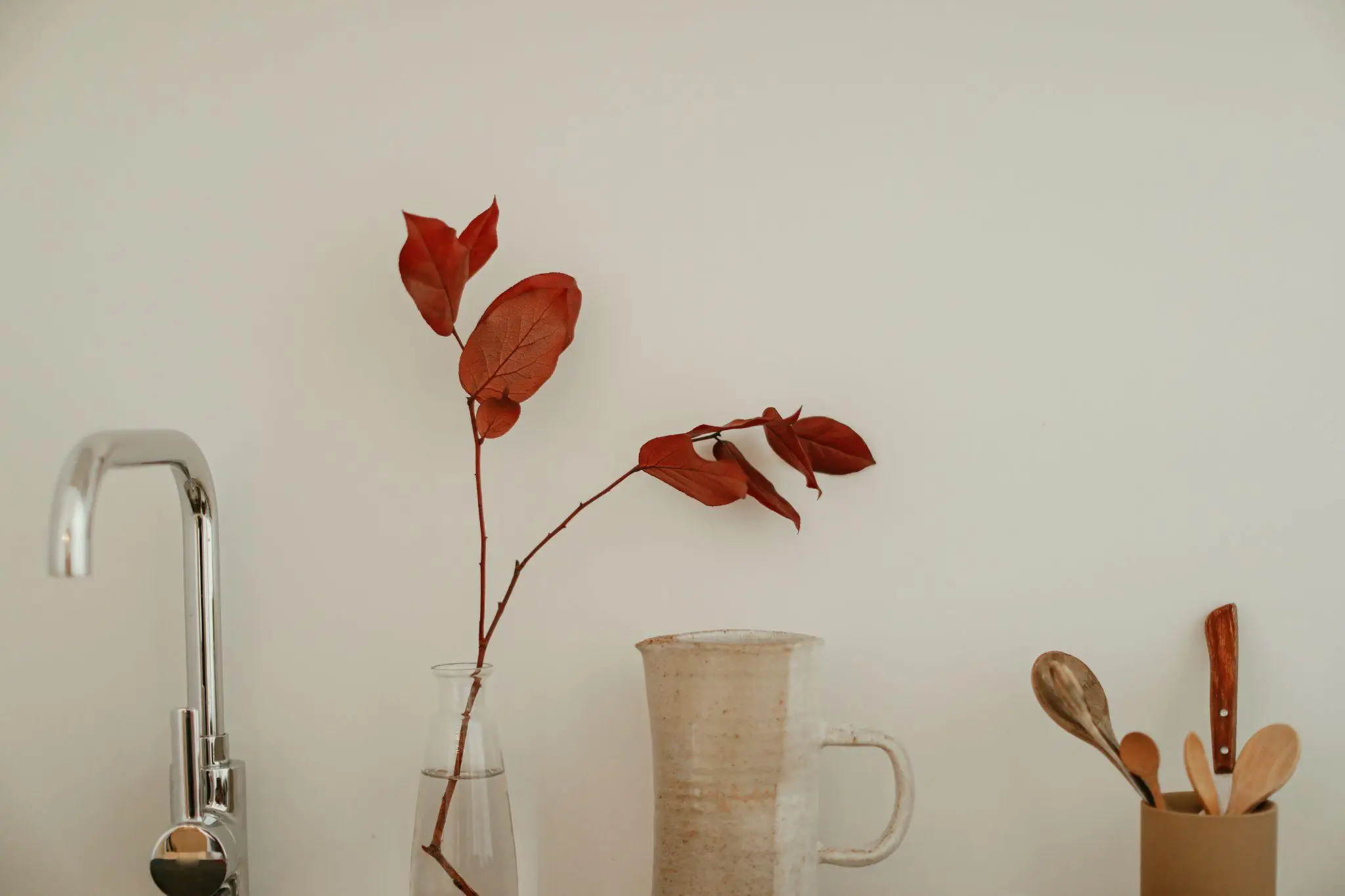
Instead of stark white walls and highly polished surfaces, warm minimalist homes feature natural materials, earthy tones, textured finishes, and stronger connections to the outdoors.
At the same time, architects are increasingly blurring the boundaries between indoor and outdoor living through larger windows, courtyards, patios, and transitional spaces.
The question is why.
The answer may have less to do with architecture itself and more to do with changing cultural attitudes about comfort, identity, and what people want from their homes.
The Limits of Traditional Minimalism
Minimalism originally gained popularity because it offered an alternative to excess.
As consumer culture expanded throughout the late twentieth and early twenty-first centuries, many homeowners were drawn to the idea of owning less and living with greater intention.
Over time, however, the aesthetic became highly standardized.
White interiors, monochromatic color schemes, and furniture with almost invisible detailing became common across magazines, social media feeds, and new residential developments. While visually appealing, these spaces sometimes prioritized appearance over everyday comfort.
For some homeowners, minimalism began to feel less like a lifestyle choice and more like a design formula, and when you see it everywhere, at some point, minimalism is no longer about “less” and becomes more about “none at all.”
Empty, basically.
Warm minimalism can be viewed as a response to that shift. Rather than abandoning simplicity, it introduces more texture, warmth, and individuality into the home.
Why People Are Looking for More Personality in Their Spaces
Architecture often reflects broader social moods.
Today’s homeowners spend much of their lives interacting with digital platforms, curated content, and increasingly standardized experiences.
From mobile apps to online shopping, many aspects of daily life are designed to be seamless and efficient.
While convenience has clear benefits, it can also create a sense of sameness.
This may help explain why many people are gravitating toward homes that feel more personal and grounded.
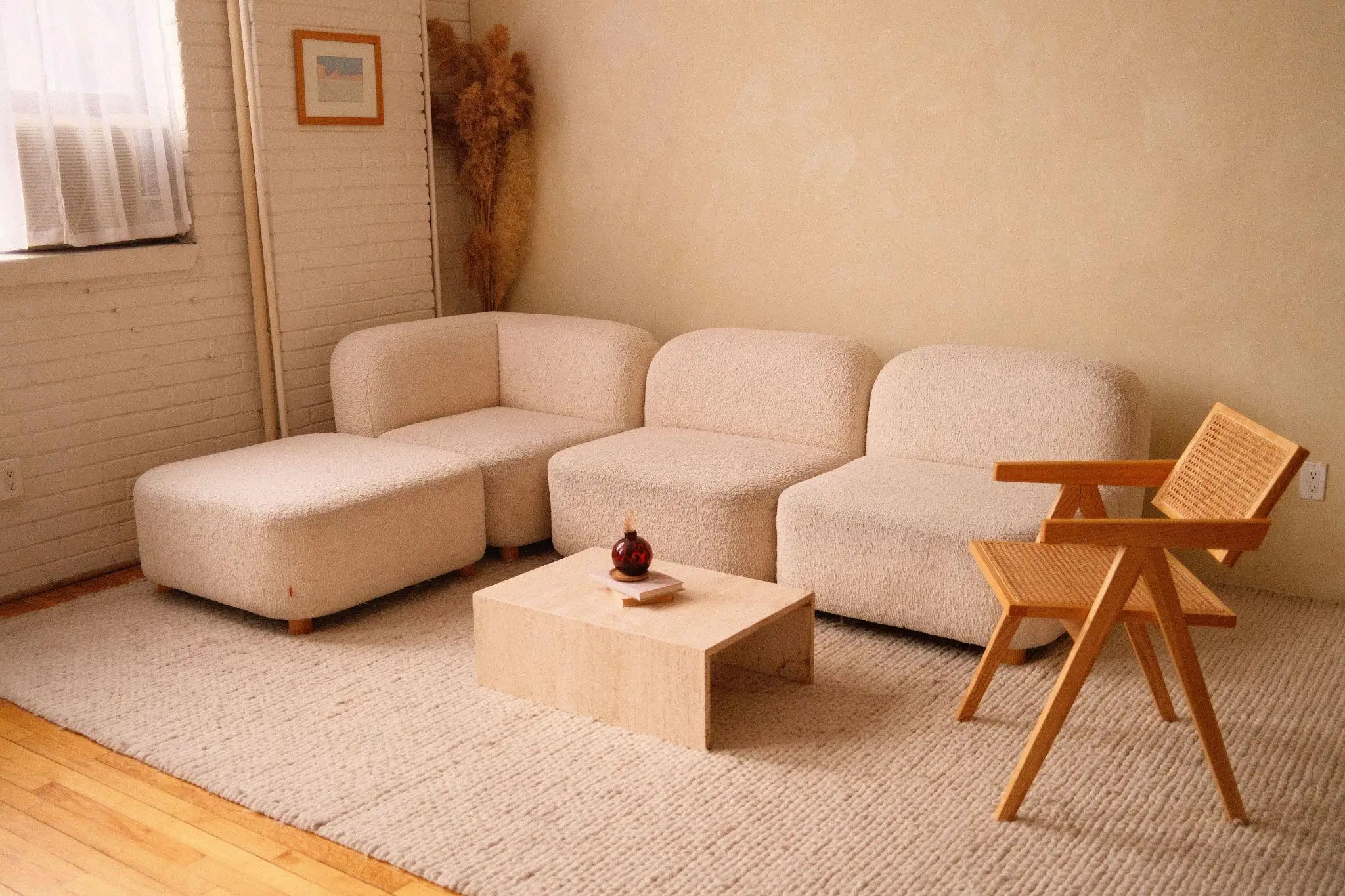
Natural wood, handmade ceramics, vintage furniture, and imperfect finishes bring a sense of character that mass-produced environments often lack.
In some ways, the popularity of warm minimalism reflects a desire to reconnect with things that feel authentic.
People still appreciate clean spaces. They simply want those spaces to feel lived in rather than staged.
There is something quietly reassuring about a home that reveals traces of the people who inhabit it.
A worn wooden table, a collection of books, or a favorite chair by a window can communicate more personality than an entire room designed around perfection.
The Growing Appeal of Indoor-Outdoor Living
The rise of warm minimalism has coincided with another major architectural trend: the integration of indoor and outdoor spaces.
Large glass doors, covered terraces, interior gardens, and open courtyards are becoming increasingly common in both new builds and renovations.
Part of the appeal is practical. Natural light can make spaces feel larger and more inviting. Access to outdoor areas also supports better ventilation and creates additional living space.
But there is also a psychological dimension to it.
Many people spend most of their day indoors, often in front of screens. As a result, homes are increasingly being designed to provide a stronger connection to nature through views, natural materials, and outdoor access.
Rather than treating nature as something separate from the home, architects are finding ways to incorporate it into everyday living.
A Shift Away From Polished Perfection
It would be simplistic to say that warm minimalism is a direct rejection of capitalism. Design trends are rarely driven by a single factor.
However, it is worth noting that many contemporary spaces have become highly optimized and visually refined. Homes are often photographed, shared online, and evaluated through digital platforms where clean aesthetics tend to perform well.
The growing popularity of warm minimalism suggests that some homeowners are looking for balance.
Instead of pursuing perfection, they are embracing spaces that feel more relaxed and personal. They still value simplicity, but they are less concerned with achieving a flawless appearance.
This shift can also be seen in fashion, where consumers increasingly favor natural fabrics, vintage pieces, and clothing that prioritizes comfort over rigid styling.
Across different industries, there appears to be a growing appreciation for character, individuality, and a sense of connection.
What Warm Minimalism Says About the Future of Design
Warm minimalism is not a replacement for minimalism. It is better understood as its next stage.
The movement keeps the clarity and restraint that made minimalism appealing while addressing many of the criticisms that emerged over time.
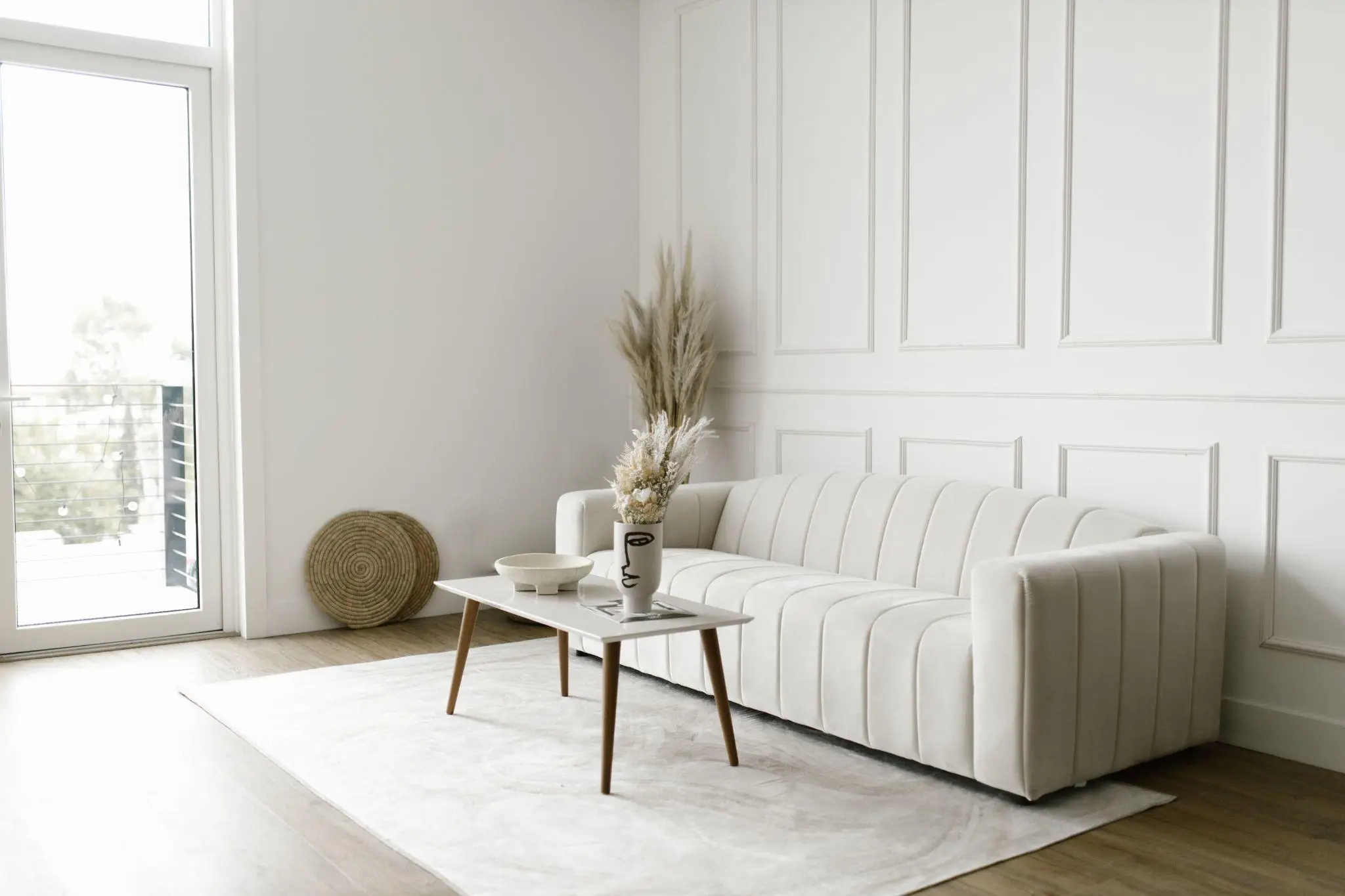
Homes are becoming warmer without becoming cluttered. They are becoming simpler without feeling sterile. Most importantly, they are becoming more responsive to how people actually live.
The trend suggests that homeowners are no longer interested in spaces that look perfect at all times. Instead, they want environments that support daily life, encourage relaxation, and reflect their personalities.
Much like PH Bingo, where the experience is shaped by unique combinations rather than identical outcomes, warm minimalism recognizes that individuality often creates the most memorable results.
In the years ahead, that balance between simplicity and personality may become one of the defining characteristics of residential design.