Warm and Cool Colors Explained: Simple Guide for Every Space
Choosing the right color for a room or design can feel overwhelming when nothing seems to work together.
Understanding warm and cool colors makes the process much simpler and more intentional.
Warm colors bring energy, depth, and comfort. Cool colors create calm, space, and clarity. Knowing the difference changes how you see every color decision.
Keep reading to learn what sets warm and cool colors apart, how each one behaves in different spaces, and how to use them together without getting it wrong.
Warm and Cool Colors on the Color Wheel
Warm and cool colors sit on opposite sides of the color wheel.
Warm colors usually include red, orange, and yellow tones. Cool colors usually include blue, green, and purple tones.
A simple way to read the wheel is to imagine it split in half.
One side feels warmer because it is linked to the sun, fire, and heat. The other side feels cooler because it is linked to water, sky, and shade.
Colors near the middle, like yellow-green or red-purple, can feel warm or cool depending on nearby colors.
What Is a Warm Color?
Warm colors are hues that evoke the feeling of heat, sunlight, and fire. They sit on one side of the color wheel and include red, orange, and yellow, along with variations like coral, amber, and gold.
These shades naturally draw the eye and create a sense of warmth, energy, and comfort in any space.
Used on walls, furniture, or accents, they have a powerful effect on how a room looks and feels.
Core Warm Colors

Each warm color carries its own mood and works differently depending on where it is used.
| Color | Character | Associations |
|---|---|---|
| Red | Intense, commands attention | Passion, love, energy |
| Orange | Warm, bright, and inviting | Enthusiasm, activity |
| Yellow | Closest to sunlight | Cheerful, optimistic |
| Coral | Softer than red | Playfulness, friendliness |
| Peach | Muted, between orange and pink | Softness, calm |
| Amber | Deep with a burnt orange tone | Coziness, earthiness |
| Gold | Luminous and rich | Luxury, confidence |
| Scarlet | Sharper than red | Drama, boldness |
Characteristics of Warm Colors
Warm colors remain a powerful choice for creating energy, depth, and visual interest in any space or design.
- Visual Advancement: Warm colors appear closer than they actually are, making walls feel like they are moving toward you.
- High Stimulation: These shades raise the perceived energy of a space, with red linked to increased heart rate and appetite.
- High Visibility: Warm colors are the easiest to spot against a neutral background, making them natural focal points.
- Undertone Sensitivity: A red with orange undertones reads more aggressive, while blue undertones make the same red feel deeper and calmer.
What Is a Cool Color?
Cool colors are hues that evoke the feeling of water, sky, and nature.
They sit on the opposite side of the color wheel from warm tones and include blue, green, and purple, along with variations like teal, mint, and lavender.
These shades naturally calm the eye and create a sense of peace, space, and clarity in any room.
Core Cool Colors

Each cool color carries its own mood and works differently depending on where it is used.
| Color | Character | Associations |
|---|---|---|
| Blue | Most calming cool hue, commands stillness | Trust, peace, depth |
| Green | Balanced and natural | Growth, harmony, calm |
| Purple | Rich and contemplative | Creativity, luxury, mystery |
| Teal | Bold, between blue and green | Freshness, confidence |
| Mint | Light and airy | Calm, cleanliness |
| Lavender | Soft and muted purple | Tranquility, softness |
| Navy | Deep and structured | Sophistication, stability |
| Sage | Muted, earthy green tone | Balance, naturalness |
Characteristics of Cool Colors
Cool colors remain a powerful choice for creating calm, depth, and visual breathing room in any space or design.
- Visual Recession: Cool colors appear farther away than they actually are, making walls feel as if they are pulling back and opening up the space.
- Low Stimulation: These shades lower the perceived energy of a space, making them a natural choice for bedrooms and relaxation areas.
- Subtle Visibility: Cool colors recede against neutral backgrounds, creating a softer and more understated visual effect.
- Undertone Sensitivity: A blue with green undertones feels fresher and lighter, while purple undertones make the same blue feel deeper and moodier.
How Are Warm and Cool Colors Perceived?
The way colors advance or recede depends on how the brain processes visual information.
Warm hues reflect more light toward the eye and connect to active, energetic elements in nature, pushing them forward visually.
Cool hues link to distant, still elements and naturally recede into the background, creating depth and space.
Brightness sharpens both effects. A bright warm color can dominate an entire composition, while a bright cool color can make a space feel open and expansive.
Color temperature is never fixed; both warm and cool hues shift noticeably depending on the surrounding colors.
Interesting fact: The brain processes warm colors faster than cool ones, which is why red and yellow dominate warning signs and fast food branding. Cool colors do the opposite, lowering heart rate and reducing stress, making them a common choice in hospitals.
Warm vs Cool Neutrals

Neutrals are rarely as neutral as they appear. Every shade carries an undertone that pulls it toward warm or cool.
Read the table below to see how they differ:
| Factor | Warm Neutrals | Cool Neutrals | Key Difference |
|---|---|---|---|
| Undertones | Yellow, orange, red | Blue, green, purple | Warm pulls forward, cool recedes |
| Shades | Creamy White, Pale Ivory, Light Sandy Beige, Medium Tan, Warm Taupe | Cool White, Light Stone, Medium Ash Grey, Slate Grey, Deep Charcoal | Warm feels earthy, cool feels crisp |
| Mood | Cozy and approachable | Clean and structured | Warm invites, cool clarifies |
| Light Behavior | Absorbs light softly | Reflects light crisply | Warm dulls light, cool sharpens it |
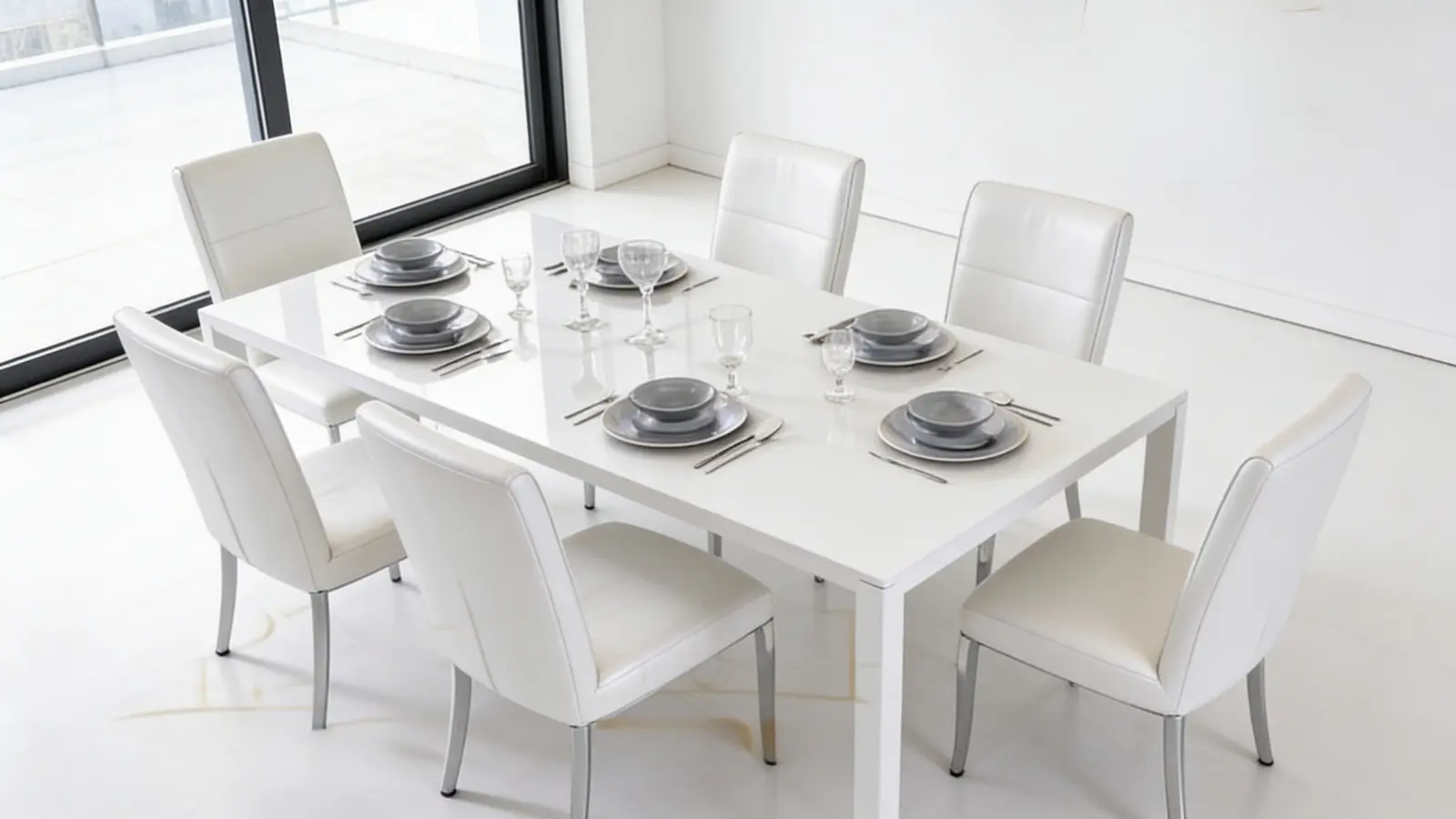
| Works Best With | Natural wood, earthy tones | Metals, glass, minimal palettes | Warm suits organic, cool suits modern |
| Visual Effect | Makes spaces feel smaller and cozier | Makes spaces feel larger and airier | Warm contracts a room, cool expands it |
Quick Tip: Hold any neutral against a pure white. If it reads yellow, pink, or orange, it is warm. If it reads blue, green, or purple, it is cool.
Using Warm and Cool Colors Together

When warm and cool colors share the same space, they create contrast that makes each color feel stronger.
This mix helps guide the eye across a design instead of letting it stay in one spot. You can use this idea in accent walls, artwork, branding, outfits, product photos, and seasonal decor.
A warm shade can make a cool background feel sharper, while a cool shade can balance a warm room or design.
The key is to use one temperature as the main color and the other as the accent. That keeps the mix clear, balanced, and easy to look at.
Warm and Cool Colors in Interior Design
The right color temperature can completely change how a room looks and feels.
Read the table below to see which works best in each space.
| Room | Warm Colors | Cool Colors | Best Choice |
|---|---|---|---|
| Living Room | Creates warmth and encourages conversation | Feels open and relaxed | Warm for cozy spaces, cool for larger rooms |
| Bedroom | Feels intimate but can overstimulate | Promotes calm and better sleep | Cool tones work best |
| Kitchen | Stimulates appetite and energy | Feels clean and fresh | Warm for dining kitchens, cool for modern ones |
| Bathroom | Adds warmth to smaller spaces | Creates a spa-like, clean feel | Cool tones suit most bathrooms |
| Home Office | Can feel distracting over long periods | Improves focus and reduces stress | Cool tones work best |
| Dining Room | Encourages appetite and social energy | Can feel too detached | Warm tones work best |
How Does Lighting Affect Warm and Cool Colors?
Lighting can change how warm and cool colors look in a room or design.
Natural daylight usually shows colors more clearly, while artificial light can shift them toward warmer or cooler tones.
Warm bulbs can make reds, oranges, yellows, and creams feel stronger. Cool bulbs can make blues, greens, grays, and whites look sharper.
This is why the same paint, fabric, or decor piece can look different in the morning, afternoon, and evening. Always check colors under the light where they will be used before making a final choice.
Pro Tip: View colors at the same time of day you’ll use the space most. A living room color may need evening lamp testing, while an office color may need a daylight check.
Common Mistakes When Using Warm and Cool Colors
Warm and cool colors are easy to get right once you know what to avoid.
- Mixing too many temperatures without a dominant one makes the space feel unresolved.
- Ignoring undertones in neutrals causes colors that should complement each other to clash.
- Testing paint only in artificial light gives an inaccurate reading of the true color.
- Using warm colors in small, dark rooms makes the space feel heavier and smaller.
- Pairing two equally strong warm and cool tones without a neutral creates tension.
- Choosing color temperature based on trend rather than the room’s purpose and light.
Testing colors in real lighting conditions and considering undertones from the start makes the result far more intentional.
Conclusion
Mastering warm and cool colors can completely change how you experience a room or design.
Warm hues bring energy, intimacy, and vibrancy, while cool tones create calm, spaciousness, and clarity.
Understanding how each behaves in relation to lighting, undertones, and surrounding elements takes the guesswork out of decorating or designing. Mixing temperatures wisely can highlight features, guide attention, and balance moods in any space.
Small shifts can make a big difference, whether on walls, furniture, or accents. Start with one room, observe the effect, and adjust as needed.
Have you tried using warm and cool colors in your home or projects? Share your experience or favorite color combos in the comments below.
Frequently Asked Questions
Can a Color Be Both Warm and Cool at the Same Time?
Yes. Some colors like purple and green shift between warm and cool depending on their undertones, making them versatile enough to work with both palettes.
Does Color Temperature Affect How Big or Small a Room Feels?
Yes. Warm colors make walls feel closer, and spaces feel smaller, while cool colors push walls back visually and make rooms feel more open and airy.
Can you Use Warm and Cool Colors in the Same Outfit?
Yes. The key is to let one temperature dominate and use the other as an accent, such as a warm top paired with cool grey trousers.