Wallpaper vs Paint: Which Is Right for Your Home?
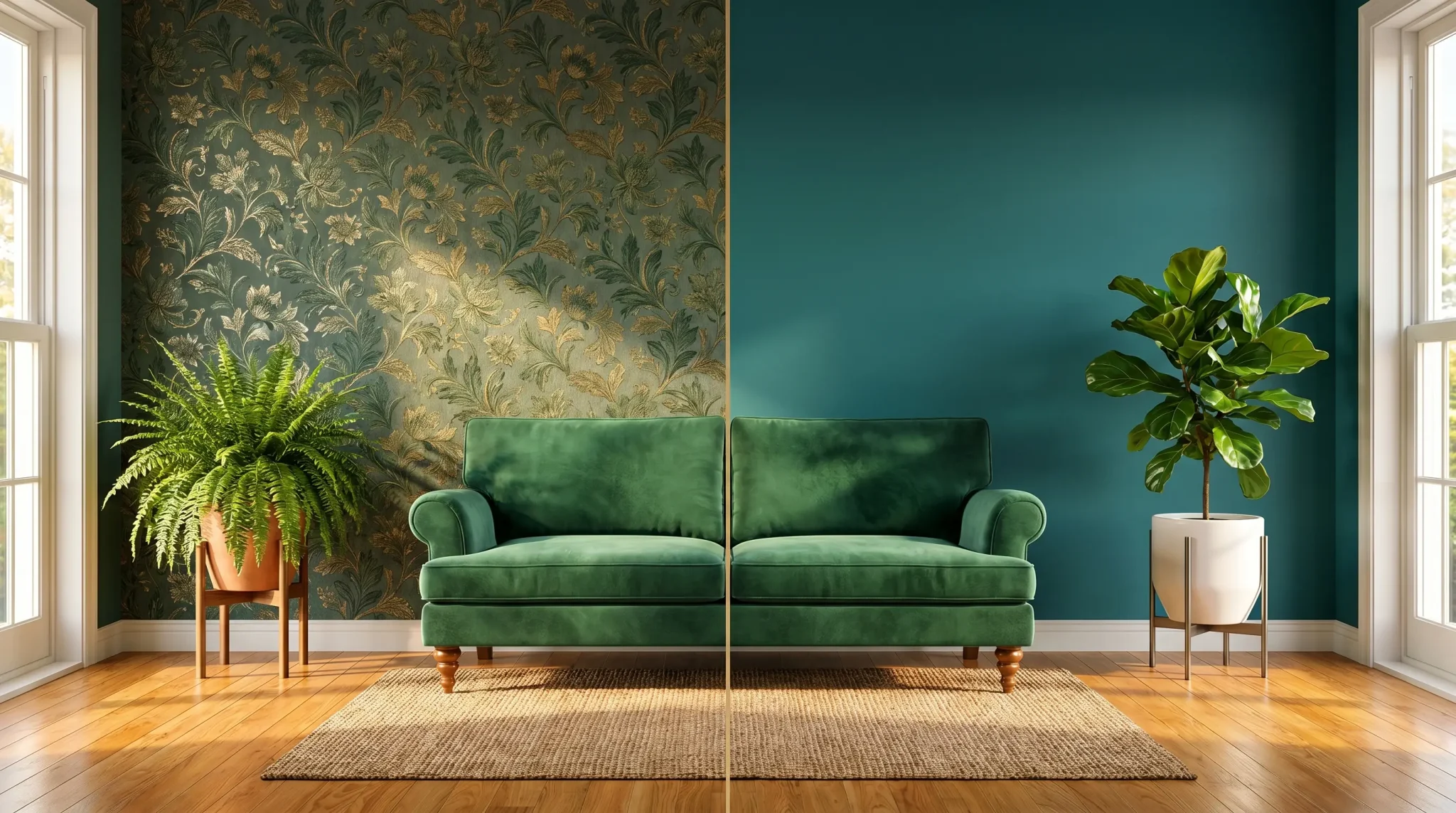
Choosing between wallpaper and paint is a big decision. The right pick depends on your budget, your style, and how long you want the look to last. Paint is simpler and cheaper upfront, while wallpaper adds texture, pattern, and a level of personality that flat color just cannot match. If you are drawn to rich designs and timeless patterns, browsing collections like William Morris Wallpaper can help you see what a well-chosen wallpaper can do for a space. Our guide breaks down the real pros, cons, and costs of each option so you can decide with confidence.
Cost Comparison
Initial costs often tip the scales toward paint, but the full picture requires more nuance.
Paint costs:
- Interior paint averages $30 to $60 per gallon
- One gallon covers approximately 400 square feet with two coats
- Basic supplies (brushes, rollers, tape) run $50 to $100
Wallpaper costs:
- Quality wallpaper ranges from $30 to $100 per roll
- Each roll covers about 56 square feet
- Professional installation adds $25 to $50 per roll
Paint wins on upfront materials, but wallpaper can offer better long-term value. A well-installed wallpaper job lasts 15 to 25 years, while paint typically needs refreshing every 5 to 7 years. When you factor in the labor costs of repainting two or three times during wallpaper’s lifespan, the price gap narrows considerably.
Higher-end designer wallpapers can run $100 to $500 per roll, making them pricier than most paints. However, these premium options often feature intricate patterns and superior materials that paint simply cannot replicate.
Durability
Modern wallpapers generally outperform paint when it comes to endurance.
Scrubbable and washable wallpaper varieties exist specifically for high-traffic areas. These vinyl-coated options handle scuffs, marks, and occasional cleaning without showing wear. Paint, even in eggshell or satin finishes, will eventually chip, scratch, or fade under similar conditions.
Moisture resistance varies by product type. Bathrooms and kitchens benefit from specific wallpaper formulations designed to handle humidity. Standard latex paint handles moisture reasonably well but can peel if applied improperly or in consistently damp environments.
Paint scores points for touch-up ease. Small nicks and scuffs blend seamlessly when you have leftover paint stored away. Wallpaper damage often requires patching the exact pattern, which can be challenging if your design has been discontinued.
Ease of Application
Painting requires minimal skill and equipment. Most people can achieve professional-looking results with some patience and proper prep work. The learning curve is gentle, and mistakes can be corrected quickly.
Wallpaper demands precision. Pattern matching, seam placement, and adhesive application all require practice or professional help. DIY wallpaper attempts often end with visible seams, air bubbles, or misaligned patterns.
That said, removable or peel-and-stick wallpapers have changed the game. These beginner-friendly options adhere without paste and peel off without damaging walls. They represent a middle ground between traditional wallpaper and paint for renters or first-time decorators.
Professional installation costs for wallpaper typically run between $1.50 and $4.00 per square foot, adding significant expense to the project. Painters charge less per room, making the labor gap substantial.
Design and Visual Impact
Wallpaper dominates this category for those seeking drama and personality.
The range of patterns, textures, and textures available in wallpaper is virtually unlimited. From delicate florals to bold geometric prints, from grasscloth texture to metallic finishes, wallpaper offers visual depth that paint cannot match. Dimensional quality catches light differently throughout the day, adding life to walls.
Paint provides versatility through color but limited texture options. Faux finishes like rag rolling, sponging, or stippling exist but require significant skill to execute well.
Accent walls shine with either medium, though wallpaper makes a more striking statement. A single wallpapered wall often provides more impact than a bold paint color in the same location.
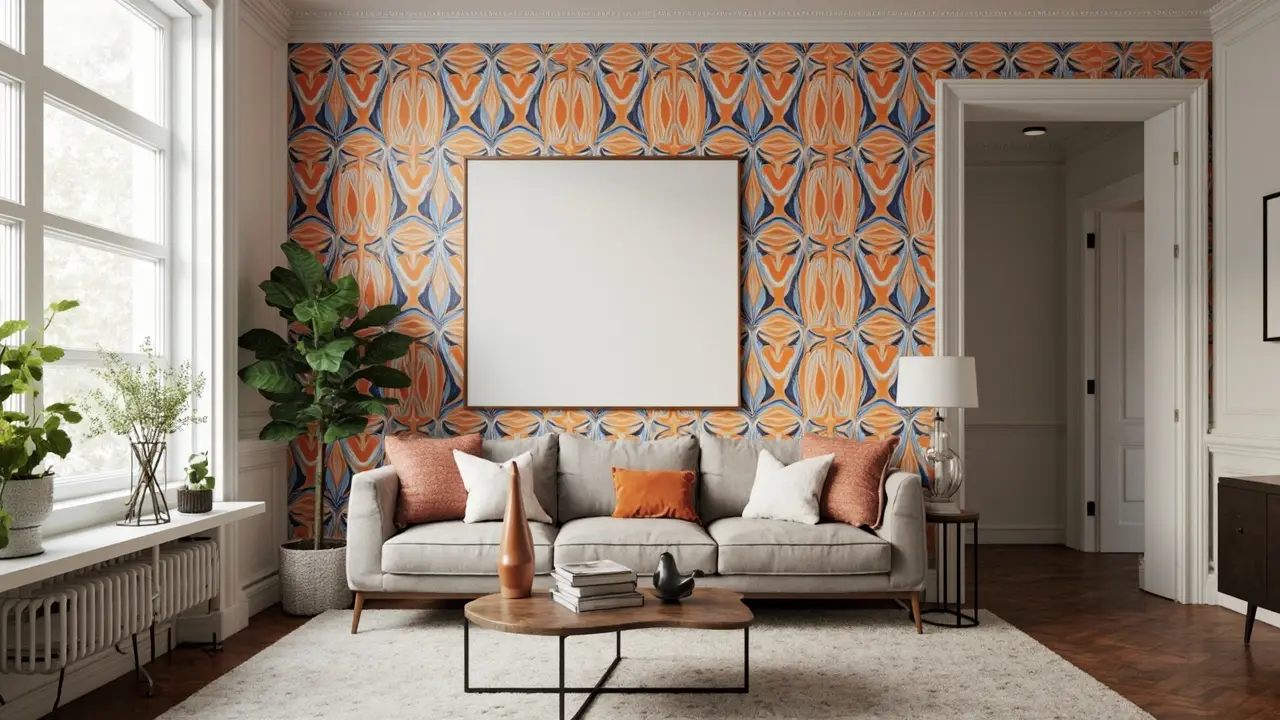
Customization possibilities favor paint. Creating unique colors through mixing, or achieving specific effects through layering, gives paint lovers creative freedom. Wallpaper patterns, while numerous, are predetermined by manufacturers.
Ease of Change and Removal
Paint ranks supreme for those who love to refresh their spaces frequently. A weekend project transforms a room entirely, and color changes come relatively inexpensively.
Traditional wallpaper removal gets a bad reputation. Steamers, scoring tools, and chemical removers have historically made the process unpleasant. However, modern wallpapers—especially those installed in the past two decades—often strip more easily than their predecessors.
Peel-and-stick wallpapers solve the removal problem entirely. They release without water, steam, or chemicals, leaving walls clean for the next treatment. These workhorses have become go-to options for anyone hesitant about commitment.
Suitability for Different Rooms
Certain spaces favor one treatment over the other.
Paint works best in:
- Children’s rooms, where changes come frequently as kids grow
- Kitchens, where grease and splatters require frequent cleaning
- Bathrooms with good ventilation, where latex paint performs well
- Any room where you desire simple, frequent color updates
Wallpaper excels in:
- Formal living rooms and dining spaces where design impact matters
- Bedrooms, especially master suites, adding texture and sophistication
- Hallways and staircases, which benefit from durable, scuff-resistant surfaces
- Statement features like fireplace surrounds or built-in bookcases
High-humidity environments require careful product selection for wallpaper. Bathroom-grade papers handle moisture, while standard options may peel or mold in poorly ventilated spaces.
Resale Value
Neither wallpaper nor paint automatically adds resale value, but the impact of each varies.
dated wallpaper can deter buyers, potentially lowering offers or extending time on market. Conversely, tastefully applied, contemporary wallpaper can enhance perceived value and make spaces memorable.
Neutral, fresh paint almost universally appeals to buyers. It suggests care and allows prospective homeowners to envision their own color choices easily. Paint-friendly walls give buyers a blank canvas they often crave.
If your home features wallpaper in excellent condition, in current or timeless patterns, it generally poses no problem. Outdated patterns in poor condition represent a liability that buyers may factor into their offers.
Environmental Impact
Sustainability-conscious homeowners have valid concerns about both options.
Modern paints have largely moved away from high-VOC formulas. Zero-VOC and low-VOC options are widely available, making paint a safer choice for indoor air quality during application and afterward. Disposal of unused paint requires proper recycling rather than landfill dumping.
Wallpaper production varies widely in environmental impact. Natural fiber papers like grasscloth and bamboo offer sustainable alternatives to vinyl. Some manufacturers now offer recycled content options. However, adhesives and removal processes involving chemicals present environmental considerations.
Neither option ranks as clearly greener than the other. Product-by-product evaluation, considering manufacturing processes, materials, longevity, and disposal, provides the most accurate assessment.
Common Misconceptions
Misinformation keeps homeowners stuck.
“Wallpaper damages walls.” Not necessarily. When properly installed with appropriate adhesive, wallpaper removes cleanly from most surfaces. Renting a steamer or using removal solutions makes the process manageable. Peel-and-stick options leave no residue whatsoever.
“Paint is always cheaper.” The total cost of ownership tells a different story. Repeated repainting over 20 years, including materials and labor, often exceeds the cost of a single quality wallpaper installation.
“Wallpaper is outdated.” Nothing could be further from current trends. Wallpaper has experienced sustained popularity, with designers regularly specifying bold patterns for high-impact spaces. Contemporary prints, metallics, and textured options keep wallpaper relevant and fresh.
“Paint is easier to maintain.” Washable wallpapers require only a damp cloth for most cleaning. Professional cleaning becomes necessary only for stubborn stains. Paint shows marks more readily and may require touch-ups or full repainting for damage.
Which Should You Choose?
Choose paint if:
- You rent your home
- You love changing colors frequently
- You have a tight budget for materials
- You’re working with children’s rooms that will need updating
- You’re comfortable with DIY projects
- You prefer subtle, color-driven design
Choose wallpaper if:
- You want distinctive, pattern-driven design
- Your walls have imperfections that wallpaper conceals better
- You seek long-term wall treatment (10+ years)
- You appreciate textured, dimensional surfaces
- You’re decorating formal spaces where impact matters
- You want to differentiate your home from builder-standard finishes
Many homes benefit from both. An entryway with bold wallpaper, primary living areas in sophisticated paint, and a nursery with playful paper create a cohesive yet varied environment.
Frequently Asked Questions
Is Wallpaper Harder to Remove Than Paint?
Modern wallpapers remove more easily than older varieties. Peel-and-stick papers release without tools. Traditional papers require soaking with a steamer or removal solution, but the process typically takes a few hours rather than days.
How Long Does Wallpaper Last Compared to Paint?
Quality wallpaper lasts 15 to 25 years with proper installation. Paint generally requires refreshment every 5 to 7 years in average-use rooms. The longevity difference makes wallpaper competitive in total cost despite higher initial investment.
Can I Apply Wallpaper Over Paint?
Yes, with preparation. Walls must be clean, dry, and lightly sanded to help adhesive bond. A wallpaper primer specifically designed for painted surfaces ensures better adhesion. Complete removal of paint is not necessary, but proper priming is essential.
Does Wallpaper Increase Home Value?
Tasteful wallpaper can enhance buyer appeal and perceived value, particularly in formal spaces. Outdated or poorly installed wallpaper may deter buyers. Neutral, contemporary wallpaper in moderation generally adds interest without alienating potential purchasers.
What Rooms Should Never Have Wallpaper?
Steam-prone bathrooms without proper ventilation risk wallpaper damage from humidity. Kitchens near cooking areas accumulate grease that damages most wallpaper. Children’s rooms requiring frequent updates benefit more from paint’s flexibility.
Can I Paint Over Wallpaper?
Technically yes, but it’s not recommended. Paper seams may show through paint. Textured wallpaper creates an uneven surface. Any wallpaper bubbling or peeling will worsen under paint. Removal before painting produces the best results.