20 Types of Tables: A Simple Guide to Choose Right
Walk into any room and you’ll almost always find a table doing some kind of work. It might hold your morning coffee, support your laptop, or bring people together for meals.
But not all tables are the same. There are many types of tables, and each one is built for a different purpose, space, and way of use.
That’s where things can get confusing. This guide breaks it down in a simple way so you can understand how tables differ and what actually matters when choosing one for your home.
Table Ideas to Match Every Space and Need
This section helps you understand different table types based on use and space. It makes it easier to match the right table with your needs and layout.
Common Types of Tables Based on Use
These are the most commonly used tables in daily life. Each one is designed for a specific purpose and function:
1. Coffee Table
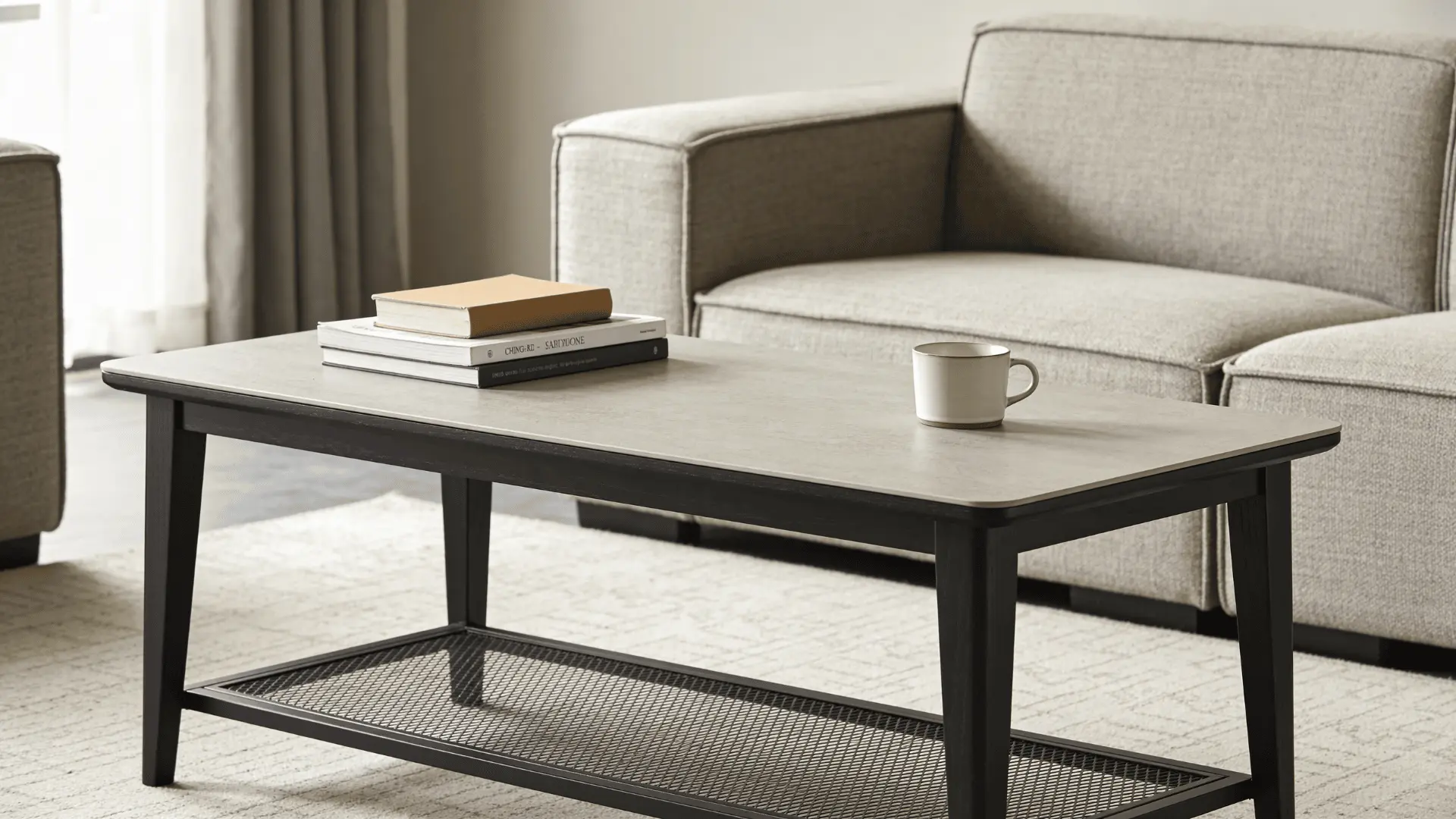
A coffee table is placed in front of a sofa and is lower in height for easy access while sitting. It is used to hold drinks, books, or small decor items.
Its main purpose is convenience and comfort, helping keep everyday items within reach in a relaxed living room setting.
2. Accent Table
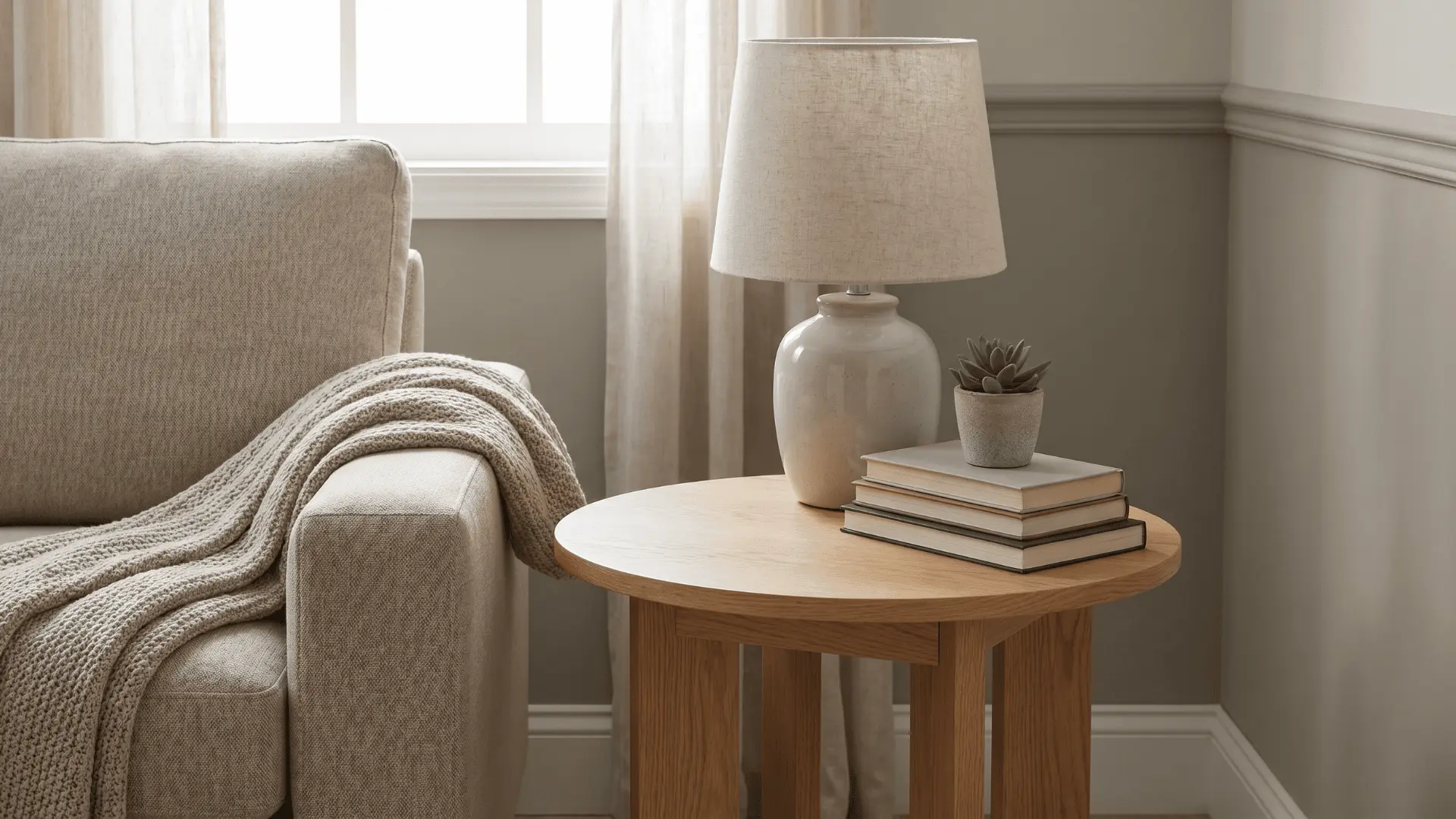
Accent tables are small decorative tables used to enhance a room’s look while still being functional. They can be placed beside seating or in corners to hold lamps, decor, or small items.
Unlike basic side tables, accent tables focus more on style while still offering light everyday use. They are often chosen to match interior themes or add visual interest.
3. Console Table
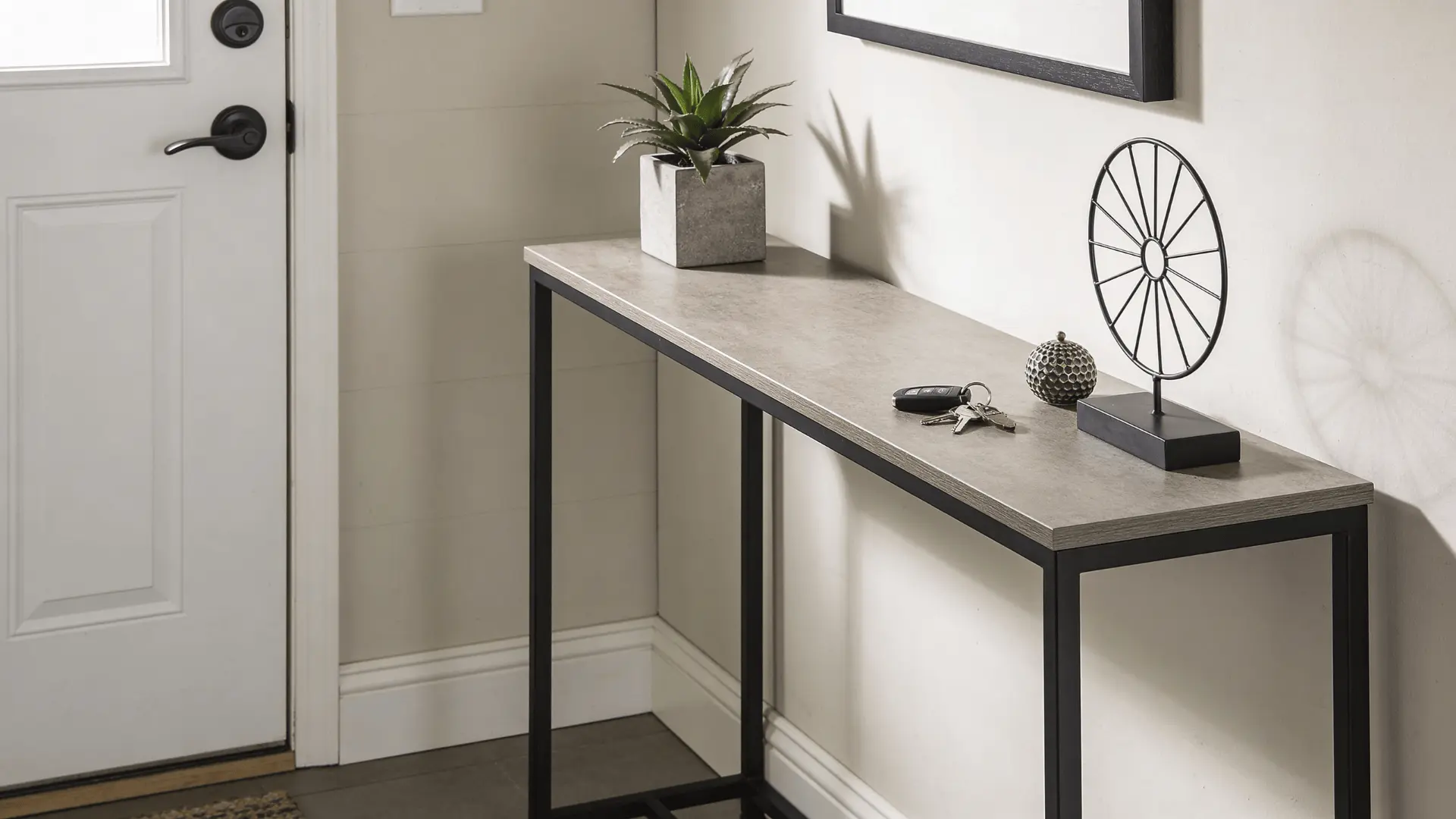
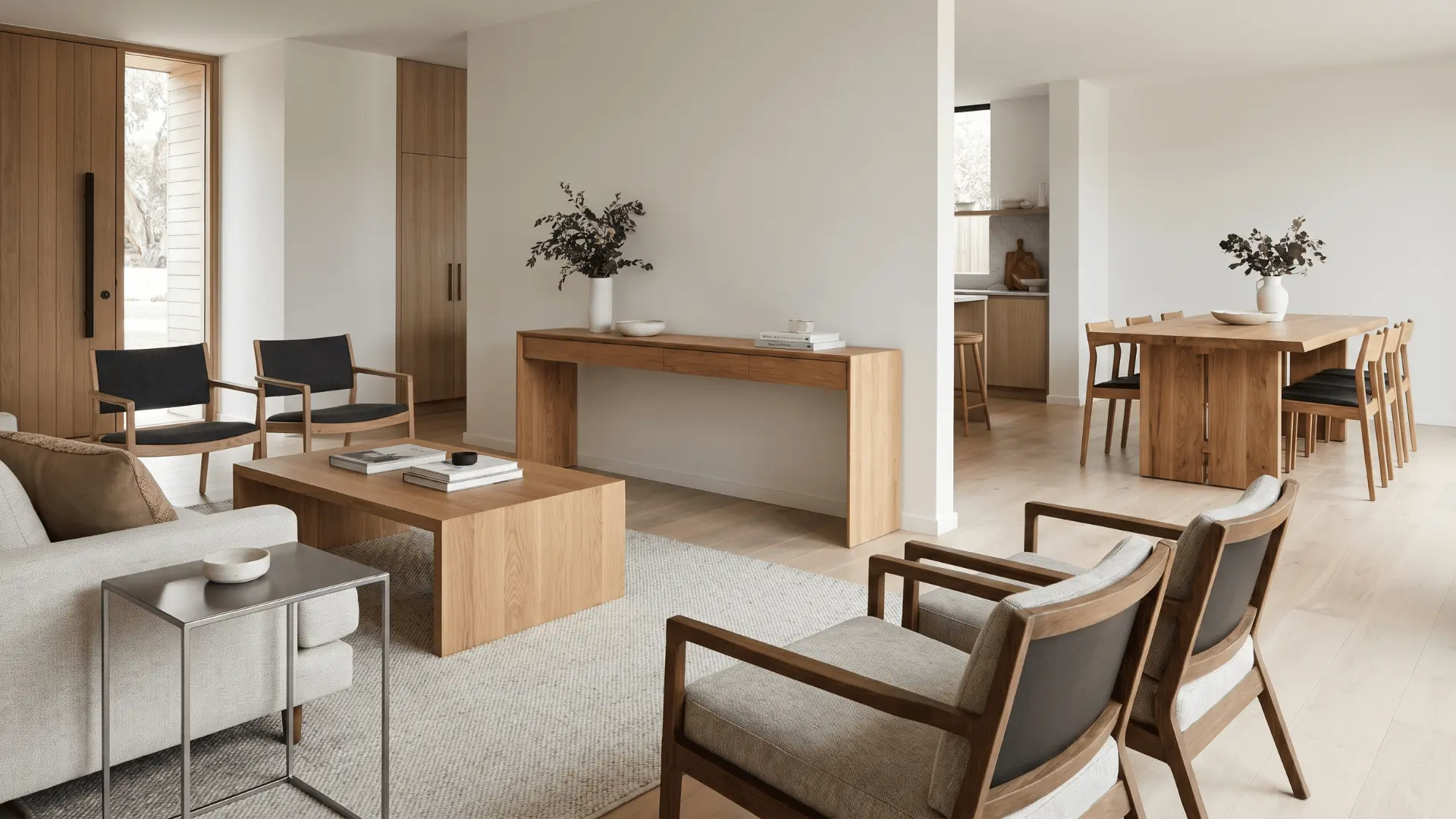
A console table is a narrow table placed against a wall, often in entryways or hallways. It is used for decor, storage, or holding small daily items like keys.
Its slim structure makes it perfect for tight spaces where larger tables would not fit comfortably.
4. Study or Work Table
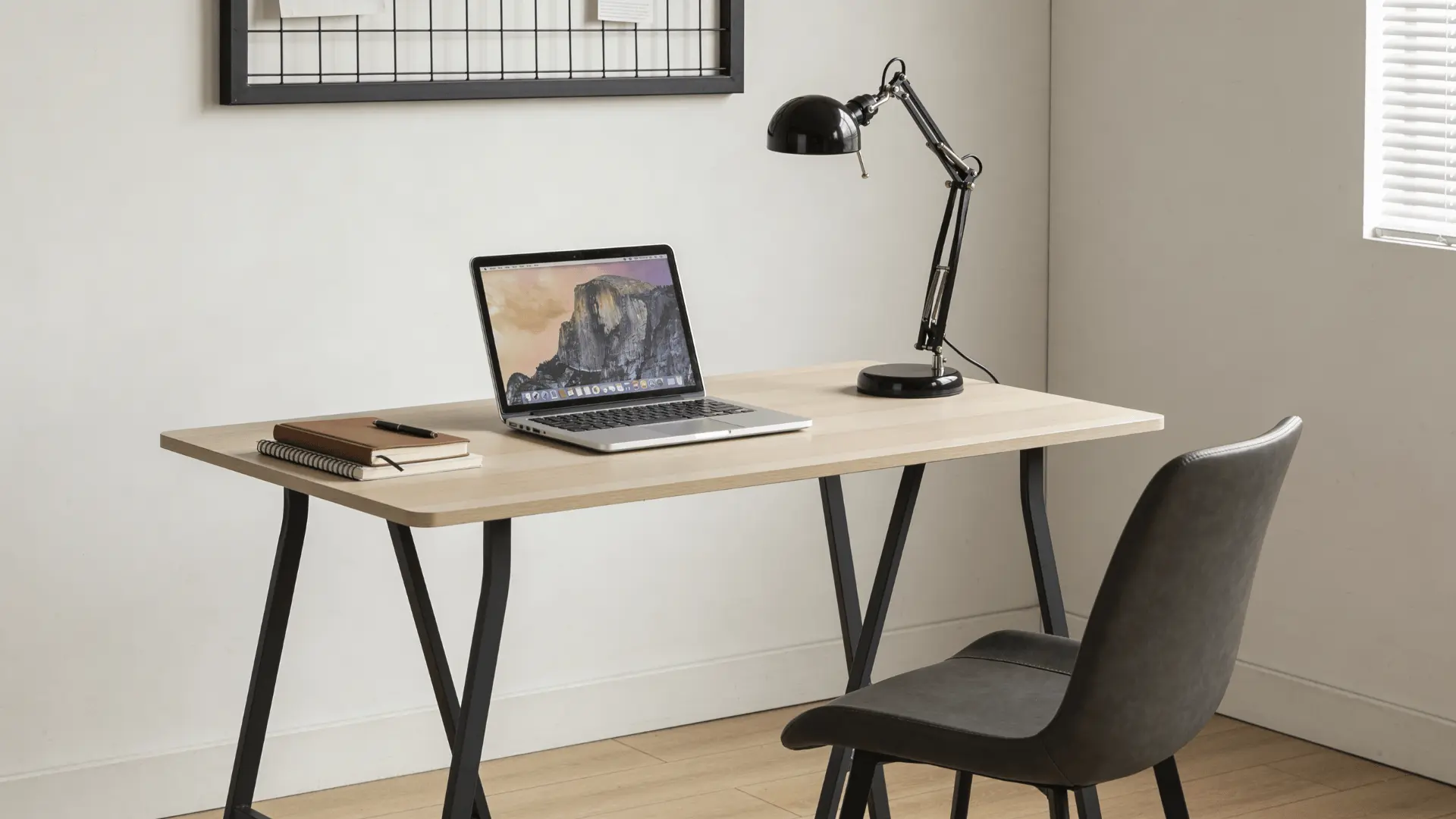
A study or work table is designed for focused tasks like reading, writing, or working on a laptop. It is usually placed in a study room, bedroom, or home office.
It offers enough surface space to keep essentials organized. Its main role is to provide comfort and support during longer periods of use without causing strain.
5. Picnic Table
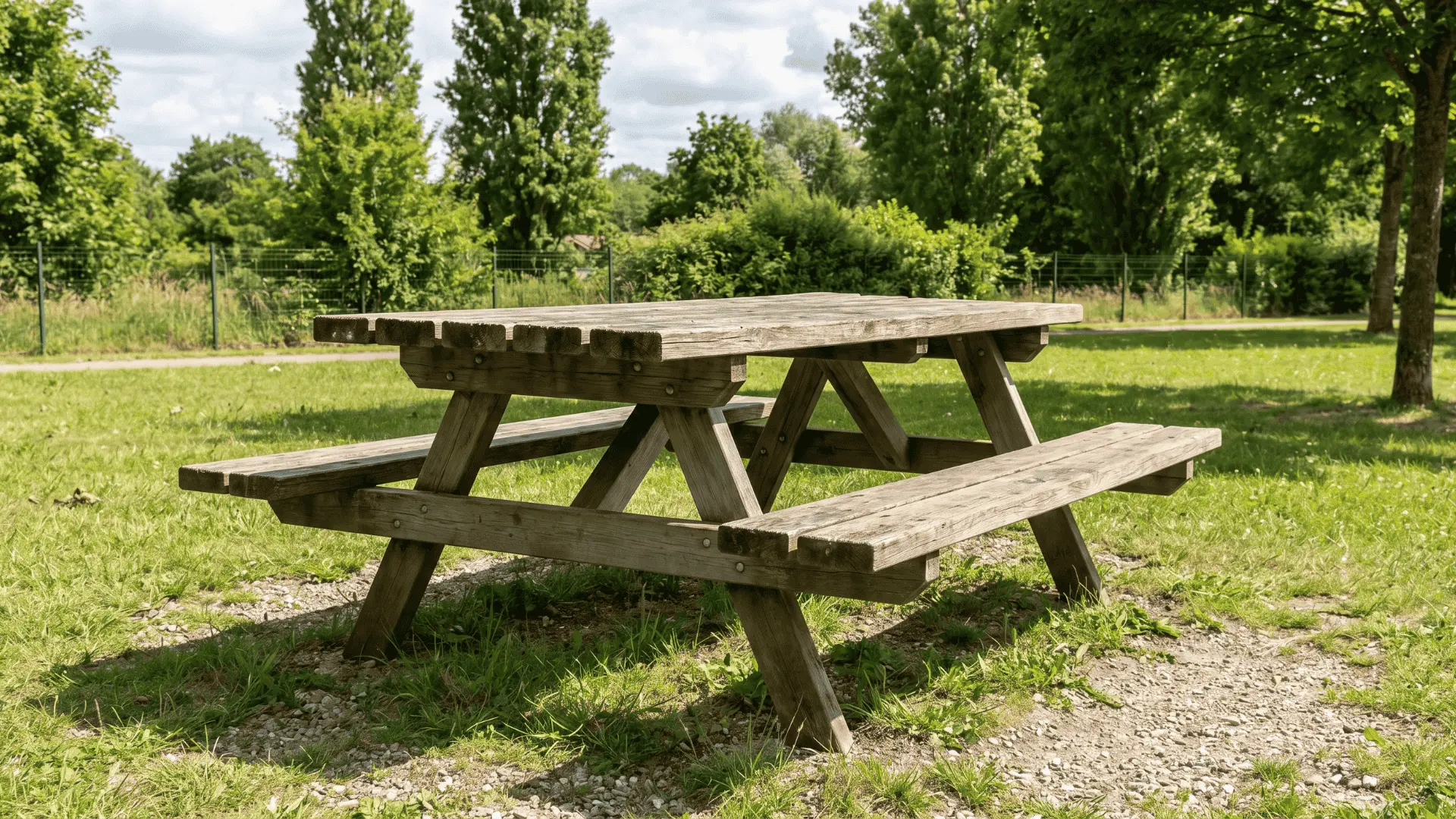
A picnic table is a fixed outdoor table with attached benches, commonly used in backyards, parks, or patios.
It is built for group seating and casual outdoor meals. Its sturdy structure and simple design make it practical for regular outdoor use.
Types of Tables Based on Design and Structure
These tables are grouped by how they are built and function. They focus on flexibility, storage, and space-saving features.
6. Nesting Tables
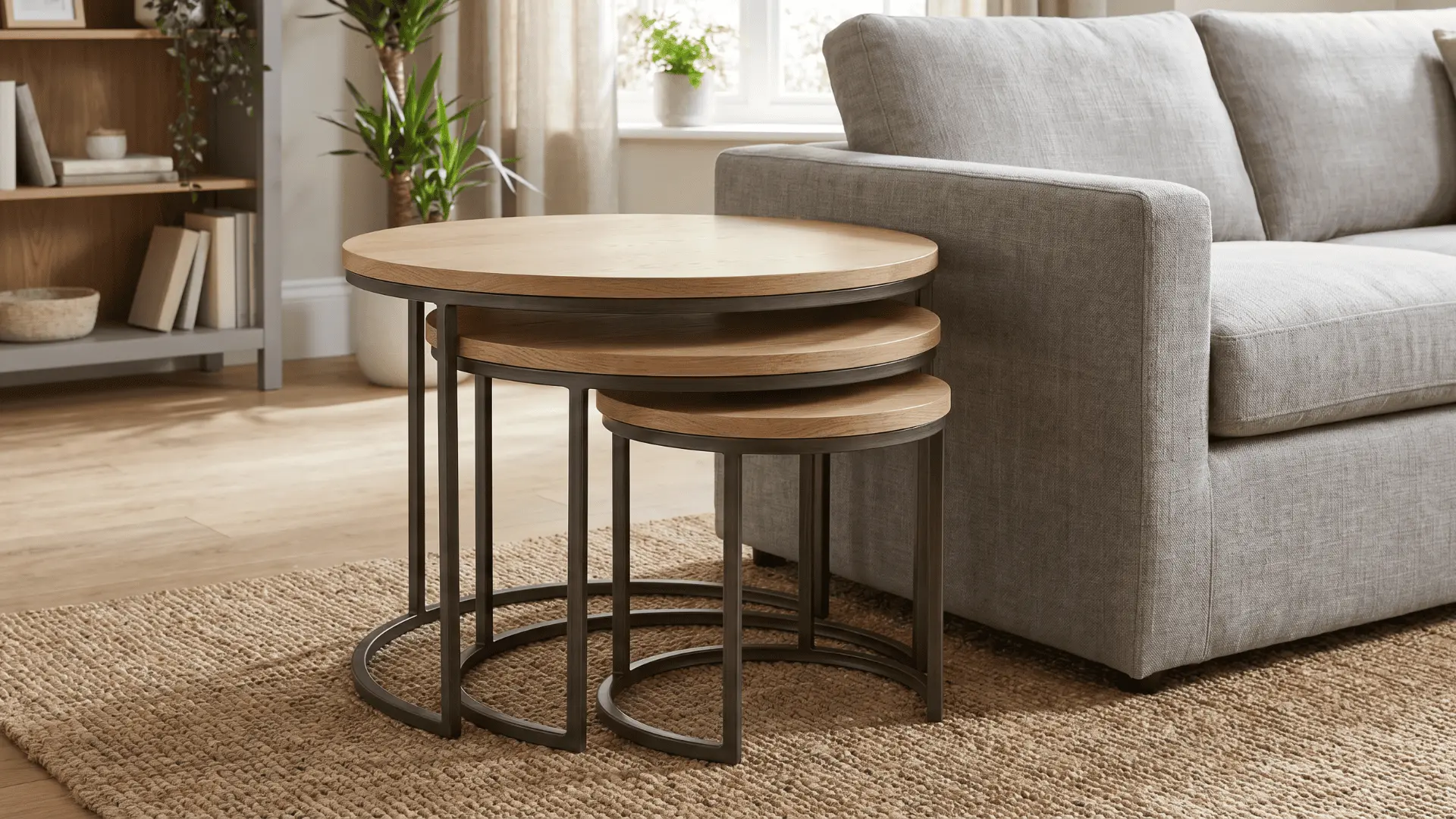
Nesting tables come as a set of two or more tables that fit neatly under each other. You can separate them when extra surface space is needed and slide them back to save space.
This flexible design makes them ideal for small rooms. They help you adjust your setup easily without permanently using more floor space.
7. Drop-Leaf Tables
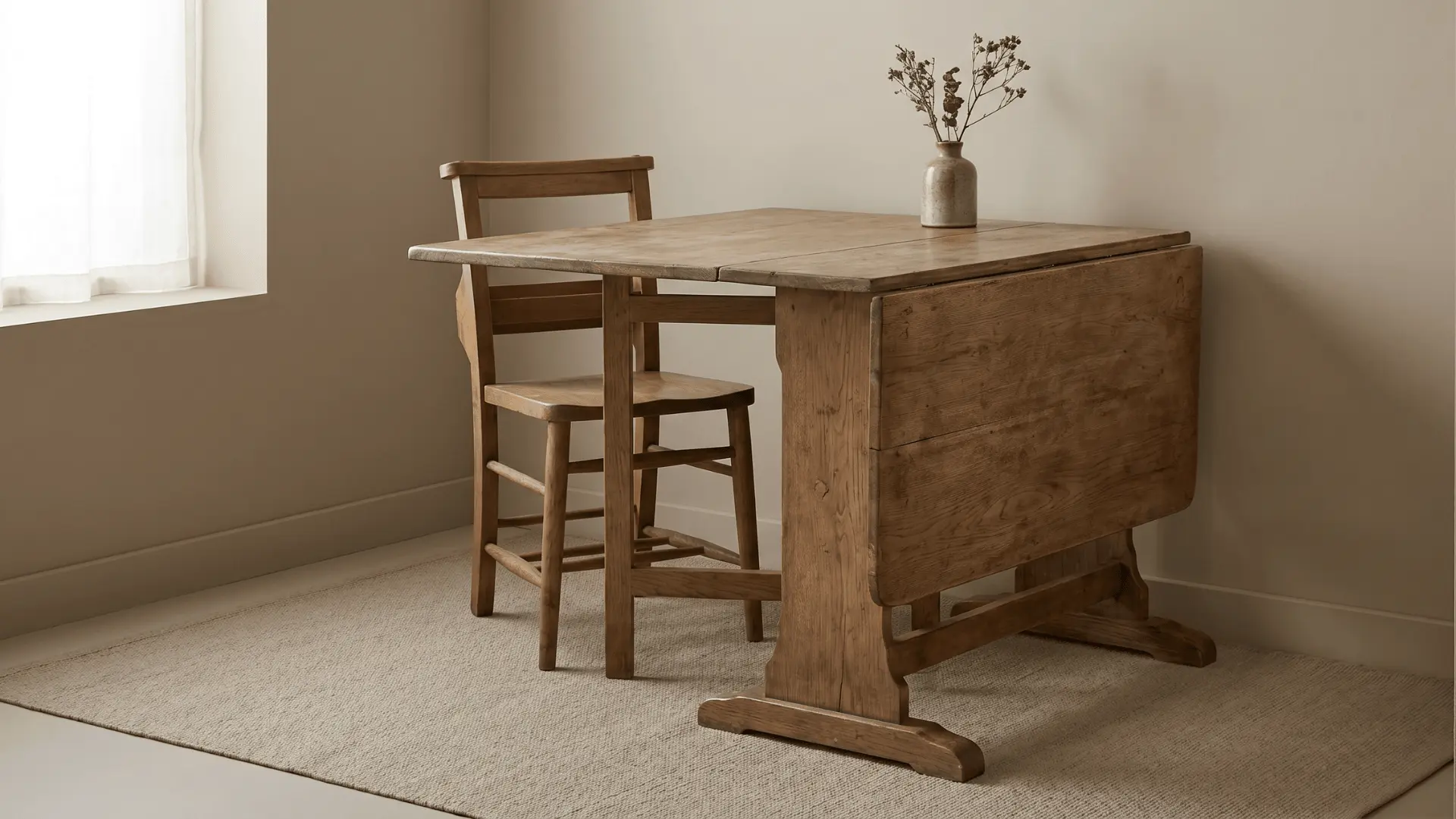
Drop-leaf tables have hinged sides that can be folded down when not in use. When more surface space is needed, the leaves can be lifted easily.
This design allows the table to expand and shrink, making it a practical choice for homes with limited space.
8. Extendable Tables
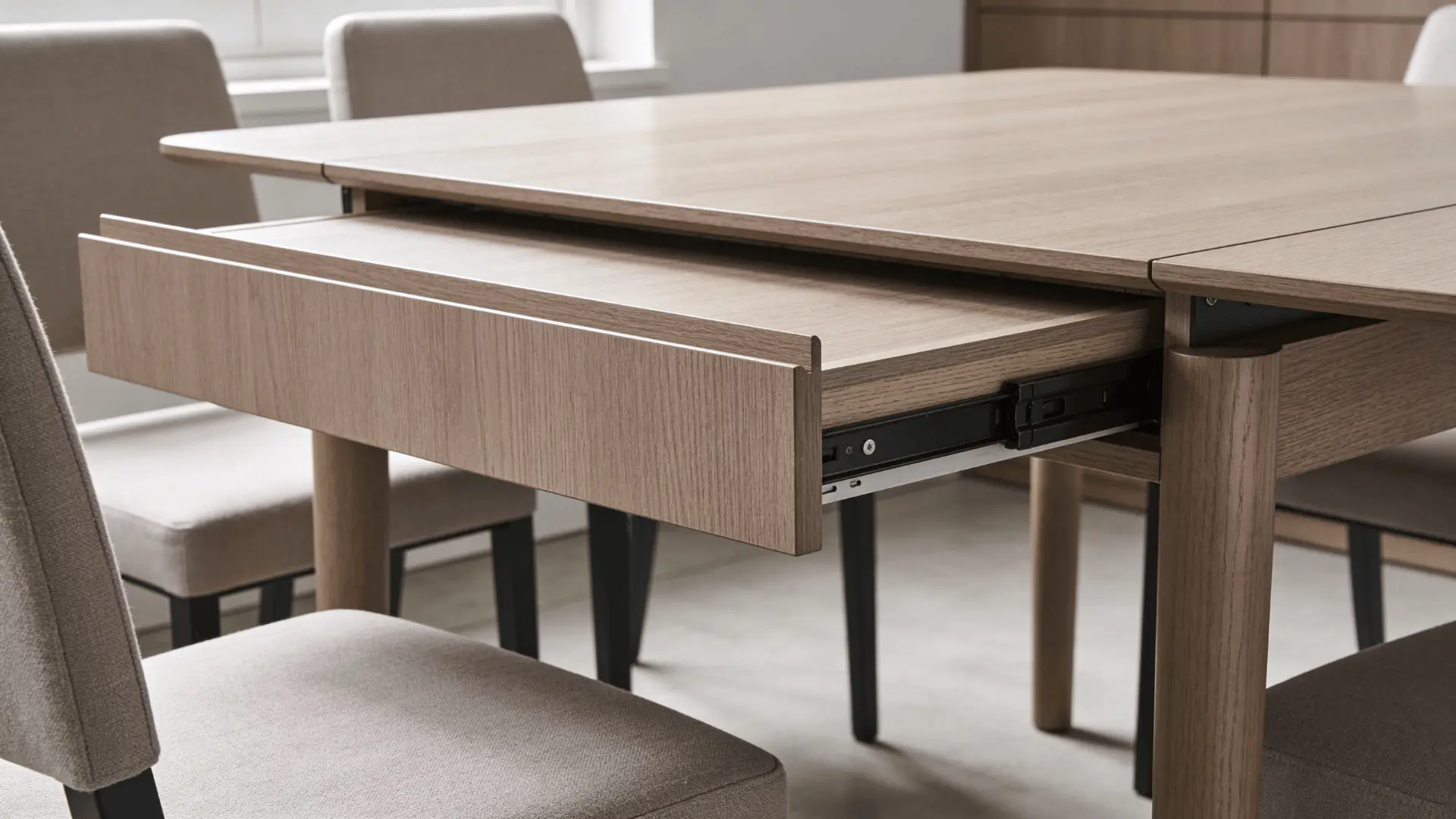
Extendable tables are designed to adjust in size by adding panels or sliding sections. They are often used as dining tables when extra seating is required.
This flexibility allows you to keep the table compact for daily use and expand it when hosting guests.
9. Folding Tables
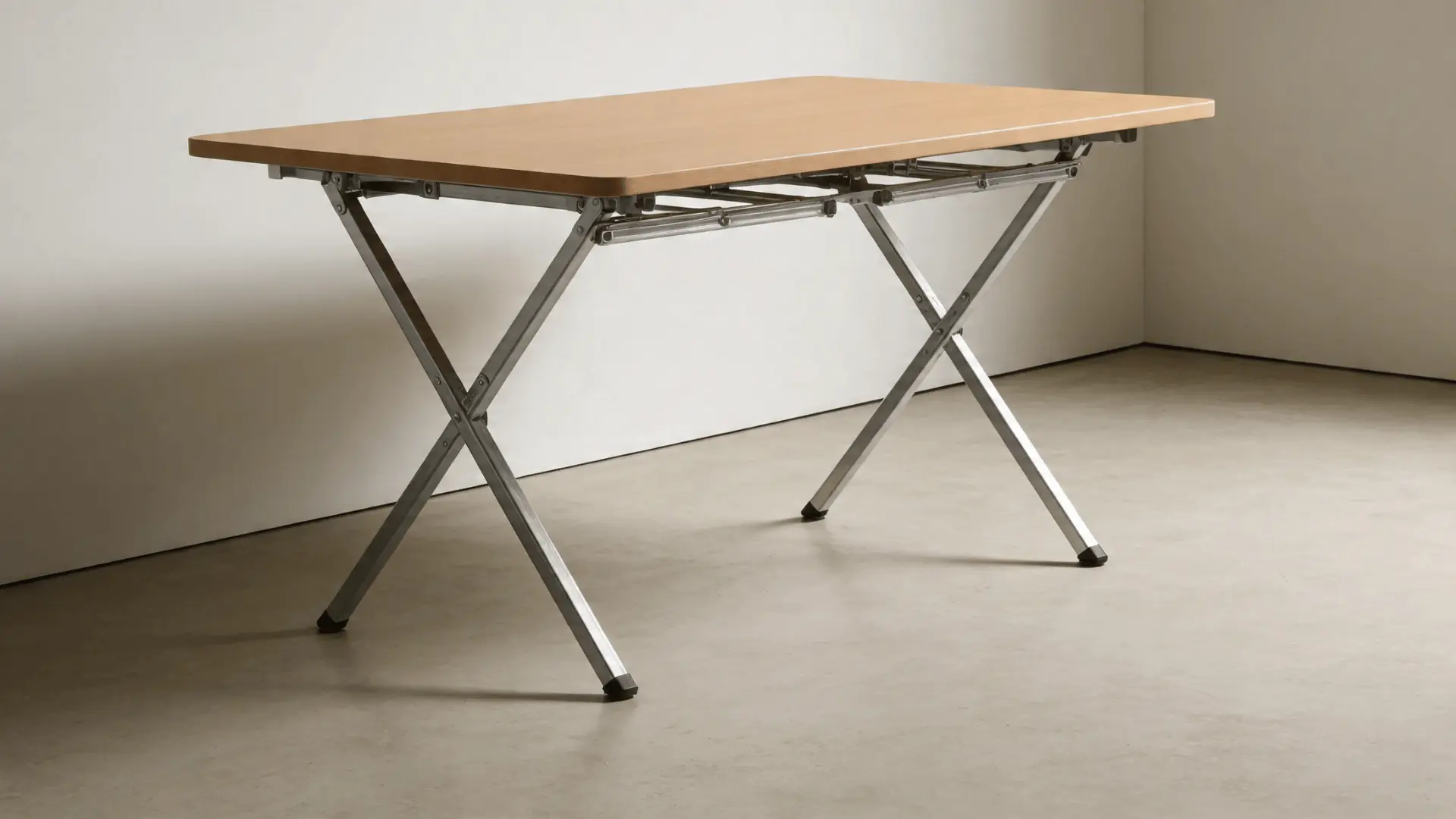
Folding tables can be collapsed completely and stored away when not needed. They are lightweight and easy to move, making them ideal for temporary setups.
Their design focuses on portability and convenience, allowing quick use during events, gatherings, or extra workspace needs.
10. Trestle Tables
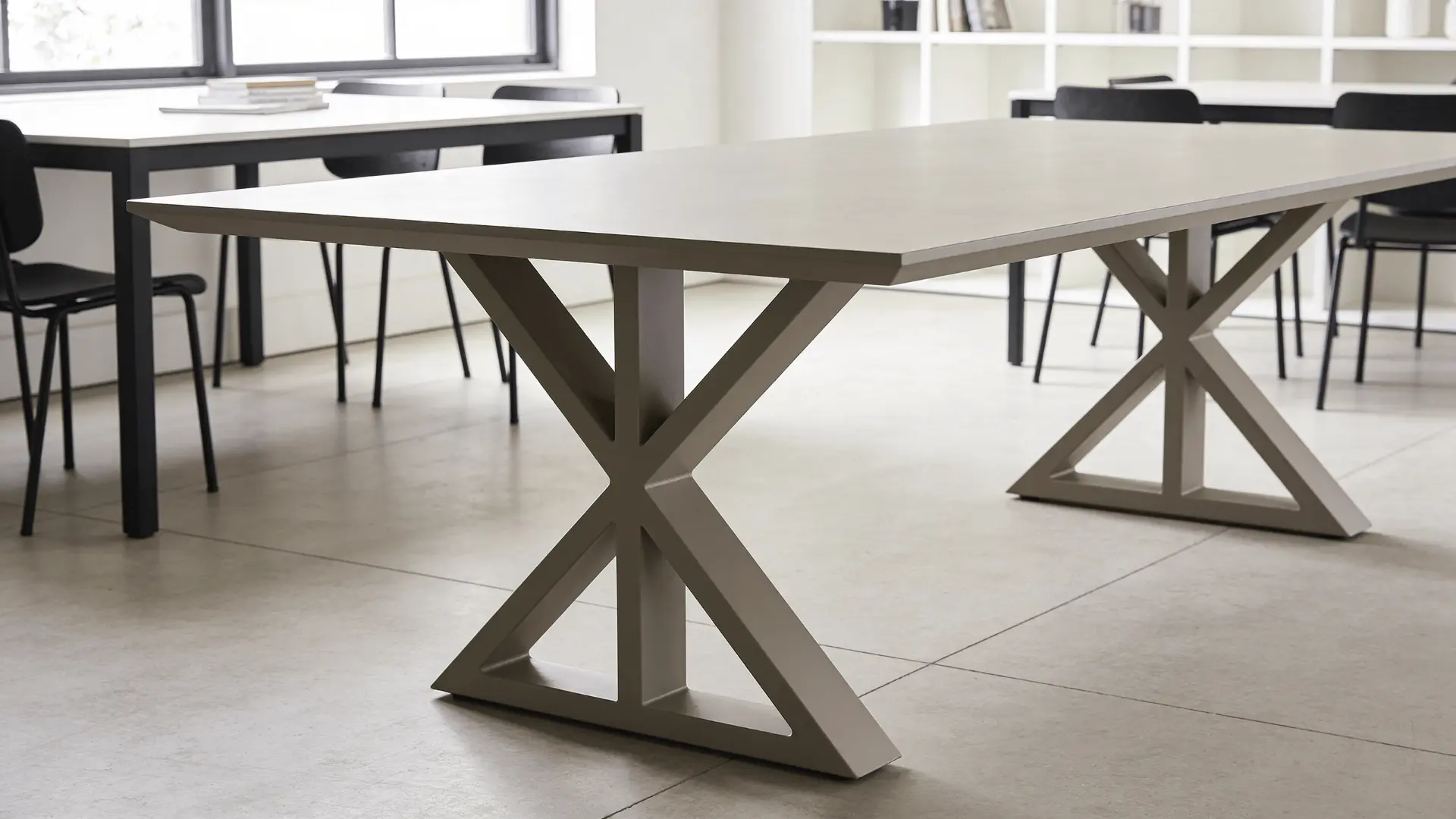
Trestle tables use a support system made of base frames instead of four corner legs. This structure provides better legroom and strong support for larger surfaces.
They are commonly used as dining or work tables where multiple people need to sit comfortably.
11. C-Tables and Compact Designs
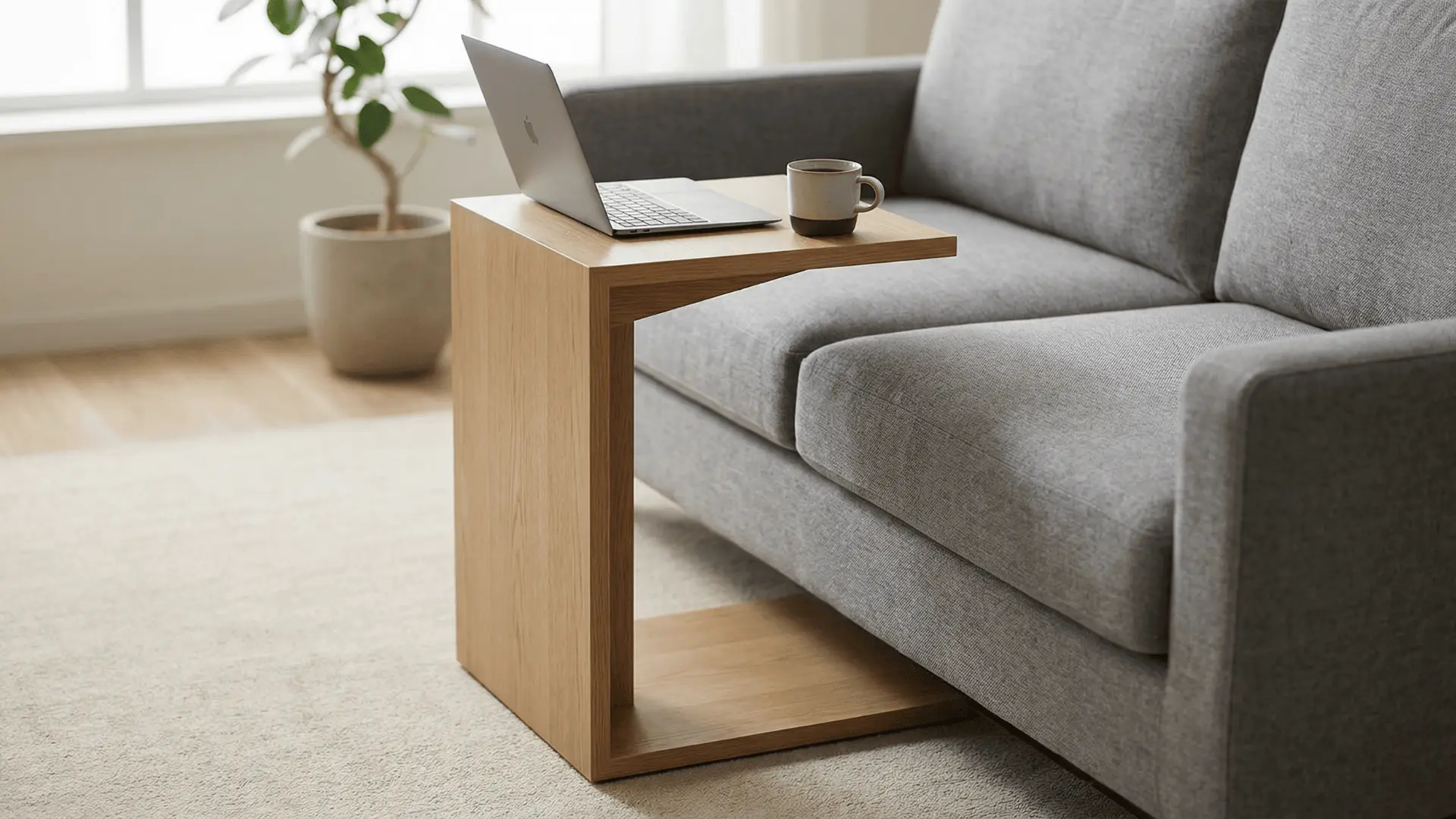
C-tables have a unique shape that allows them to slide over sofas or beds. They are designed for tight spaces and quick use, such as holding a laptop or drink.
Their compact structure makes them easy to move around. These tables are ideal when you need a functional surface without taking up much room.
Types of Tables Based on Placement in The Home
These tables are categorized based on where they are used in a home. Their size and design depend on placement and convenience.
12. Living Room Tables
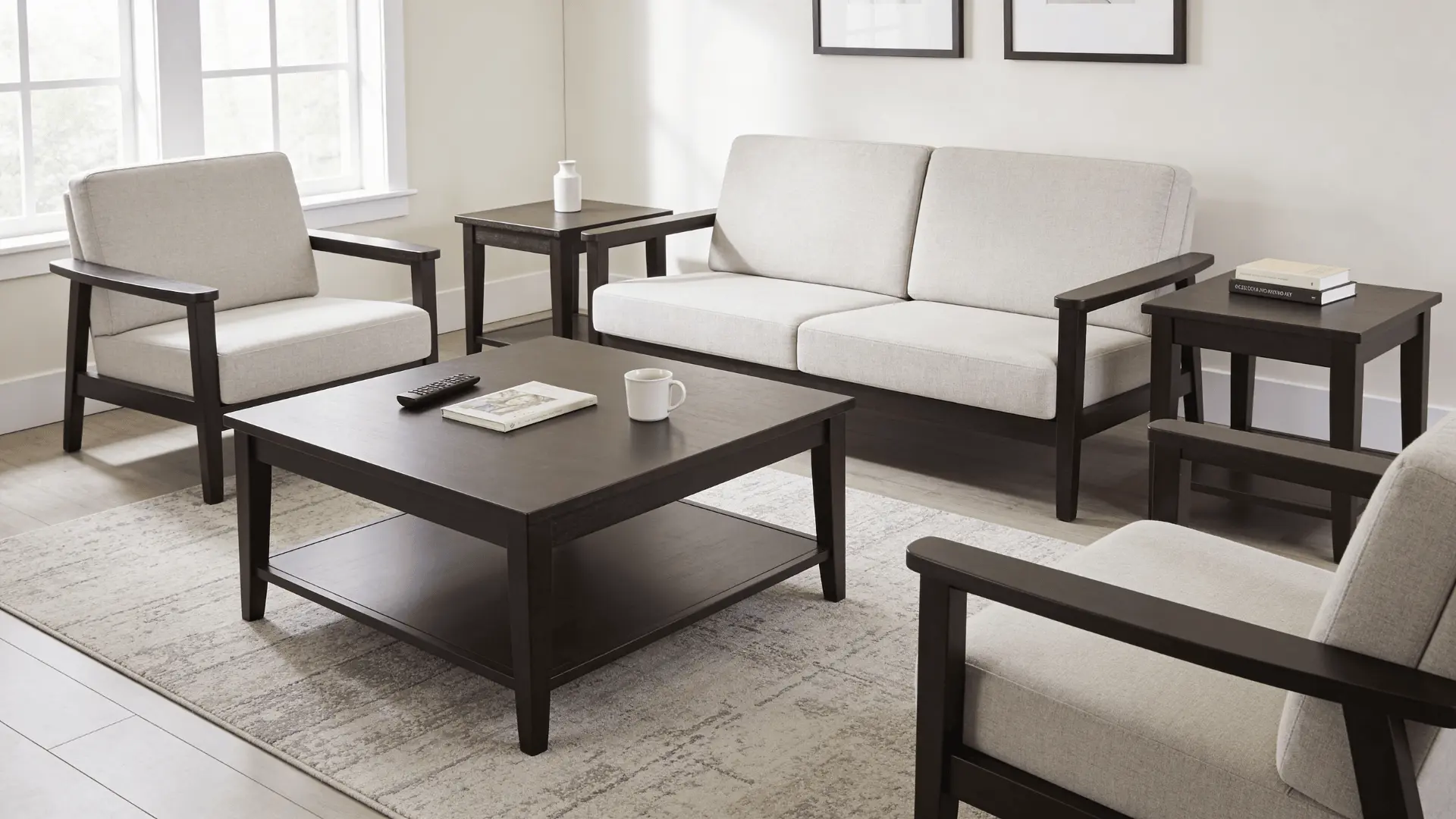
Living room tables include coffee tables, side tables, and nesting tables placed around seating areas. They are designed for comfort and easy access while sitting.
Their height and placement make it simple to keep everyday items like drinks, remotes, or books within reach.
13. Bedroom Tables
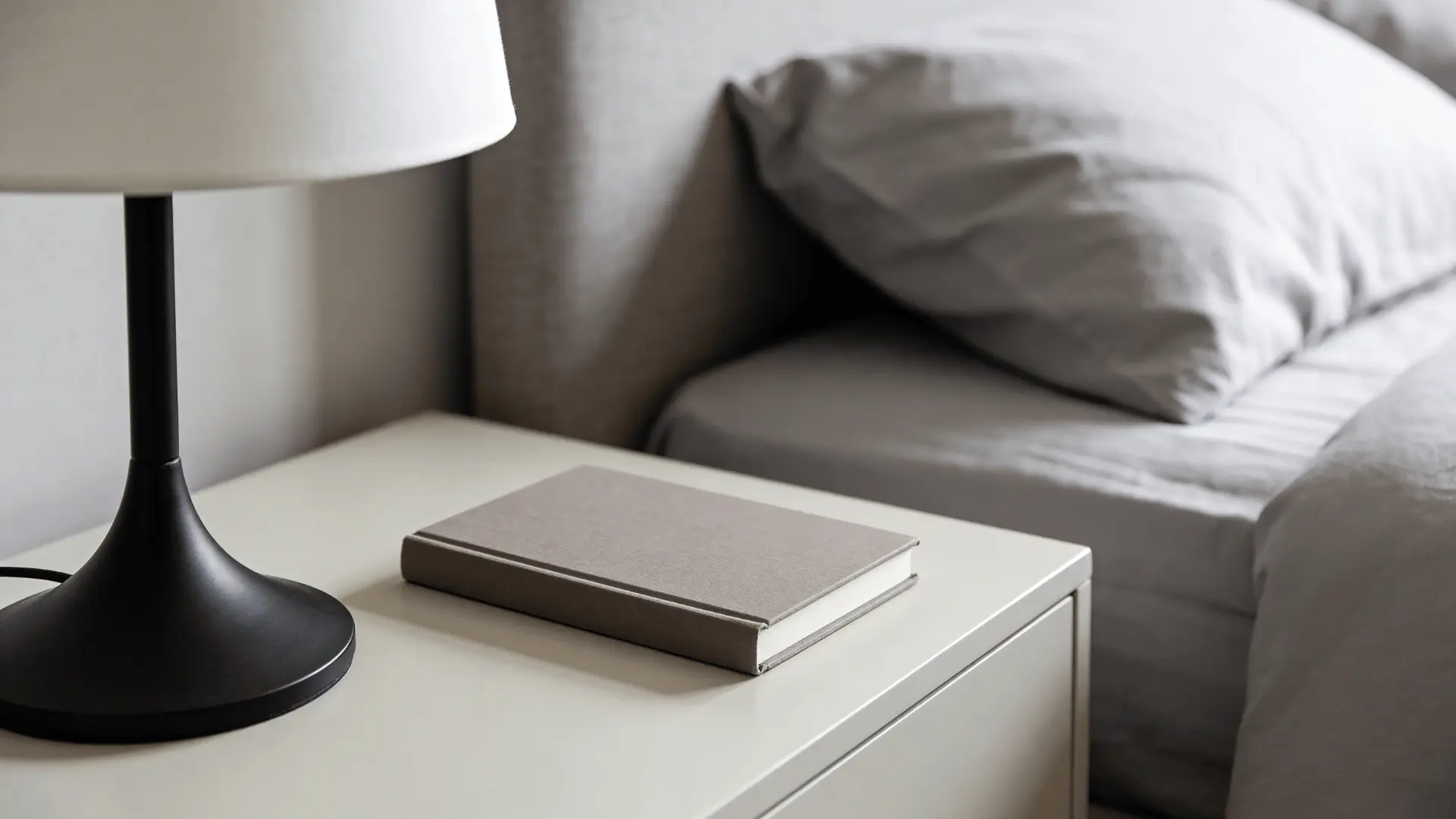
Bedroom tables are designed for personal use and convenience. The most common example is a bedside table placed next to the bed.
These tables are compact and positioned for easy access, allowing you to keep essential items close without needing to leave your bed.
14. Dining Area Tables
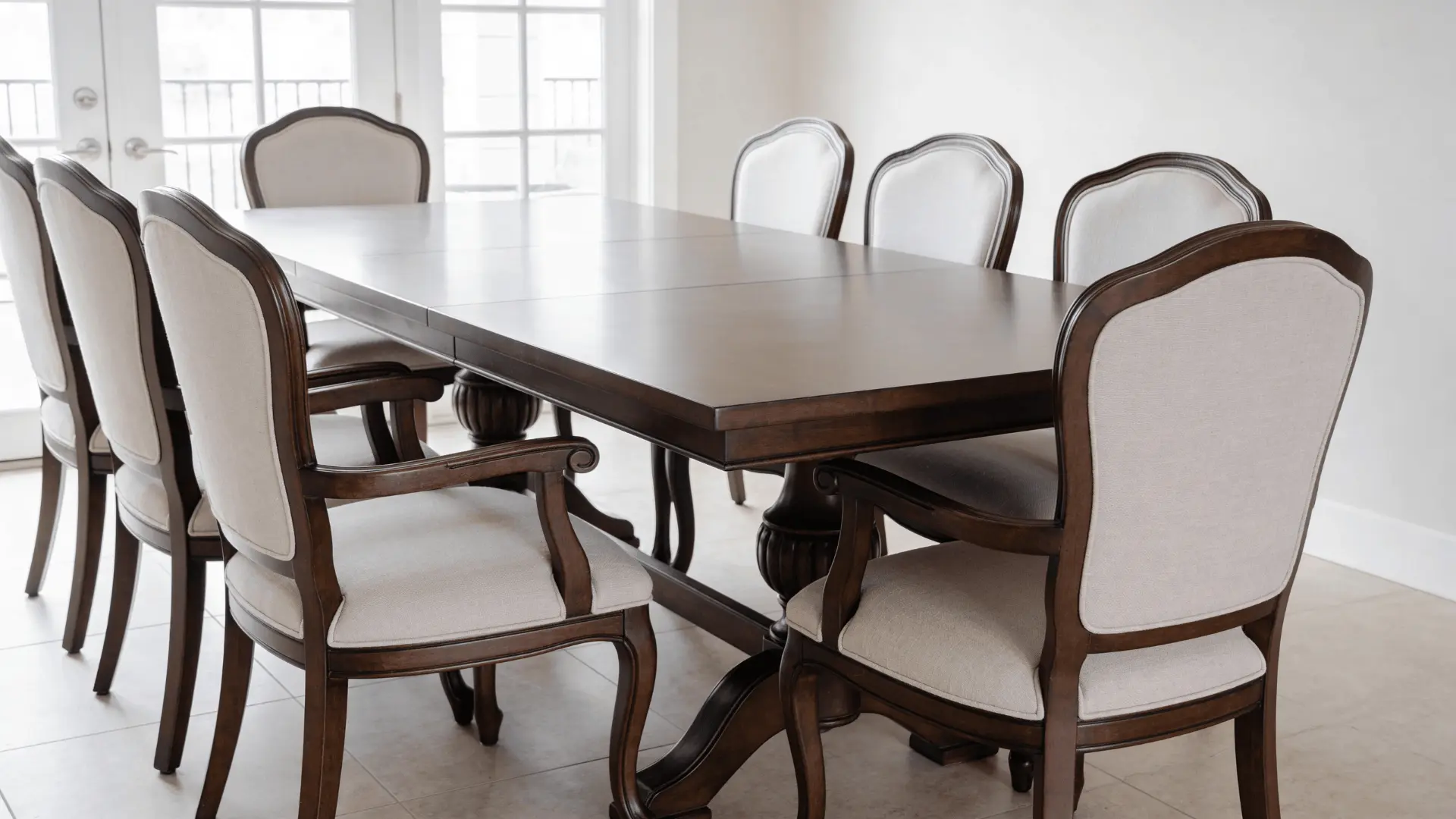
Dining area tables are built for meals and shared use. They are larger and designed to seat multiple people comfortably.
Their size, height, and shape are important, as they affect how people sit, eat, and move around the table during daily use.
15. Bar Table (Pub Table)
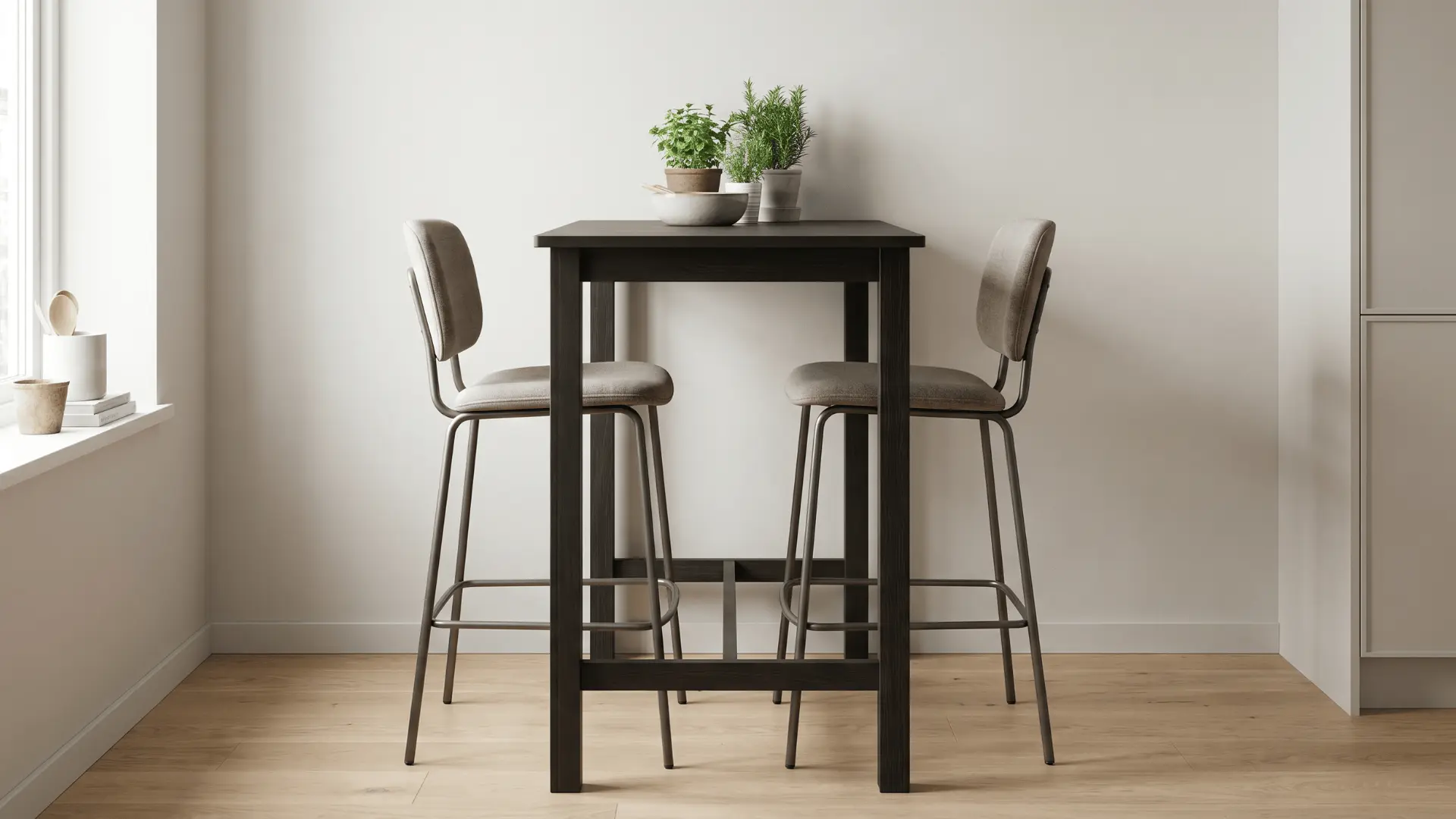
A bar table, also known as a pub table, is a taller table designed for casual dining or drinks. It is often paired with high stools and placed in kitchens, dining corners, or entertainment areas.
Its compact size makes it a good option for smaller spaces where a full dining table may not fit. It also works well for quick meals or informal seating setups.
16. Outdoor and Patio Tables
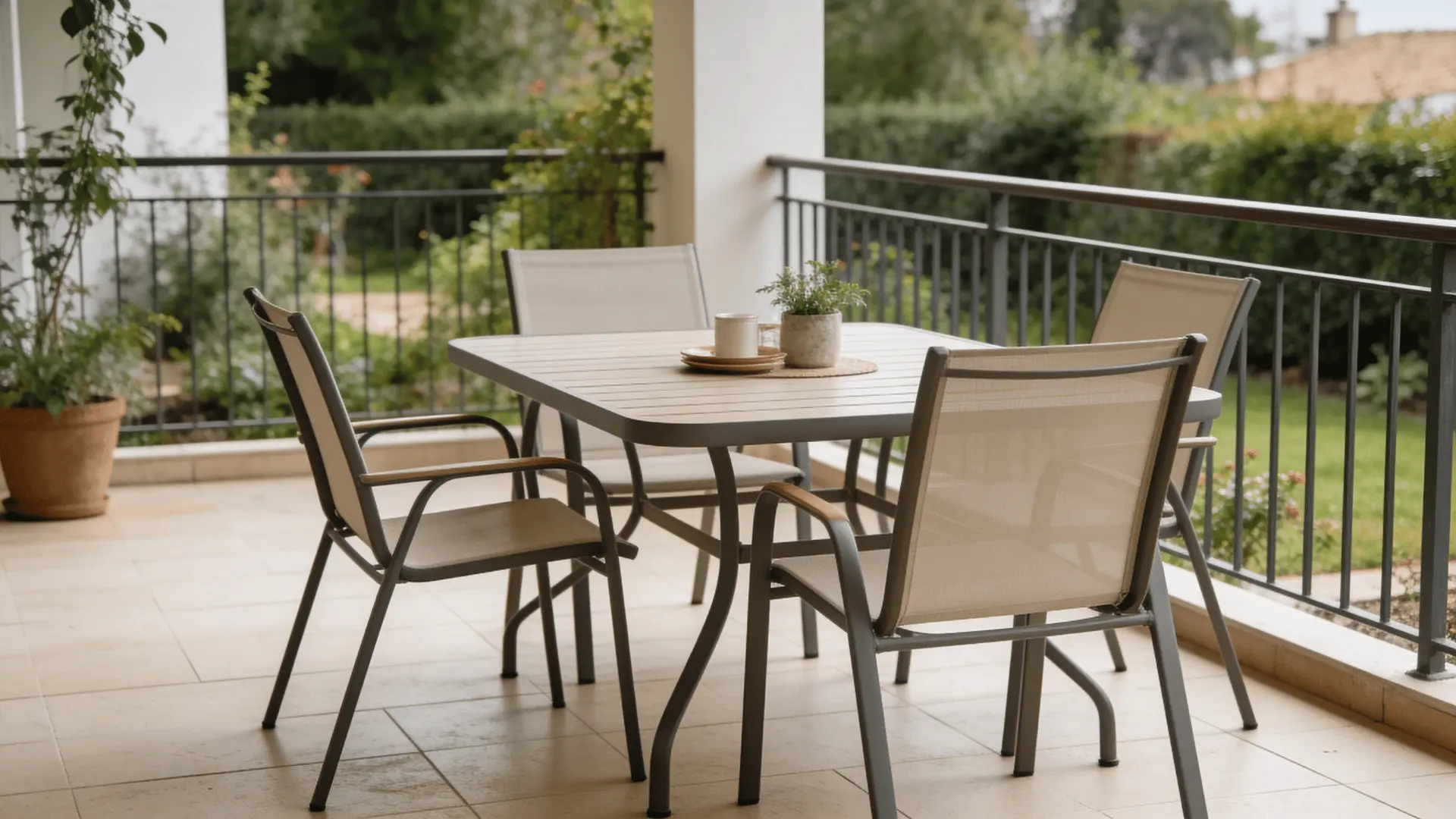
Outdoor and patio tables are designed for use in open environments like gardens or balconies. They are made with durable materials that can handle weather conditions.
Their structure focuses on stability and long-term use, ensuring they perform well outside over time.
Types of Tables Based on Shape
Table shapes affect how they fit into a space and how people use them. Each shape offers different benefits for seating and movement.
17. Rectangular Tables
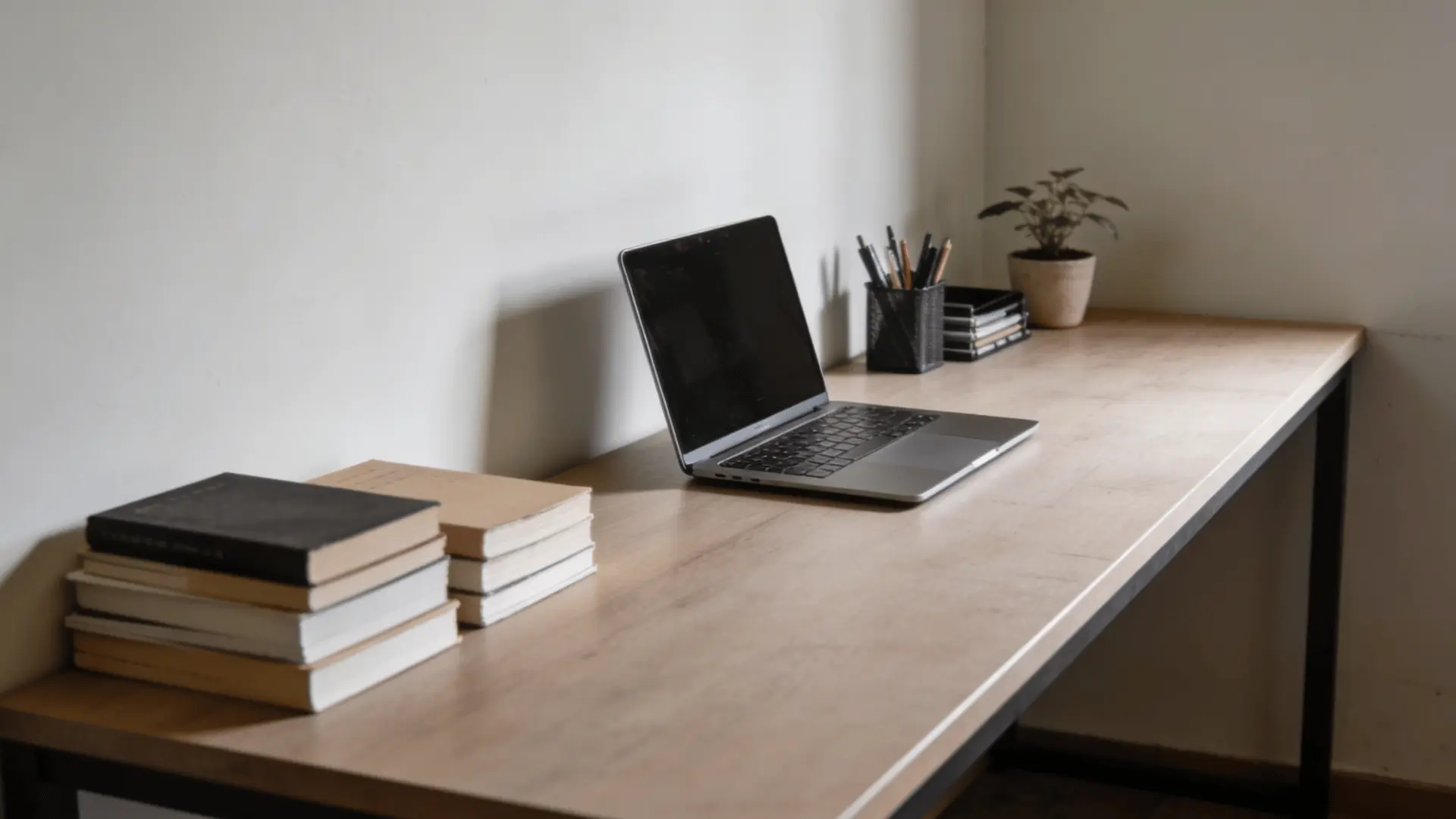
Rectangular tables are commonly used in work or study areas. Their long surface is useful for tasks like working, organizing items, or placing multiple things at once.
They fit well along walls or in narrow spaces, but in smaller rooms, they can restrict movement if not sized properly.
18. Round Tables
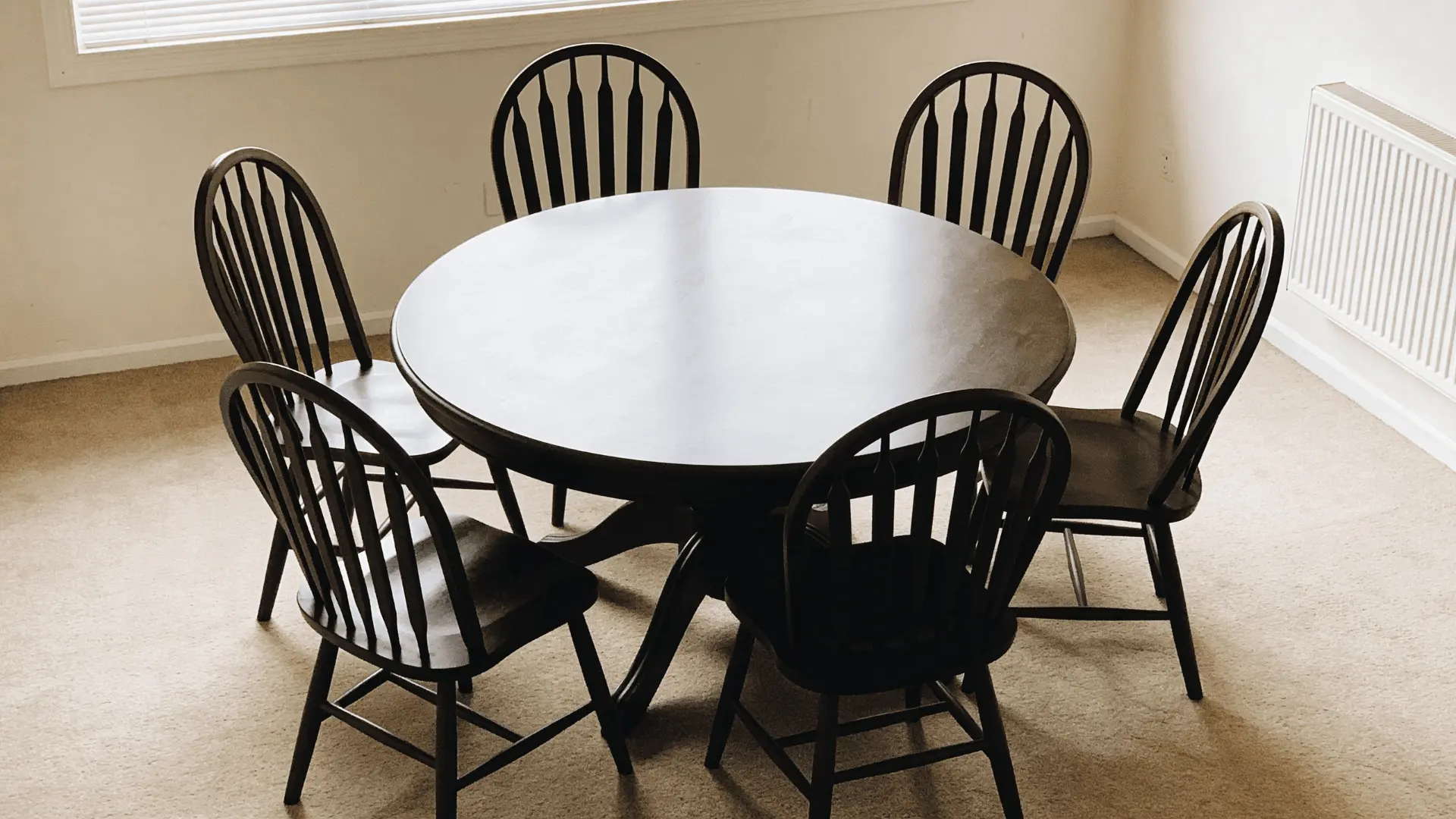
Round tables have no corners, which makes movement around them smoother and safer. They are ideal for smaller spaces and support better interaction since everyone faces each other.
They create a more balanced layout in a room. However, they usually seat fewer people and need enough surrounding space for chairs to fit comfortably.
19. Square Tables
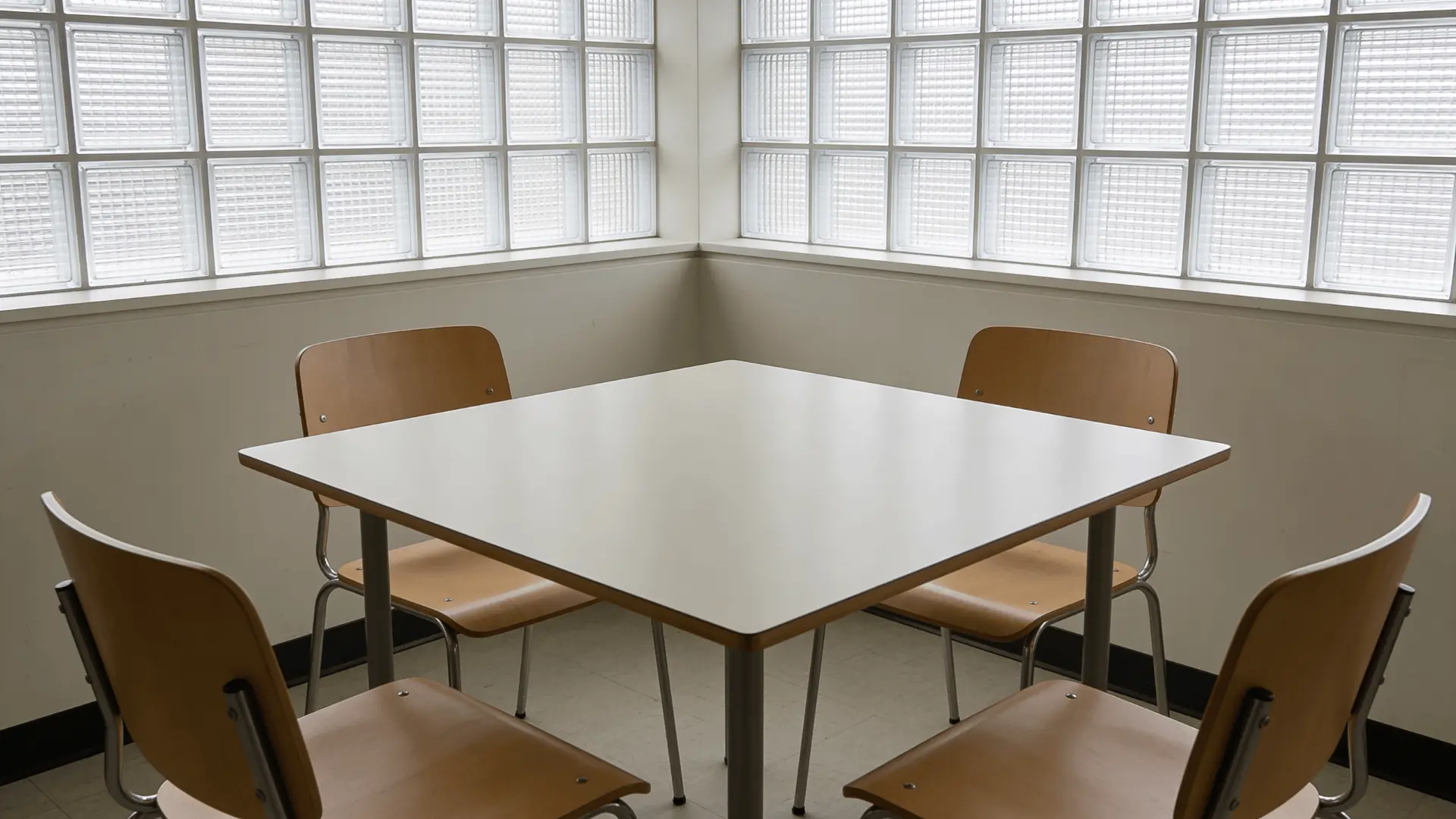
Square tables are best suited for square rooms or compact spaces. They work well for small groups and create a balanced layout.
In larger areas, they may feel too small or limit seating capacity, making them less practical for bigger gatherings.
20. Oval Tables
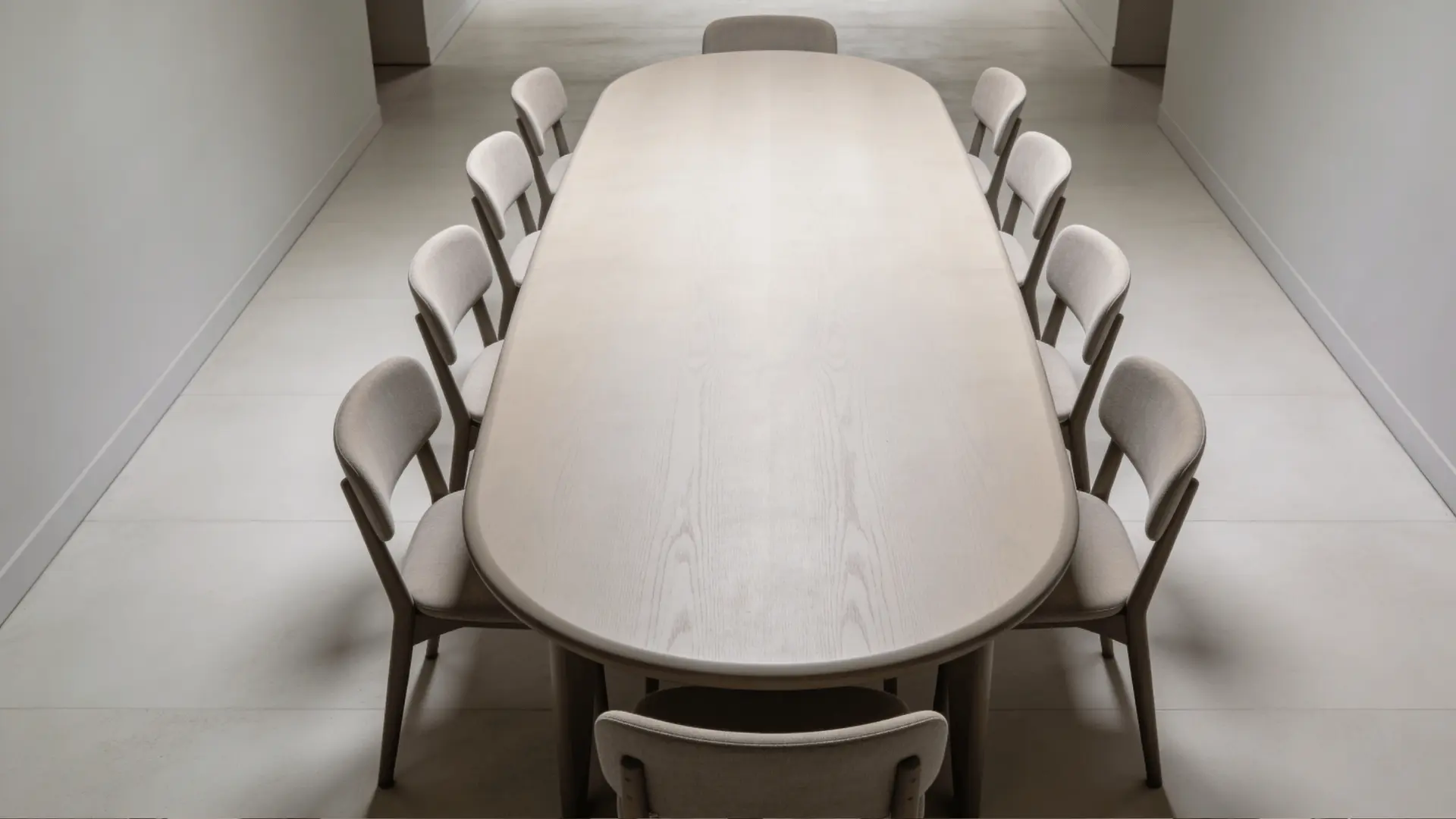
Oval tables combine the length of rectangular tables with the soft edges of round ones. They provide good seating capacity while allowing smoother movement around corners.
This makes them useful in narrower rooms. They offer a balanced look but may not fit well in very tight or perfectly square spaces.
How to Choose the Right Type of Table?
Choosing the right table becomes simple when you focus on three things: purpose, space, and daily use. Here’s a clean way to decide without overthinking.
1. Choose Based on Function
Start by identifying what you need the table for. This step removes most confusion right away.
Match Table Type to Purpose:
- Eating meals → Dining table
- Living room use → Coffee table or side table
- Work or study → Study table
- Bedside use → Nightstand
When the purpose is clear, you avoid choosing a table that looks good but doesn’t work for your needs.
2. Choose Based on Room Size
Your available space directly affects what kind of table will work best.
For Small Rooms:
- Pick compact designs like nesting or drop-leaf tables
- Choose round or oval shapes for smoother movement
For Large Rooms:
- Go for bigger or rectangular tables
- You can place tables more freely without blocking space
Always leave enough walking space around the table. A table that’s too large can make the room feel tight and uncomfortable.
3. Choose Based on Daily Use
Think about how often you’ll use the table and how much wear it will handle.
For Daily Use:
- Choose strong and stable designs
- Go for durable materials that last
For Occasional Use:
- Folding or extendable tables work better
- Lightweight options are easier to move and store
Also consider ease of use. A table you use every day should feel comfortable and easy to access without effort.
Common Confusions About Table Types Explained
These table types often get mixed up, but the differences are simple once you see them side by side.
These quick comparisons make it easier to spot the right table type without confusion:
Coffee Table vs. Side Table
| Feature | Coffee Table | Side Table |
|---|---|---|
| Placement | In front of sofa | Beside sofa or chair |
| Size | Larger | Smaller |
| Height | Lower | Slightly taller |
| Use | Drinks, books, decor | Lamp, phone, small items |
| Role | Central table | Support table |
End Table vs. Nightstand
| Feature | End Table | Nightstand |
|---|---|---|
| Placement | Living room | Bedroom |
| Position | Next to sofa/chair | Next to bed |
| Use | Lamp, drink, decor | Phone, lamp, book |
| Storage | Optional | Usually included |
| Role | Living space support | Bedroom essential |
Conclusion
Choosing the right table becomes much easier once you understand how different types of tables are designed to fit specific needs, spaces, and daily habits.
The key is not just picking what looks good, but what works well for how you use your space every day.
When you match function, size, and design properly, the table naturally fits into your routine without effort.
Take a moment to look around your space and see what you actually need. Pick a table that works for you, not just one that looks good.
Frequently Asked Questions
How Do I Know What Size Table I Need?
Measure your room and leave at least 2.5 to 3 feet of space around the table so people can walk, sit, and move comfortably without feeling restricted.
What is the Standard Height of a Table?
Most dining tables are around 28 to 30 inches high, while coffee tables are lower, usually between 16 to 18 inches, making them easier to use from a seated position.
Which Table Shape is Best for Small Spaces?
Round and oval tables are better for small spaces because they allow smoother movement, take up less visual space, and reduce the risk of bumping into sharp corners.