
Types of Carpet: A Complete Guide for Every Home
Walk into any flooring store, and you’ll quickly realize carpet isn’t just carpet. There are dozens of options staring back at you, and most people have no idea where to start.
Carpet comes in more varieties than most people expect. The fiber it’s made from, the way it’s constructed, and how tall the fibers are all change how it looks, feels, and holds up over time.
In this guide, I’ll break down everything you need to know in plain, simple language so you can make a confident choice every time.
How Exactly Are Carpets Classified
Carpets are classified based on two things:
- Pile construction (how the surface is made)
- Fiber material (what it’s made from)
Pile refers to the visible fibers you walk on. How these fibers are cut, looped, or combined affects how the carpet looks, feels, and wears over time.
This is why some carpets feel soft and plush, while others feel firm and hold their shape better. It also affects how well the surface hides footprints and marks.
Fiber is the material used to make those fibers. It can be synthetic, like nylon or polyester, or natural, like wool. Fiber determines performance, including durability, stain resistance, and cost.
Names like Berber or Saxony describe construction, not material. The same style can perform very differently depending on the fiber used.
For example, a Berber carpet made from nylon will last longer than one made from polyester, even if they look similar.
Carpet Types Based on Pile Construction
Pile construction determines how the fibers are attached to the backing. It directly affects how the carpet looks, feels, and holds up over time. There are three main types, and everything else builds from there.
Cut Pile Carpets and How They Feel
Cut pile carpet is made by cutting the yarn loops at the tips, leaving individual fiber strands standing upright. This creates a soft, comfortable surface that feels great underfoot.
The trade-off is that cut pile shows footprints, vacuum marks, and furniture indentations more easily than other constructions. It works best in bedrooms and living rooms where comfort is the priority over durability.
Loop Pile Carpets and Durability
Loop pile carpet keeps the yarn intact without cutting the tips. The looped surface is firm, tight, and naturally resistant to crushing and matting under heavy foot traffic.
It is more durable than cut pile, easier to clean, and holds its shape well under constant daily use.
Cut and Loop Carpets for Patterns and Texture
Cut and loop combines both methods in one construction. Some fibers are cut while others stay looped, creating varying heights that form natural patterns and texture across the surface.
The mix of cut and looped fibers hides dirt and footprints well. It works well in family rooms and other busy areas where both appearance and practicality matter.
Common Carpet Styles You’ll See in Stores
When you walk into a store, you won’t see shelves labeled “cut pile” or “loop pile.” These are the styles, and each one is simply a variation of the construction types we just covered.
1. Saxony Carpet
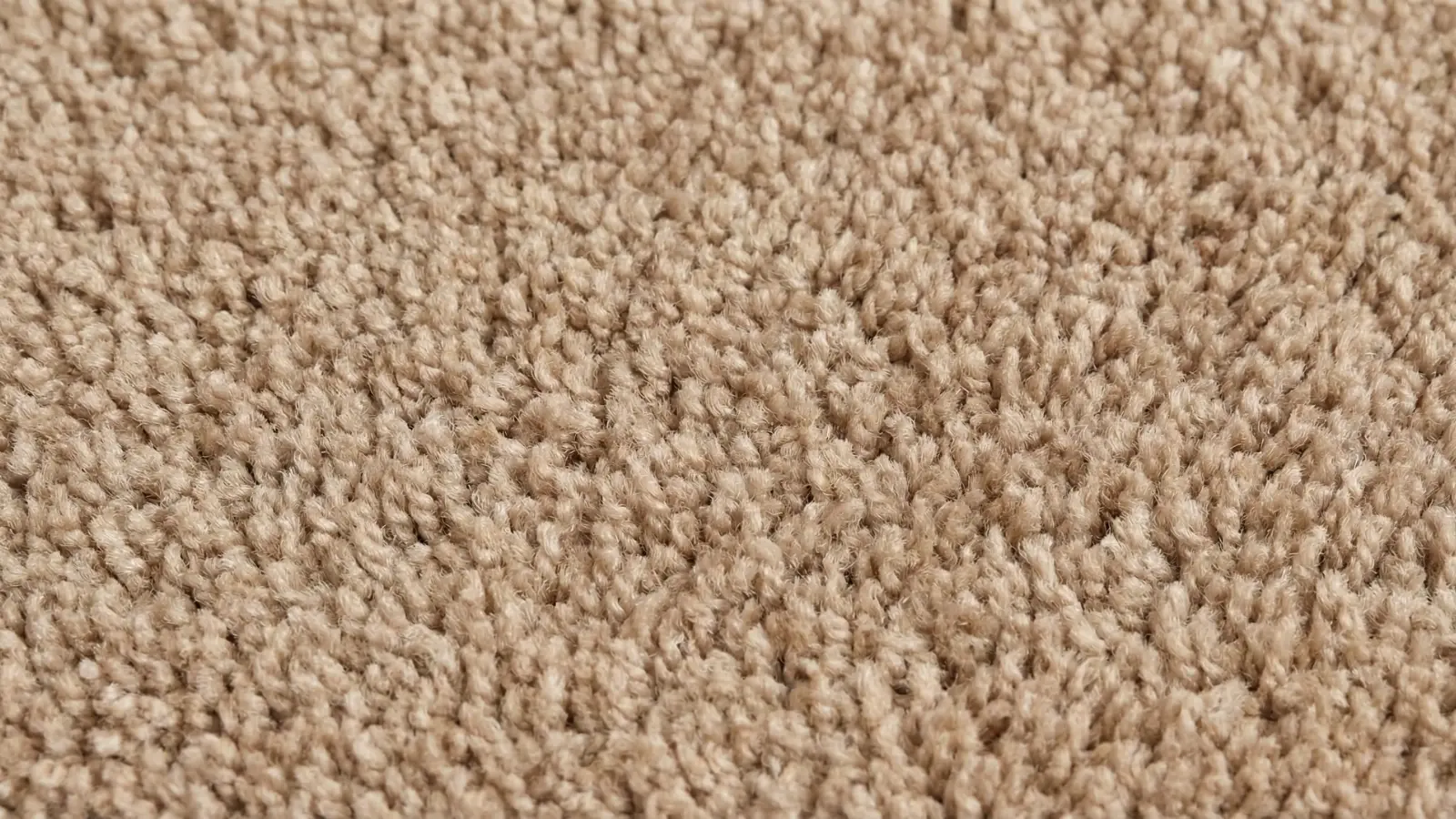
Saxony is a cut-pile carpet with densely packed fibers cut to an even height. The surface looks smooth, uniform, and almost velvety.
- Average use: Low-traffic rooms
- Best for: Living rooms and master bedrooms
- Lifespan: 10 – 15 years
2. Frieze Carpet
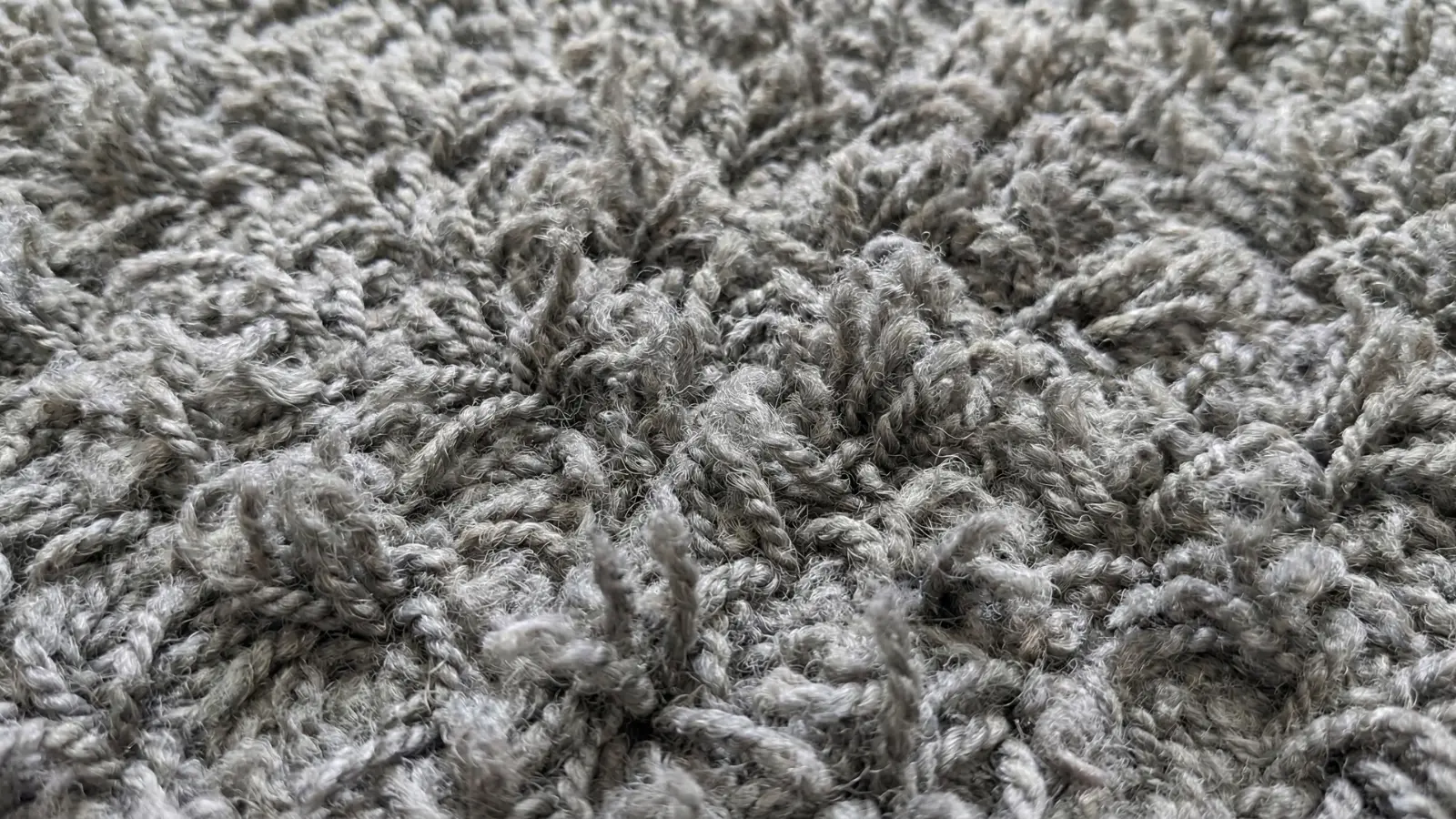
Frieze uses long fibers with a high twist level that curl in different directions. That twisted surface hides footprints and everyday dirt far better than Saxony.
- Average use: Moderate to high-traffic rooms
- Best for: Family rooms and busy living spaces
- Lifespan: 15 – 20 years
3. Plush or Velour Carpet
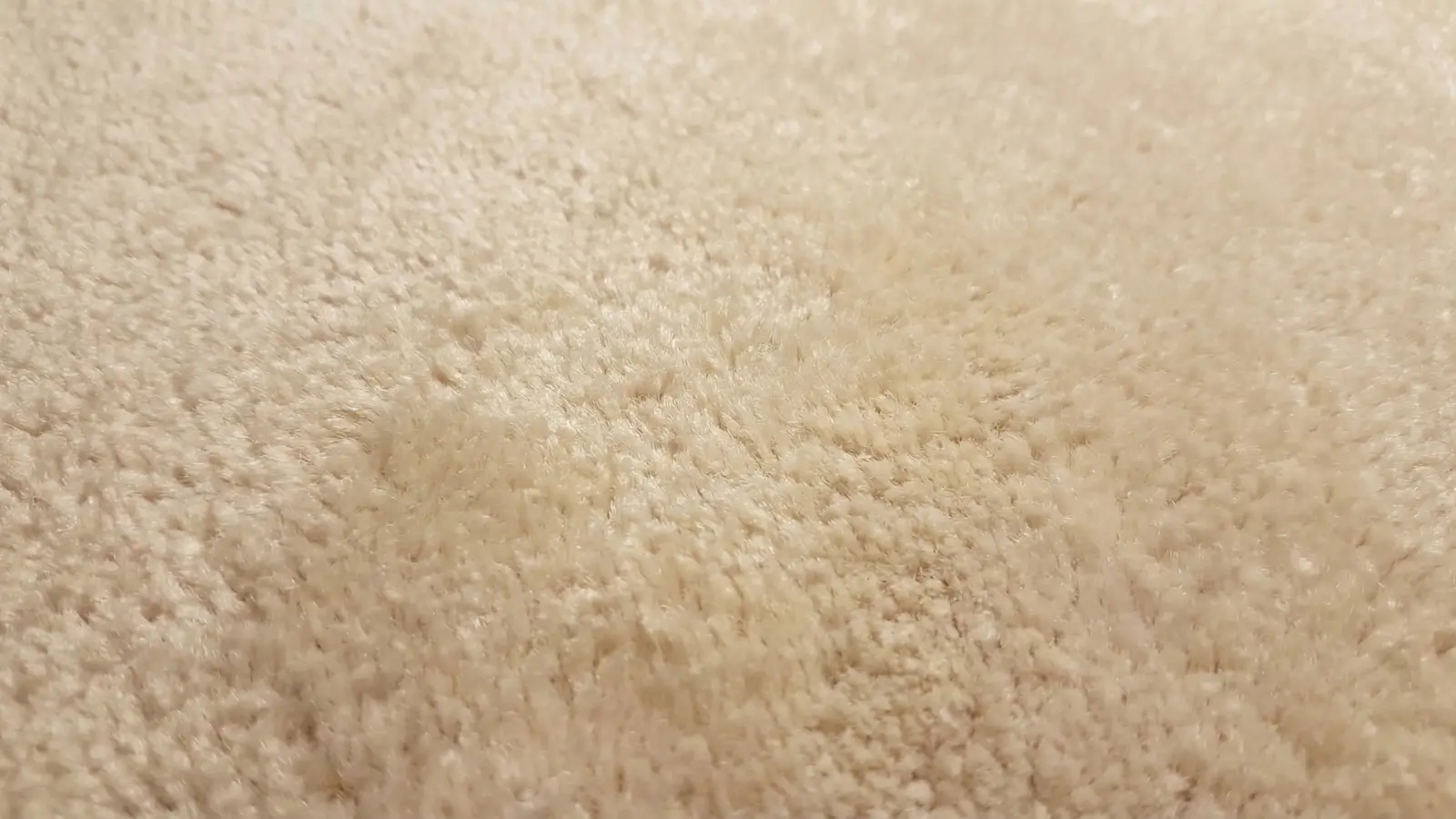
Plush is similar to Saxony but slightly less dense. The fibers stand upright, creating a smooth, soft, and consistent surface underfoot.
- Average use: Low-traffic rooms
- Best for: Bedrooms and formal spaces
- Lifespan: 10 – 15 years
4. Textured Carpet
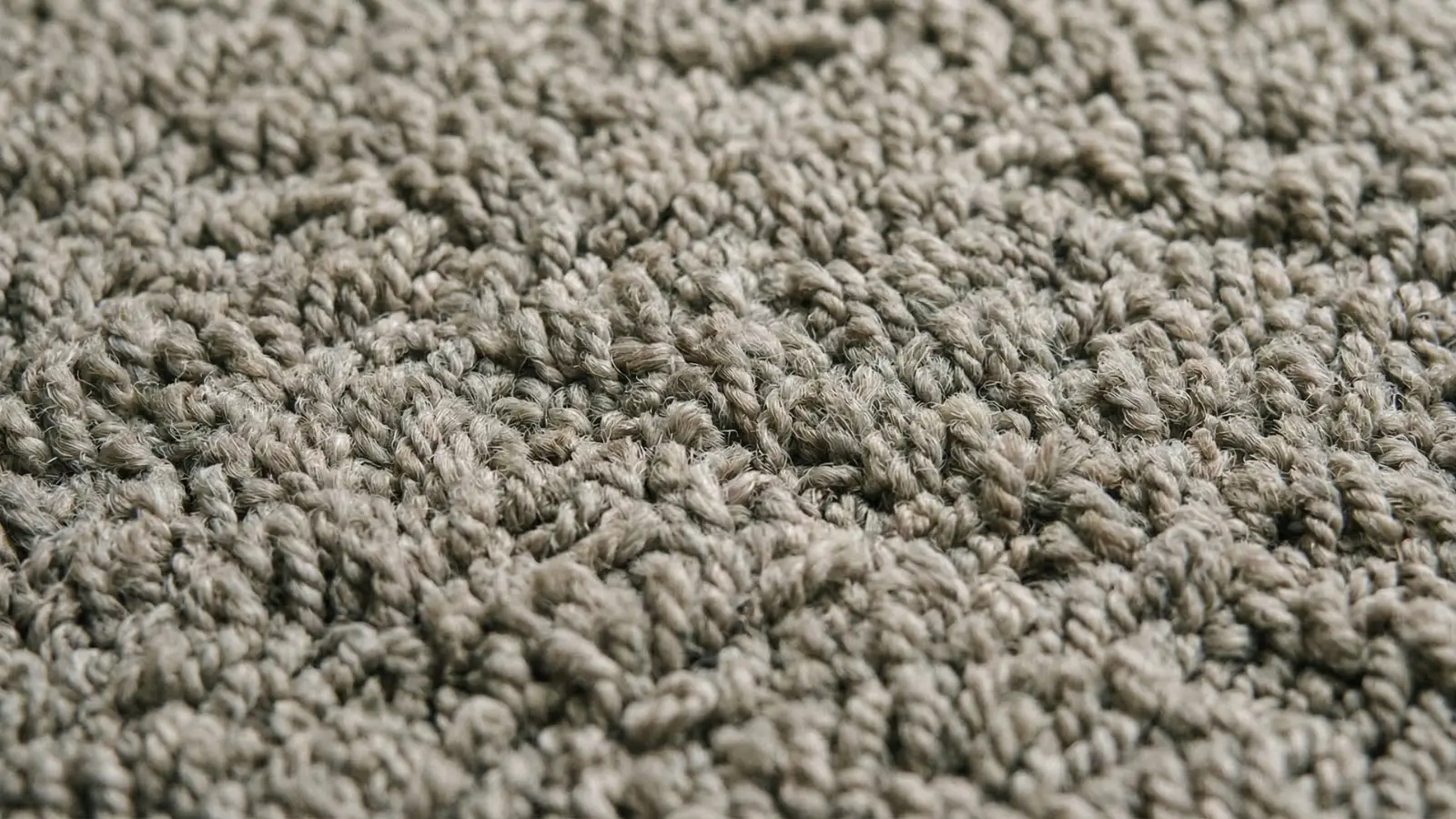
Textured carpet is the most popular residential style available today. Its tightly twisted two-toned yarn creates a multi-directional surface that hides everyday wear well.
- Average use: Any room
- Best for: Whole-home use across all traffic levels
- Lifespan: 15 – 20 years
5. Berber Carpet
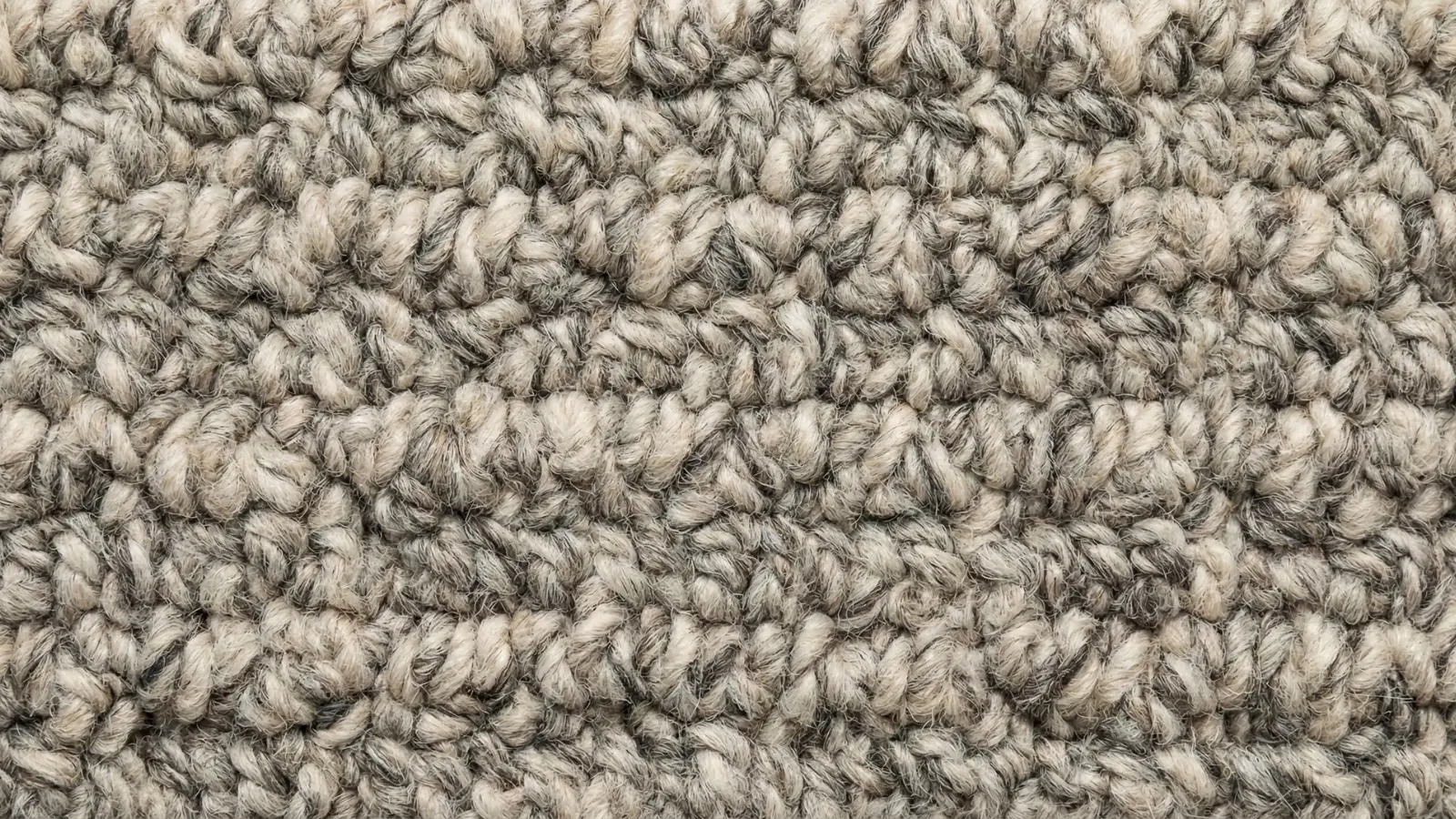
Berber features short, tightly packed loops that create a firm, dense, and highly durable surface. It holds up exceptionally well in hallways, stairs, and basements.
- Average use: High-traffic areas
- Best for: Hallways, stairs, and basements
- Lifespan: 20+ years
Types of Carpet Based on Fiber Material
Every carpet you see in a store is made from a fiber. That fiber is what you’re actually living on every day. It determines how soft the carpet feels underfoot, how well it handles spills, how long it stays looking good, and how much you’ll pay for it upfront and over time.
6. Nylon Carpet
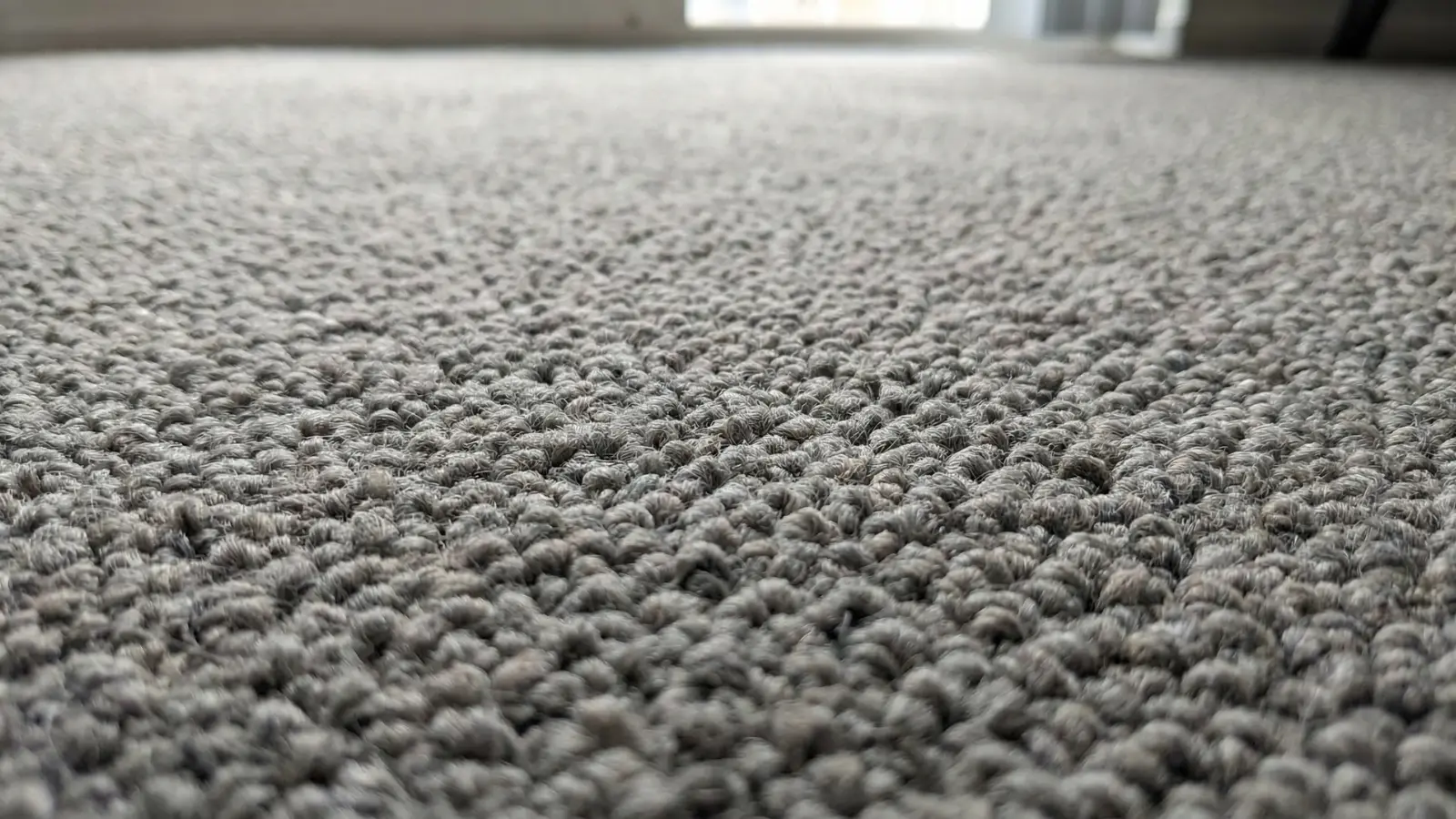
Nylon is the most widely used carpet fiber in the world. It’s the most durable synthetic option available and handles high-traffic areas better than almost anything else.
- Average cost: $ 0.75 – $9 per sq. ft.
- Stain resistance:Moderate (surface treated)
- Lifespan:20+ years
7. Polyester Carpet
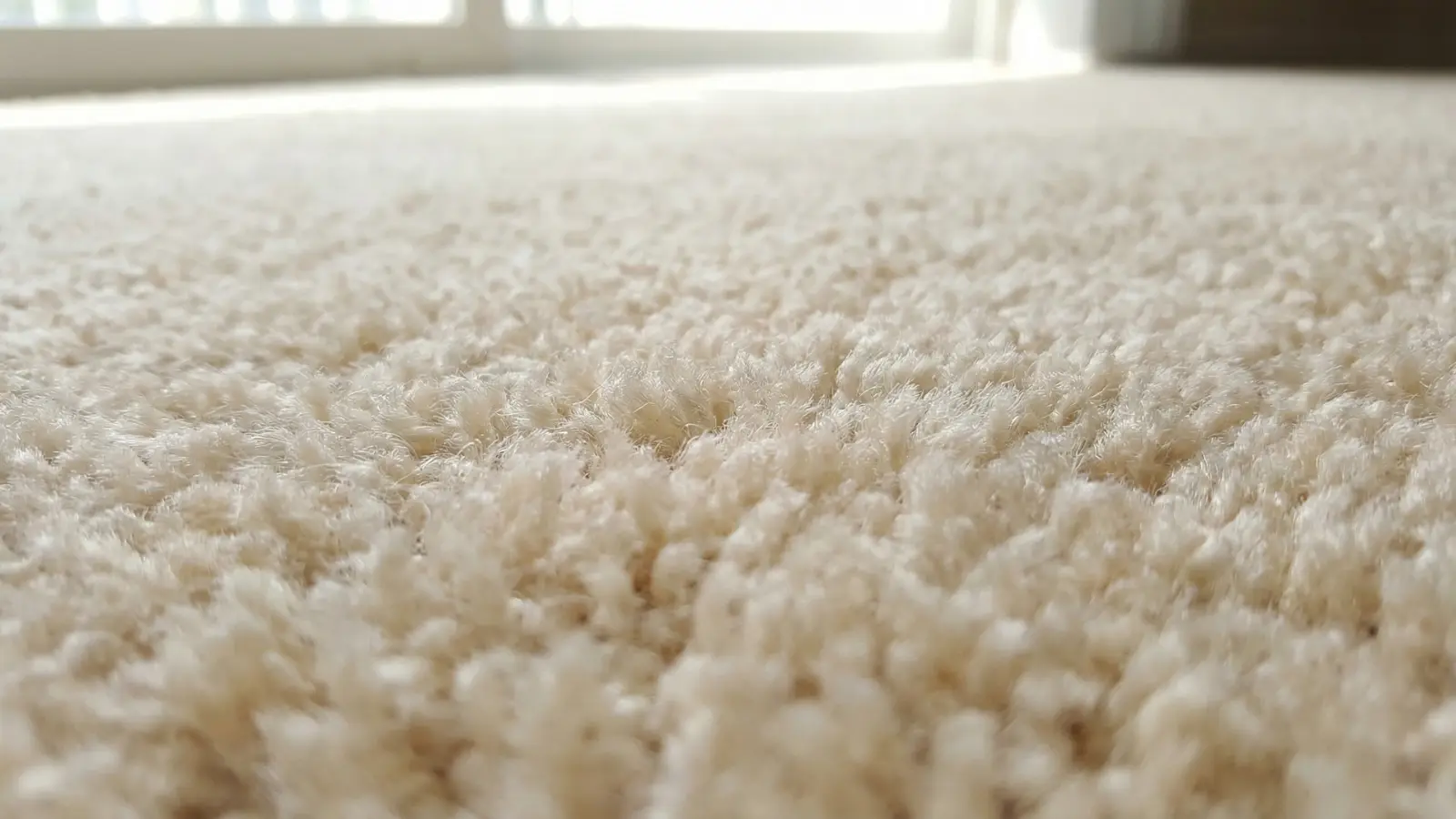
Polyester is known for its exceptional softness and natural stain resistance. It’s a budget-friendly option that performs best in low-traffic spaces like bedrooms and guest rooms.
- Average cost: $0.50 – $6 per sq. ft.
- Stain resistance: High (built into fiber)
- Lifespan: 20+ years
8. Triexta Carpet
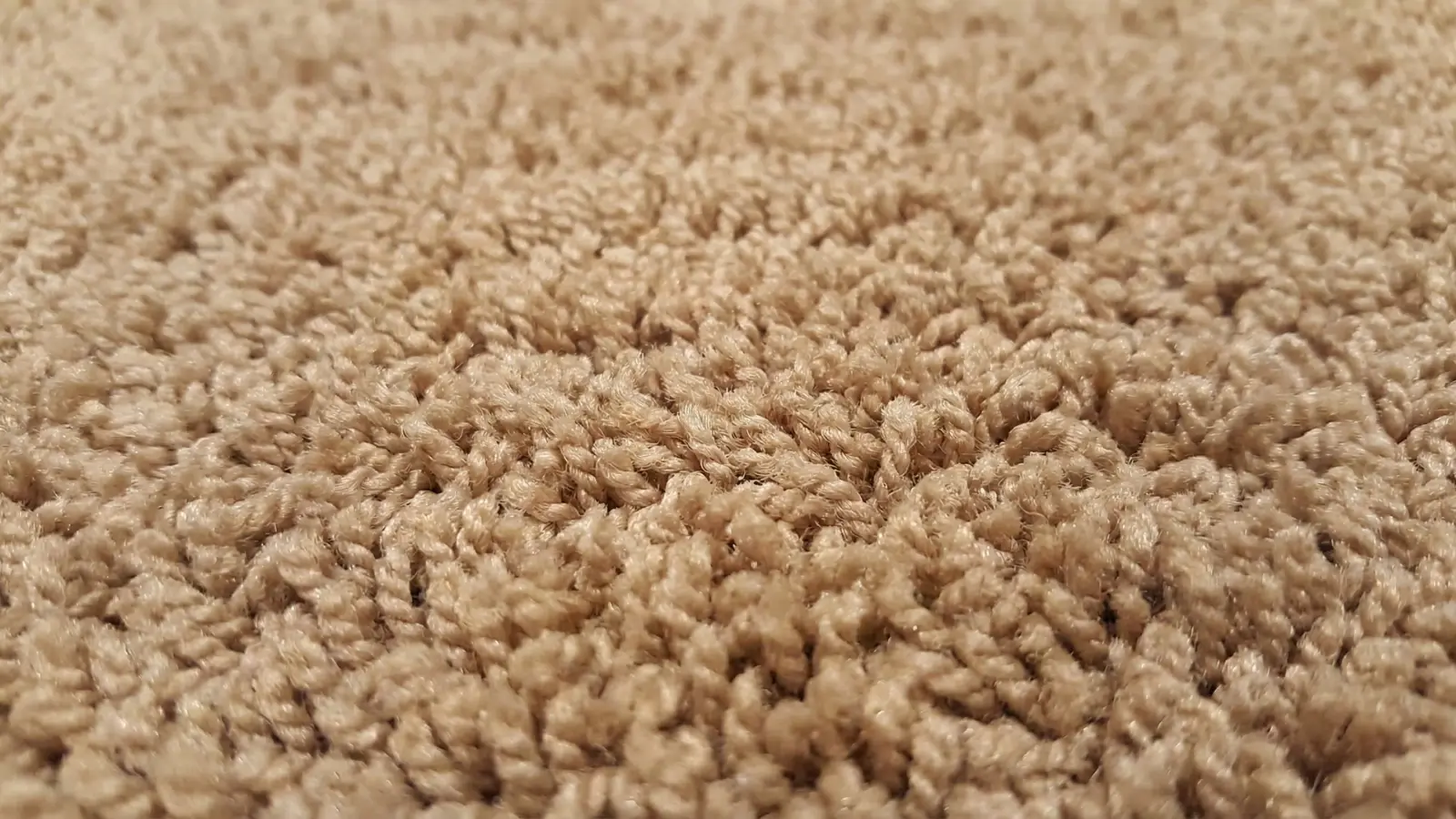
Triexta combines the softness of polyester with the durability of nylon. Its permanent built-in stain resistance makes it one of the best choices for busy households with pets and children.
- Average cost: $1.50 – $7 per sq. ft.
- Stain resistance: Very high (permanent)
- Lifespan: 20+ years
9. Wool Carpet
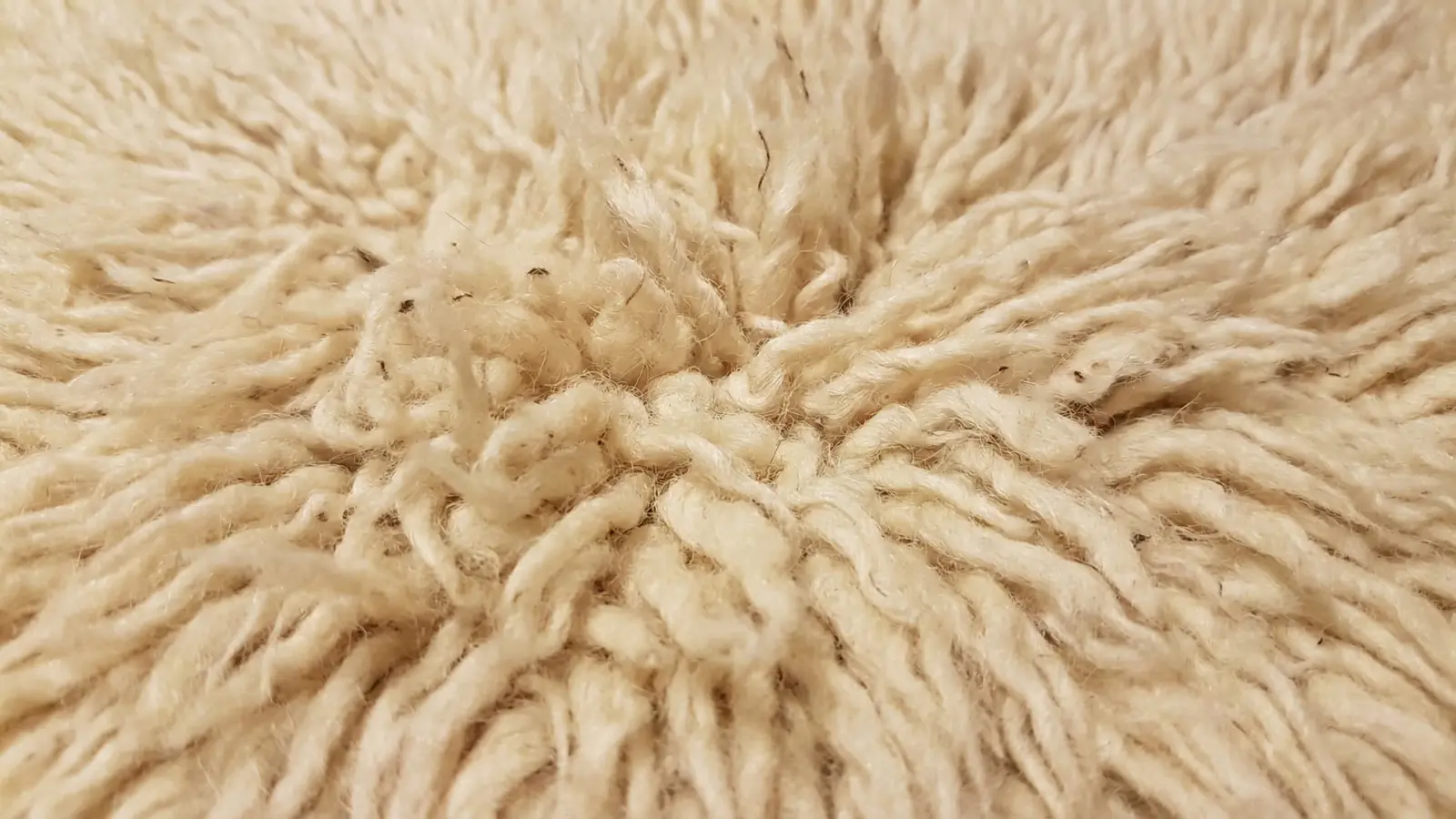
Wool is the only major natural fiber used in residential carpeting. It’s soft, naturally fire-retardant, and sustainable, making it the premium long-term investment for any room.
- Average cost: $8 – $25 per sq. ft.
- Stain resistance: Moderate (natural)
- Lifespan: 20+ years
10. Olefin Carpet
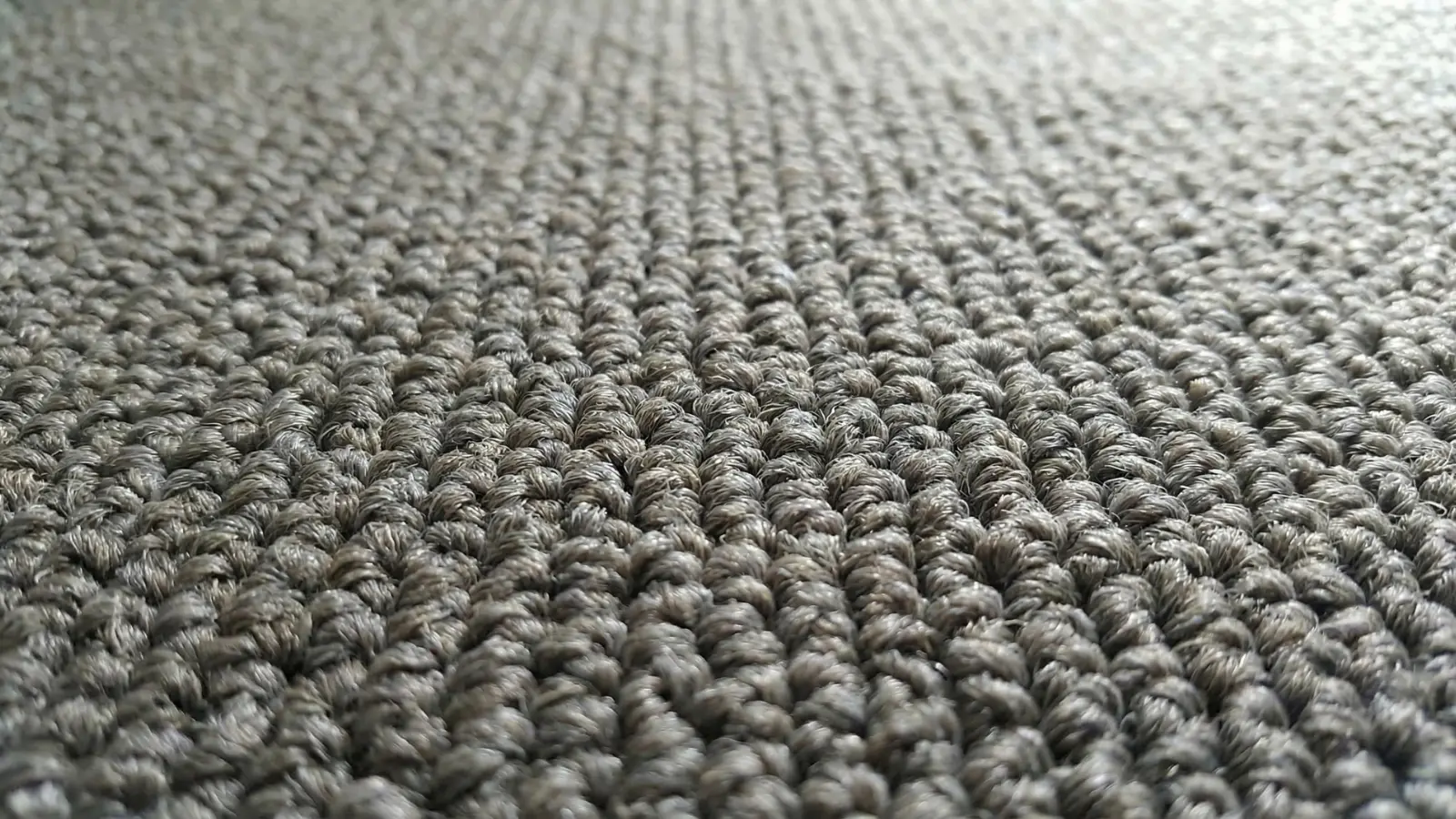
Olefin is the most moisture-resistant synthetic fiber available. Its solution-dyed construction makes it completely fade-resistant, making it the most practical choice for basements and moisture-prone spaces.
- Average cost: $0.70 – $5 per sq. ft.
- Stain resistance: Very high (solution-dyed)
- Lifespan: 5 – 7 years
Key Differences that Actually Matter when Choosing
With so many options available, most carpet decisions come down to three core trade-offs. Understanding these will help you cut through the noise and focus on what actually matters for your situation.
| Fiber | Durability | Stain Resistance | Best Value Scenario |
|---|---|---|---|
| Nylon | Very high | Moderate (surface treated) | High-traffic areas and the whole house |
| Polyester | Moderate | High (built-in) | Low-traffic rooms on a tight budget |
| Triexta | High | Very high (permanent) | Pets, kids, and busy households |
| Wool | Very high | Moderate (natural) | Premium spaces and long-term investment |
| Olefin | Moderate | Very high (solution-dyed) | Basements and moisture-prone areas |
Not all stain resistance works the same way. Surface-treated resistance, like nylon, wears off over time with cleaning and heavy use. Built-in resistance, like triexta and polyester, is permanent and never needs reapplication.
Buying cheap carpet for high-traffic areas almost always costs more in replacements over time. Match the fiber to the room first, then work within your budget from there.
Carpet Pile Height and What It Affects
Pile height measures how tall the carpet fibers are. It directly affects how the carpet feels, how it looks over time, and how easy it is to keep clean.
It falls into three categories: low, medium, and high.
1. Low Pile Carpets
Low pile has short, tightly packed fibers under half an inch tall. It’s the most practical option for busy areas.
- Easiest to vacuum and clean thoroughly
- Resists matting and flattening under heavy foot traffic
- Best for hallways, stairs, home offices, and high-traffic areas
- Good choice for allergy sufferers as it doesn’t trap particles easily
2. Medium Pile Carpets
Medium pile sits between half an inch and three-quarters of an inch tall. It’s the most versatile option for everyday residential use.
- Comfortable underfoot without sacrificing durability
- Handles moderate foot traffic well without breaking down quickly
- Easy to maintain with regular vacuuming
- Works well in living rooms, family rooms, and bedrooms
3. High Pile Carpets
High pile has fibers over three-quarters of an inch tall. It feels the softest underfoot but comes with real maintenance demands.
- Traps dirt, dust, and pet hair deep in the fibers
- Shows footprints and marks more easily than low or medium pile
- Flattens in heavily used spots over time
- Best reserved for bedrooms and low-traffic rooms only
| Pile Height | Fiber Length | Best For | Maintenance |
|---|---|---|---|
| Low | Under 0.5 inches | Hallways, stairs, offices | Easy |
| Medium | 0.5 – 0.75 inches | Living rooms, family rooms | Moderate |
| High | Over 0.75 inches | Bedrooms, low-traffic rooms | High |
Common Mistakes People Make When Picking Carpet
Even with the right information, a few simple oversights can lead to carpet that looks worn or needs replacing far sooner than it should.
- Choosing based on looks alone, without considering how the room is actually used day to day.
- Ignoring foot traffic levels and putting a soft bedroom carpet in a high-traffic hallway or staircase.
- Picking high-pile carpet for busy areas, which leads to matting, embedded dirt, and constant maintenance
- Overlooking maintenance requirements and choosing a carpet that doesn’t match your actual cleaning habits
- Skipping carpet padding to save money, which reduces comfort and shortens the carpet’s lifespan significantly
Getting these basics right before you commit to a style or color will save you a lot of frustration and money in the long run.
How to Choose the Right Carpet for Each Room
If you’ve read through everything above, you already have a solid understanding of how carpet works. But if you need a quick reference before heading to the store, here’s everything condensed into one place.
Best Options by Use Case
| Room or Situation | Best Construction | Best Fiber | Best Pile Height |
|---|---|---|---|
| Hallways and Stairs | Loop pile or Textured | Nylon or Triexta | Low |
| Bedrooms | Cut pile | Polyester or Wool | Medium to High |
| Living Rooms | Textured or Cut and Loop | Nylon or Triexta | Medium |
| Pets and Kids | Textured or Frieze | Triexta or Nylon | Low to Medium |
| Basements | Loop pile or Berber | Olefin or Nylon | Low |
| Budget Pick | Textured | Polyester | Medium |
| Premium Pick | Saxony or Plush | Wool | Medium to High |
Simple Rule of Thumb for Selection
Choosing carpet doesn’t have to be complicated. Follow these three steps, and you’ll land on the right choice every time:
- Start with the room: Think about foot traffic, moisture, and who uses the space daily. This narrows down your construction and pile height immediately
- Pick your fiber next: Match the fiber to your lifestyle. Heavy use and pets point toward triexta or nylon. Comfort and low traffic point toward polyester or wool. Moisture concerns point toward olefin
- Choose style and color last: Once construction and fiber are decided, everything else is personal preference. Pick the color and style that works best with your home’s look and feel
The most important thing to remember is that the best carpet isn’t the softest one or the cheapest one. It’s the one that matches how you actually live in your home.
Conclusion
Choosing the right carpet comes down to three things: construction, fiber, and pile height. Get those right for each room, and everything else follows naturally.
Always match the carpet to how the room is actually used, not just how it looks in the store. A carpet built for your lifestyle will always outperform one chosen purely for appearance.
Use this guide as your reference every time you shop. Whether it’s one room or a whole house, the right choice is always the one that fits how you actually live.
Frequently Asked Questions
How Long Does Carpet Usually Last?
Most synthetic carpets last 20 or more years with proper care. Olefin and natural fiber options like jute have a shorter lifespan of around 5 to 7 years.
Do I Need Carpet Padding?
Yes. Padding makes carpet feel softer, extends its lifespan, improves insulation, and dampens sound. Skipping it shortens the life of even the best carpet significantly.
What Type of Carpet is Easiest to Clean?
Low-pile carpet with built-in stain resistance, like triexta or polyester, is the easiest to maintain. It vacuums easily and handles spills without much effort.
What Are Those Fancy Carpets Called?
Premium carpet styles like Saxony and plush cut pile made from wool fiber are considered the most luxurious options. They offer an upscale look and an exceptionally soft feel underfoot.


