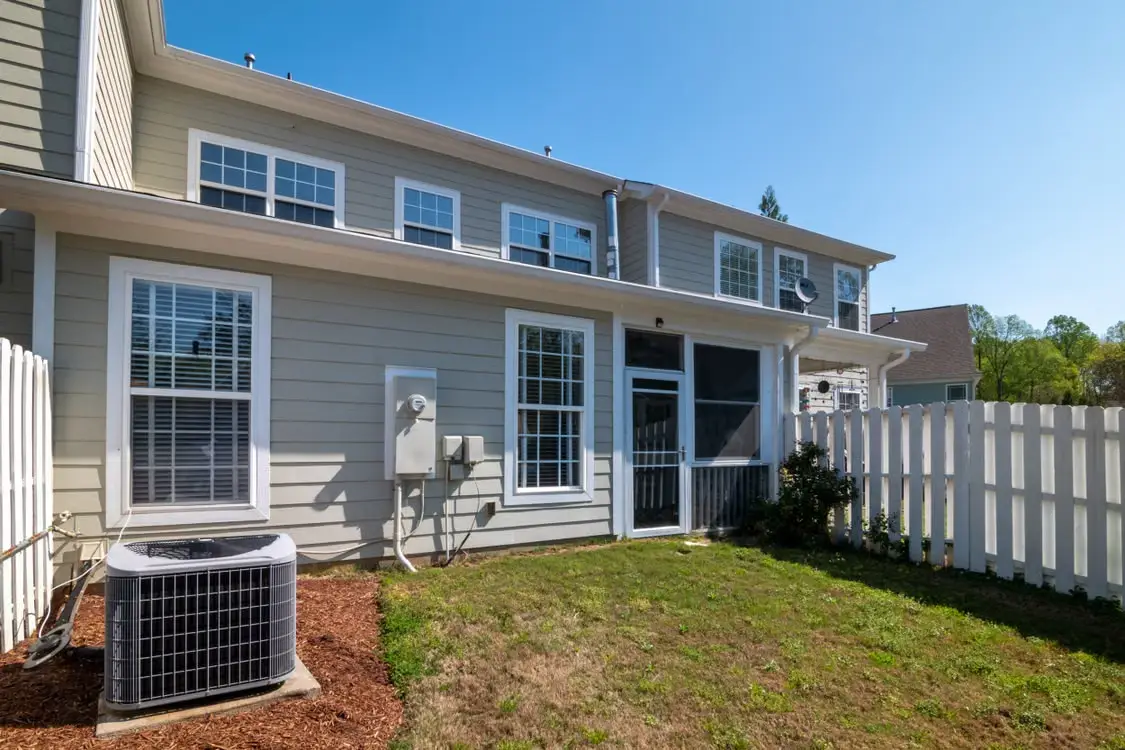
The Complete Guide to Whole Home Generators: What Homeowners Need to Know
Losing power can turn your cozy home into a cold, dark mess in minutes. That’s why more homeowners are turning to generac whole home generators to keep the lights on and life running smoothly.
Companies like Binsky Home Service make this easy with 24/7 help for AC and heating installs and repairs, furnace and boiler upkeep, plumbing fixes, water heater service, and electrical work like wiring, outlets, and generator setup.
They even help answer common questions, like how much does ac repair cost, so homeowners can plan ahead. With the right team, your home stays safe, efficient, and comfortable all year.
What Is a Whole Home Generator?
A whole home generator is a backup power system built to keep your entire house running during an outage.
Unlike small portable generators, it turns on by itself the moment the power goes out, so you never sit in the dark waiting.
It runs on natural gas or propane, which means steady fuel without constant refills. This makes it a smart, low effort way to protect your home and family.
Why Homeowners Need One

Power outages can hit at any time, and a whole home generator keeps your fridge, sump pump, and medical equipment running when it matters most.
It also keeps your heating and cooling system alive, so your home stays comfortable no matter the weather outside.
For anyone working from home, it means your internet and devices stay powered too.
Beyond convenience, a generator can boost your home’s resale value. Most of all, it gives you peace of mind when storms or emergencies strike.
How Generac Whole Home Generators Work
Generac systems are built to react fast and run smart. They use smart technology to protect your home the moment power drops.
Automatic Transfer Switch
This small but mighty device senses a power outage right away. It switches your home from utility power to generator power in seconds. You don’t have to lift a finger or flip a switch yourself.
It also switches back once utility power returns, keeping things simple.
Proper Sizing for Your Home
Every home has different power needs based on size and appliances. Generators are rated in kW, and choosing the right size matters a lot.
Too small, and it won’t handle your whole home’s demand. A professional can help match the right unit to your household.
Quiet and Weatherproof Design
Modern generators run quietly, so they won’t disturb your peace at home.
They’re built with weatherproof housing to handle rain, snow, and heat. This means your generator stays protected outdoors all year long. It’s designed to work hard without being an eyesore or nuisance.
Smart Electrical Integration
These generators connect directly into your home’s electrical panel. This allows power to flow safely to the rooms and systems that need it.
Proper wiring is key to making sure everything runs without a hitch. A licensed electrician ensures the whole setup meets safety codes.
Installation Process
Installing a whole home generator takes careful planning and the right team on the job. Here’s a quick look at what the process involves from start to finish.
| Step | What Happens |
|---|---|
| 1. Site Assessment | A technician checks your property to find the best spot for the unit. |
| 2. Permits and Approvals | Local permits are pulled to make sure everything meets code. |
| 3. Gas and Electrical Lines | Gas lines and electrical wiring are connected safely to the unit. |
| 4. Testing and Setup | The system is tested to confirm it turns on and works properly. |
Hiring a licensed professional for installation isn’t just smart, it’s necessary for safety and code compliance. A poorly installed generator can create serious risks down the road.
Special Tip: Always ask your installer to walk you through a test run so you know exactly how your generator works before you actually need it.
Maintenance Tips to Keep Your Generator Ready
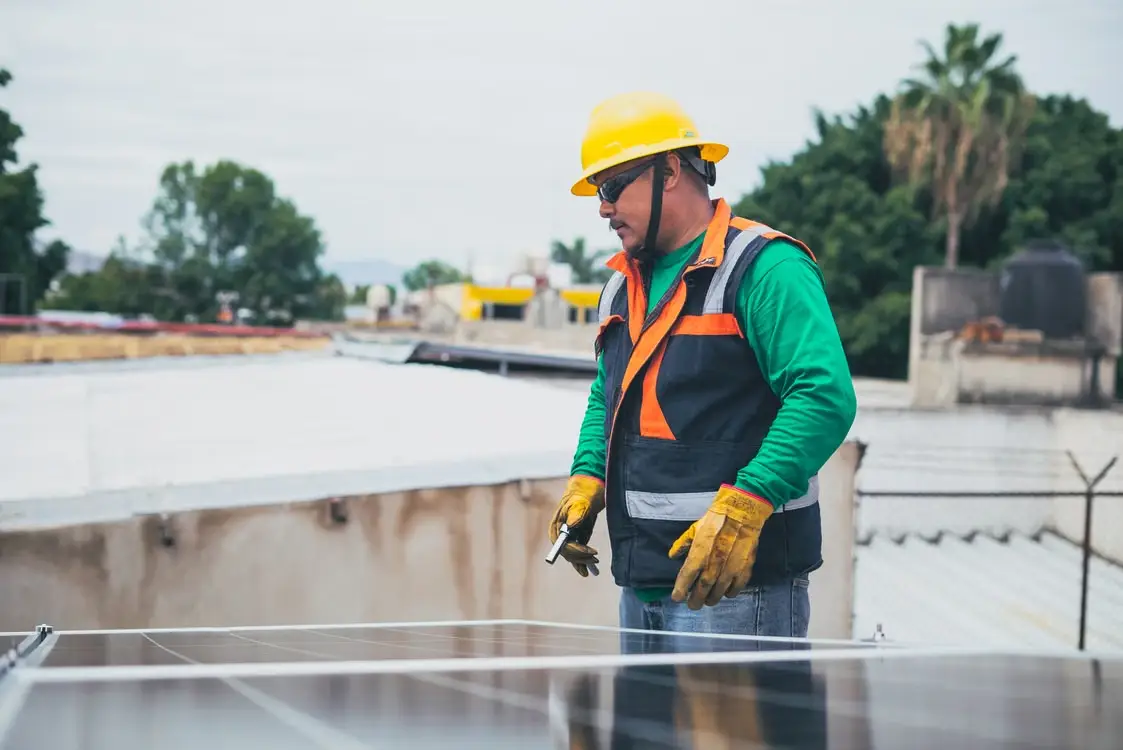
Regular maintenance keeps your generator ready when you need it most.
Simple things like checking the oil and inspecting the battery go a long way. Testing your generator before storm season hits helps catch small issues early.
You can handle some basic checks yourself, but a professional maintenance plan covers the details you might miss.
Staying on top of upkeep means your generator won’t let you down during an emergency.
Signs You Need a Generator Upgrade or Repair
Generators don’t last forever, and knowing the warning signs can save you from being caught off guard. Watch for these common red flags before they turn into bigger problems.
- Age: Your generator is over 15 years old and struggles to keep up.
- Frequent Failures: It shuts off or fails to start more often than it should.
- Inconsistent Power: The power output flickers or feels unreliable during use.
- Strange Noises: Loud or unusual sounds point to a mechanical issue.
- Fuel Inefficiency: It burns through fuel faster than it used to.
Catching these signs early can help you avoid being left without power when you need it most.
Choosing the Right Generator Size for Your Home
Picking the right generator size depends on a few key factors.Think about your home’s square footage, along with major appliances like your AC, furnace, and water heater.
If anyone in your home relies on medical equipment, that’s an important factor too.
Working with a licensed electrician takes the guesswork out of sizing. They can calculate your exact power needs so you get a generator that fits your home perfectly.
Conclusion
A whole home generator isn’t just a nice extra, it’s a smart investment in your home’s safety and comfort. From keeping your fridge running to protecting your HVAC system, the benefits add up fast.
It also means your family stays warm, your food stays fresh, and your daily routine barely skips a beat during an outage.
Partnering with a trusted, licensed team makes the whole process simple and stress free, from choosing the right size to handling installation and upkeep.
When the power goes out, you’ll be glad you didn’t wait until the storm hit to prepare. Power outages come and go, but real peace of mind sticks around.