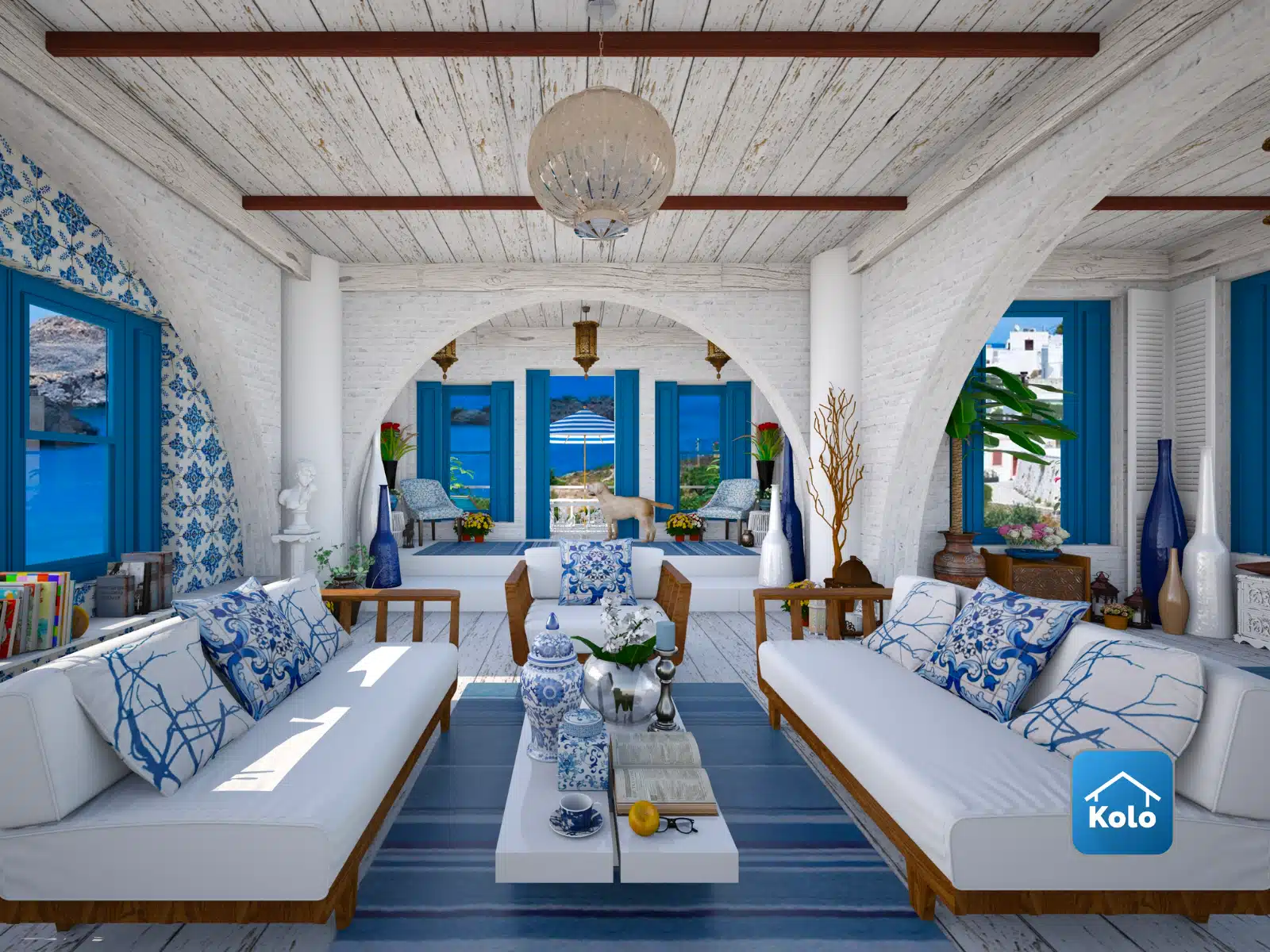
Sustainable Design Choices When Starting Fresh in a New Home
Moving into a new house brings endless possibilities. It’s a moment to shape your living space with purpose and care. Choosing eco-friendly approaches helps you save energy, reduce waste, and create a healthier environment for your family.
Whether you are remodeling or decorating, adopting sustainable practices from the beginning sets the right foundation. This guide explores practical design choices that make sustainability feel effortless while helping you enjoy the process of starting fresh in a new home.
Building a Foundation of Comfort
Before adding décor or furniture, think about how your home feels at its core. Insulation, natural airflow, and efficient window placement influence comfort and energy use. Well-sealed walls and floors prevent heat loss in winter and keep interiors cool in summer.
Sunlight plays a major role in sustainable comfort. Large south-facing windows invite warmth and brightness during the day. Complementing natural light with LED fixtures reduces electricity use and supports your circadian rhythm.
Setting the Mood with “Home Sweet New Home”
Nothing defines a space more than the emotion it evokes. Using non-toxic paints and natural finishes lets you personalize your interiors without releasing harmful fumes. Products with low or zero volatile organic compounds (VOCs) improve indoor air quality while offering long-lasting color.
Adding plants gives any room a refreshing energy. They naturally filter air and create visual softness that helps you feel connected to your surroundings. Sustainable materials and conscious product choices make every detail part of your home’s sweet new home story.
Choosing Reusable Materials for Long-Term Value
Durability is the heart of sustainable living. Opt for materials that age well and can be reused or repurposed later. Reclaimed wood, bamboo flooring, or recycled metal accents blend character with environmental responsibility.
Recycling does not end with materials. Consider reupholstering older furniture or refinishing vintage finds instead of buying new. This approach saves resources, reduces waste, and adds depth to your home’s design.

Caption: Reclaimed wood and recycled materials bring warmth and purpose to your space, proving sustainability and timeless design can go hand in hand.
Strategies to Speed Up the Unpacking Process
Moving often feels endless, but planning helps you regain order faster. Labeling boxes by room and priority makes it easier to locate daily essentials. Setting up the kitchen and bedroom first ensures comfort and function from day one.
To speed up the unpacking, prepare a simple system. Sort items before moving, and donate what you do not need. This minimizes clutter and saves time once you arrive. A cleaner layout means less stress and more focus on making your space sustainable.
Energy Efficiency Starts with Everyday Habits
Smart habits make a bigger difference than you think. Turning off unused lights, unplugging idle devices, and air-drying clothes save electricity over time. Small changes compound into noticeable reductions in your bills.
Programmable thermostats optimize temperature control automatically. With motion-sensor lights and smart plugs, your home learns your patterns, reducing waste without added effort. Sustainability works best when convenience and intention align.
Smart Furniture and Minimalist Design
Less is often better for both aesthetics and sustainability when starting fresh in a new home. Multi-purpose furniture saves space and resources. A sofa bed, for instance, serves guests without requiring an extra room.
Minimalist design encourages mindfulness. By buying fewer but higher-quality items, you reduce manufacturing waste and keep your home clutter-free. Spaces designed for function, not excess, feel peaceful and purposeful.
Investing in Sustainable Materials for Stylish Homes
Modern design proves that sustainability and beauty can coexist. Using sustainable materials for stylish homes, such as cork, recycled glass, and eco-friendly textiles, adds elegance with a conscience. These materials are renewable, easy to maintain, and support ethical production.
Natural stone and clay finishes regulate temperature and humidity, offering timeless style. Combined with thoughtful lighting and design flow, they turn sustainability into an aesthetic choice rather than a restriction.
Water Conservation Through Smart Design
Eco-conscious living also includes how you use water. Installing low-flow faucets and dual-flush toilets reduces waste without compromising comfort. Rainwater harvesting systems and drought-tolerant landscaping keep outdoor spaces green without excess use.
In the kitchen, choosing energy-efficient dishwashers and mindful habits—like washing full loads—makes a meaningful difference. Every drop saved contributes to a more sustainable future while lowering your household expenses.
Embracing Sustainable Style in Every Room
Consistency brings balance. Whether decorating the living room, bathroom, or bedroom, focusing on sustainable style keeps your home cohesive. Linen curtains, organic cotton bedding, and locally crafted décor pieces enhance comfort while supporting eco-friendly artisans.
Even small updates matter. Replacing plastic containers with glass jars or using biodegradable cleaning products makes your daily routines greener. Sustainability is a continuous choice reflected in how you live, not just what you buy.

Caption: Small, consistent choices—like linen, glass, and natural fabrics—create harmony and show that sustainable style is a daily way of living.
Outdoor Design That Complements Nature
Your exterior deserves as much thought as the interior. Choose native plants that require less watering and attract beneficial wildlife. Outdoor furniture made from recycled or FSC-certified wood withstands the elements while respecting forests.
Permeable pavers reduce runoff and allow rainwater to replenish the soil. Solar garden lights add charm while using renewable energy. A well-planned outdoor space can extend your living area while keeping your footprint light.
Long-Term Rewards of Eco-Friendly Living
Sustainable homes age gracefully. Energy-efficient construction, natural materials, and thoughtful design lower maintenance costs and improve resale value. The air feels cleaner, the lighting softer, and your conscience lighter.
More than financial savings, these choices influence your lifestyle. Living in a home built with purpose inspires mindful consumption and long-term gratitude. Sustainability is both a practical and emotional investment in your future.
The New Beginning: Starting Fresh in a New Home
Every move marks a new chapter filled with choices that shape your daily comfort and long-term impact. Embracing sustainable design means thinking ahead—about energy, materials, and health. As you settle in, let small, conscious habits become second nature.
With every recycled plank, efficient bulb, and native plant, you create a home that supports your values. True fulfillment comes not from perfection but from progress. Let your commitment to a greener lifestyle define this exciting phase of starting fresh in a new home.