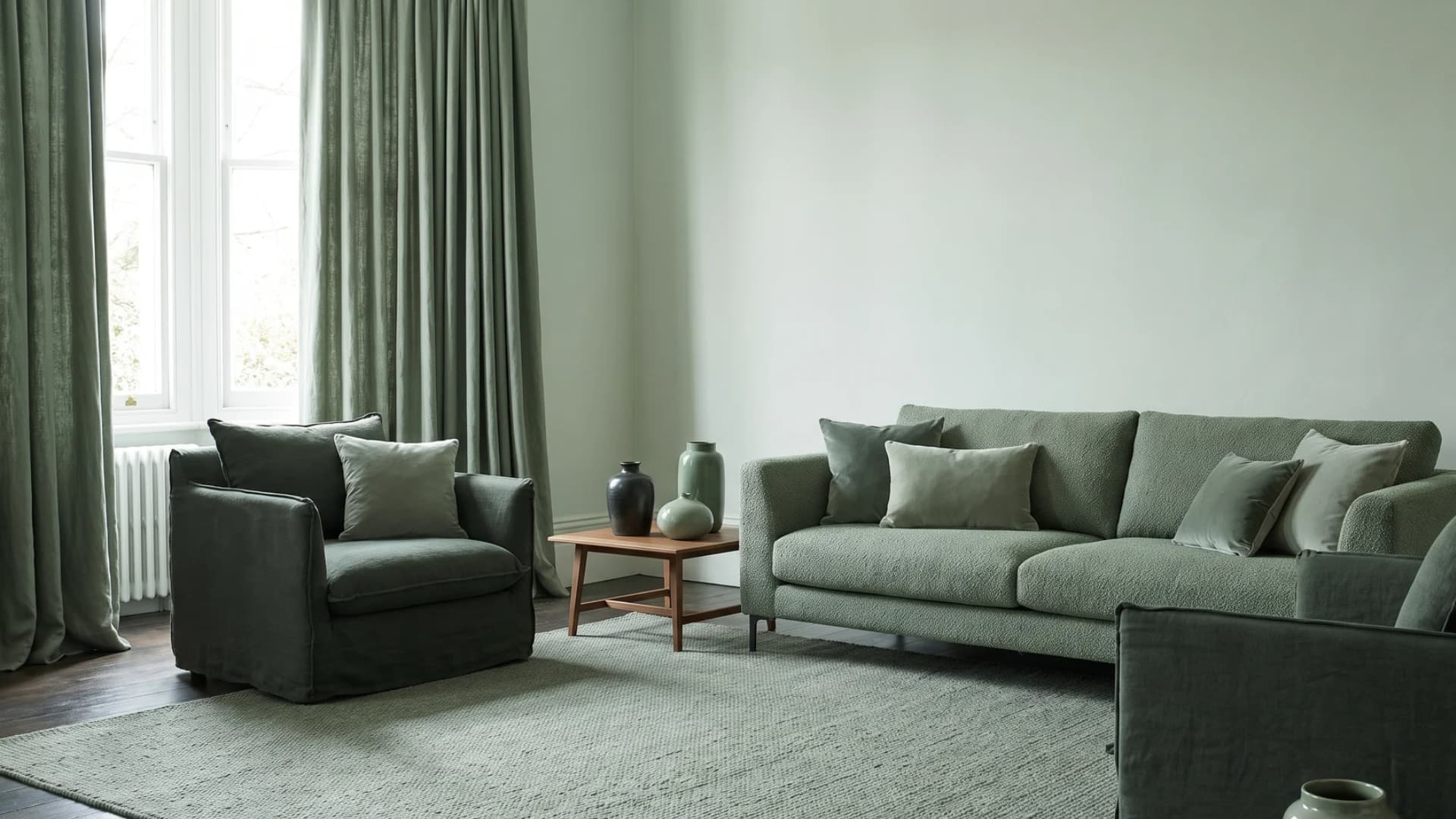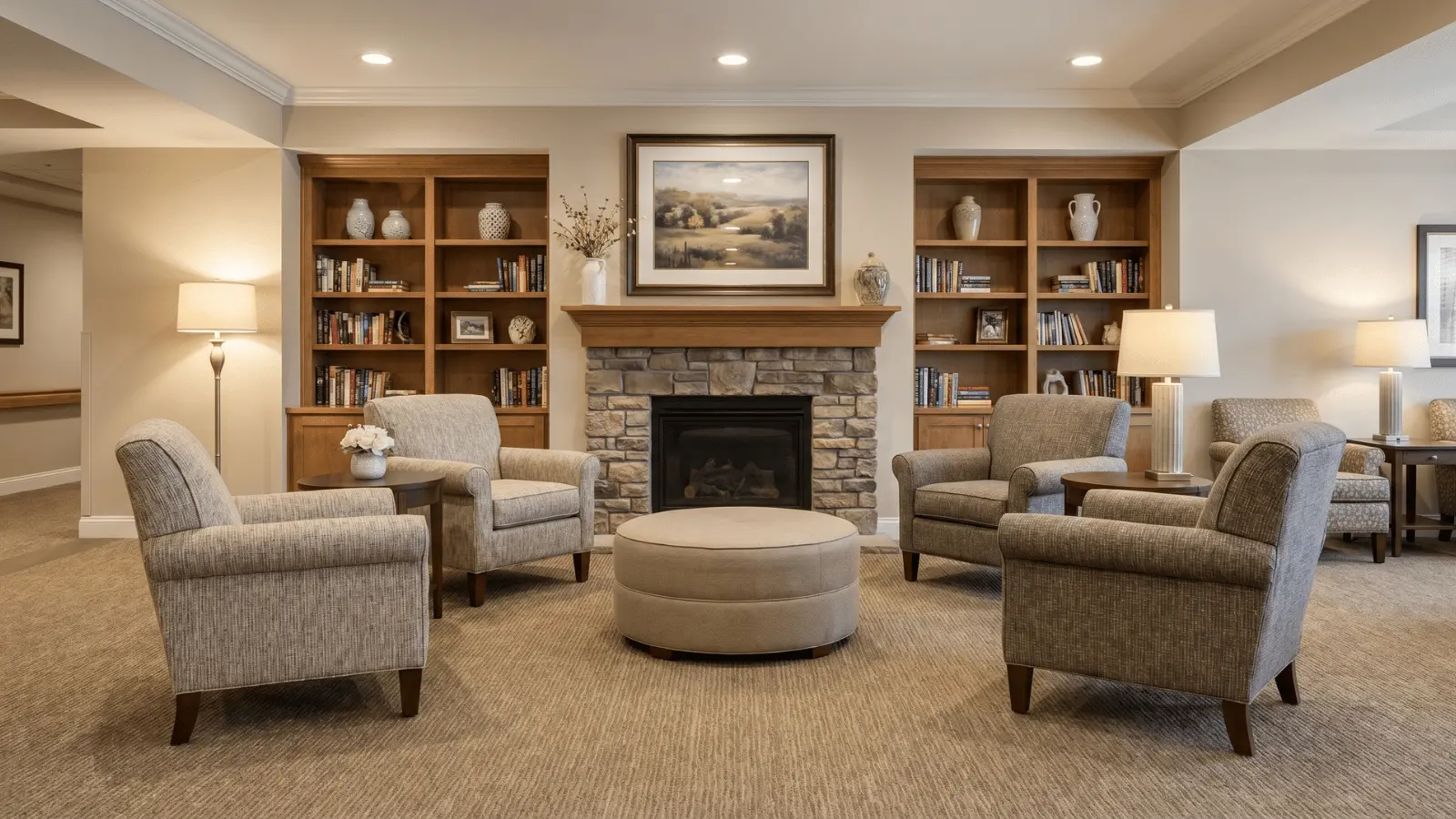
What Is Senior Living Interior Design?
A space that feels difficult to navigate can quickly affect an older adult’s comfort, confidence, and independence. Senior living interior design focuses on creating environments that support safer movement, easier routines, and greater accessibility.
Carefully planned lighting, layouts, materials, and accessibility features can reduce daily challenges while making spaces feel welcoming and familiar. Effective design balances safety requirements with warmth, comfort, and personal dignity.
The key principles, practical features, and planning choices behind well-designed senior living spaces help create environments that support residents’ everyday experiences and encourage a more comfortable lifestyle.
Concept of Senior Living Interior Design
Senior living interior design creates safe, comfortable spaces for older adults in independent living, assisted living, and memory care settings. It combines accessibility, safety, and residential design principles.
Unlike traditional commercial spaces, it considers aging needs such as mobility, vision, comfort, and daily routines. Every detail supports easier movement and better experiences.
Design choices like lighting, flooring, materials, and layouts help create familiar, supportive environments while preserving personal identity and dignity.
Each care setting has different goals. Independent living encourages autonomy, assisted living supports daily activities, and memory care uses design cues for orientation.
What Specialized Design Actually Changes?
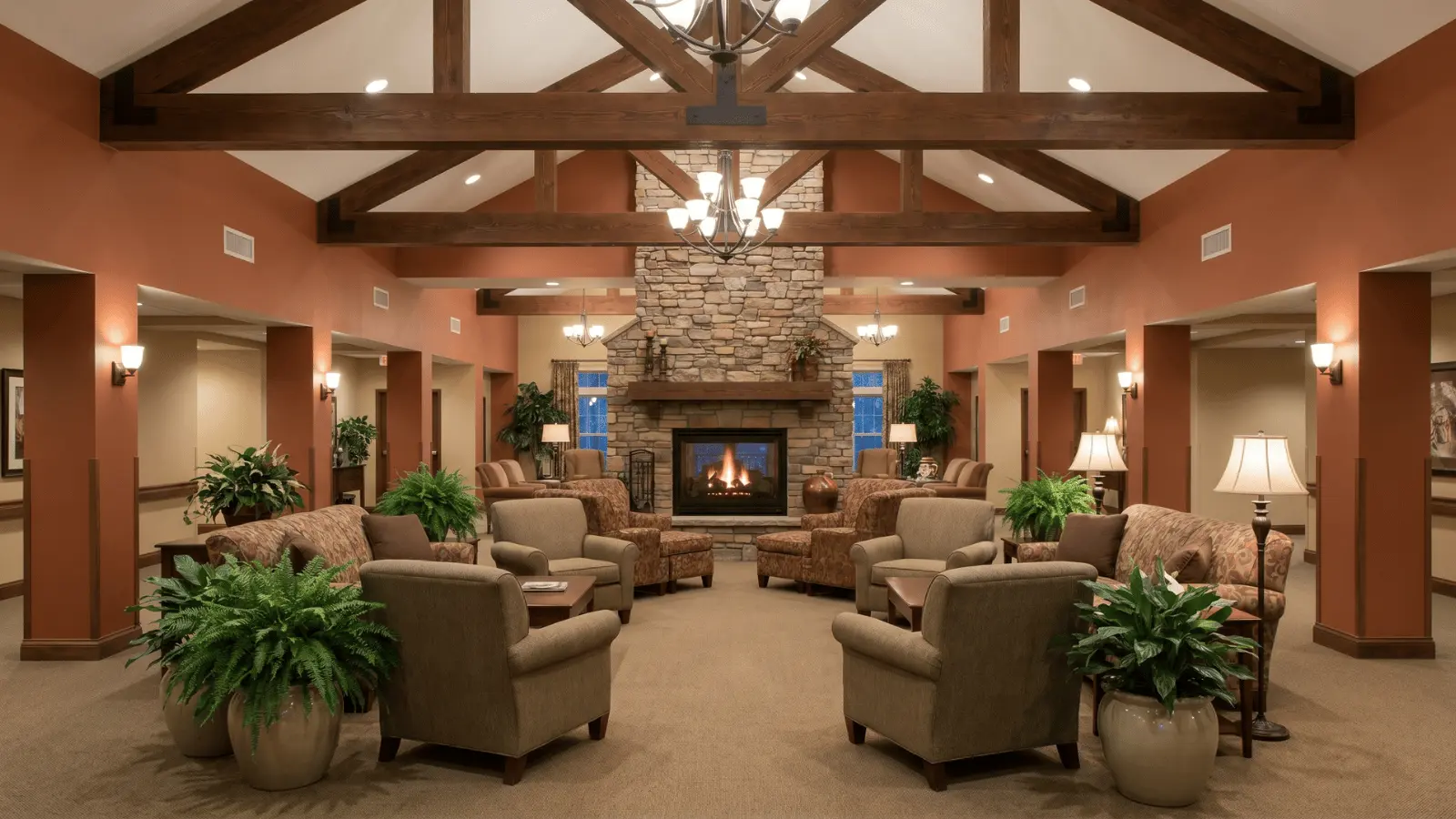
Senior living design adapts spaces to match different care levels, focusing on residents’ safety, comfort, and daily needs.
It goes beyond appearance by creating environments that support movement, independence, and overall well-being.
- Independent Living: Encourages freedom, personal choice, and easy movement while supporting an active lifestyle.
- Assisted Living: Adds practical support features while maintaining a familiar, home-like environment.
- Memory Care: Uses clear layouts, sensory cues, and supportive elements to improve orientation and comfort.
Each care setting requires a different approach based on residents’ physical, emotional, and cognitive needs. Thoughtful planning creates spaces that balance independence, safety, and quality of life.
The Core Components of Senior Living Interior Design
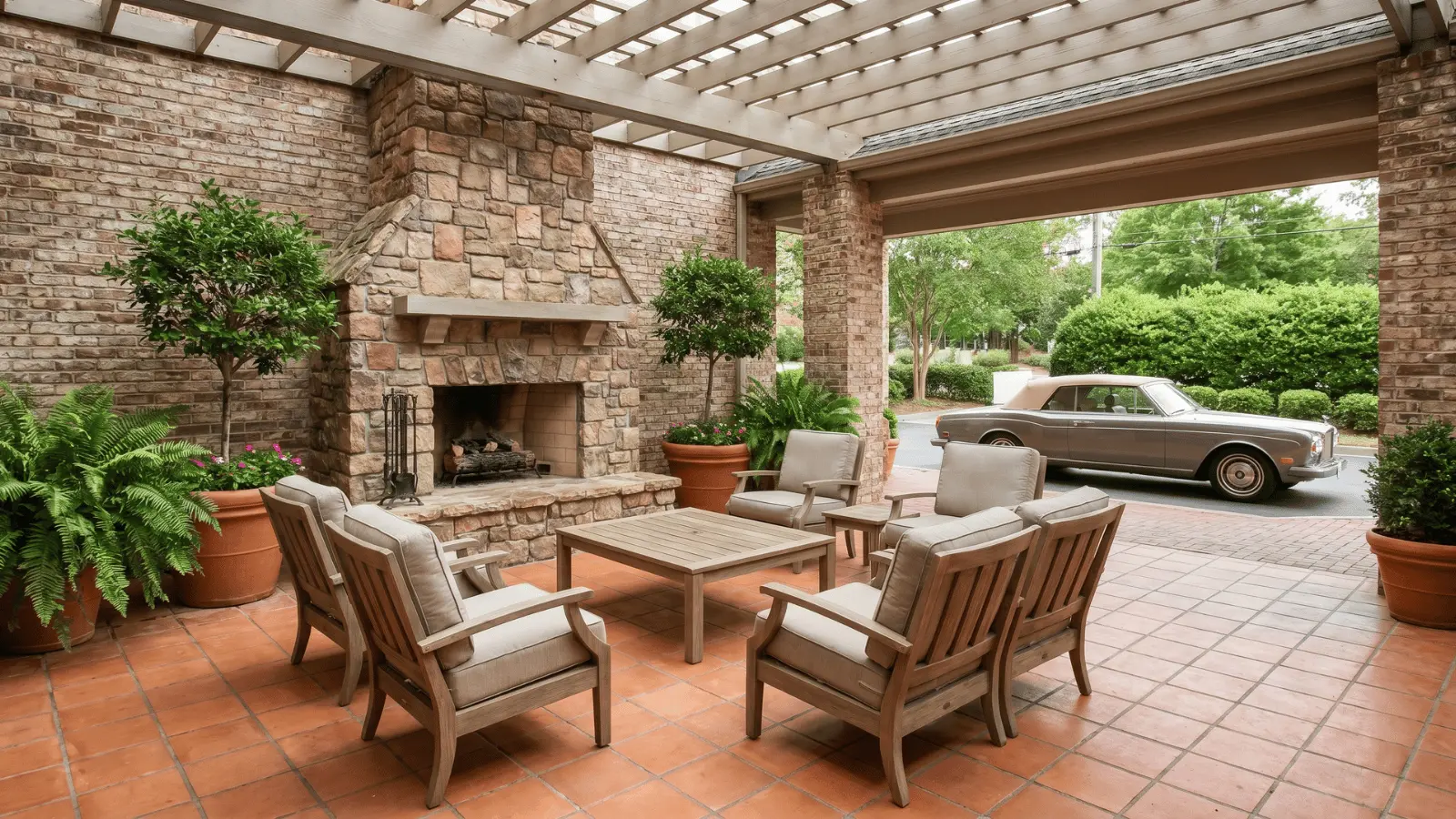
Senior living interior design focuses on accessibility, comfort, connection, and cognitive support. These principles create safer spaces that improve independence, daily ease, and resident well-being.
1. Safety and Accessibility
Senior living spaces require accessible features like wide corridors, slip-resistant flooring, and supportive fixtures to reduce physical barriers.
Beyond ADA standards, thoughtful design helps prevent falls, improve movement, and reduce the effort needed for daily navigation.
2. Sensory and Spatial Optimization
Design must address age-related changes in vision and rhythm through features such as matte flooring, high contrast, and balanced lighting.
These choices improve visibility, reduce confusion, and create environments that better support comfort and orientation.
3. Social and Community Spaces
Shared areas such as open kitchens, lounges, and outdoor spaces encourage connection while reducing isolation among residents.
Residential-style layouts help create familiar environments where social interaction and personal identity remain important.
4. Wayfinding and Cognitive Support
Clear paths, consistent signs, color cues, and recognizable landmarks help residents move through spaces with less confusion.
This approach is especially important in memory care, where the environment supports orientation and daily independence.
Current Material and Design Standards in Senior Living
Senior living material and design standards focus on creating spaces that support safety, comfort, and everyday usability.
Modern specifications prioritize practical features such as visibility, acoustics, familiarity, and ease of movement over appearance alone.
Material Standards
Material selection in senior living design goes beyond appearance. Each surface, texture, and finish is chosen to improve safety, comfort, accessibility, and the overall residential feel of the space.
| Material | Approach | Purpose |
|---|---|---|
| Flooring | Matte LVT, low-pile carpet, rubber | Reduces glare and fall risks |
| Walls | Textured, soft finishes | Adds warmth and comfort |
| Wood & Stone | Natural tones, porcelain finishes | Creates a residential feel |
| Upholstery | Soft, acoustic fabrics | Improves comfort and sound control |
| Surfaces | Low-gloss finishes | Reduces visual confusion |
Thoughtful material choices help create environments that are easier to navigate, reduce common safety concerns, and support residents’ physical and sensory needs while maintaining a warm, familiar atmosphere.
Design Standards
Design standards in senior living spaces focus on creating environments that support comfort, independence, safety, and social engagement.
| Design Element | Approach | Purpose |
|---|---|---|
| Lighting | Layered lighting | Improves comfort and visibility |
| Furniture | Conversation layouts | Encourages interaction |
| Kitchen Planning | Open kitchen-dining | Creates familiarity |
| Spatial Planning | Residential scale | Reduces institutional feel |
| Thresholds | High-contrast edges | Improves safety |
| Acoustics | Sound control | Reduces noise |
These design strategies help reduce physical barriers, improve navigation, and create spaces that feel welcoming rather than institutional.
Tip: Prioritize durable, low-maintenance materials and thoughtful layouts to create senior living spaces that remain safe, comfortable, and functional over time.
Conclusion
Thoughtful senior living interior design can shape spaces that help residents feel more comfortable, respected, and supported every day. The right environment can improve confidence, encourage connection, and create a stronger sense of belonging.
Small design decisions can have a lasting impact on how people experience care and daily routines. Consider the needs of residents first when planning or updating a senior living space.
Create spaces that support comfort and dignity with thoughtful design choices.
What design features do you think matter most in senior living spaces? Share your thoughts below.
Frequently Asked Questions
How Does Technology Influence Senior Living Interior Design?
Technology supports safer, more convenient spaces through features such as smart lighting, emergency systems, and automated controls. These additions can improve comfort while helping residents maintain independence.
Why Is Personalization Important In Senior Living Spaces?
Personal touches help residents feel connected to their surroundings and create a stronger sense of familiarity. Personalized rooms can support emotional well-being and make spaces feel more like home.
How Can Senior Living Design Support Staff Efficiency?
Well-planned spaces help caregivers move easily, access important areas quickly, and provide better support. Efficient layouts can improve daily operations while maintaining a comfortable resident experience.