Redefining Home in the Age of Extreme Heat
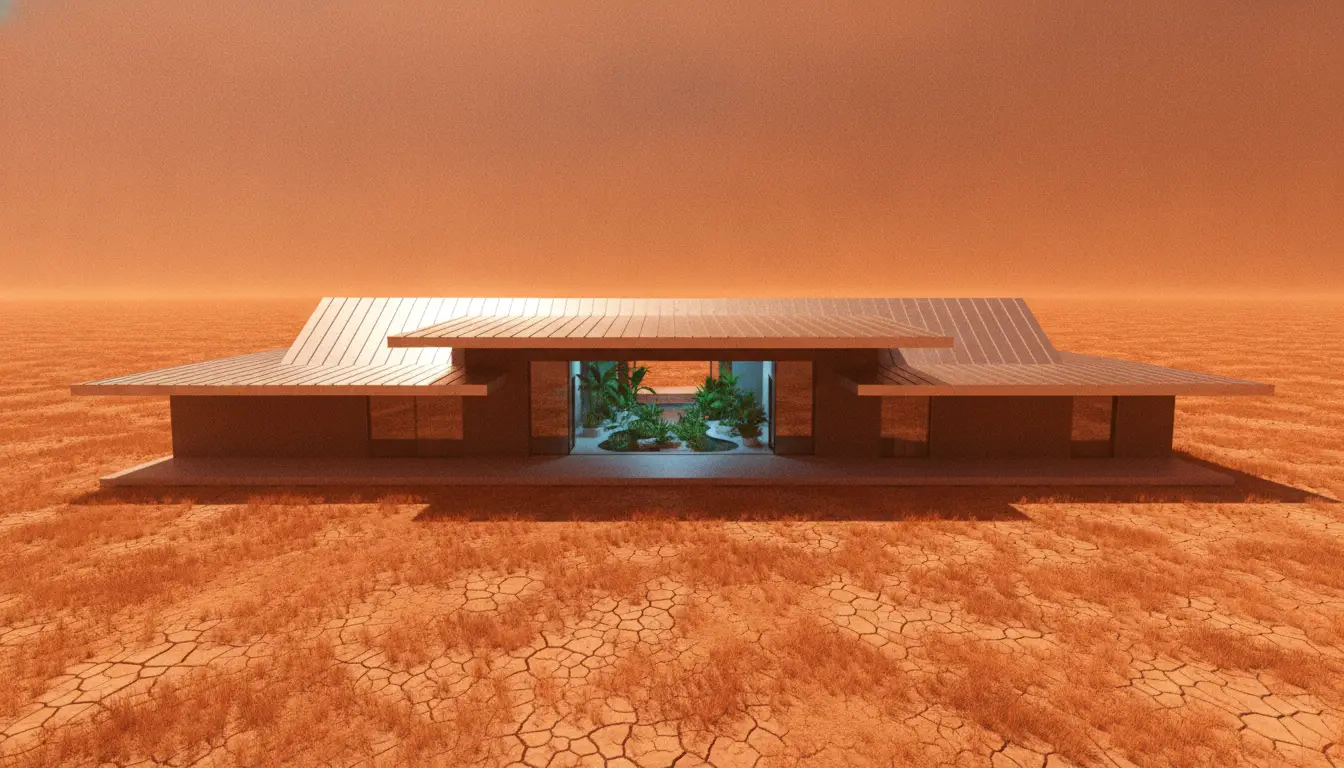
Homes have always been places of solace and safety. However, in an age of extreme heat and unpredictable temperatures, it’s become even more important for homeowners to integrate smart design, insulation improvements and efficiency upgrades without depending on energy-hungry systems. That way, the home can better protect itself and stay cool, remaining a safe space amidst climate change.
How Hot Has It Been Getting Lately?
Breaking temperature records seems to occur almost cumulatively. The year 2024 was the hottest year on record, globally averaging temperatures over 1.5° Celsius above the average in the 1850 to 1900 period.
Another problem is that these heat waves and high humidity have been occurring much longer than before. As of 2024, the heat-wave season has extended by an average of 46 days since the 1960s. Climate assessments foresee additional days per year due to global warming.
The Traditional Approach to Managing Warmth
Previously, homes relied on mechanical systems like air conditioning for cooling comfort. The spaces themselves featured passive home design and thicker materials to optimize airflow and slow thermal transfer from the outside into the interior.
While it did work to an extent, designs often did not account for the energy wasted or the spaces’ resilience to extreme weather, likely because past temperatures were not as drastic as they are now.
Modern Goals with Handling Extreme Heat
Adaptiveness is critical to both comfort and survival, which is why it’s vital to redefine how prepared homes are. Here are the main goals home designs should meet.
Improve Energy Management and Consumption
Cooling remains essential to ensuring the home is livable. However, optimizing energy management and minimizing waste should be priorities. The better regulated the consumption, the fewer emissions a household will contribute to global warming. Participating in the fight against climate change can be the difference between facing extreme heat far in the future and turning the tide on global warming.
Increase Resilience to Different Weather
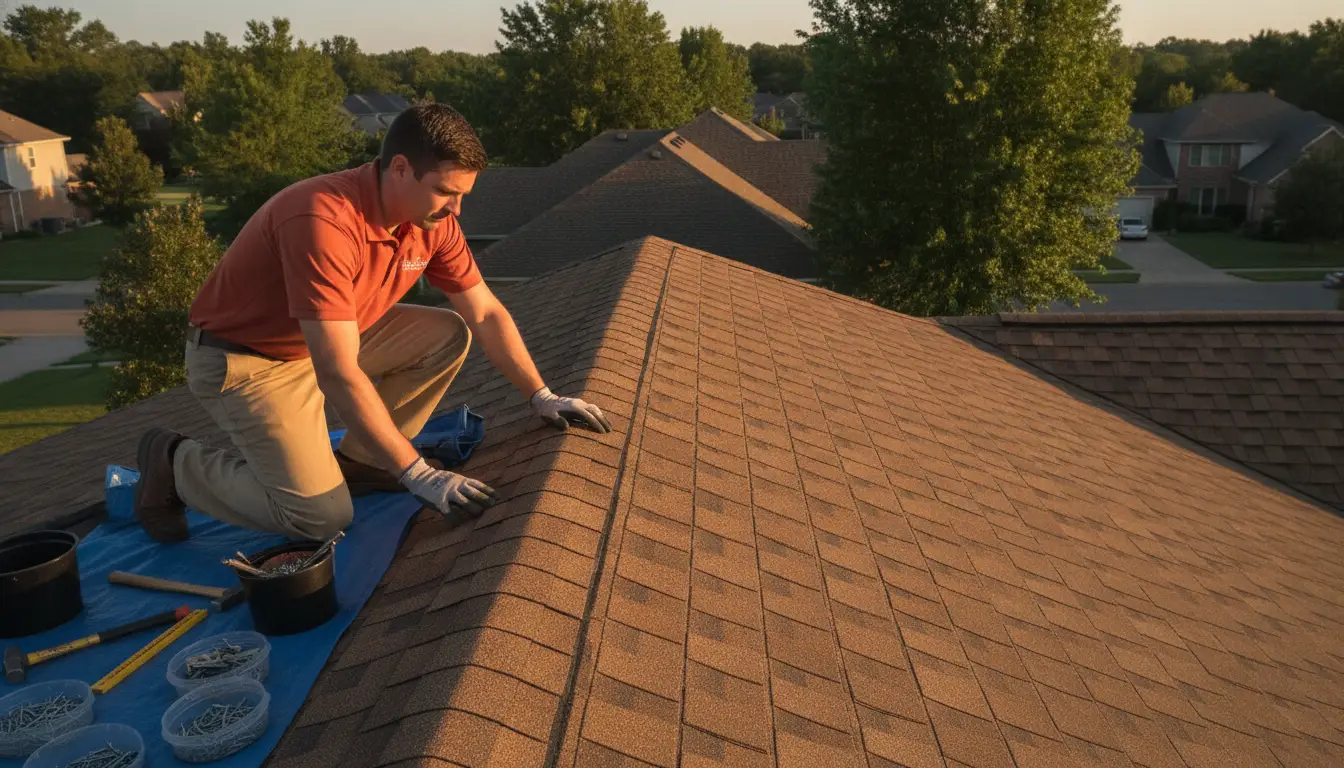
While it is critical to make a more energy-efficient home, it’s also vital to keep the foundation solid and weather-resistant. Extreme heat is notorious for warping the roofing and walls of buildings. Plus, it dries out the surrounding soil of the foundation, which can cause it to sink or settle unevenly.
Maintain Comfort and Safety
At the end of the day, a home must be energy-efficient and stronger to maintain personal comfort and safety. For those living with loved ones or pets, this goal becomes even more important.
Ways to Make Homes More Adaptable
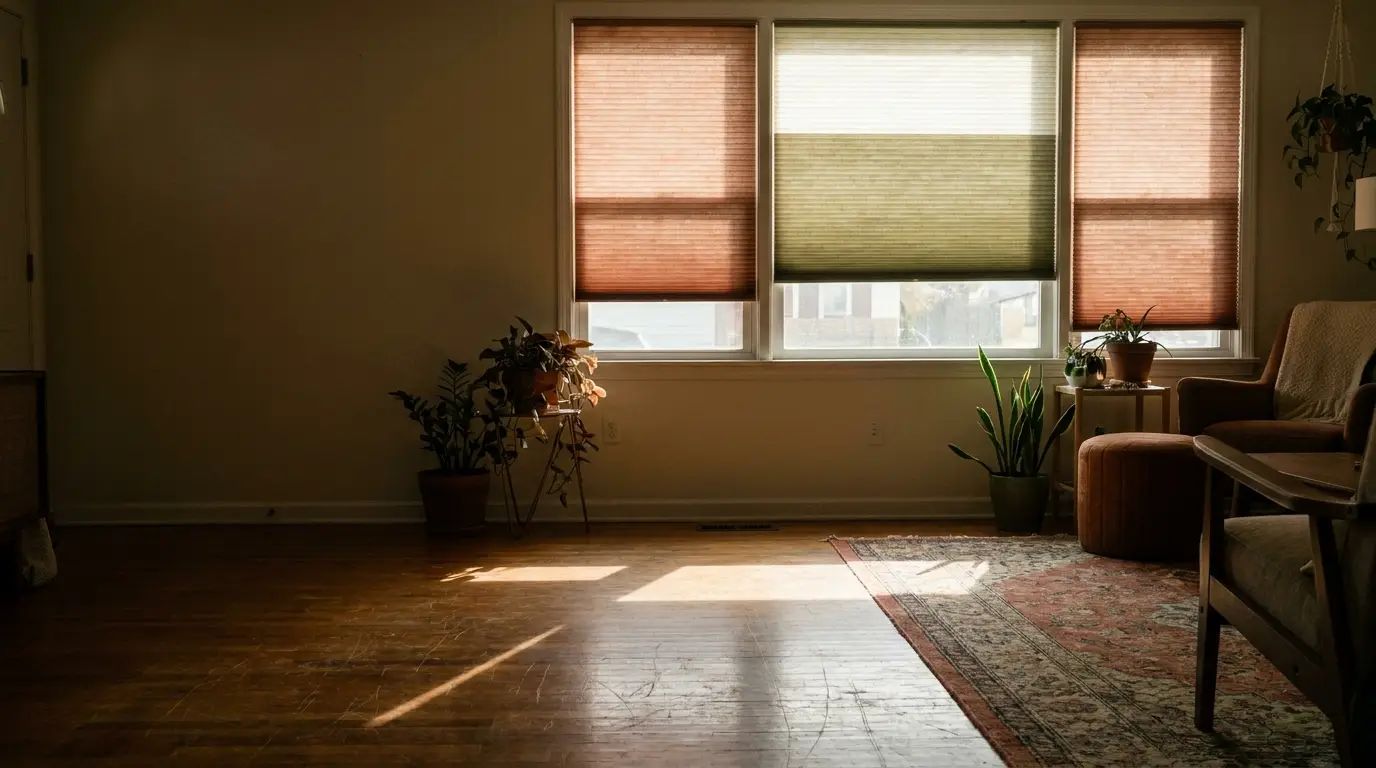
Retrofitting and improving several aspects can help a home withstand extreme heat better. Homeowners can start with these tips.
1. Utilize Smart Technology
Smart thermostats for heating and cooling systems can help schedule when these units turn on, giving homeowners more control over overall energy consumption. There are also smart plugs for stand-alone ceiling and portable fans. With the right programming, these can turn on when people are around.
2. Block Heat with Films and Blinds
Windows are subject to sunlight and the solar heat gain, but blackout curtains or thermal blinds can block some of that heat. Reflective window films can also be effective at deflecting radiant energy away from the home, which is needed during heat waves and general peak daytime temperatures.
3. Insulate Openings
Aside from windows, the doors can also affect airflow and thermal comfort inside the home. These openings should be well-insulated to prevent unwanted heat from entering and can reduce the environmental footprint while lowering utility costs. Since garage doors are the largest openings in a home, they are a good place to start.
4. Weatherproof Walls
Weatherproofing the walls can also help cover any holes and gaps that allow hot air to enter a home. It’s also an opportunity to ensure any cool air generated by your air conditioning units and fans doesn’t escape. Homeowners could save up to 20% on energy costs with weatherstripping, but should clean the walls beforehand to avoid trapping dirt, dust, or mold between the interior and the sealants.
5. Adjust Ceiling Fans
The direction in which ceiling fans spin can affect airflow. Clockwise is typically recommended for recirculating warm air throughout the room. However, when those hotter days occur, it’s better to set the ceiling fans to go counterclockwise instead. That way, it creates a stronger cooling breeze.
6. Add and Turn on Exhaust Fans
Exhaust fans are best known for removing moisture, smoke and odors for a fresher atmosphere. However, these are also critical for removing trapped hot air in the home. It can be especially helpful in stuffy areas of the home like the kitchen, bathroom and attic.
7. Get a Backup Generator
Most cooling systems rely on electricity, so they’ll likely shut down during an outage. A backup power source ensures everything continues to run smoothly. That said, it’s important to avoid wiring the generators since they can build up harmful feedback in the local electrical grid.
8. Utilize Efficient Appliances
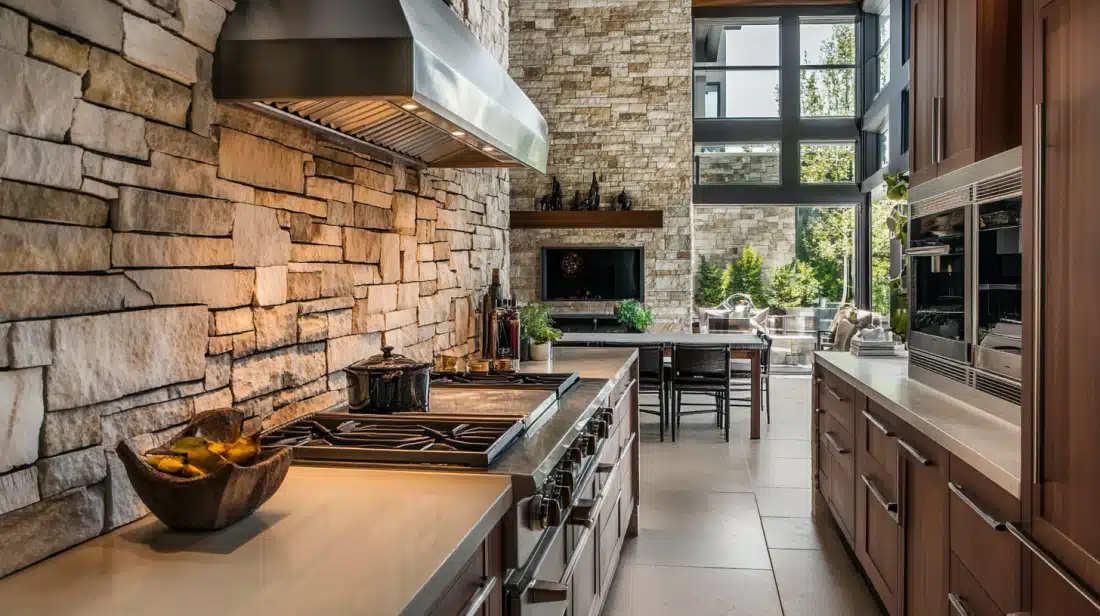
Some older cooking appliances, such as traditional stoves and ovens, can emit much more heat than newer models, rendering retrofitting solutions less effective than desired. It may be worth upgrading to more modern options, such as an induction stove and oven. Microwaves and air fryers are also ideal since they don’t radiate as much heat while warming and cooking food.
9. Swap out Lightbulbs
Lightbulbs also radiate a little extra heat, which can raise internal temperature more than some may think. Replacing them with low-heat LED bulbs helps avoid the additional heat. It also helps to build up the habit of turning off these lights when not in use.
10. Use Heat-Absorbent or Cooling Materials
Aesthetics matter when choosing a home’s finishing materials. That said, it’s best to account for the functionality of your options as well. Stone and ceramic tiles can provide a natural look while also absorbing heat. For the roofing, reflective coatings can deflect solar heat.
Modernize Homes Against Heat
As the seasons grow hotter than ever, it’s vital to redefine homes as spaces that adapt and protect rather than just regular shelters. These integrations can help make homes more weather-friendly as the climate continues to shift.