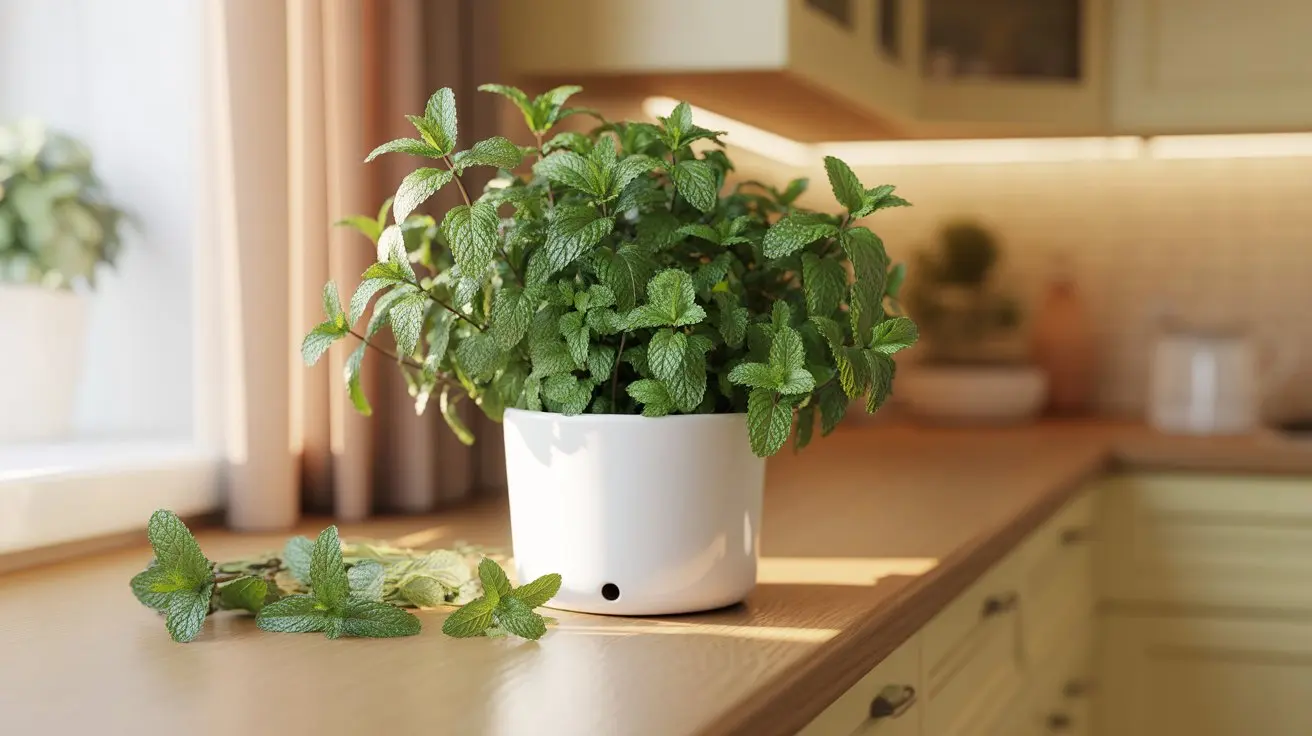
Prayer Plant Care: Keep It Healthy Indoors
Prayer plants can look dramatic even when something small is slightly off. Their patterned leaves can curl, fade, droop, or brown, leaving you wondering what changed.
I have found that these plants do best when their environment stays steady rather than being adjusted too often. Light, moisture, humidity, soil, and temperature all affect how the plant responds indoors.
Once you understand those basic needs, daily care feels much more manageable and less like guesswork. This blog covers the key aspects of prayer plant care and common issues you may encounter.
How to Care for a Prayer Plant Indoors
Prayer plants can be particular, but their routine becomes easier once you know what they respond to. Consistency matters more than making frequent changes to their environment.
Start by creating stable indoor conditions and checking the plant regularly rather than relying on a strict schedule. The sections below explain how to manage each part of prayer plant care as your plant grows.
Use loose, well-draining soil and a pot with drainage holes to protect the roots from excess moisture. During spring and summer, feed lightly and check the leaves regularly for pests, browning, curling, or other signs of stress.
Choosing the right pot matters more than most people expect. Drainage, material, and size all affect how quickly soil dries out between waterings, the same logic that applies when you think about designing functional spaces around moisture-sensitive needs.
A plastic or glazed ceramic pot retains moisture longer than terracotta, which can help in dry indoor environments.
How Prayer Plants Grow Indoors
Prayer plants have distinct growth habits that make them stand out from many common houseplants. Knowing these natural traits helps you recognize what to expect as your plant matures.
- Growth pattern: Prayer plants grow outward with low, spreading stems rather than developing tall, upright growth.
- Mature size: Indoors, they generally remain compact, making them suitable for shelves, tables, and smaller spaces such as reading nooks.
- Growth rate: Prayer plants can produce several new leaves during active growth, although the pace varies with indoor conditions and plant maturity.
- Leaf movement: Their leaves change position between day and night in response to light and their circadian rhythm.
Prayer Plant Light Requirements and Best Location

Light and location affect how colorful, full, and healthy your prayer plant looks. Choosing the right indoor spot can support steady growth and protect its delicate foliage.
1. Best Light for Prayer Plants
Prayer plants prefer bright to medium indirect light that mimics the filtered sunlight of their natural environment. This helps their colorful leaf patterns stay vibrant without causing damage.
Too little light may slow growth and make the foliage look less vivid. If the plant becomes sparse or weak, consider moving it to a spot with brighter indirect light.
2. Best Indoor Location
An east- or north-facing window can provide the gentle light a prayer plant prefers. You can also place it a few feet away from a brighter window.
Keep the plant away from heating vents, air conditioners, and cold drafts. Sudden temperature changes can stress the plant and contribute to curling leaves or brown edges.
3. Direct Sunlight
Strong direct sunlight can scorch prayer plant leaves and fade their distinctive patterns. Intense afternoon sun is especially likely to cause dry spots, discoloration, or crispy edges.
Use a sheer curtain to filter strong sunlight or move the plant farther from the window. Gentle morning sun may be suitable, but watch the leaves for signs of stress.
4. Rotating Your Prayer Plant
Rotate the pot every week or two so different sides of the plant receive similar amounts of light. This can encourage balanced growth and prevent stems from leaning toward the window.
Turn the pot gradually while keeping its overall location consistent. Stable growing conditions can reduce stress while encouraging a fuller, more evenly shaped prayer plant.
How Often Should You Water a Prayer Plant?

Water your prayer plant when the top inch of soil feels slightly dry, keeping it evenly moist but never soggy. Water thoroughly and let excess water drain before returning the plant to its usual spot.
| Watering Area | What to Do | What to Watch For |
|---|---|---|
| Soil moisture |
Water when the top inch feels slightly dry |
Completely dry or constantly wet soil |
| Watering amount |
Water thoroughly until excess drains out |
Standing water in the pot or saucer |
| Overwatering |
Allow the surface to dry slightly between waterings |
Yellow leaves, soft stems, or soggy soil |
| Underwatering |
Check the soil more often in warm, dry conditions |
Curling, drooping, or crispy leaves |
| Water quality |
Use filtered or distilled water if needed |
Brown tips from mineral-heavy tap water |
| Water temperature |
Use room-temperature water, not cold tap water |
Yellowing or cold shock after watering |
Prayer Plant Humidity and Temperature Needs

Prayer plants prefer warm, humid conditions, with humidity around 50–60% or higher and temperatures between 65-80°F (18–27°C). Keeping both conditions stable helps protect the foliage from curling, browning, and other stress.
- Maintain humidity: Use a humidifier or group houseplants together when indoor air is dry.
- Watch for low humidity: Brown, crispy edges and curling leaves can signal that the surrounding air is too dry.
- Use a pebble tray: A water-filled pebble tray can provide some localized humidity, although it is less effective than a humidifier.
- Keep temperatures stable: Avoid sudden shifts between warm and cool conditions throughout the day.
- Avoid cold drafts: Keep the plant away from drafty windows, exterior doors, and other cold areas.
- Stay clear of vents: Air conditioners and heating vents can create temperature swings and dry out the foliage.
- Adjust seasonally: Pay closer attention to humidity in winter when indoor heating can make household air much drier.
How to Repot a Prayer Plant
Prayer plants usually need repotting every one to two years because they grow slowly and tolerate being slightly root-bound.
Repot when roots circle the bottom, grow through drainage holes, or the soil starts drying much faster than usual. Spring is the best time because the plant is entering active growth and can recover more easily.
Choose a pot only one to two inches wider than the current container. An oversized pot can hold excess moisture and increase the risk of root rot. Use fresh, well-draining potting mix and a container with drainage holes.
Some drooping after repotting is normal. Keep the plant in its usual location, maintain good humidity, and avoid fertilizing for four to six weeks while the roots adjust.
Best Soil, Pot, and Fertilizer for Prayer Plants

Prayer plants need healthy roots to support lush, colorful foliage. The right soil, container, and feeding routine help balance moisture, drainage, and nutrients.
1. Best Soil
The best soil for a prayer plant should hold enough moisture while still allowing excess water to drain. A light, airy mix also gives the roots room to breathe.
- Choose: Loose, moisture-retentive, well-draining potting soil.
- Why: It keeps roots moist without leaving them waterlogged.
- Tip: Add perlite to improve drainage and airflow.
2. Right Pot
Choose a pot that provides reliable drainage and enough space for healthy root growth. The right container helps prevent excess moisture from collecting around the roots.
- Choose: A pot with drainage holes that comfortably fits the root ball.
- Why: Proper drainage lowers the risk of soggy soil and root rot.
- Tip: Avoid oversized pots because extra soil stays wet longer.
3. Fertilizing
Prayer plants benefit from light feeding during periods of active growth. Proper fertilizing supports new leaves and healthy foliage without overwhelming the roots.
- Choose: A balanced houseplant fertilizer, diluted according to label directions.
- Why: Regular feeding supports healthy foliage and new growth.
- Tip: Feed during active growth and reduce feeding when growth slows.
4. Soil pH
Prayer plants prefer slightly acidic to neutral soil, generally around pH 6.0–7.0. A suitable pH helps the roots access nutrients from the potting mix efficiently.
- Choose: Slightly acidic to neutral soil, around pH 6.0–7.0.
- Why: A suitable pH helps roots absorb essential nutrients effectively.
- Tip: Use a houseplant potting mix and test the soil if growth remains poor.
How to Prune a Prayer Plant?
Prayer plants benefit from occasional pruning to remove yellow, brown, damaged, or dying leaves. Trimming also keeps the plant tidy and helps control long or leggy growth.
Use clean, sharp scissors and remove damaged leaves close to the base. For long stems, trim just above a healthy node to encourage branching and support fuller, more balanced growth.
Spring and summer are ideal for heavier trimming because the plant is actively growing and can recover more easily. However, dead or damaged leaves can be removed whenever they appear to keep your prayer plant looking healthy and well-maintained.
Trimming just above a node does more than tidy up the plant; it signals the stem to produce new growth below the cut. If your prayer plant is looking sparse or one-sided, a few strategic cuts in early spring can dramatically improve its shape within a growing season.
Common Prayer Plant Problems and How to Fix Them
Even well-tended prayer plants show occasional signs of stress. Below is what each one usually means, and how to fix it.
| Symptom | Likely Cause | Fix |
|---|---|---|
| Brown or crispy leaf tips |
Hard tap water, low humidity, or excess fertilizer |
Switch to filtered/distilled water, raise humidity, cut back feeding |
| Curling leaves |
Underwatering, low humidity, or cold exposure |
Check soil moisture, move away from drafts, add a humidifier |
| Yellow leaves |
Overwatering, poor drainage, or natural leaf aging |
Let soil dry more between waterings, check pot drainage |
| Faded or scorched foliage |
Too much direct sun bleaching leaf color |
Move to bright indirect light, away from direct rays |
| Drooping leaves |
Underwatering or very cold temperatures |
Water thoroughly, keep away from cold windows/drafts |
| Root rot |
Waterlogged soil or a pot with no drainage |
Repot in fresh soil, trim rotten roots, ensure drainage holes |
| Spider mites and mealybugs |
Low humidity and dusty, dry indoor air |
Wipe leaves regularly, isolate plant, treat with insecticidal soap |
Seasonal Prayer Plant Care Tips
Prayer plant needs shift with seasonal changes in light, temperature, humidity, and growth. Adjust care as the seasons change:
- Spring: Resume regular feeding as new growth appears and check whether the plant needs repotting.
- Summer: Check soil moisture more often, maintain good humidity, and protect the leaves from intense direct sunlight.
- Fall: Reduce fertilizer as growth slows and adjust watering based on how quickly the soil dries.
- Winter: Water less frequently, stop or reduce feeding, and keep the plant away from cold drafts and heating vents.
Final Thoughts
Prayer plant care becomes easier when you notice small changes instead of following a rigid routine.
Consistent light, moisture, humidity, and seasonal adjustments can help you spot problems before they become harder to correct.
I recommend checking the leaves and soil regularly, since they often show when the plant needs a change. Give your prayer plant time to adjust after watering, moving, trimming, or repotting rather than changing several things at once.
Start with the basics, make one adjustment at a time, and keep observing what works best for your plant indoors.
Frequently Asked Questions
Are Prayer Plants Safe for Pets?
Prayer plants are considered non-toxic to cats and dogs, making them a popular choice for pet-friendly homes.
Can You Propagate a Prayer Plant?
Yes, you can propagate prayer plants from stem cuttings with nodes, which you can root in water or a suitable growing medium.
Do Prayer Plants Produce Flowers Indoors?
Yes, mature prayer plants may produce small flowers indoors, although their patterned foliage is usually the main attraction.
How Long Do Prayer Plants Live?
Prayer plants can live for several years indoors when their growing conditions remain suitable and they receive consistent care.