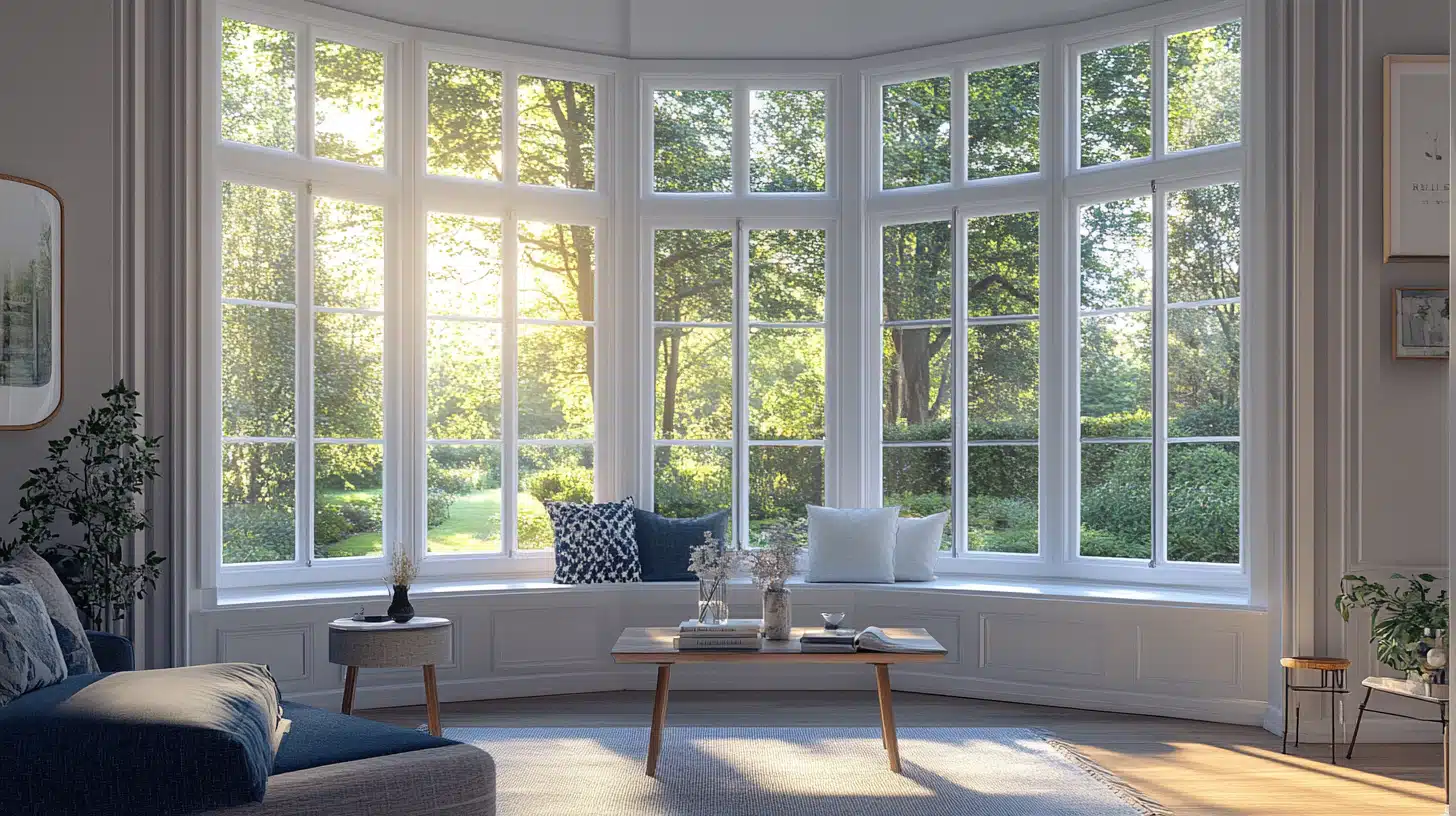
Maximizing Performance with Innovative European Glazing Technology
European window manufacturers are redefining home performance and design with their advanced glazing technologies and innovative profiles. As the US market increasingly embraces sustainable, high-performance solutions, understanding the unique qualities of modern tilt and turn windows technology and effective strategies is essential for manufacturers and suppliers aiming to grow their presence.
Introduction to European-Style Windows and Doors
European-style windows and doors reflect centuries of craftsmanship combined with modern innovation. Unlike typical North American designs, these windows often feature the unique tilt-and-turn mechanism, providing versatile ventilation and enhanced security. Originating from regions with stringent energy regulations, these windows are engineered with intricate profiles and multi-chamber vinyl systems that maximize insulation and durability.
This traditional yet innovative approach is evident in solid wood and vinyl combinations, sophisticated hardware, and precise manufacturing standards that deliver superior performance. Homeowners value these windows for their aesthetic appeal and functionality, which go beyond conventional offerings.
Market Overview and Trends
The European windows and doors market is robust and growing, with forecasts projecting steady growth from 2025 to 2033. Key countries driving innovation include Germany, Italy, and France, focusing on materials like vinyl, aluminum, and wood composites. European regulations, such as the Energy Performance Directive, push manufacturers toward nearly zero-energy building solutions. This regulatory environment fuels demand for advanced glazing and insulation technologies that reduce carbon footprints and energy consumption.
In North America, these trends are catching on, especially in states with cold climates like Illinois, Minnesota, and Alaska, where energy-efficient windows can significantly lower heating costs. The market adapts by integrating European-style systems that meet or exceed local standards.
Benefits of European-Style Windows for North American Homes
European windows offer several distinct advantages for North American homeowners: European profiles emphasize slim frames and clean lines, creating a sleek, modern look without sacrificing structural integrity. The tilt-and-turn mechanism adds functional elegance. Multi-chamber profiles with advanced vinyl compounds provide superior insulation compared to typical North American windows. Many models meet ENERGY STAR criteria, supporting sustainable building practices. European windows often surpass U.S. thermal and air leakage standards, offering better soundproofing and durability. Their innovative sealing systems reduce drafts and moisture infiltration, enhancing indoor comfort. These benefits translate into long-term savings and improved home value, making European-style windows an attractive option for both new construction and retrofits.
Installation, Maintenance, and Customization
Proper installation is critical to achieving the full energy efficiency and performance potential of European tilt and turn windows. Best practices include: ensuring accurate frame alignment and sealing using high-quality weatherstripping materials; allowing for thermal expansion in vinyl profiles to prevent warping; and installing with attention to local climate conditions, such as added insulation in colder zones. Maintenance is straightforward due to durable vinyl surfaces that resist rot and corrosion. Periodic cleaning of hardware and seals ensures smooth operation and longevity. Customization options cater to diverse architectural styles and personal preferences. Choices include: color finishes from classic white to modern metallics; decorative glazing and muntin designs; and custom wooden window designs combining traditional warmth with vinyl technology. This flexibility supports unique project requirements and homeowner tastes.
Strategic Approaches for Window and Door Businesses
For European manufacturers and suppliers entering the U.S. market, strategic planning is essential. Key approaches include: Targeted campaigns can reach homeowners searching for energy-efficient windows or custom designs. Leveraging keywords like “energy efficient European windows USA” and “European tilt and turn windows installation” increases visibility. Content educating consumers about the benefits of European systems also builds trust. Building a robust distributor and dealer network is vital. Recruitment strategies focus on identifying regional partners in key states such as Colorado and New Jersey. Providing support systems and materials enables dealers to effectively promote the product lines. Consistent messaging highlighting product heritage, innovation, and commitment to sustainability helps differentiate the brand. Transparent communication about product offerings, warranties, and after-sales services enhances credibility with both B2B and B2C audiences. Successful projects across North America demonstrate the impact of European windows: A Minnesota homeowner reported a 25% reduction in heating bills after installing tilt-and-turn windows with triple glazing. Contractors in New Jersey praised the ease of installation and customization options, leading to faster project completion times. Architects in Colorado highlighted the sleek design and compatibility with smart home integration features. Customer feedback consistently emphasizes improved comfort, noise reduction, and aesthetic upgrades. These testimonials serve as powerful tools to build confidence among prospective buyers.
Future Trends and Innovations
The window industry is evolving rapidly, with several trends shaping the future:
Smart Home Integration
European windows increasingly incorporate smart technology, allowing remote control of tilt-and-turn functions, automated ventilation, and integration with home energy management systems. This adds convenience and enhances energy savings.
Sustainability and New Materials
Manufacturers are exploring sustainable window materials with lower environmental impact, including recycled vinyl and biodegradable composites. Enhanced glazing technologies continue to improve insulation and solar control.
Regulatory Changes and Market Outlook
As North American energy codes tighten, demand for high-performance windows will grow. Manufacturers prepared to navigate importing challenges and distribution logistics will gain competitive advantages. Warranty and after-sales service excellence will remain critical for customer satisfaction.
Detailed Installation and Maintenance Guidance
|
Installation Step |
Best Practice |
Importance |
|---|---|---|
|
Frame Preparation |
Ensure clean, level openings with moisture barrier |
Prevents water infiltration and warping |
|
Sealing |
Use multi-layer weatherstripping and foam tape |
Enhances airtightness and energy efficiency |
|
Hardware Adjustment |
Test tilt-and-turn mechanism pre-installation |
Guarantees smooth operation and security |
|
Post-Installation Inspection |
Check for gaps and thermal bridging |
Avoids drafts and heat loss |
Maintenance Tips:
- Clean vinyl surfaces quarterly with mild soap and water.
- Lubricate hinges and locks annually.
- Inspect seals for wear and replace as needed.
Conclusion
European-style windows represent a compelling combination of tradition and innovation, offering unmatched performance and design. For manufacturers and suppliers, including specialized window manufacturers in Colorado, success in the U.S. market depends on clear communication of product benefits, strategic dealer partnerships, and leveraging digital channels. By educating homeowners and professionals about energy efficiency, customization, and sustainability, brands can position themselves as leaders in modern window technology.