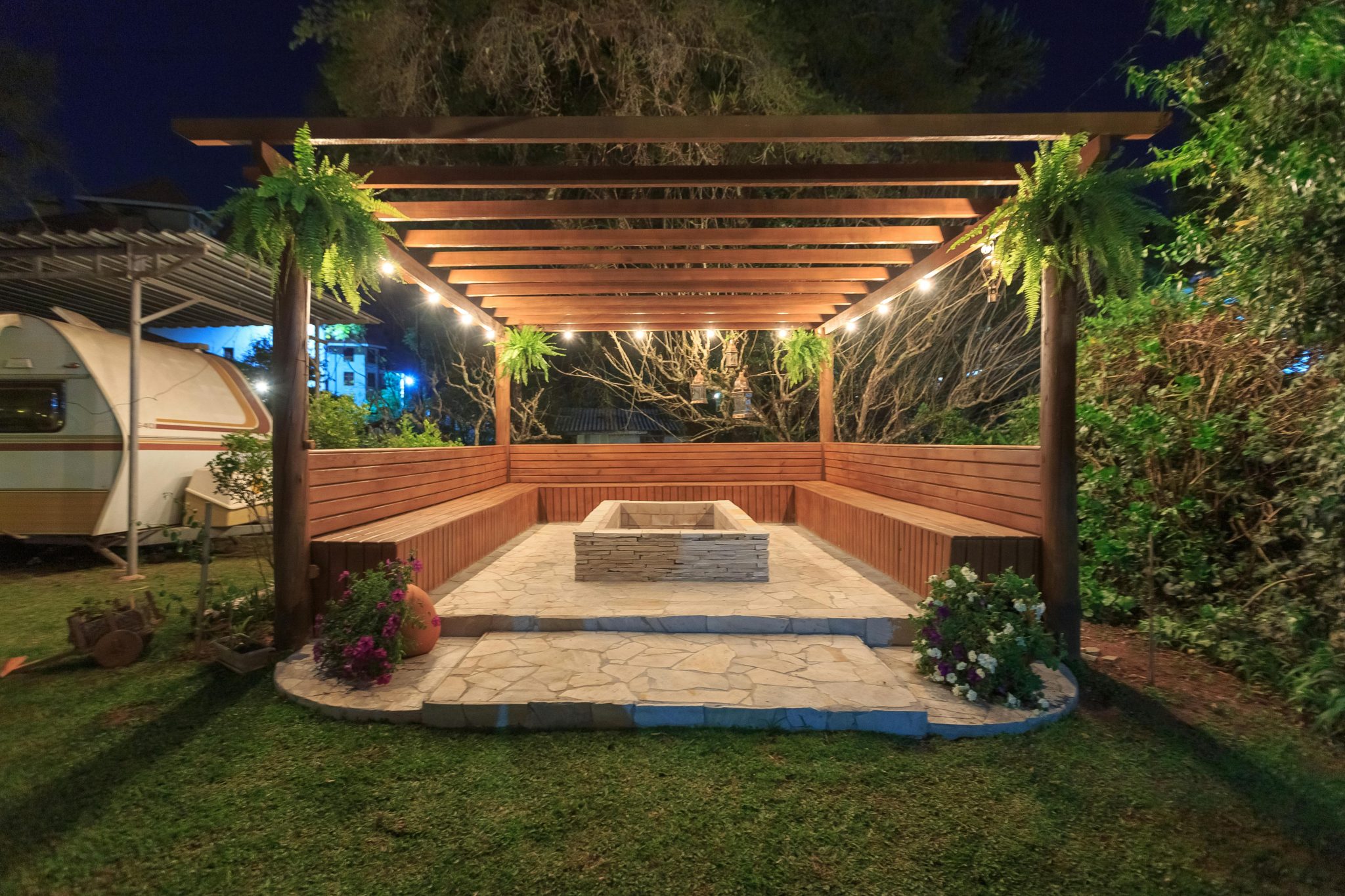
15 Low Maintenance Front Yard Landscaping Ideas
Keeping a front yard neat takes too much time. Mowing, watering, and trimming can fill up weekends.
Low maintenance front yard landscaping reduces regular chores. It makes the yard look tidy and inviting with less effort.
Choosing the right plants cuts down on watering and pruning. Mulch, ground covers, and simple layouts save energy and time.
Evergreens and perennials provide year-round structure. Hardscape features like gravel or pavers keep the yard organized.
What Is Low Maintenance Front Yard Landscaping?
Low maintenance front yard landscaping means planning your yard in a way that needs less regular work. It uses easy-care plants, simple layouts, and materials that reduce the need for watering, mowing, pruning, and cleanup.
It does not mean your front yard will need no care at all. Every yard still needs some basic upkeep, such as removing weeds, trimming plants, or refreshing mulch when needed.
The goal is to reduce repetitive tasks that take time each week. This can include replacing some grass with ground covers, gravel, mulch, shrubs, or drought-tolerant plants.
A good low-maintenance design also makes the yard easier to manage over time. With the right plant choices and layout, your front yard can stay neat without constant attention.
Benefits of Low Maintenance Front Yard Landscaping
Low maintenance front yard landscaping makes your yard easier to care for and keeps it looking neat and inviting.
- It reduces mowing, trimming, and regular lawn care.
- It can lower water use with drought-tolerant plants, mulch, gravel, or ground covers.
- It helps control weeds by covering bare soil and defining garden beds.
- It improves curb appeal with a clean, simple, and planned layout.
- It lowers long-term upkeep by using hardy plants and durable materials.
- It reduces seasonal replanting with perennials, shrubs, and evergreen plants.
The right setup depends on your home, climate, and yard size. When your front yard matches local conditions, it usually stays easier to manage over time.
Low Maintenance Front Yard Landscaping Ideas
These ideas can help reduce mowing, watering, weeding, and seasonal yard work. They also make it easier to keep the front yard clean, simple, and cared for.
1. Replace Some Lawn With Ground Cover

A ground cover planting can take the place of grass in areas that are hard to mow or keep green. It covers bare soil and gives the front yard a softer, more finished look.
Creeping thyme, sedum, mondo grass, kurapia, clover, and native ground covers are useful options. They can also help with weeds, soil moisture, and erosion when planted in the right spot.
2. Use Mulch in Garden Beds

Mulch is a simple way to make garden beds easier to care for. It helps the soil hold moisture and limits weed growth around plants.
Use it around shrubs, trees, flower beds, and walkways for a cleaner layout. Organic mulch may need refreshing over time, but it still cuts down on routine yard work.
3. Add Gravel or Rock Beds

Gravel and rock beds can reduce the amount of lawn you need to water, mow, or trim. They work well in dry areas and can give the front yard a neat base.
Pair them with drought-tolerant plants, ornamental grasses, and simple edging. A proper base or weed fabric can help reduce weeds under the rock.
4. Choose Drought-Tolerant Plants

Drought-tolerant plants are a good choice for yards that get hot sun or limited rain. Once they are established, they usually need less water than many common garden plants.
Lavender, yarrow, salvia, coneflower, agave, rosemary, catmint, and Russian sage are strong options. New plants still need steady watering at first so their roots can settle in.
5. Plant Evergreen Shrubs for Year-Round Structure

Evergreen shrubs help the front yard look full even when flowers are not blooming. They add shape, color, and structure through different seasons.
Boxwood, holly, yew, juniper, dwarf arborvitae, and native evergreen shrubs can all work well. Compact varieties are often easier to manage because they need less pruning.
6. Use Perennials Instead of Annuals

Perennials return each year, so you do not need to replant the same beds every season. They are a smart choice for adding color with less repeated work.
Black-eyed Susan, coreopsis, coneflower, daylily, sedum, and catmint are useful options. Some perennials may need dividing after a few years, but they still save time compared to annuals.
7. Mass Plant One or Two Plant Types

Mass planting keeps the design simple and makes plant care easier. Using fewer plant types means watering, trimming, and cleanup are easier to manage.
A row of evergreen shrubs with a large patch of ornamental grasses can look clean from the street. This approach also helps the yard feel planned without needing many different plants.
8. Group Plants by Water and Sun Needs

Plants are easier to care for when they are grouped by similar needs. This helps you water more evenly and avoid mixing plants that prefer different conditions.
Place sun-loving plants together and keep shade plants in cooler spots. This can prevent overwatering, underwatering, and weak growth.
9. Add a Simple Paver Walkway

A paver walkway can reduce grass space while giving people a clear path to the front door. It also helps the yard feel more organized.
Gravel, mulch, or ground cover can fill the spaces around the pavers. This keeps the area easier to maintain than a narrow strip of grass.
10. Use Edging Around Beds

Edging helps keep grass from spreading into garden beds. It also holds mulch, gravel, or soil in place for a cleaner front yard.
Stone, metal, brick, concrete, or a spade-cut edge can all work well. The best choice depends on your yard style, budget, and how much upkeep you want.
11. Try Ornamental Grasses

Ornamental grasses add soft shape and movement without needing much care. Many types can handle sun, heat, and dry periods once established.
Blue fescue, feather reed grass, fountain grass, little bluestem, and switchgrass are common choices. Some types may only need cutting back once a year.
12. Add Large Planters Near the Entry

Large planters can make the front entry look finished without changing the whole yard. A pair of planters near the door can add balance and color in a small space.
Use hardy plants instead of flowers that need constant care. Dwarf evergreens, succulents, ornamental grasses, and hardy perennials can work well in the right climate.
13. Use Artificial Turf in Hard-to-Grow Spots

Artificial turf can work in areas where real grass struggles to grow. It removes mowing, watering, and patchy brown spots from those parts of the yard.
It still needs occasional cleaning to remove leaves, dust, or pet mess. It may not suit every climate or home style, so it works best when used carefully.
14. Install Drip Irrigation

Drip irrigation sends water close to plant roots instead of spraying the whole yard. This can reduce hand watering and help plants get water where they need it.
It works well in garden beds, shrub borders, and low-water planting areas. A timer can make the system easier to manage during busy weeks.
15. Keep the Design Simple

A simple front yard is often easier to care for than one with many small beds and plant types. Too many features can create more trimming, watering, and cleanup.
Use a clear layout, fewer materials, and repeated plants for a cleaner result. This keeps the yard easier to maintain and less busy from the street.
Best Low Maintenance Plants for Front Yards
The right plants can make a front yard easier to care for through the year. Choose plants that match your climate, sunlight, soil, and watering needs.
|
Plant Category |
Best Options | Why They Work |
|---|---|---|
| Shrubs | Boxwood, juniper, holly, spirea, native shrubs | Add shape and structure with little care. |
| Flowers | Coneflower, salvia, yarrow, catmint, lavender | Add color and return with less replanting. |
| Ground Covers | Creeping thyme, sedum, clover, mondo grass | Cover soil, reduce weeds, and replace some grass. |
| Ornamental Grasses | Blue fescue, switchgrass, little bluestem | Add texture and need only light upkeep. |
The best plant choices depend on your front yard’s sun, shade, and local weather. Picking the right plants from the start can reduce watering, trimming, and seasonal work.
Conclusion
Low maintenance front yard landscaping keeps your yard clean and cared for. It lowers time spent on mowing, watering, and pruning each week.
Using drought-tolerant plants, mulch, and ground covers reduces effort. Evergreens and simple layouts add color, structure, and appeal all year.
Planning your plant choices and layout ensures lasting beauty. Start today.
Share your tips or questions in the comments to inspire others with low-maintenance ideas!
Frequently Asked Questions
Can Low Maintenance Landscaping Increase Property Value?
Yes, a Well-Planned Low Maintenance Front Yard Can Boost Curb Appeal, Making the Property More Attractive to Potential Buyers While Requiring Less Ongoing Care.
How Do I Prevent Pests in A Low-Maintenance Yard?
Use Native Plants and Drought-Tolerant Species, Apply Mulch, and Avoid Overwatering. Healthy, Well-Spaced Plants Reduce Shelter for Insects and Rodents.
Are Hardscape Features Really Considered Low Maintenance?
Yes, materials like pavers, gravel, stone pathways, and retaining walls require little upkeep and reduce lawn or garden areas that demand regular care.