How to Kill Weeds Successfully: 13 Methods That Work
Most people assume weeds keep coming back because treatments fail, but the real issue is using the wrong method for the wrong situation and expecting instant results.
Learning how to kill weeds effectively depends less on the product and more on matching the method to the environment and understanding how weeds actually survive.
Here you’ll find practical methods that focus on correct application, timing, and repetition so weeds are not just removed but controlled more effectively over time.
What Causes Weeds to Grow?
Weeds grow fast when the right conditions make it easy for seeds to spread, sprout, and take over open spaces. Understanding the cause helps you stop weeds before they become a bigger problem.
- Bare Soil and Sunlight: Empty soil with direct sunlight gives weed seeds the perfect place to grow quickly.
- Thin Grass or Plants: Weak lawns and sparse garden beds leave open gaps where weeds can easily spread.
- Poor Soil Conditions: Compacted or unhealthy soil can weaken wanted plants and give weeds an advantage.
- Weeds Going to Seed: One mature weed can spread thousands of seeds and cause future growth.
- Overwatering or Poor Drainage: Damp soil conditions often encourage faster weed growth in gardens and lawns.
How to Get Started with Killing Weeds Effectively
Killing weeds isn’t just about spraying and pulling. Following the right sequence ensures your chosen method actually works and prevents weeds from growing back quickly.
| Step | What to Focus On | What Should You Do |
|---|---|---|
| Identify the Weed Type | Check if the weed is broadleaf, grassy, or perennial. | Deep-rooted weeds usually need repeated treatment or full root removal. |
| Check the Growing Area | Look at where the weed is growing. | Use gentle methods in gardens and stronger treatments only on pavement cracks. |
| Prepare the Weed First | Loosen soil or trim the weed before treatment. | Pull weeds after rain or spray fresh-cut growth for better results. |
| Choose the Right Treatment | Match the method to the weed and location. | Vinegar works best on young weeds, while mulch helps stop future growth. |
| Monitor for Regrowth | Watch the area for returning weeds. | Reapply treatments within 5–7 days if roots survive underground. |
Killing Weeds in Cracks, Driveways, and Paved Areas
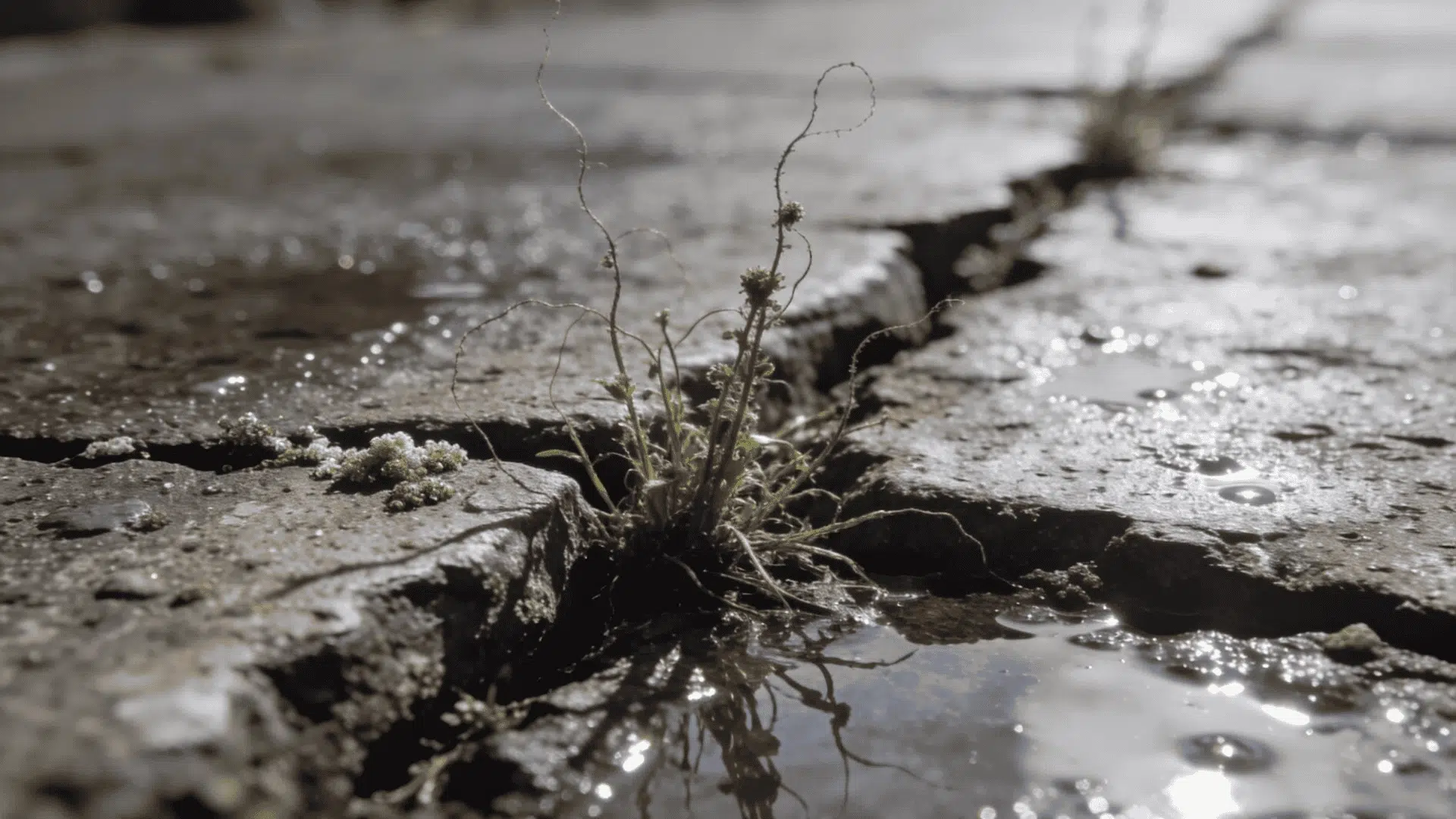
Weeds growing in driveways, cracks, and paved surfaces are the easiest to kill. Since there’s no surrounding soil or grass to protect, you can use aggressive methods without any concern.
1. Boiling Water
Boil a full kettle and pour it slowly onto the weed, targeting the base where the stem meets the crack. Heat ruptures plant cells instantly.
The weed will wilt and die within 24–48 hours. However, deep roots sitting inside wide cracks often survive. Repeat every 5–7 days until regrowth stops completely.
2. Salt Application
Mix 1 part salt with 2 parts water and pour directly at the weed’s base. Salt draws moisture out of plant tissue and blocks roots from absorbing water.
Results appear within 2–3 days as the weed yellows and shrivels. Never apply near lawns or garden beds because salt sterilizes soil for months, preventing any future plant growth.
3. Baking Soda
Wet the weed slightly, then pour baking soda generously over the leaves and stem base. The high sodium content dehydrates plant tissue on contact, killing surface growth effectively.
Best used on small, young weeds with shallow roots. For mature or deeper-rooted weeds, combine baking soda with boiling water for stronger and more reliable results.
4. Flame Weeding
Use a handheld propane flame weeder and pass heat slowly over the weed for 2–3 seconds. You’re not burning it, the heat bursts internal cells, collapsing the weed within 1–2 days.
Never use on windy days or near dry debris and wooden fencing. Roots often survive one pass, so reapply after 7 days to fully eliminate any remaining regrowth.
How to Kill Weeds in Lawns Without Damaging Grass
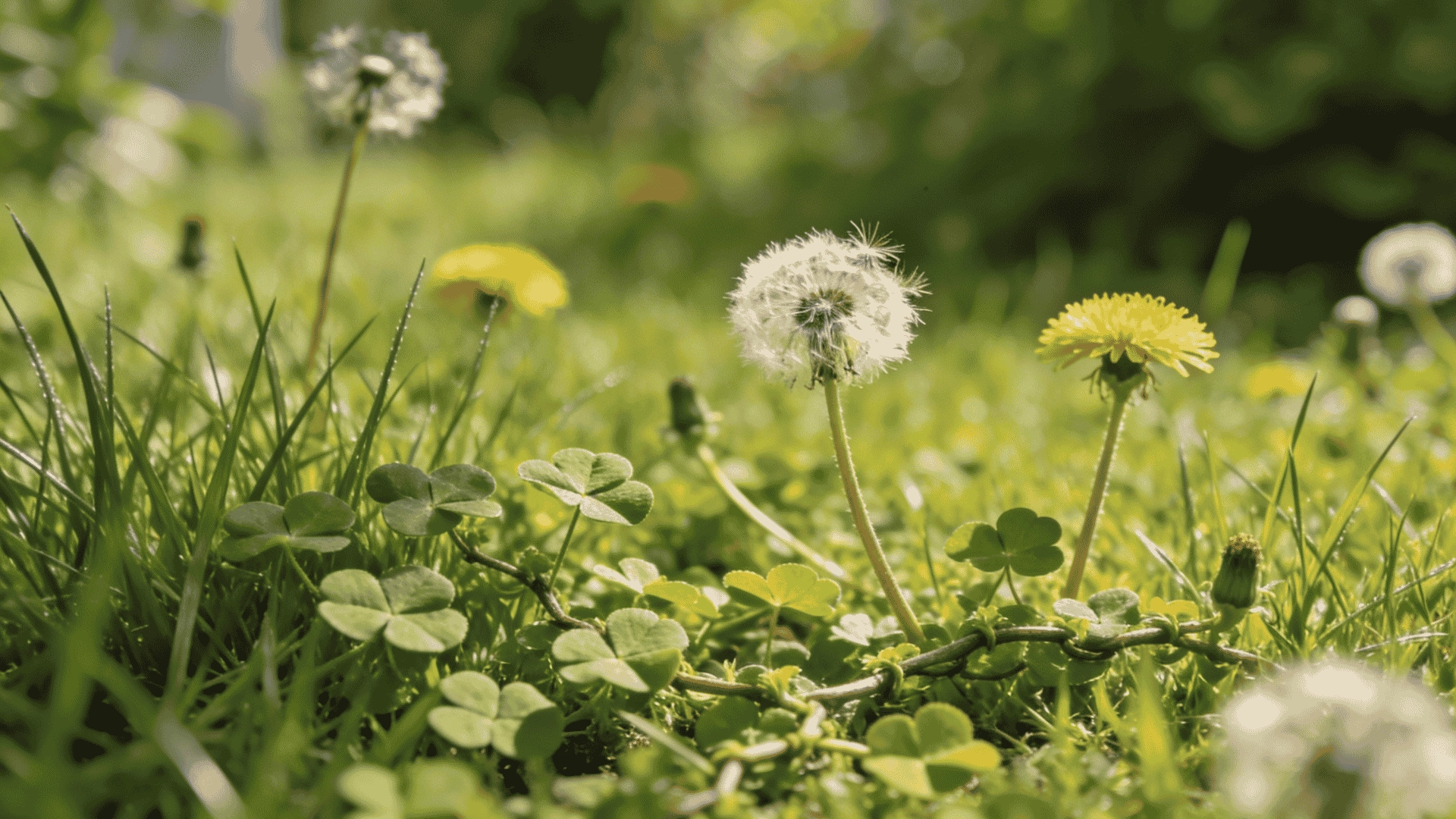
Removing weeds from a lawn requires precision. The wrong method can damage surrounding grass just as badly as the weeds, so targeted and selective approaches are essential here.
5. Selective Herbicides
Selective herbicides target weed-specific biology without affecting grass, exploiting biological differences between broadleaf weeds and grass root systems to kill only the unwanted plant.
Always match the herbicide to the weed type: broadleaf, grassy, or perennial. Apply on a dry, calm day with no rain forecast for at least 24 hours to ensure full absorption
6. Manual Root Removal
Manual removal extracts the entire root system, leaving nothing behind to regrow. Use a narrow weeding tool to dig deep and loosen the root fully before pulling.
Water the area first as dry ground snaps roots and leaves fragments behind. Any fragment remaining in soil will regenerate into a new weed within days.
7. Thick Lawn Growth
A thick, dense lawn naturally blocks sunlight and absorbs nutrients, leaving no room for weeds to establish. It is one of the most effective long-term weed control strategies available.
Overseed thin or patchy areas regularly and fertilize on schedule to maintain density. Mow at the correct height as cutting too short weakens turf and exposes soil to weed seeds.
Killing Weeds in Garden Beds and Around Plants
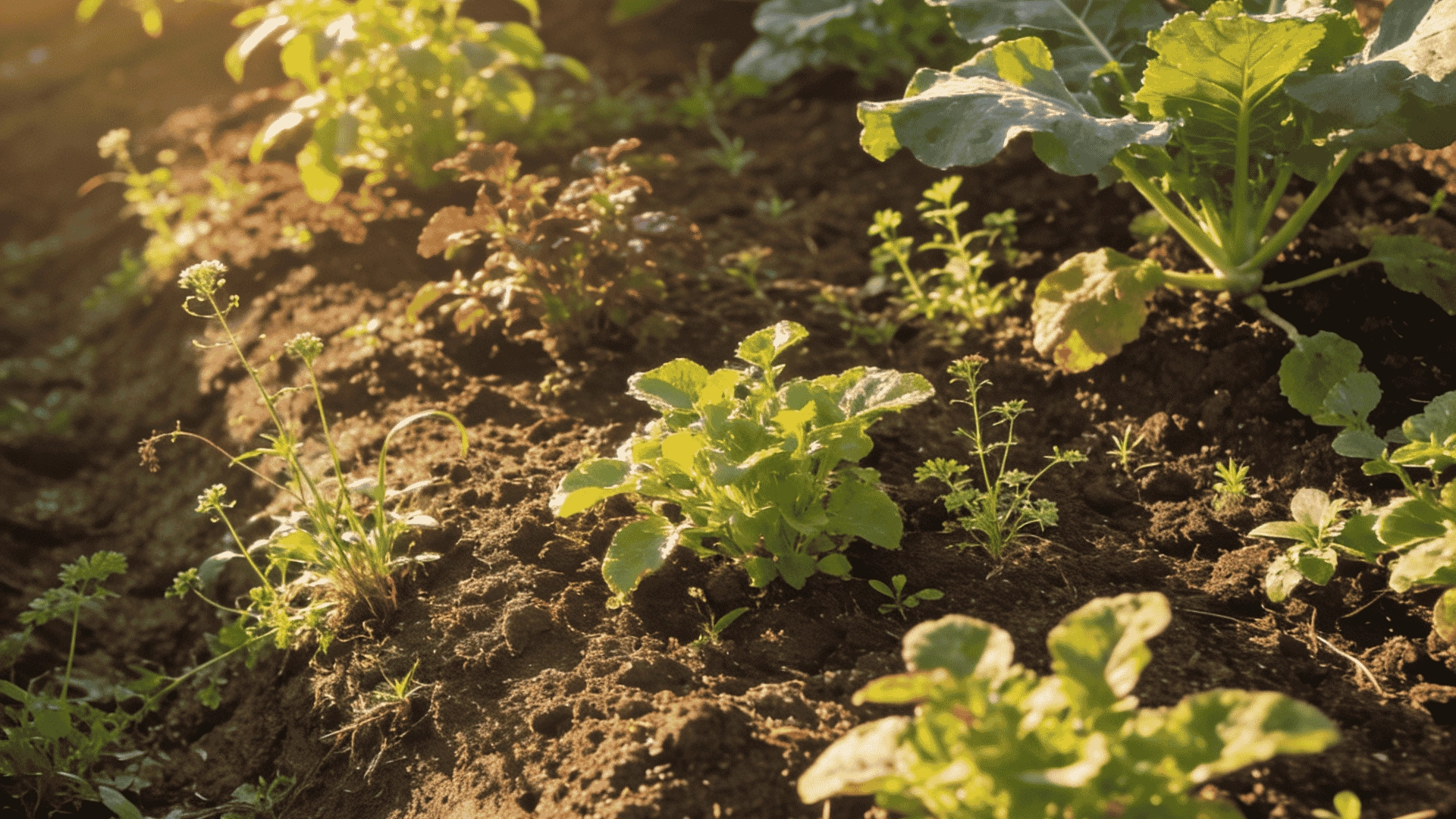
Garden beds require controlled, non-spreading methods. The goal is to remove weeds precisely without disturbing surrounding plants, their roots, or the soil structure around them.
8. Mulching
Mulch blocks sunlight from reaching the soil, stopping weed seed germination and killing existing growth underneath. Apply a minimum 3–4 inch layer. Anything thinner allows light through and weeds push back up.
Replenish mulch as it breaks down. A thinning layer loses its suppression ability quickly and gives weeds the opening they need to re-establish.
9. Cardboard or Newspaper Smothering
Lay 4–6 sheets of cardboard or newspaper directly over weeds, wet thoroughly, then cover with soil or mulch. This cuts off light and air, suffocating weeds over time.
Aggressive, deep-rooted weeds can eventually push through. Check covered areas regularly and replace any torn or displaced sections before weeds find an opening to break through.
10. Hand Pulling After Softening Soil
Water the area first as soft soil allows full root extraction without snapping mid-pull. Use a narrow weeding tool to loosen deep roots before pulling firmly from the base.
Any root fragment left behind will regrow. Always inspect the hole after removal and clear out remaining pieces completely before moving to the next weed.
Clearing Weeds in Large or Heavily Infested Areas

Large infestations need scalable, deeper-kill methods. Surface treatments won’t work here. You need approaches that eliminate roots and seeds across wide areas efficiently.
11. Non-Selective Herbicides
Non-selective herbicides work through systemic absorption. The chemical travels from leaves down into the root system, killing the entire plant from the inside out.
Apply onto weed foliage on a dry, calm day with no rain forecast. These chemicals kill everything they contact, so keep application strictly away from surrounding vegetation. Wait 7–10 days and reapply until no regrowth appears.
12. Solarizing with Plastic Cover
Solarizing traps solar heat under clear plastic, raising soil temperature high enough to kill weeds, roots, and dormant seeds several inches beneath the surface.
Lay clear plastic tightly over the infested area and secure edges with soil or rocks. Leave in place for 4–6 weeks during summer. Use this method when preparing ground for replanting.
Natural Weed Killer Method
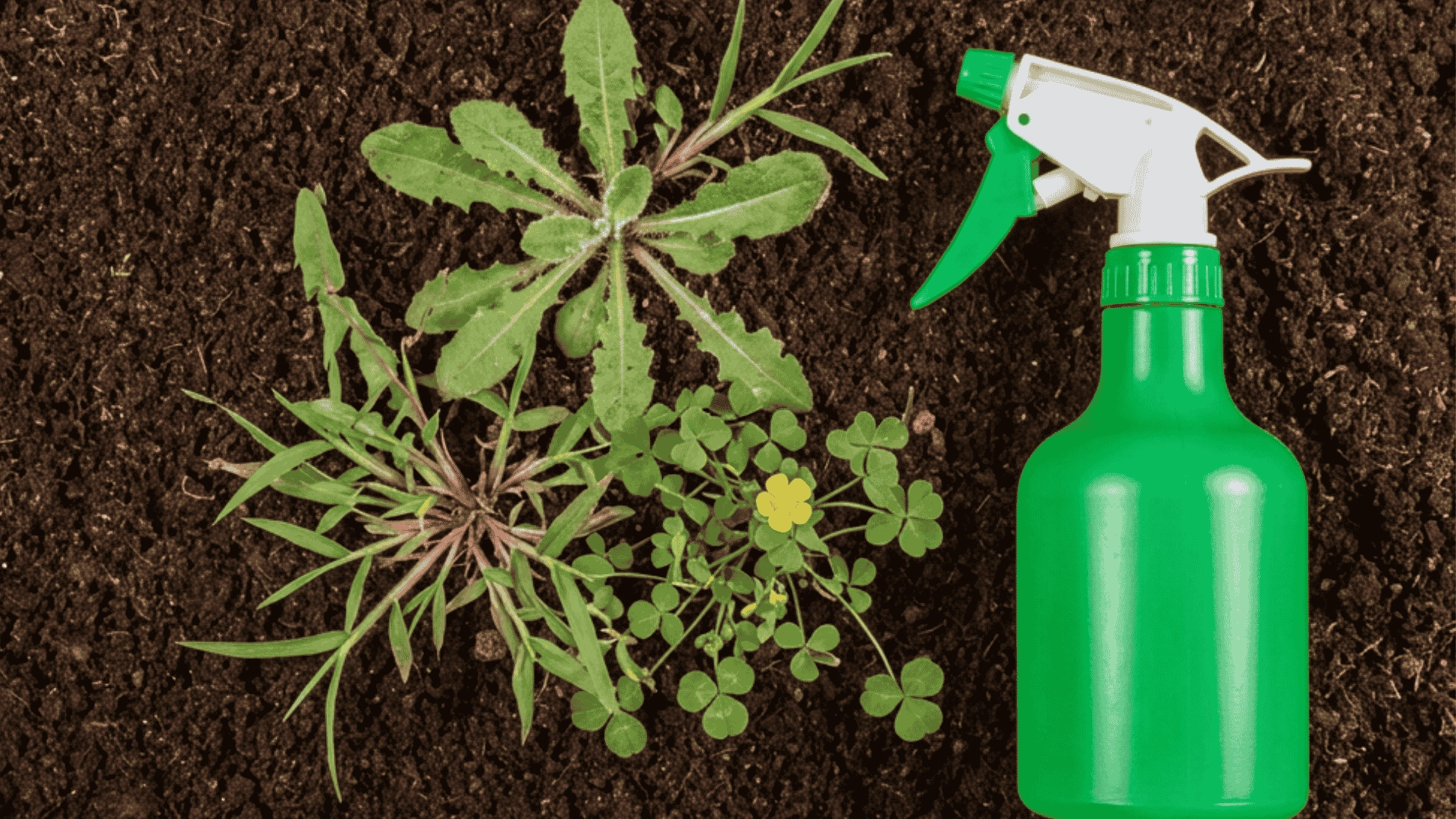
DIY natural remedies to kill weeds are widely used but widely misunderstood. Most are contact killers. They damage what they touch but rarely reach the roots, making repetition essential for any real results.
13. Vinegar Spray
Acetic acid breaks down plant cell walls on contact, drying the weed out within 24–48 hours. Always use undiluted white vinegar at a minimum 5% acidity for visible results.
Roots remain completely unaffected at any concentration. Weeds regrow within days of the first application, so reapply consistently every 5–7 days until new growth stops appearing entirely.
Preventing Weeds from Coming Back After Killing Them
Killing weeds once is not enough. Without prevention, surviving roots and dormant seeds push new growth back through within weeks of your last treatment.
- Corn Gluten Meal (Pre-Emergent): Stops weed seeds from developing roots after sprouting. Apply in early spring before germination begins and water lightly to activate it into the soil.
- Clear Before Applying: Corn gluten meal has zero effect on existing weeds. Clear the area fully before application, then reapply every 4–6 weeks during peak season to maintain continuous suppression.
- Repeat Treatment Cycles: Most treatments only kill visible growth. Roots survive and push new shoots back up within days, making repeat applications essential for anything beyond temporary relief.
- Stay Consistent: Treat, wait 5–7 days, then reapply if new shoots appear. Continue until no growth appears for two consecutive weeks. Stopping too early is the most common reason weeds return aggressively.
Final Verdict
Learning how to kill weeds is not about a single solution but choosing the right approach based on location, weed type, and how deep the root system runs.
From fast surface methods to deeper root-level treatments, each approach works differently and understanding those differences is what improves long-term weed control results significantly.
Now you know how to match methods to real conditions, reducing regrowth and making each treatment cycle more effective than the last.
See more lawn and garden guides on the site for practical, straightforward solutions that hold up in real conditions.
Frequently Asked Questions
Can I Use Weed Killers Safely Around Pets and Children?
Most chemical herbicides require a full drying period of 24–48 hours before the treated area is safe for pets and children to re-enter.
What is the Best Time of Year to Treat Weeds?
Late spring and early summer are the most effective times. Weeds are actively growing, making them more vulnerable to both chemical treatments and physical removal methods.
Why Do Weeds Grow Back Faster After Mowing?
Mowing cuts the visible plant but leaves the root completely intact. Without root removal or treatment, the weed regrows rapidly, often returning thicker and more established than before.
Does Rainfall Help or Hurt Weed Control Efforts?
Rainfall immediately after treatment washes away most sprays before absorption occurs. However, light rain48 hours before pulling softens soil and significantly improves full root extraction success.