How to Design a Home Office That’s Both Beautiful and Secure
Most home office advice boils down to “get a nice desk and a good chair.” That’s fine if you’re just answering emails all day, but it falls short the moment your office starts holding client files, expensive kit or anything you’d prefer not to leave out in the open. Once that happens, the design conversation has to go further than aesthetics.
Style and security can absolutely coexist, though. A lot of modern office furniture will handle both jobs at once, and the layout decisions that make a room feel calm and organised tend to be the same ones that make it harder for things to go missing. Now let’s learn how to pull all of this together, from choosing the right furniture to the small details that’ll make your working day run smoother.
Start With Storage That Does Double Duty
Storage is where most people trip up. They’ll agonise for weeks over a desk and a paint colour, then cram a cheap plastic filing box under the desk and act like that’s sorted. If you’re keeping anything sensitive in your office, whether that’s financial records, contracts or a spare laptop, a flimsy box under the desk won’t do.
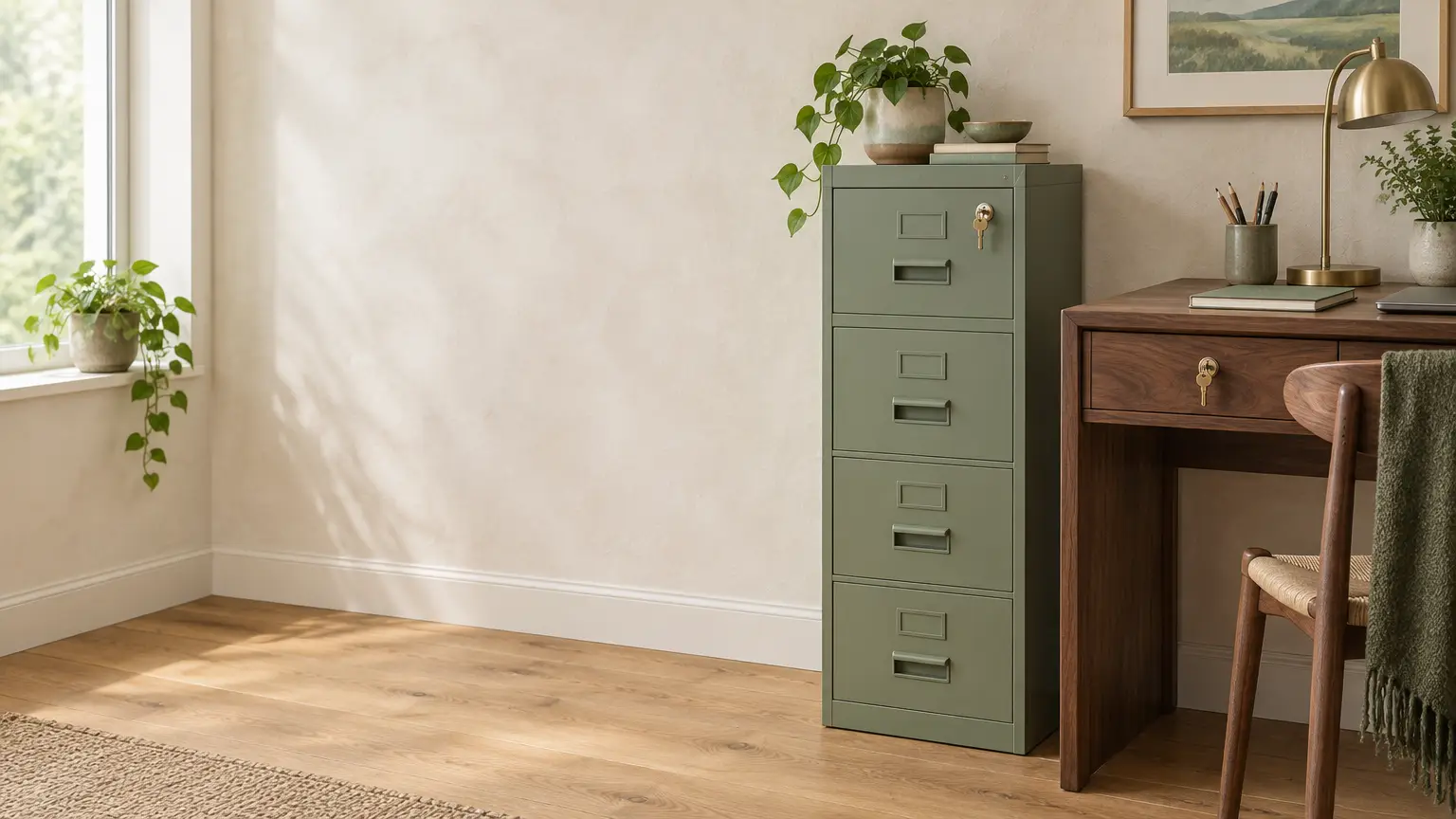
Lockable filing cabinets are the obvious place to start. They don’t have to look like they belong in a 1990s accounts department, either. Manufacturers now make slim, powder-coated models in colours like sage, white and matte black that will blend right in with the rest of your decor. Two-drawer versions work well if space is tight, since they’ll tuck neatly under a desk or beside a bookshelf without taking over the room.
Desk pedestals are another option that people tend to skip over. A pedestal with a built-in lock puts a secure drawer right where you’re sitting, which is ideal for passports, USB drives or a hard drive full of client data. Some come in timber veneer finishes that match popular desk ranges, so they won’t stick out.
Keep Your Lockable Furniture Working Properly
Here’s something that catches people off guard: keys go missing all the time. You’ll buy a filing cabinet with a perfectly good lock, lose the key half a year later, and suddenly that secure storage is either permanently locked or permanently open. Neither situation helps.
You can order office keys online by matching the code stamped on your lock, which means a lost key doesn’t have to turn into an expensive locksmith visit or a reason to bin the whole unit. Most filing cabinets, desk pedestals and cupboard locks will have a code printed somewhere on the barrel or the faceplate, so the fix is quick once you know where to look.
Beyond replacing lost keys, get yourself into the habit of keeping a spare somewhere separate and secure. A small wall-mounted key cabinet tucked inside a hallway cupboard will do the job and save you the frustration of being locked out of your own files on a Monday morning.
Pick a Desk That Keeps Things Tidy and Contained
Clutter on a desk is more than an eyesore. Papers and devices left out in the open become a real security concern, especially if you share your home with other people or have visitors dropping by regularly.
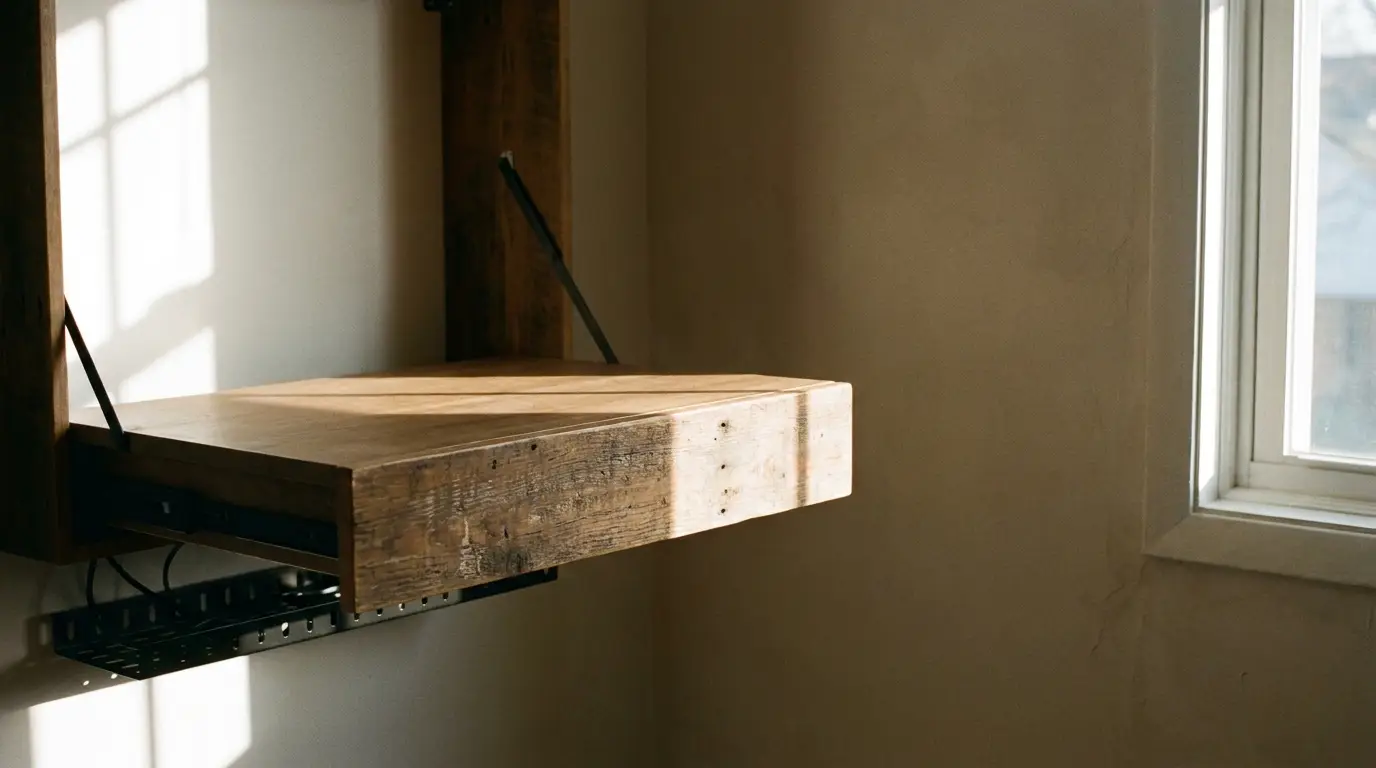
A desk with built-in drawers or a hutch with doors you can shut at the end of the day will make a big difference. Roll-top desks are a classic choice that hides everything behind a single cover, though they do eat up more floor space. For smaller rooms, a wall-mounted desk with a fold-down front gives you that satisfying “closed for business” look when you’re done for the day, and it takes up next to nothing when folded away.
Don’t ignore cable management, either. Loose cables trailing across the floor look messy and draw attention to exactly where your expensive tech is sitting. Fix a cable tray to the underside of your desk, or route everything through a single desk grommet to keep the whole setup clean and less conspicuous.
Think About Layout and Line of Sight
Where you place your desk and storage within the room matters more than most people realise. If your office faces a hallway or a front window, anyone passing by can clock exactly what equipment you’ve got in there. So position your desk so screens face away from windows and doors, and push lockable storage up against an interior wall where it’s less visible from outside.
Open shelving works brilliantly for books, plants and decorative bits. Anything private goes behind a closed door or inside a locked drawer. You’re not trying to turn the place into a vault, you’re just being thoughtful about what’s on display and what isn’t.
A Space That Works as Hard as You Do
Security shouldn’t make your home office feel cold or clinical. The whole point is to pick furniture that looks great in the room while quietly doing the hard work of keeping your documents and devices safe.
Go with lockable storage that fits your decor, keep your desk tidy and contained, and pay attention to where everything sits in relation to doors and windows. These changes aren’t dramatic on their own, but together they’ll give you a workspace that’s polished, properly protected, and easy to walk away from at the end of the day without a second thought.