A Guide to Water Damage Types and How You Can Prevent It
Unresolved water damage is one of the most common causes of long-term property devaluation. Many homeowners either ignore the signs of water damage or simply do not know how to prevent them in the first place.
Water damage is the second most common home insurance claim in the United States. Yet insurance claims do not fully cover the repairs, especially when negligence or a lack of preventive maintenance is involved.
However, you are not completely helpless in this situation. When you understand how different types of water damage occur, you can set up measures to prevent problems that will spiral into structural repairs or mold remediation. In this guide, you’ll learn the most common types of water damage in homes and how you can prevent them.
What is Water Damage?
Water damage occurs when water finds its way into your property by intrusion and leads to the destruction of parts or sections of your property. Depending on the source of the damage, the approach to cleanup and restoration varies. Professionals often categorize damage by contamination levels. These categories are based on the water source:
- Clean water from pipes or rain
- Grey water from appliances such as showers, sinks, and laundry
- Black water from toilets, sewage, or flooding
Understanding where the water comes from or could come from makes a difference in cleanup or prevention.
Types of Water Damage
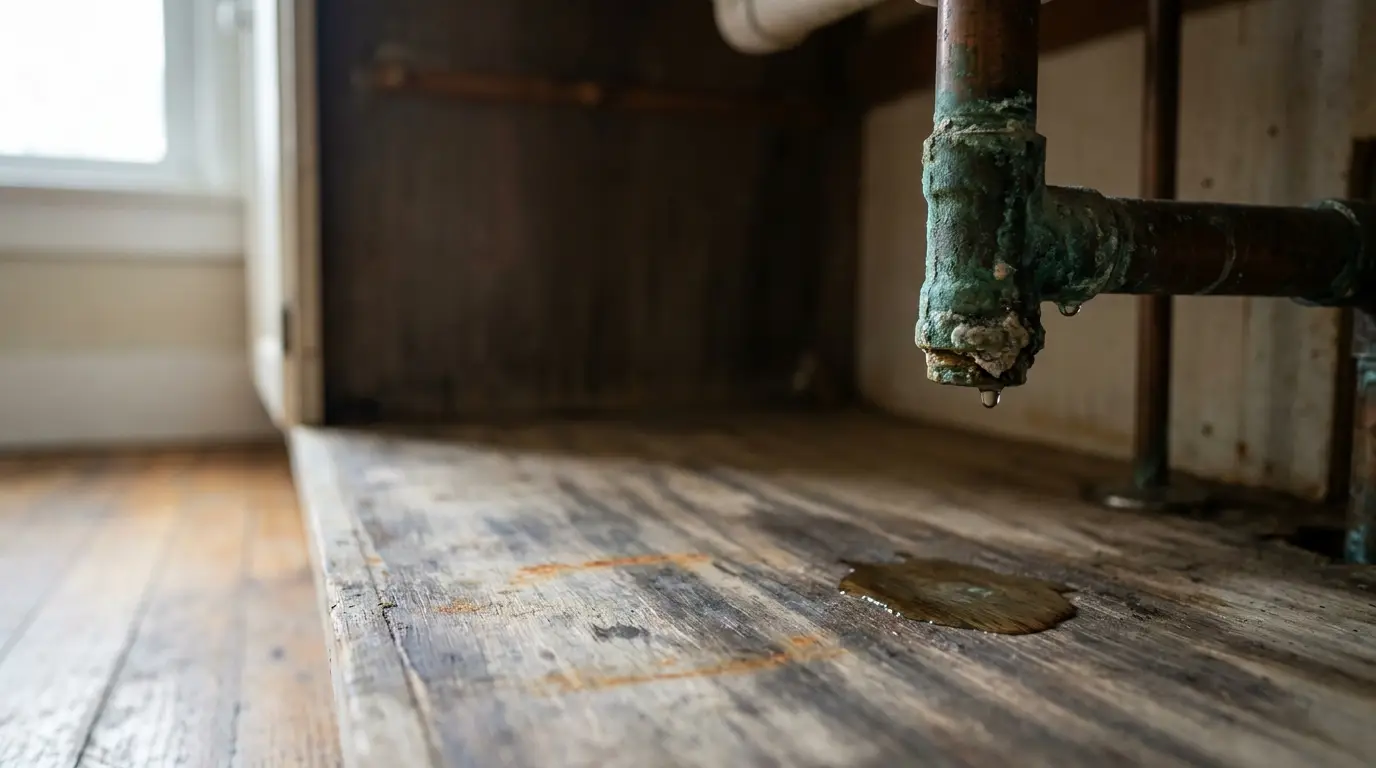
The type of water damage largely depends on the source of the water. For instance, a leak from a washing machine behaves nothing like groundwater seeping through a foundation crack. Therefore, water damage can be from:
-
Roof Leaks
The tricky thing with roof leaks is that it is rarely where you think it is. Even worse, it can go unnoticed until you see ceiling stains or bubbling paint. There may even be mold growth before it becomes apparent. By then, insulation and structural wood may already be compromised.
However, there are early signs that your roof may start leaking if you don’t address the problem. These include damaged or missing shingles, cracked flashing around chimneys or vents, and poor roof installation or aging materials. To prevent this, you can:
- Inspect your roof and attic at least twice a year, especially after heavy storms
- Clean gutters regularly to prevent water backup
- Repair small issues immediately
-
Plumbing Failures
Plumbing issues are among the leading causes of indoor water damage. Those little under-sink drips can lead to burst pipes, especially when the pipe joints are worn out. Even corrosion in older plumbing systems and high water pressure can stress pipes. You can prevent this by:
- Checking under your sinks and behind appliances every month
- Installing water leak detectors in high-risk areas
- Monitoring your water bill for unexplained increases
However, when these plumbing issues escalate beyond surface-levels, you should not hesitate to call for professional help. In cases where damage has already spread, services like water damage restoration Columbus can help assess structural impact and guide recovery.
-
Appliance-Related Water Damage
Modern homes rely on appliances that use water and can fail without warning. Washing machines, dishwashers, refrigerators, and even water heaters are all culprits. They can lead to water damage when there is a hose leak or disconnection. Faulty seals or worn-out components are not left out of the cause.
In some water heaters, the hot, pressurized water can lead to the buildup of sediments. While the tank can rust, leading to leaks, the temperature and pressure relief valve (T&P valve) failing can lead to the release of large volumes of water. This then floods floors and seeps into subflooring. However, you can apply the following preventive tips:
- Inspect appliance hoses regularly for bulges, cracks, or dampness
- Replace the hoses every three to five years
- Flush your water heater annually to reduce sediment buildup
- Test the T&P valve every six months by lifting the lever. Water should rush out and then stop completely when you close it.
- Use stainless steel braided hoses for durability.
-
Groundwater Infiltration and Basement Flooding
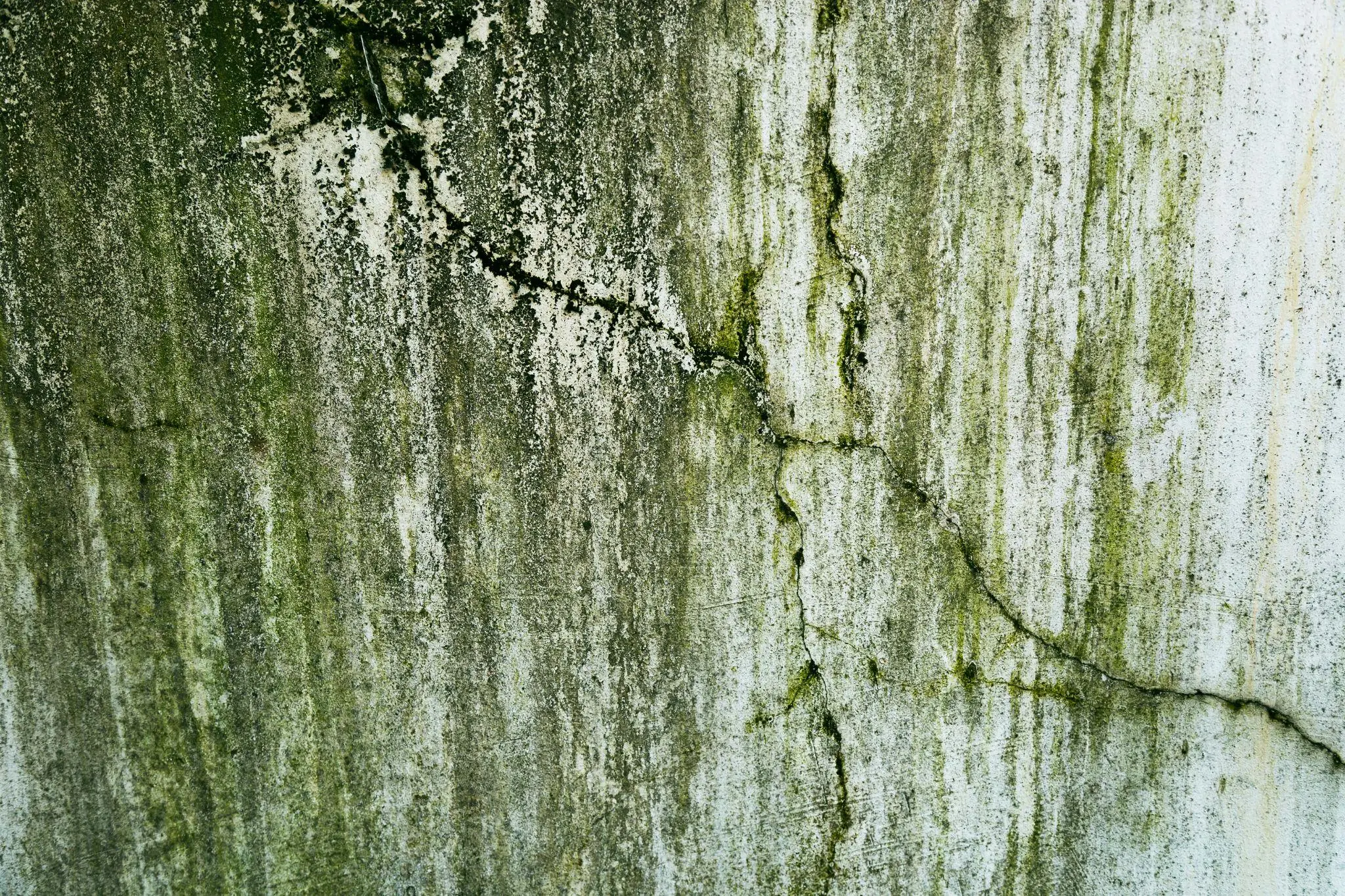
Water does not just come from above. It can also rise from below. This is particularly dangerous because you don’t always see it coming. It seeps in and leads to structural weakening, electrical hazards, and persistent mold issues.
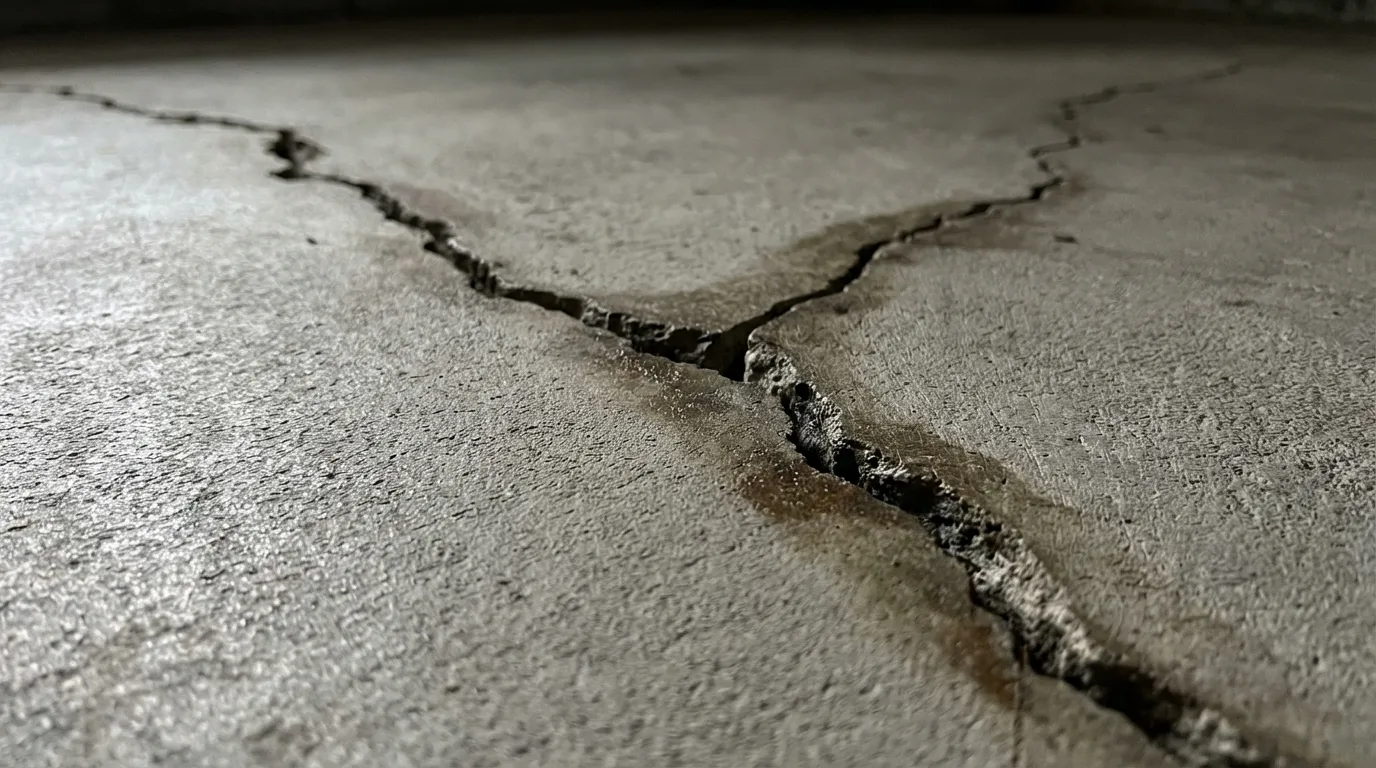
Groundwater rises through capillary action, and it can happen when there is poor drainage around the home. Cracks in foundation walls and a high water table during heavy rains can also cause this. To prevent this, you need to:
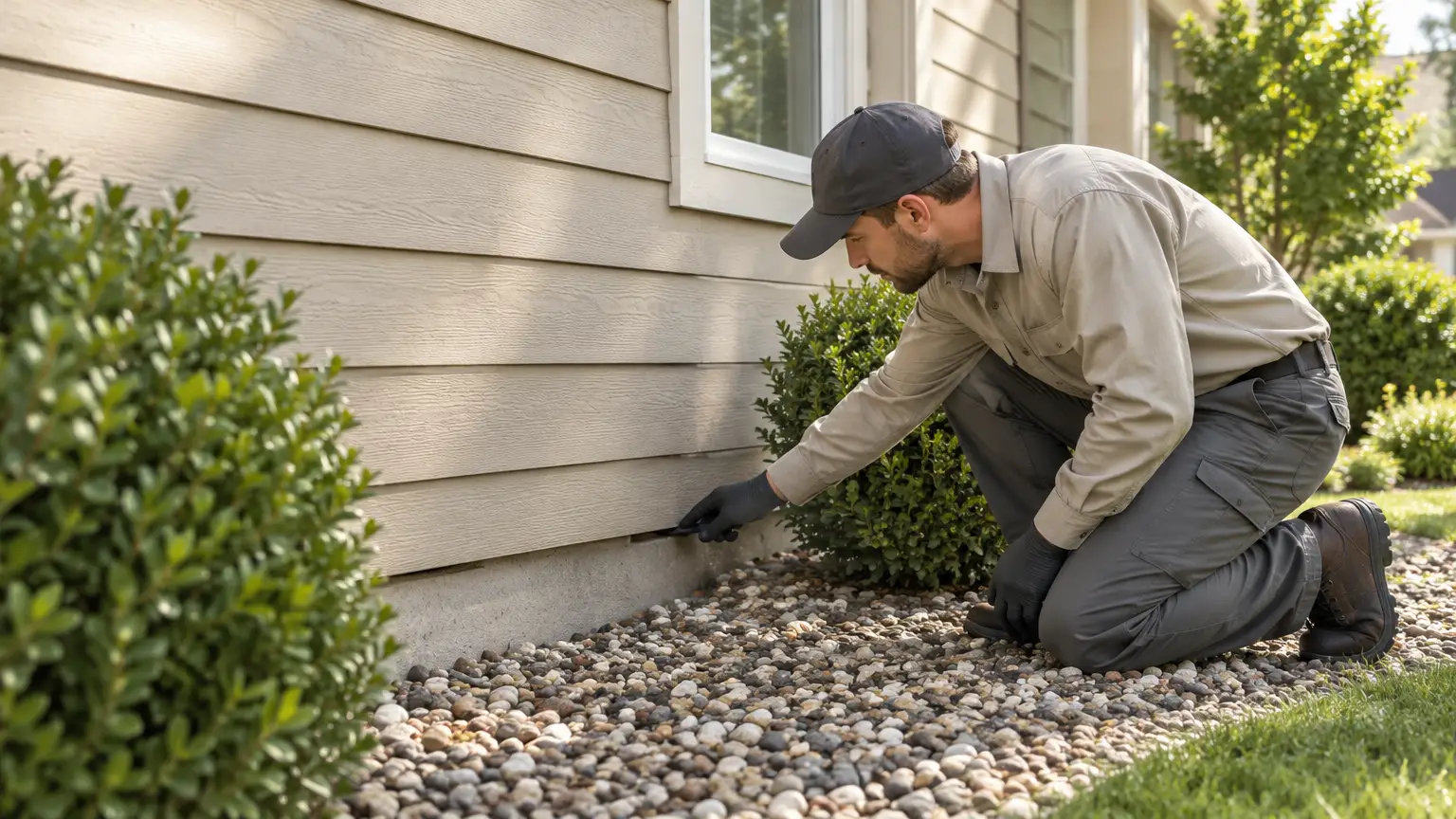
- Ensure proper grading around your home so it slopes away
- Install a sump pump with backup power
- Seal foundation cracks promptly
Endnote
Water damage is stressful, but it is not mysterious. Every type has a signature. Groundwater smells earthy and creeps low. Roof leaks stain high and are often widespread. Water heater and other appliance failures happen fast and flood heavily. The key is to understand the different ways in which they are a threat and how it affects your home. In this way, you can save yourself from the structural damage that follows and property devaluation.