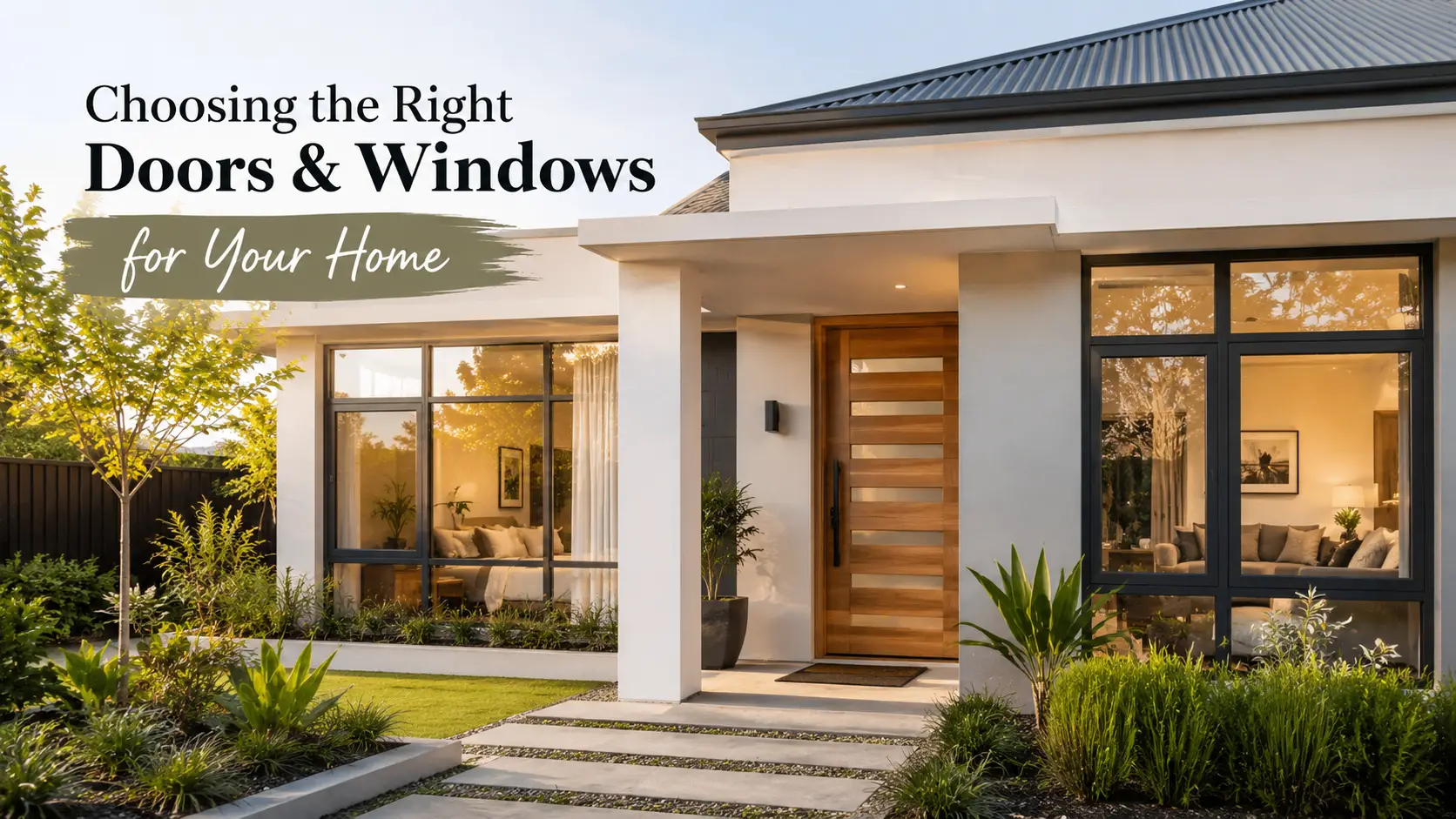
How to Choose the Right Doors and Windows for Your Home
Choosing the right doors and windows for your home is one of the most important decisions you’ll make as a homeowner. They’re not just functional features; they shape your home’s character, influence its energy efficiency, and directly impact your comfort and security every single day.
Whether you’re building from scratch, renovating, or simply upgrading worn-out fittings, the sheer range of options available today can feel overwhelming. But don’t worry; this guide will walk you through everything you need to know to make smart, informed choices that suit your lifestyle, climate, and budget.
Why Doors and Windows Matter More Than You Think
Let’s be honest; most people don’t think twice about doors and windows until something goes wrong. A door that won’t seal properly, a window that lets in a howling draught in July, or glazing that turns your living room into a greenhouse in January; these are the kinds of problems that make you realise just how much these elements affect daily life.
Beyond the obvious functional roles, doors and windows account for a significant portion of your home’s heat loss and gain. According to the Australian Department of Climate Change, Energy, the Environment and Water, windows alone can be responsible for up to 40% of a home’s heating and cooling energy use. That’s a massive figure, and it means getting your choices right can genuinely save you thousands over the years.
Understanding Your Australian Climate Zone
Australia is a vast and diverse continent, and the climate zone you live in should be the first thing you consider when selecting doors and windows.
The Eight Climate Zones Explained
Australia’s National Construction Code (NCC) divides the country into eight climate zones, ranging from hot humid tropics in the north to cool temperate regions in the south. A double-glazed window that performs beautifully in Melbourne’s cool winters might be complete overkill in Darwin, while louvres that work a treat in Cairns would be wildly impractical in Hobart.
Matching Products to Your Region
- Tropical and sub-tropical areas (QLD, NT, WA north): Prioritise ventilation, cross breezes, and louvre windows. Look for doors with fly screens and weather seals.
- Temperate and alpine areas (VIC, TAS, ACT, NSW highlands): Focus on thermal performance, double glazing, and draught-proofing.
- Arid and semi-arid zones (inland SA, WA, NSW): Opt for solar control glazing and thermally broken frames to manage extreme temperature swings.
- Coastal areas: Salt-resistant materials like powder-coated aluminium or uPVC are essential to prevent corrosion.
Choosing the Right Door Style for Your Home
Doors are the first thing guests see and the last thing you touch before leaving. They need to work hard and look good doing it.
Entry Doors: Making a Statement
Your front entry door sets the tone for your entire home. It needs to balance kerb appeal, security, and weather resistance all at once. Timber doors offer warmth and classic beauty, but they require regular maintenance in harsh climates. Aluminium doors are low-maintenance, durable, and available in a huge range of colours and finishes. Steel-core doors provide superior security without sacrificing style.
When selecting an entry door, think about the architectural style of your home. A sleek, flush aluminium door suits a contemporary build, while a panel timber door complements a heritage or Queenslander-style home beautifully.
Sliding Doors: Connecting Indoor and Outdoor Living
Australians love their outdoor spaces, and sliding doors are the unsung heroes of the indoor-outdoor lifestyle. They maximise light, open up spaces, and create a seamless connection to patios, decks, and gardens.
Look for sliding door systems with quality roller mechanisms; nothing is more frustrating than a sticky, grinding door that fights you every time. Aluminium-framed sliding doors with double-glazed panels are a popular choice for their durability and thermal performance.
Internal Doors: Style Meets Function
Internal doors are often overlooked in the excitement of planning a build or renovation. But they define the feel of each room and contribute significantly to acoustic privacy. Hollow-core doors are budget-friendly and suitable for bedrooms and living spaces. Solid-core doors are worth the extra investment for bathrooms, home offices, and media rooms where privacy matters most.
Window Types: Which One Works for You?
Windows are your home’s eyes; they let in light, frame views, and breathe life into a room. Getting the type right is just as important as getting the size right.
Casement Windows
Casement windows open outward on a hinge and are brilliant for catching breezes. They seal tightly when closed, making them one of the most energy-efficient window styles available. They’re an excellent choice for bedrooms and living areas where ventilation and weather sealing are priorities.
Awning Windows
Hinged at the top and opening outward at the bottom, awning windows can stay open during light rain without letting water in. They’re a staple in Australian home design and work particularly well in kitchens and bathrooms where you want ventilation without compromising privacy.
Double-Hung Windows
Double-hung windows feature two sashes that slide vertically, allowing you to open the top, the bottom, or both simultaneously. They offer great ventilation control and are easy to clean, making them popular in both traditional and contemporary homes.
Louvre Windows
Louvre windows are the quintessential choice for tropical and sub-tropical Australian homes. Their angled glass slats allow maximum airflow while providing protection from rain. They’re perfect for laundries, bathrooms, and breezeways.
Fixed Windows
Fixed windows don’t open at all, but they serve a vital role in maximising natural light and framing views. Used strategically alongside operable windows, they can dramatically enhance a home’s connection to its surroundings.
Frame Materials: The Backbone of Performance
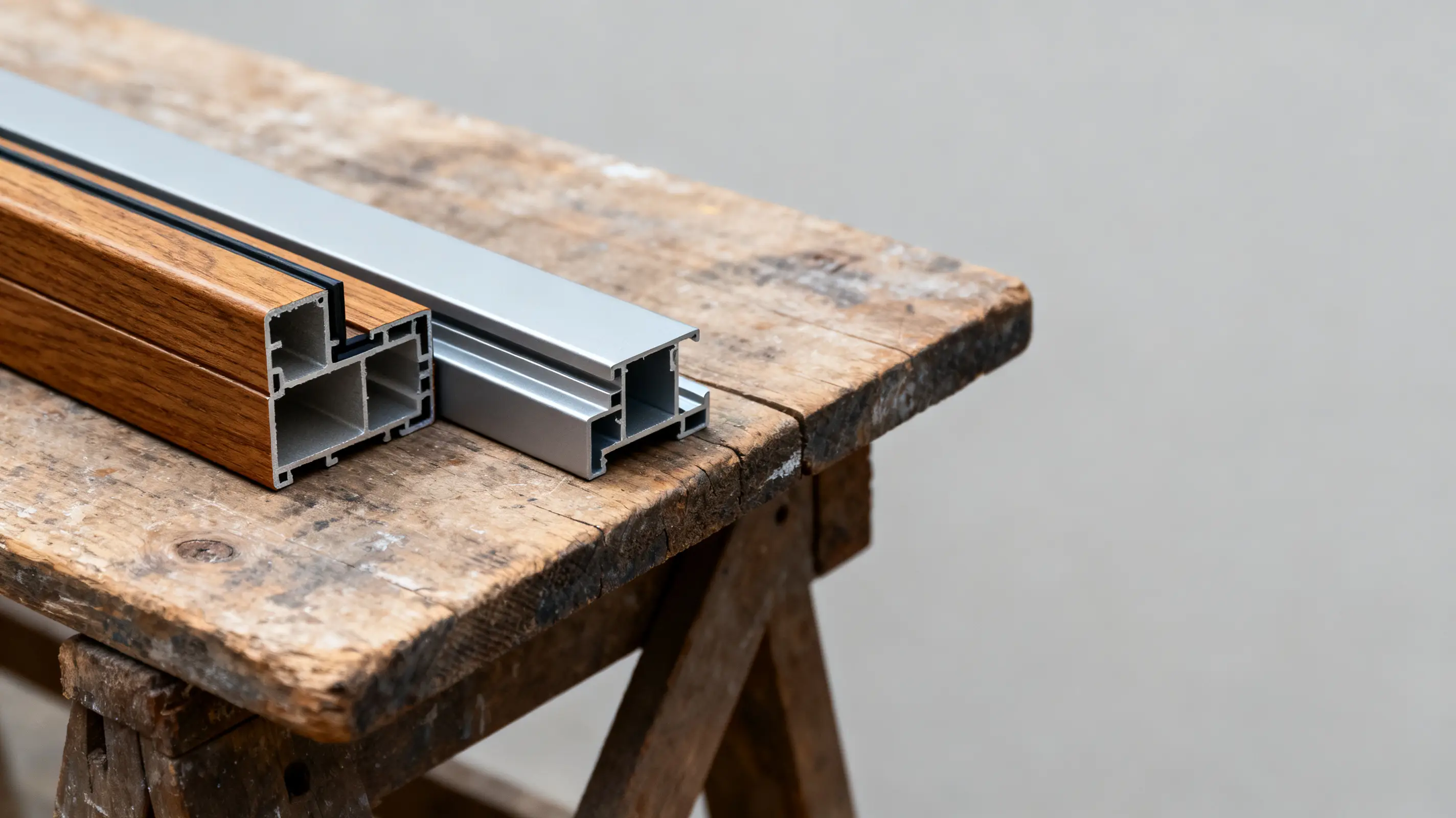
The frame material you choose affects everything: thermal performance, maintenance requirements, longevity, and aesthetics. Let’s break down your main options.
Aluminium Frames
Aluminium is by far the most popular frame material in Australia, and for good reason. It’s strong, lightweight, low-maintenance, and available in virtually any colour through powder coating. Modern thermally broken aluminium frames dramatically reduce heat transfer compared to older standard aluminium, making them suitable even in colder climates.
Timber Frames
Timber frames offer unmatched natural beauty and excellent thermal performance. Hardwoods like Vic Ash and Jarrah are particularly durable. The trade-off is maintenance; timber requires regular painting or oiling to protect it from moisture and UV damage. In coastal areas, timber can be a challenging choice without diligent upkeep.
uPVC Frames
uPVC (unplasticised polyvinyl chloride) frames are becoming increasingly popular in Australia, particularly in cooler climates. They offer excellent thermal insulation, require virtually no maintenance, and don’t corrode. They’re not as widely available in as many colour options as aluminium, but the range is growing.
Composite Frames
Composite frames combine timber on the interior (for warmth and aesthetics) with aluminium on the exterior (for durability and weather resistance). They offer the best of both worlds and are a premium choice for homeowners who want performance without compromising on looks.
Glazing: Don’t Underestimate Its Importance
If frames are the backbone, glazing is the heart of your window’s performance. The glass you choose will determine how much heat gets in or out, how much noise is blocked, and how much UV light enters your home.
Single vs Double Glazing
Single glazing is a single pane of glass and offers minimal thermal or acoustic performance. It’s still common in older Australian homes but is increasingly being phased out in new builds. Double glazing features two panes of glass with an air or gas-filled gap between them. This gap acts as an insulating barrier, significantly reducing heat transfer and noise transmission.
Low-E Glazing
Low-emissivity (Low-E) glass has a microscopically thin metallic coating that reflects heat while allowing natural light to pass through. In summer, it keeps solar heat out. In winter, it reflects indoor heat back inside. It’s one of the smartest upgrades you can make for year-round comfort.
Laminated and Toughened Glass
Laminated glass holds together when broken, making it ideal for entry doors, skylights, and high-traffic areas. Toughened glass is four to five times stronger than standard glass and shatters into small, blunt fragments rather than sharp shards. Both offer enhanced safety and are required by the NCC in certain applications.
Security: Protecting What Matters Most
When it comes to doors and windows, security should never be an afterthought.
Key Security Features to Look For
- Multi-point locking systems on entry and sliding doors for superior resistance against forced entry
- Security screens made from stainless steel mesh that resist cutting and impact
- Laminated glazing in doors and ground-floor windows to deter break-ins
- Window restrictors that limit how far windows can open without being bypassed
A quality supplier like Feature Doors & Windows can help you identify products that meet Australian security standards and suit your specific needs, whether you’re in a high-density urban area or a remote rural property.
Energy Efficiency Ratings: What to Look For
Australia uses the WERS (Window Energy Rating Scheme) to rate the thermal performance of windows and glazed doors. Products are rated on a scale from zero to ten stars across several criteria, including solar heat gain and heat loss.
Understanding Star Ratings
- Heating star rating: Higher stars mean the window retains more heat, ideal for cooler climates.
- Cooling star rating: Higher stars mean the window blocks more solar heat gain, ideal for warmer climates.
Always ask your supplier for WERS ratings when comparing products. A small difference in star ratings can translate into a significant difference in your annual energy bills.
Budget Planning: Getting Value for Money
Good quality doors and windows are an investment, not a cost. That said, there’s no point in blowing your entire renovation budget on windows if it means cutting corners elsewhere.
Where to Spend and Where to Save
- Invest more in: Entry doors, front-facing windows, and glazing performance in climate-critical areas.
- Save on: Internal doors in low-traffic areas, fixed windows in sheltered positions, and standard double-hung windows in bedrooms.
Get at least three quotes from reputable suppliers and installers. Be wary of unusually cheap options; low-cost doors and windows often come with poor sealing, flimsy hardware, and frames that warp or corrode within a few years.
Aesthetics and Architectural Harmony
Your doors and windows should feel like they belong to your home, not like afterthoughts bolted on at the end.
Matching to Your Home’s Style
- Contemporary and modern homes: Clean lines, large fixed panels, minimal frames, powder-coated black or grey aluminium.
- Federation and heritage homes: Timber double-hung windows, panel entry doors, leadlight glass details.
- Queenslander-style homes: Louvre windows, timber fretwork, wide verandah doors.
- Coastal and beachy homes: Stacker sliding doors, natural timber tones, expansive glazing for ocean views.
Colour choice also plays a huge role. Darker frame colours like Monument and Woodland Grey are enormously popular right now and can add a striking contemporary edge to both new builds and renovations.
Installation: Why It’s Just as Important as the Product
You could invest in the world’s best doors and windows, but poor installation will undermine every benefit they offer. Draught gaps, incorrect sealing, misaligned frames, and improper flashing can lead to water ingress, energy loss, and premature failure.
What Good Installation Looks Like
- Frames are level, plumb, and square before fixing
- All gaps between the frame and the rough opening are properly sealed
- Flashings are correctly installed to prevent water penetration
- All hardware is adjusted and operates smoothly before handover
Always use licensed tradespeople for installation, and ensure the work meets the requirements of the NCC and your local council where applicable.
Maintenance Tips to Extend the Life of Your Doors and Windows
Even the best products need a little care to perform at their best over the long term.
Simple Maintenance Habits
- Aluminium frames: Wash with warm soapy water every six months; check and lubricate rollers and hinges annually.
- Timber frames: Inspect paintwork or oil finish yearly; touch up any bare or cracked areas promptly to prevent moisture ingress.
- uPVC frames: Wipe clean with a damp cloth; avoid abrasive cleaners that can scratch the surface.
- Seals and weatherstripping: Check annually and replace if they’ve become brittle, flattened, or cracked.
- Glazing: Clean glass with a non-abrasive cleaner; check for any seal failures (indicated by condensation between double-glazed panes).
Conclusion
Choosing the right doors and windows for your home isn’t just about picking something that looks good in a showroom. It’s about understanding your climate, your lifestyle, your budget, and the long-term performance you need from these critical building elements. Take the time to research your options, ask the right questions, and work with reputable suppliers and installers who can guide you through the process with confidence.
When you get these choices right, the rewards are real and lasting; a more comfortable home, lower energy bills, better security, and a property that genuinely reflects your taste and values. Start with the basics covered in this guide, and you’ll be well on your way to making decisions you’ll be happy with for decades to come.
FAQs
1. What is the best window type for hot Australian summers? Awning and casement windows with Low-E glazing and solar control coatings are the best windows for managing heat in hot Australian summers. Pairing these with thermally broken frames significantly improves your home’s cooling energy efficiency.
2. How do I know which door is best for my home’s style? Matching your door style to your home’s architectural character; timber for heritage homes, aluminium for contemporary builds, is the most effective approach. Consulting with a specialist in doors and windows will ensure you choose a product that complements your home’s aesthetic and performs reliably.
3. Is double glazing worth the extra cost in Australia? Double glazing is absolutely worth the investment in most Australian climate zones, particularly in southern states, as it reduces heating and cooling costs significantly. The energy savings over time, combined with improved comfort and noise reduction, make it a cost-effective long-term upgrade.
4. What frame material is best for coastal Australian homes? Powder-coated aluminium or uPVC frames are the best choices for coastal homes as they resist salt corrosion far better than untreated timber or standard steel. Regular cleaning and maintenance will extend their lifespan even in harsh coastal environments.
5. How often should door and window seals be replaced? Door and window seals and weatherstripping should be inspected annually and replaced every five to ten years, or sooner if they show signs of cracking, flattening, or brittleness. Keeping seals in good condition is one of the most cost-effective ways to maintain your home’s energy efficiency and draught-proofing.