How To Care For A Monstera Plant: A Complete Guide
Monstera plants are one of the most popular houseplants for a reason. They’re bold, fast-growing, and surprisingly forgiving once you understand what they need.
But a lot of people still struggle with yellowing leaves, drooping stems, or a plant that just refuses to grow. The good news? Most problems come down to a few key care habits.
Get those right, and your Monstera will thrive. This blog covers everything from setup and watering to fixing common issues, so you can grow a healthy, full plant with confidence.
How To Care For A Monstera Plant (Step-By-Step Setup)
Starting right makes everything easier. Follow these five steps to set your Monstera up for healthy growth from day one.
Step 1: Place in bright indirect light. This supports photosynthesis without burning the leaves. Direct sun scorches tissue; low light causes weak, leggy growth.
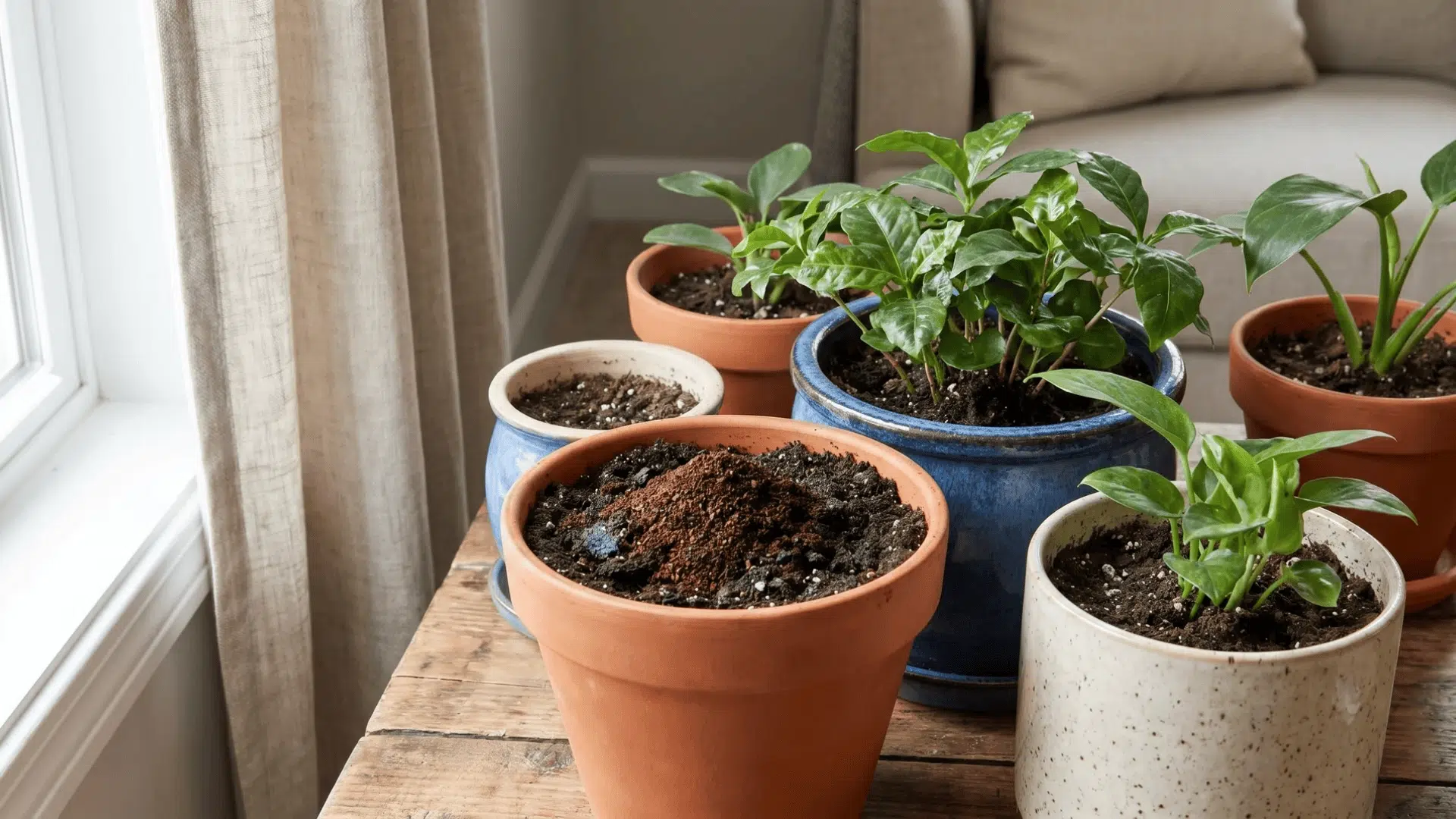
Step 2: Use well-draining, chunky soil. Roots need oxygen, not compacted moisture. Dense soil traps water, leading to root rot.
Step 3: Water only when the top 2–3 inches of soil dry out. This keeps hydration balanced without overwatering. Constant moisture suffocates roots over time.
Step 4: Choose a pot with drainage holes. Excess water needs somewhere to go. Standing water causes rot and fungal issues to spread quickly.
Step 5: Add a moss pole or stake. Monstera is a natural climber. Support triggers larger, split leaves. Without it, growth stays weak and sprawling.
Light Requirements And Placement
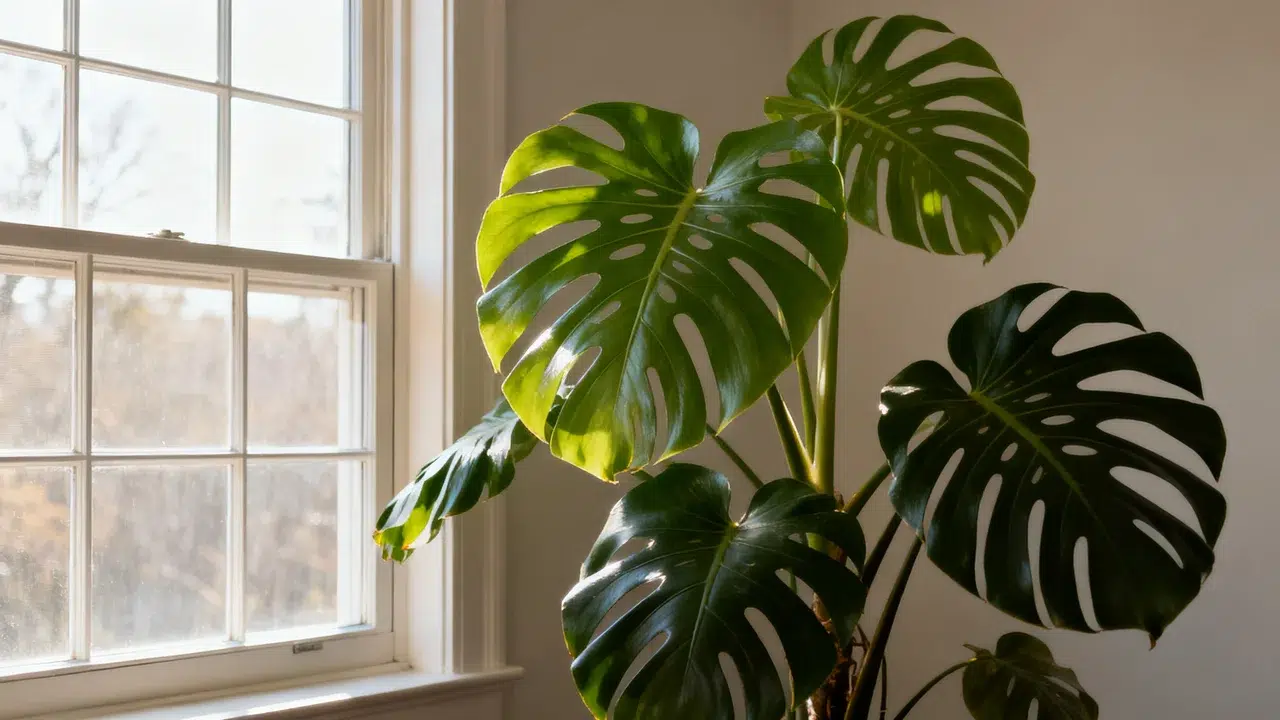
Light directly shapes how your Monstera grows, its leaf size, structure, and those signature splits.
Bright indirect light is the sweet spot. Think filtered sunlight near a window, not harsh rays hitting the leaves directly.
What happens without enough light:
- Growth slows significantly.
- Leaves stay small and unsplit.
- The plant reaches toward the nearest light source, becoming uneven.
What happens with too much direct sun: Leaf tissue burns. You’ll see dry, bleached patches that don’t recover.
Best placement options:
- A few feet back from a south or west-facing window.
- Near an east-facing window for gentle morning light.
- Avoid dark corners or rooms with no natural light.
Watering The Right Way (And Why Most People Get It Wrong)
Watering is where most Monstera owners go wrong, and it usually comes down to one habit: following a fixed schedule.
The problem is that light levels, humidity, and season all affect how fast your soil dries. What worked last week may not work this week, so checking the soil every time is more reliable than checking the calendar.
Before you water, press your finger 2–3 inches into the soil. If it still feels moist, leave it.
If it’s dry, water slowly and thoroughly until it drains from the bottom holes. This gives the roots an even, deep drink rather than a shallow rinse.
Getting the timing right also helps you avoid the two most common damage patterns:
- Overwatering cuts off oxygen to the roots, which leads to rot and shows up first as yellowing leaves.
- Underwatering causes the plant to lose pressure, leaving leaves droopy with dry, crispy edges.
Once you stop watering on a schedule and start reading your plant instead, you’ll find this becomes one of the easier parts of Monstera care.
Soil, Potting Mix, And Repotting
Root health is the foundation of everything. Soil quality has a bigger impact than most people realize.
What Makes The Right Soil Mix: A chunky, airy mix keeps roots healthy by balancing moisture and airflow.
A good Monstera mix includes:
- Regular potting soil as the base
- Orchid bark or coco coir for drainage
- Perlite to improve aeration
When And How To Repot: Repot every 2–3 years, or sooner if you see roots circling the pot or pushing through drainage holes.
A slightly root-bound plant is fine; Monstera tolerates it well. But don’t jump to a much larger pot. Oversized pots hold more moisture than roots can absorb, which increases the risk of rot.
Go up one pot size at a time, and always use fresh soil when repotting.
Humidity And Temperature Control
Monstera plants come from tropical rainforests. They’re built for warmth and moisture.
Ideal humidity: 50% or higher. Low humidity causes brown leaf edges and slows new growth. Indoor air, especially in winter, often drops well below this.
Ways to raise humidity:
- Use a humidifier near the plant
- Group it with other plants
- Place a tray of water nearby (avoid misting, it doesn’t raise ambient humidity effectively)
Ideal temperature: 65–85°F (18–30°C). Cold drafts or temperatures below 50°F slow the plant’s metabolism. Keep it away from air conditioning vents, cold windows, and exterior doors in winter.
Fertilizing For Growth (Without Damaging The Plant)
Feeding your Monstera the right way encourages strong, consistent growth, but more isn’t better.
Feed once a month during the growing season (spring through summer) using a balanced liquid fertilizer diluted to half strength.
Why feeding matters: New leaf development requires a steady supply of nutrients, especially nitrogen.
What happens in dormancy: Growth slows in fall and winter. The plant doesn’t need feeding during this period. Skip it entirely.
Overfertilization damage: Excess fertilizer leaves salt deposits in the soil. These damaged roots show up as brown, burnt leaf tips. Flush the soil with water every few months to prevent buildup.
Supporting Your Monstera’s Leaf Growth
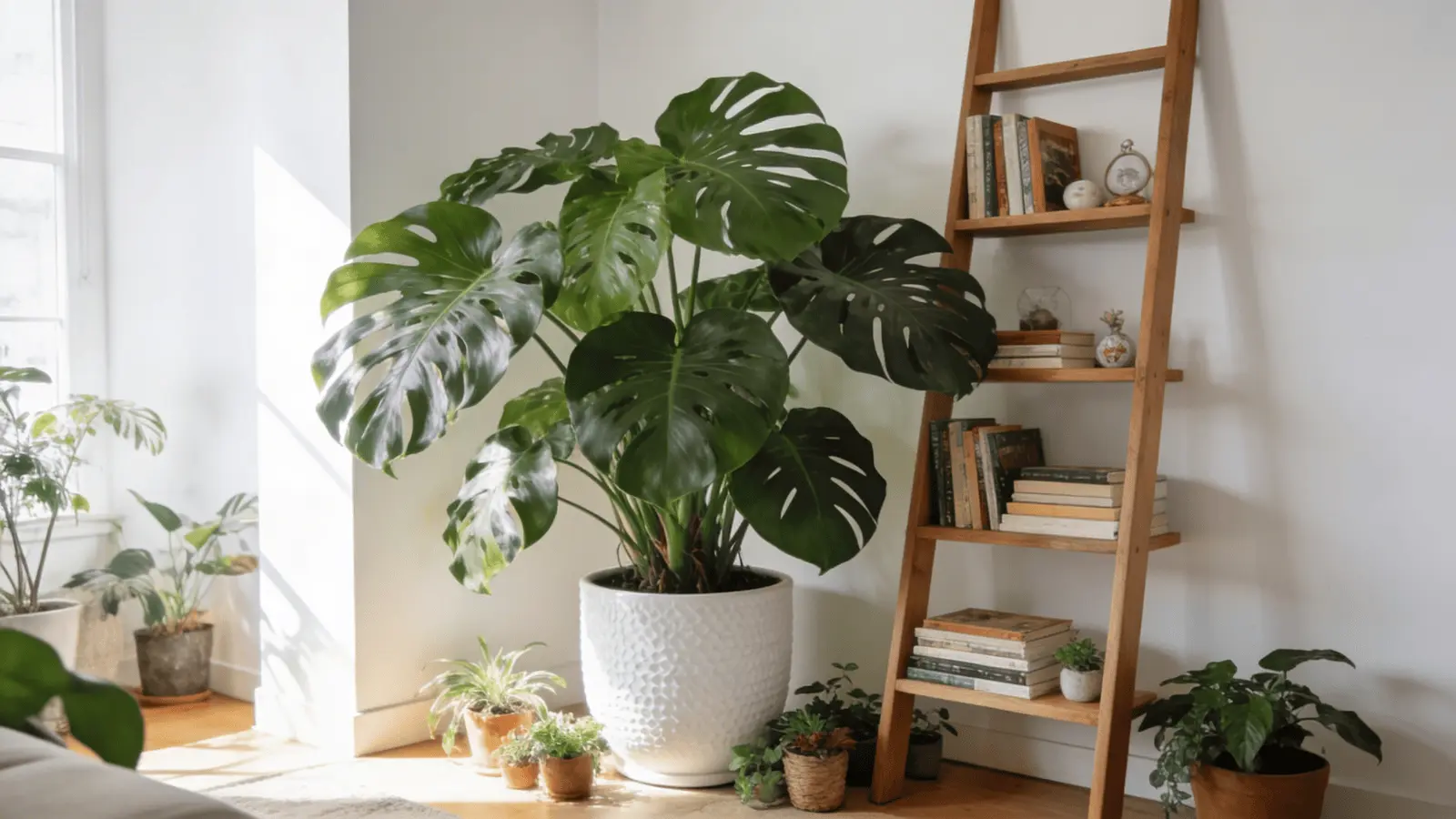
How you train your Monstera affects not just its shape, but the size and complexity of its leaves.
Monstera plants are natural climbers. In the wild, they grow up trees toward the light. Indoors, a moss pole or sturdy stake mimics that upward path.
Why support matters:
- Upward growth signals the plant to produce larger leaves
- Mature leaves develop fenestration (the iconic splits and holes) faster
- Aerial roots can grip the pole and help anchor new growth
What happens without support: The plant sprawls outward. Leaves stay smaller. Splits develop slowly or not at all because the plant isn’t getting the vertical light exposure it needs.
Tie the new stems loosely to the pole as they grow. Let aerial roots attach naturally; don’t cut them off.
Common Problems And How To Fix Them
Most Monstera issues trace back to a few simple causes. Here’s a quick breakdown to help you spot and fix problems fast.
| Problem | Cause | What’s Happening | Fix |
|---|---|---|---|
| Yellow Leaves | Overwatering or poor drainage | Roots sitting in soggy soil can’t absorb nutrients, so leaves turn yellow | Let the soil dry out, improve drainage, and reduce watering frequency |
| Brown or Crispy Edges | Low humidity or underwatering | Moisture leaves the leaf faster than roots can replace it, and edges dry out first | Raise humidity levels and ensure you’re watering each time deeply |
| Drooping Leaves | Dehydration or root damage | Cells lose water pressure, causing leaves to lose structure and droop | Check soil moisture first. If the soil is wet and the leaves still droop, inspect the roots for rot |
| No Leaf Splits (Fenestration) | Low light or plant immaturity | Without enough light, the plant lacks energy to form complex leaf shapes | Move to a brighter spot. Young plants also won’t split yet, so patience is key |
Catching these signs early makes a big difference. Fix the root cause first; treating just the symptom won’t stop the problem from coming back.
Seasonal And Indoor Care Adjustments
Your Monstera’s needs shift with the seasons. Adjusting your routine keeps it healthy year-round.
In winter:
- Water less frequently, soil dries more slowly in cooler, darker conditions
- Expect slower or paused growth
- Stop fertilizing until spring
- Move the plant closer to the windows as light levels drop
In summer:
- Water more often as heat and light increase soil drying time
- Resume monthly feeding
- Watch for pests, warmth, and humidity that attract spider mites and fungus gnats
Quick Care Checklist
Here’s a simple reference you can come back to anytime.
| Care Factor | What To Do |
|---|---|
| Light | Bright indirect light near a window |
| Water | When the top 2–3 inches of soil dry out |
| Soil | Chunky, well-draining mix with bark and perlite |
| Humidity | 50% or higher |
| Temperature | 65–85°F (18–30°C) |
| Feeding | Monthly in spring and summer only |
| Support | Moss pole or stake recommended |
Final Thoughts
Monstera plant care isn’t complicated it’s consistent.
Bright indirect light, soil that breathes, water on the plant’s schedule (not yours), and a pole to climb that’s genuinely all it takes to unlock those dramatic, split leaves everyone loves.
Whether you’re troubleshooting yellow leaves or chasing bigger fenestration, the answers almost always trace back to these basics.
Master them, and your Monstera rewards you every single week.
Got a monstera plant care win or a hard-learned lesson? Drop your experience or favorite tip in the comments below!
Frequently Asked Questions
Are Monstera Plants Toxic to Pets or Children?
Yes. Monstera Contains Calcium Oxalates, Which Cause Irritation or Swelling if Chewed or Eaten. Keep It Away from Pets and Small Children.
Can I Propagate a Monstera at Home?
Yes. Cut a Stem Just Below a Node and Place It in Water. Roots Appear in 2–4 Weeks. Then Pot in Well-Draining Soil.
Do Monstera Need a Moss Pole?
It’s not required, but it makes a real difference. A pole encourages upward growth, larger leaves, and faster fenestration by mimicking how the plant grows in nature.