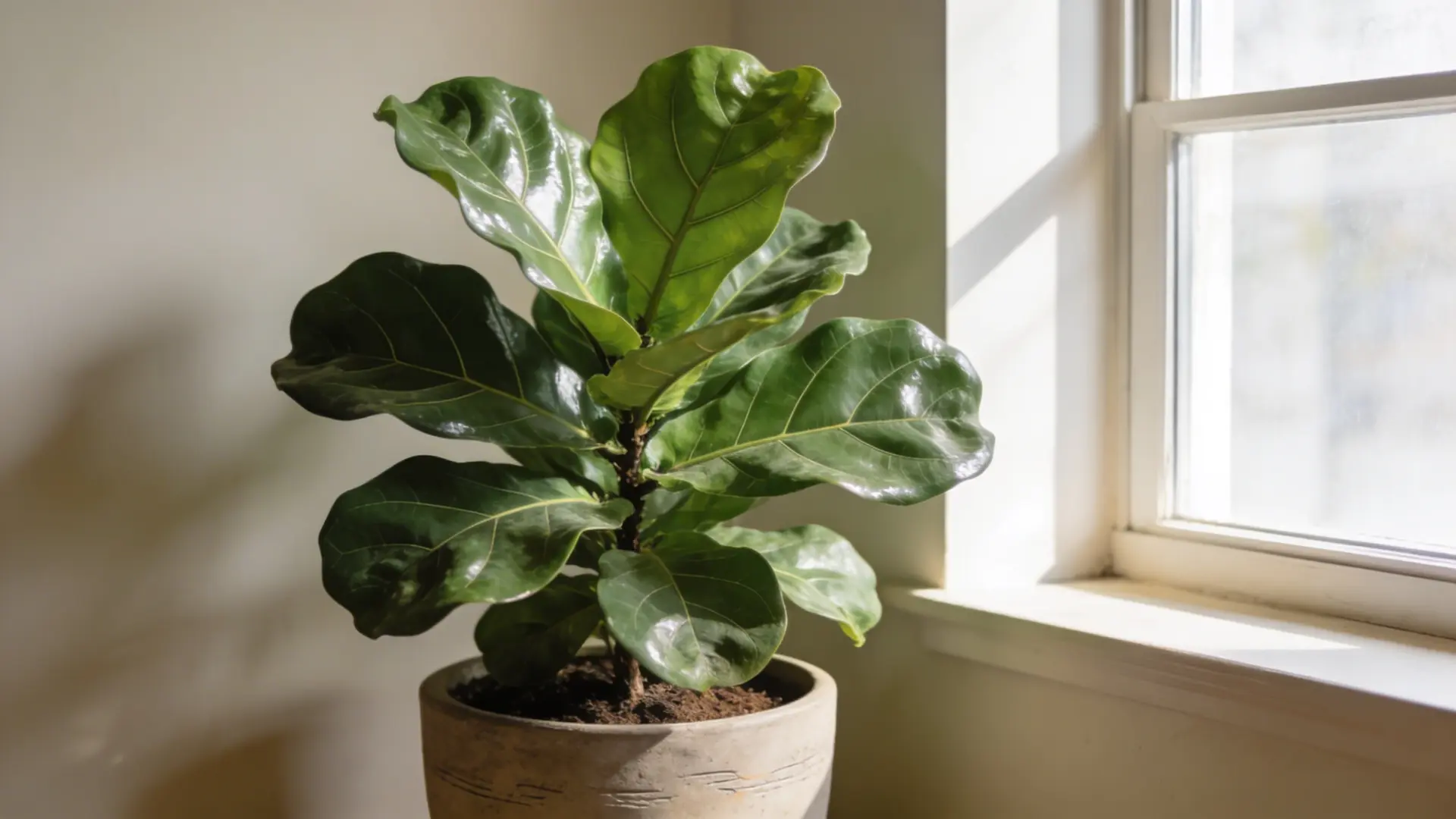
Ficus Lyrata Care: Easy Plant Care Guide
Something always feels slightly off when a Ficus lyrata begins to struggle, even before the damage becomes obvious.
The leaves are usually the first to show it, with small spots, slight drooping, or changes that seem easy to ignore at first.
Most people don’t realize how quickly small care mistakes can affect this plant and turn into bigger issues.
That’s why ficus lyrata care often feels confusing in the beginning, even when you think you’re doing things right. The signs are there, but they don’t always stand out clearly.
This guide breaks ficus lyrata care into simple, clear steps so you can understand what’s happening and what to do next.
Ficus Lyrata Care Guide: Simple Steps for Healthy Growth
Ficus lyrata needs the right mix of light, water, and care to stay healthy indoors. Most issues happen when watering or placement is not handled correctly.
This guide covers the key care areas you need to manage for steady growth.
Step 1: Provide Bright, Indirect Light
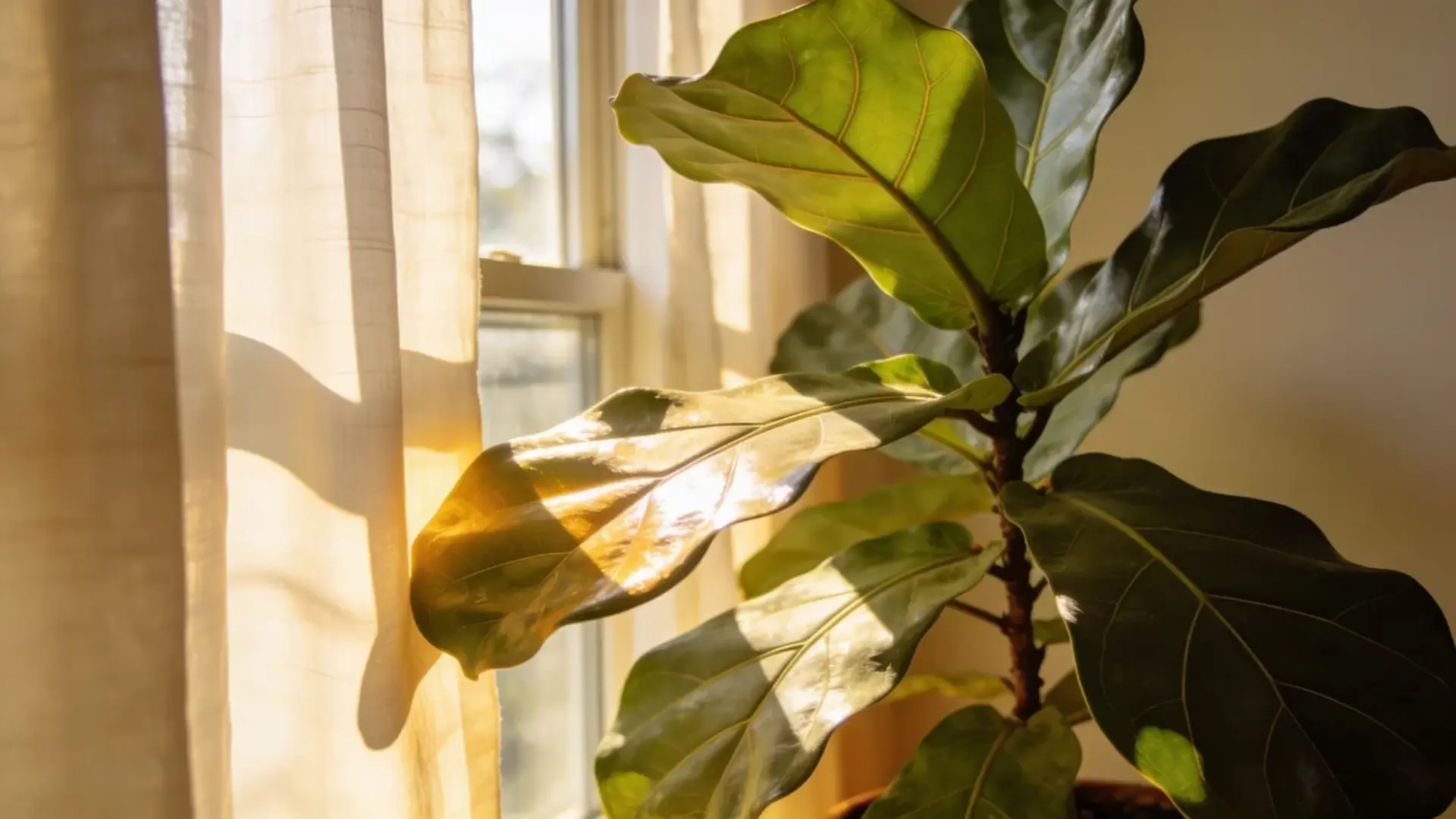
Place your Ficus lyrata near a window where it gets plenty of natural light, but not direct, harsh sun. Filtered sunlight works best, such as light from a sheer curtain or an east-facing window.
Keep the plant in bright light for about 6–8 hours daily. This helps the plant produce enough energy to grow strong, large leaves.
Avoid placing it in dark corners or far from windows. Low light slows growth and can lead to leaf drop over time.
Step 2: Water Based on Soil Dryness
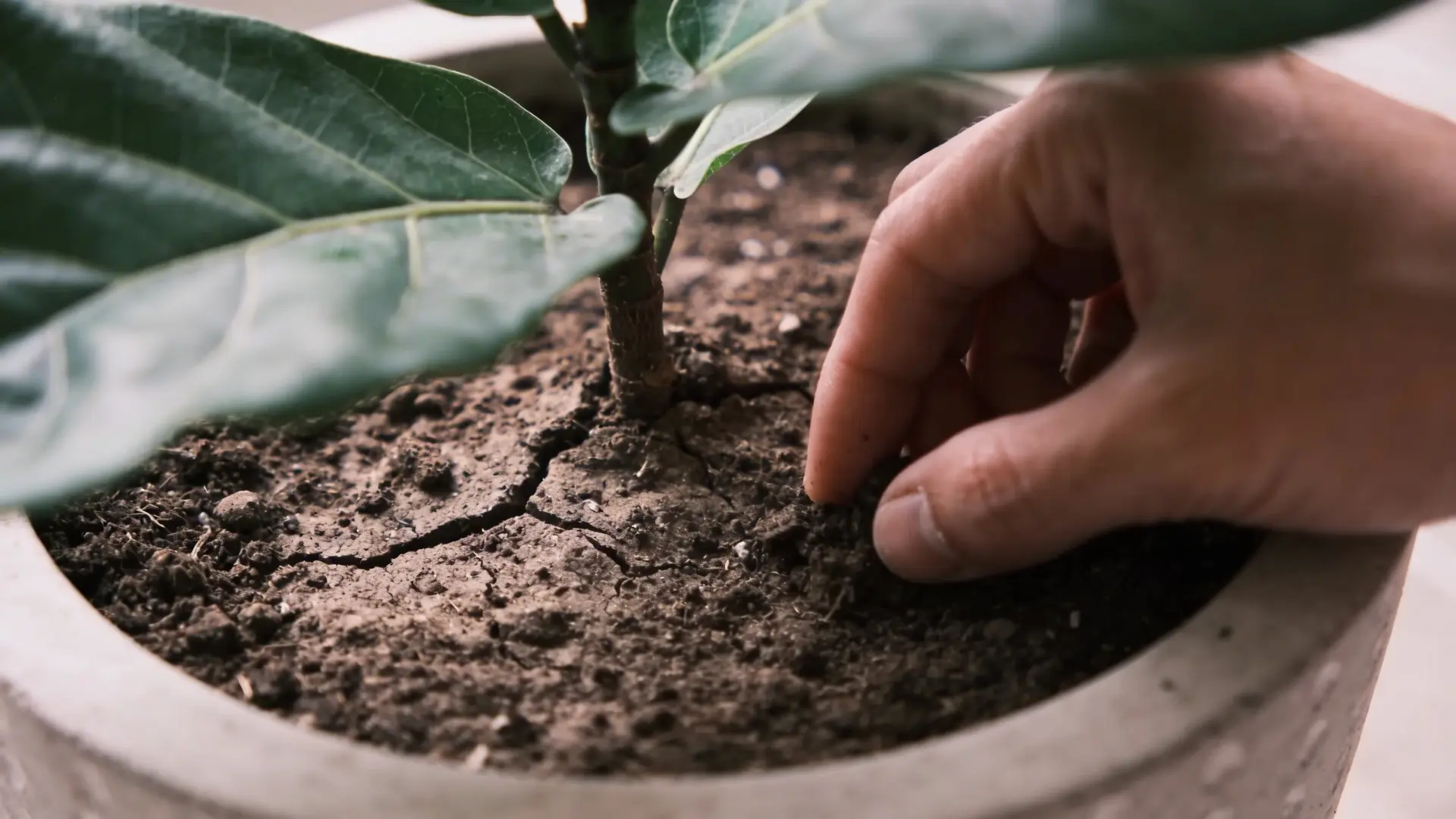
Watering correctly keeps the roots healthy and prevents the most common issues. It depends on soil conditions, not a fixed schedule.
- Check the top 1–2 inches of soil before watering
- Water only when the soil feels dry
- Water deeply until excess drains out
- Empty the tray after watering
- Avoid fixed schedules and shallow watering
- Do not let the plant sit in water
- Overwatering can cause root rot and brown spots
Getting this right helps the plant stay stable and grow well.
Step 3: Use Well-Draining Soil and a Pot with Drainage
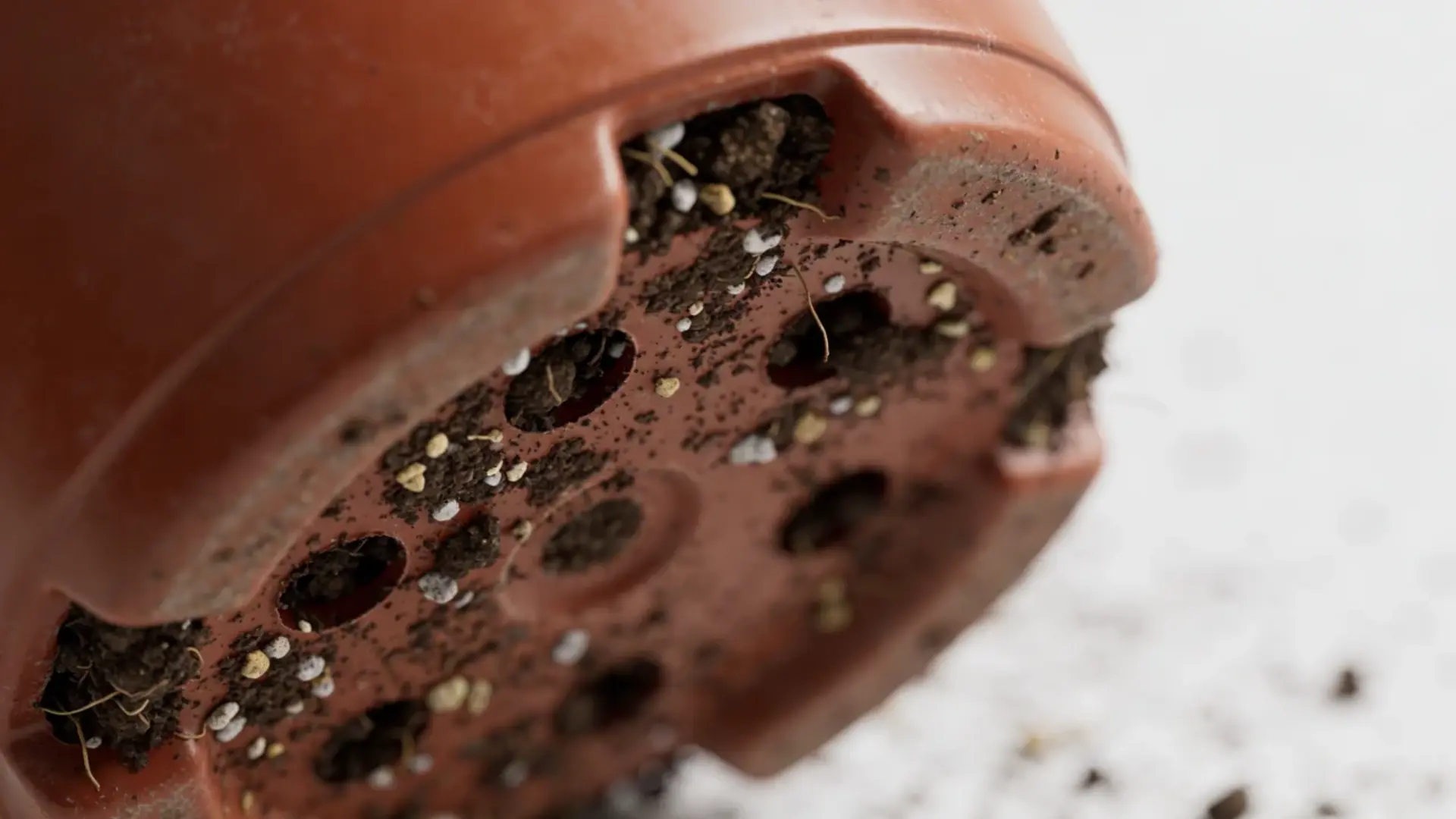
Use a pot with proper drainage holes and a loose, well-draining soil mix like peat and perlite.
This allows excess water to flow out and prevents the roots from staying too wet.
Good drainage is important because roots need both moisture and air to stay healthy. Without airflow, roots can suffocate and start to rot.
Avoid dense soil that holds water for too long. Also, avoid oversized pots, as they retain extra moisture. Poor drainage can lead to root rot, weak growth, and leaf problems.
Step 4: Maintain Temperature and Humidity
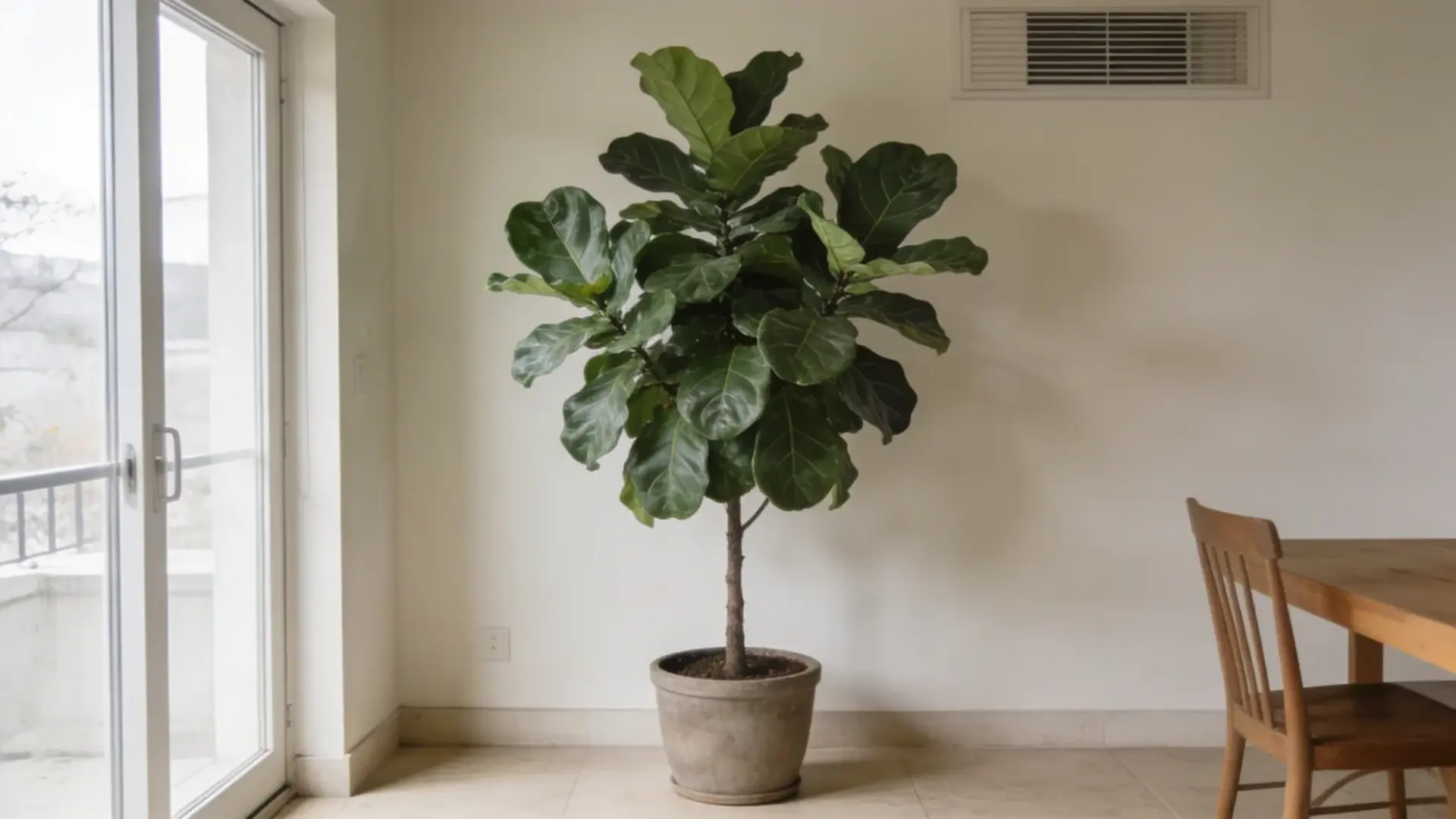
Keep your Ficus lyrata in a stable indoor environment with moderate warmth and humidity.
Sudden changes in temperature or airflow can stress the plant and affect growth.
Maintain a temperature between 18–30°C for steady growth. Avoid placing the plant near AC vents, heaters, or drafty windows.
Moderate humidity helps prevent leaf dryness and edge browning. Dry air can cause the leaves to lose moisture faster than the plant can replace it. Avoid sudden temperature changes and keep away from direct airflow.
Step 5: Fertilize During the Growing Season
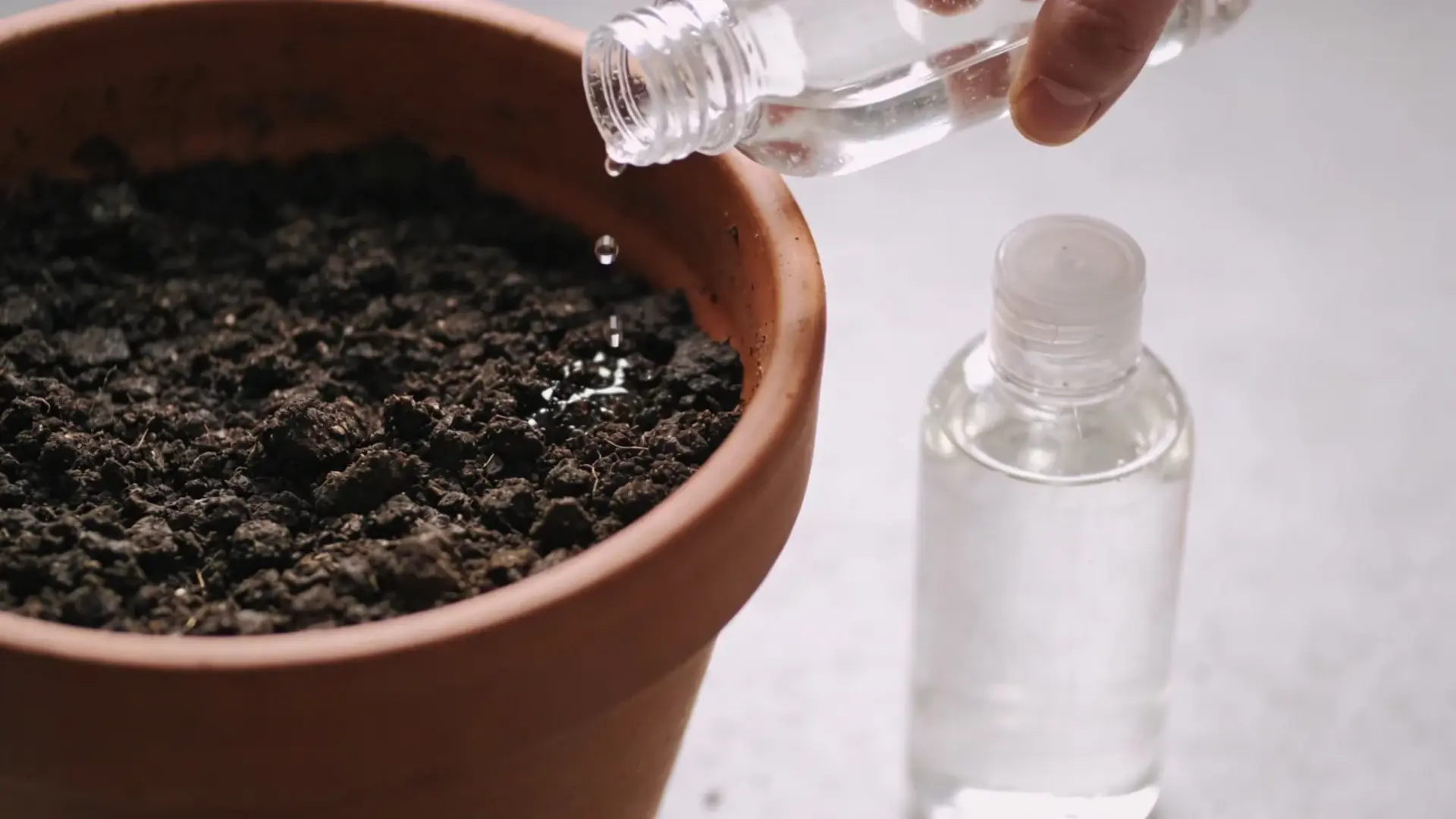
Fertilize your Ficus lyrata once a month during spring and summer using a balanced liquid fertilizer. This supports new leaf growth when the plant is actively growing.
Avoid feeding in winter, as the plant slows down and cannot use extra nutrients. Too much fertilizer can build up in the soil, damaging the roots.
Always follow the recommended dosage to prevent overfeeding. Excess fertilizer can lead to root burn and weak growth.
How to Know Your Ficus Lyrata Is Healthy?
You can judge your plant’s condition by observing its leaves and growth pattern. Healthy plants show steady growth, while problems appear through visible changes.
| Healthy Signs | Unhealthy Signs |
|---|---|
| Large, firm, upright leaves | Yellow or dropping leaves |
| New growth at the top | No new growth over time |
| Deep green leaf color | Brown spots or dry edges |
| Balanced, stable structure | Soft or weak leaves |
These signs help you quickly understand what your plant needs. Spotting issues early makes it easier to adjust care and prevent further damage
Regular Maintenance For Healthy Growth
Keeping your Ficus lyrata healthy long-term isn’t just about watering and light. Small, consistent habits make the difference between a thriving plant and one that just survives.
Here are three simple maintenance habits worth building into your routine:
- Rotate the plant every two to three weeks. Light indoors comes from one direction, and regular rotation keeps growth even and prevents permanent leaning toward the window.
- Prune when the plant gets leggy. Cutting just above a leaf node pushes the stem to branch out, building a fuller shape over time.
- Check the roots during seasonal changes. A quick look at the drainage holes every few months tells you if the plant is becoming root-bound before it shows up in the leaves.
None of these steps is complicated, but skipping them consistently is one of the quiet reasons plants stop progressing.
Build them into a simple monthly routine, and your plant will show the difference.
Common Care Mistakes to Watch For with Ficus Lyrata
Avoiding a few common mistakes can help keep your Ficus lyrata stable and healthy.
These errors often disrupt growth and affect the plant’s overall condition.
- Watering on a fixed schedule instead of checking soil dryness
- Placing the plant in low light or direct harsh sunlight
- Moving the plant frequently from one spot to another
- Using pots without proper drainage holes
- Choosing oversized pots that retain excess moisture
Keeping these in check helps maintain consistency and supports steady growth.
Conclusion
Ficus lyrata care becomes simple once you focus on the basics: light, watering, and consistency. Most problems happen when one of these factors is ignored or changed too often.
By placing your plant in the right spot, watering based on soil dryness, and maintaining stable conditions, you can support steady growth.
Regular checks and small adjustments help prevent bigger issues over time.
Pay attention to how your plant responds, and use those signals to guide your care routine.A consistent approach makes a big difference in keeping your plant healthy.
If you still have questions or want to share your experience, drop a comment below.