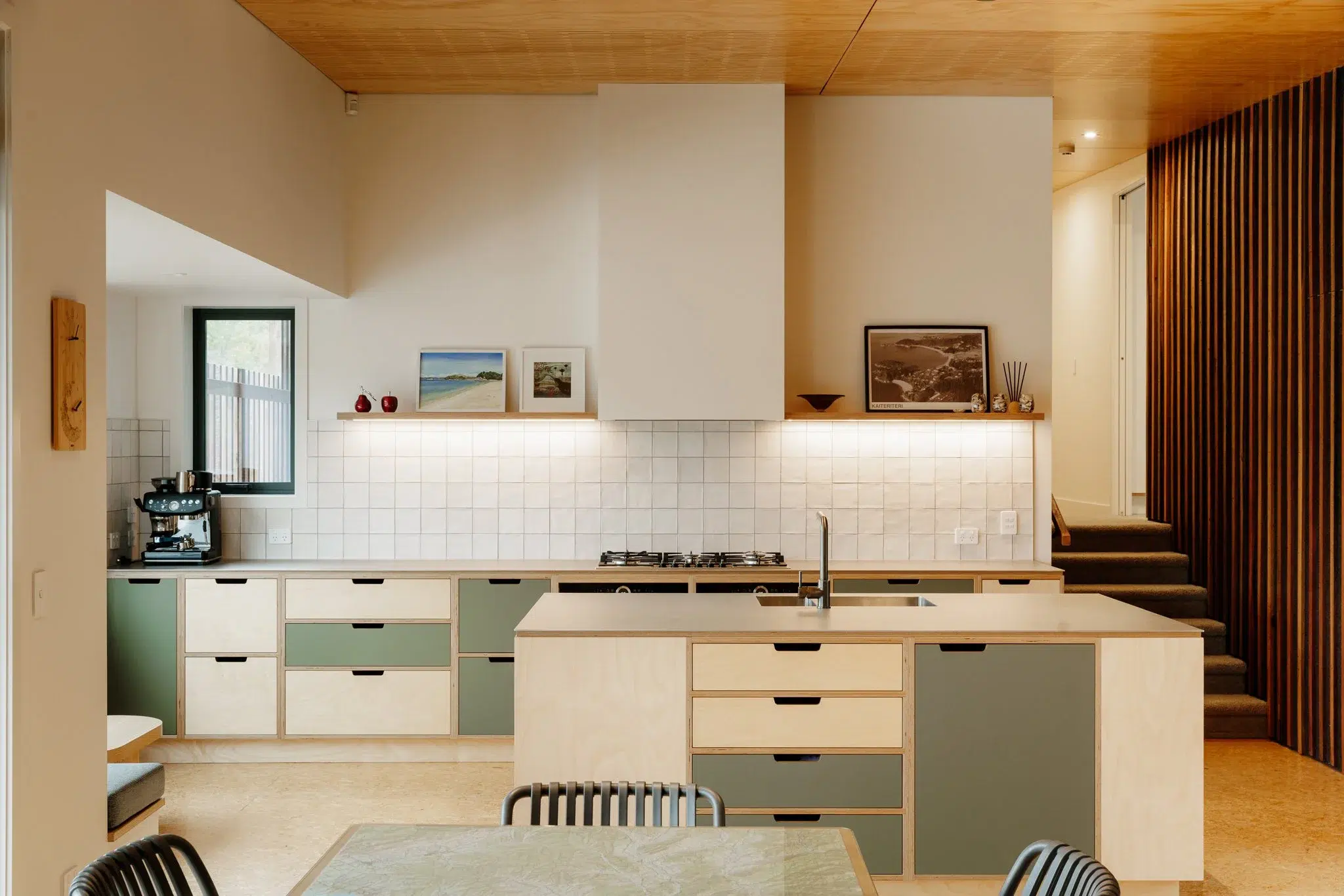
How the Customization of Furniture Pieces Helps to Create a Truly Unique Interior
Walk into a home today, and you might notice a shift. People are tired of cookie-cutter designs and global trends that make every living room look the same. We’re starting to see our homes as personal sanctuaries — a place where we can express ourselves.
This is where the power of custom luxury furniture comes in. It’s so much more than just choosing a new color; it’s about turning your house into a living memoir, a space that captures your passions, memories, and personal style. Stepping away from mass-produced items allows you to unlock your creativity and build an interior that is truly yours.
The Pitfalls of Mass-Produced Furniture
The traditional furniture market is built on the principle of economies of scale. Manufacturers produce large quantities of a limited number of designs to keep costs down and maintain accessible prices. While this has made stylish furniture available to the masses, it has also led to a sense of monotony in many homes. This lack of individuality can make it challenging to create a space that feels authentic and personal.
Moreover, off-the-shelf furniture often fails to address specific functional needs. A standard-sized bookcase may not fit a particular alcove, or a dining table may not have the correct dimensions for a big family. The limitations of prefabricated pieces can force homeowners to compromise on both style and functionality, leading to a space that feels slightly “off” and not entirely their own. The one-size-fits-all approach is convenient, but ultimately it can constrain creativity and limit the potential of a room.
Degrees of Furniture Customization
Furniture customization is a broad concept, covering everything from minor tweaks to an entirely new design. This can mean simply altering the dimensions of an existing piece, choosing a specific fabric or finish, or collaborating with a designer to create something entirely new. The level of customization is ultimately guided by your budget, vision, and the project’s specific requirements.
For example, a simple form of customization might be selecting a different upholstery fabric for a chair or choosing a specific wood stain for a coffee table. A more advanced level could involve altering the height or width of a dresser to fit a particular space.
The ultimate form of customization is commissioning a completely bespoke piece of furniture, designed and built from scratch to meet specific requirements. This could be a built-in bookshelf that wraps around a window, a uniquely shaped bed frame, or a modular seating system designed for a non-standard room layout.
The Role of Customization in Expressing Personality
Our homes are an extension of our identities. The art we hang, the books we display, and the colors we choose for furnishing all tell something about ourselves. Furniture plays a central role in this narrative. By customizing pieces, we can ensure that our living spaces truly reflect our personalities.
A person who loves to invite guests and arrange parties might want to design a large, custom-built dining table with integrated storage for placemats and cutlery. A book lover might commission a floor-to-ceiling library wall with a rolling ladder.
These are not just functional pieces; they are statements of intent, expressions of passion, and tangible representations of our unique lives. Customization allows us to move beyond the aesthetic choices of a designer in a factory and instead, become the chief curator of our environment.
Creating Functional and Perfectly Fitting Spaces
Beyond aesthetics, customization is a powerful tool for optimizing functionality and space. In homes with unconventional layouts, small rooms, or unique architectural features, standard furniture can be an awkward and inefficient solution.
A built-in bench with hidden storage in a small entryway can solve a clutter problem and provide a comfortable place to put on shoes. A custom-made bed with drawers underneath can maximize storage in a tiny bedroom.
In an open-plan living area, a bespoke room divider or shelving unit can define different zones without the need for walls. This kind of precise tailoring ensures that every inch of a room is used efficiently.
The Customization Process
Creating a customized piece of furniture is a rewarding, collaborative process. It typically begins with a consultation, where you, the homeowner, sit down with a designer or skilled artisan to discuss your vision, needs, and ideas. The designer then offers their expertise on materials, construction, and design to help turn your initial concept into a concrete, feasible plan.
Following the initial discussion, sketches and technical drawings are created. This allows the homeowner to visualize the final product and make any necessary adjustments before construction begins. The choice of materials, from the type of wood to the finish and hardware, is a crucial part of this process.
The ability to select specific elements ensures that the final piece is stylish, durable, and suitable for a particular space. The collaborative process transforms the consumer from a passive buyer into an active co-creator, invested in the outcome. This deepens the connection to the object and the space it occupies.
The Sustainability and Quality
Custom furniture is often associated with higher quality and greater longevity. When a piece is made to order, a workshop typically pays close attention to detail and uses high-quality materials. This stands in contrast to many mass-produced items, which are designed for quick assembly and a shorter lifespan.
Customization is also a greener option. When you create a piece that perfectly fits your needs, you’re less likely to throw it out later. This is furniture that can be passed down through your family, becoming a cherished heirloom.
Ultimately, the decision to customize furniture is an investment in the character and soul of your home. It’s a move away from passive consumption towards active creation, allowing you to design spaces that are both functional and beautiful, yet deeply personal. By embracing customization, you transform your interior from a mere arrangement of objects into a living reflection of your unique story.