How Hardscape Features Add Structure to Functional Outdoor Spaces
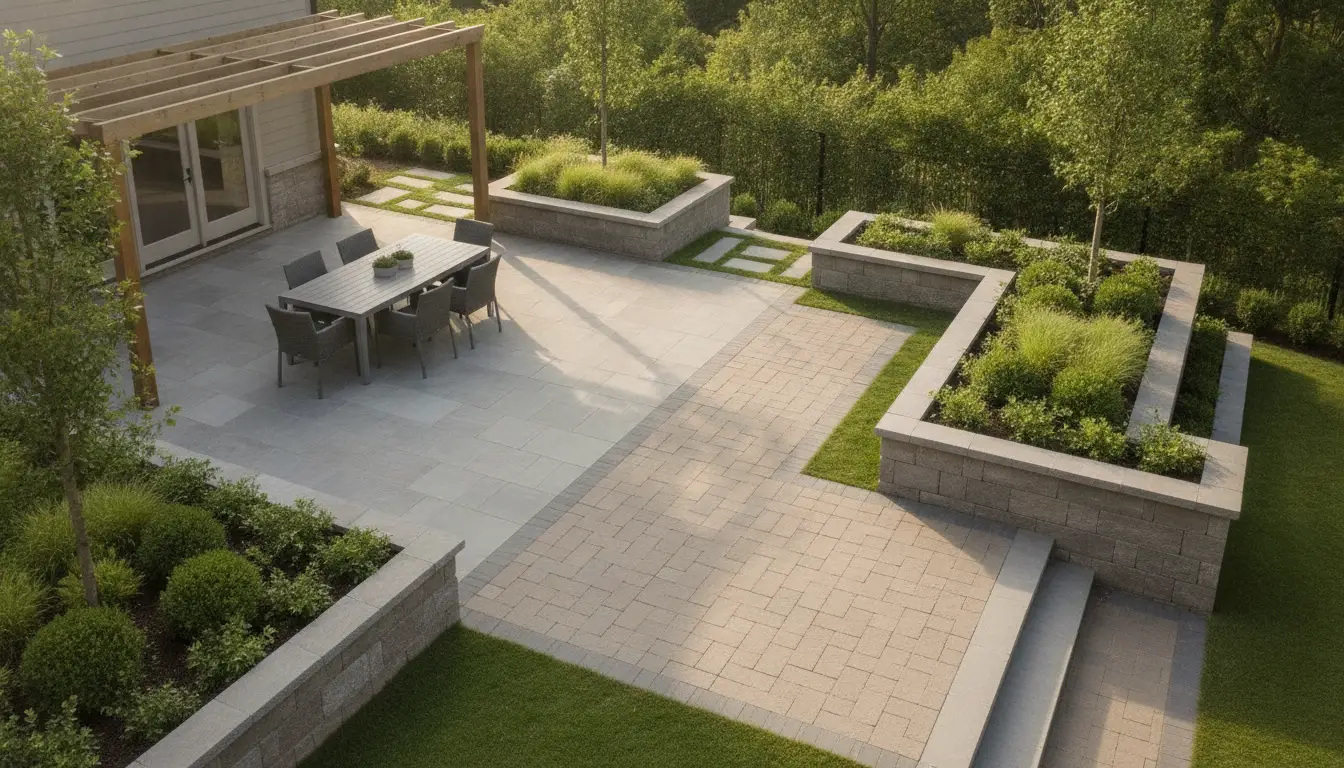
Outdoor areas serve people better when each feature has a defined job. Patios provide stable places for meals, paths guide foot traffic, and walls address changes in elevation. Together, these elements improve access, drainage, privacy, and safety. Their value depends on placement, dimensions, and materials rather than decoration alone. A thoughtful plan considers household routines, seasonal weather, maintenance demands, and existing site conditions. The finished setting feels orderly because each surface and transition works as intended.
How Can Experienced Guidance Help?
Before excavation starts, a site review should record slope, soil stability, existing drainage, utility locations, and equipment access. Guidance from St. Louis hardscape landscapers can help property owners compare wall systems, paving materials, and construction details with actual conditions. That early assessment clarifies walking widths, patio elevations, and water-control measures, reducing changes after materials arrive. It also helps crews sequence work safely and protect nearby planting areas.
Hardscape Creates Visual Order
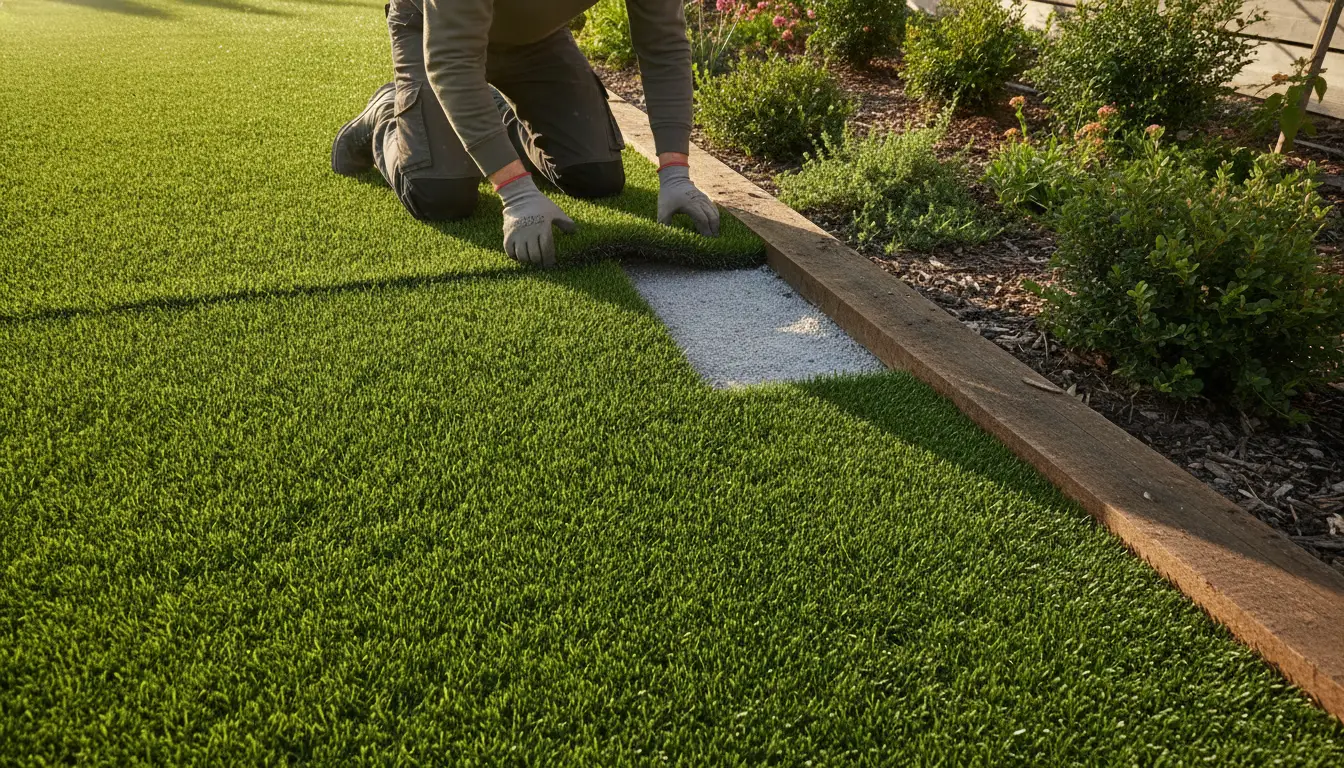
Fixed edges give an outdoor setting a readable framework. A low border can separate turf from gravel, while a retaining wall establishes a clean division between two grades. Straight lines often suit formal layouts, whereas gentle curves can soften a transition beside planting beds. Consistent materials across related features make separate areas feel connected without making them look identical.
Movement Needs Clear Routes
Paths should connect doors, seating zones, parking areas, and service points without forcing awkward detours. A primary walkway measuring 42 to 48 inches usually allows two people to pass comfortably. Secondary routes may require less width near gates or storage areas. Gentle grades reduce strain, and textured finishes provide steadier footing in rain and frost and during cleaning.
Vertical Features Add Privacy
Pergolas, fences, and privacy walls control sightlines while preserving usable space. A six-foot barrier can screen common views, while an overhead structure defines a dining or sitting area. Open slats allow air movement and filtered sunlight. Shrubs placed near these features can soften their appearance, reduce visual exposure, and preserve a more natural transition around the structure.
Grade Changes Need Practical Control
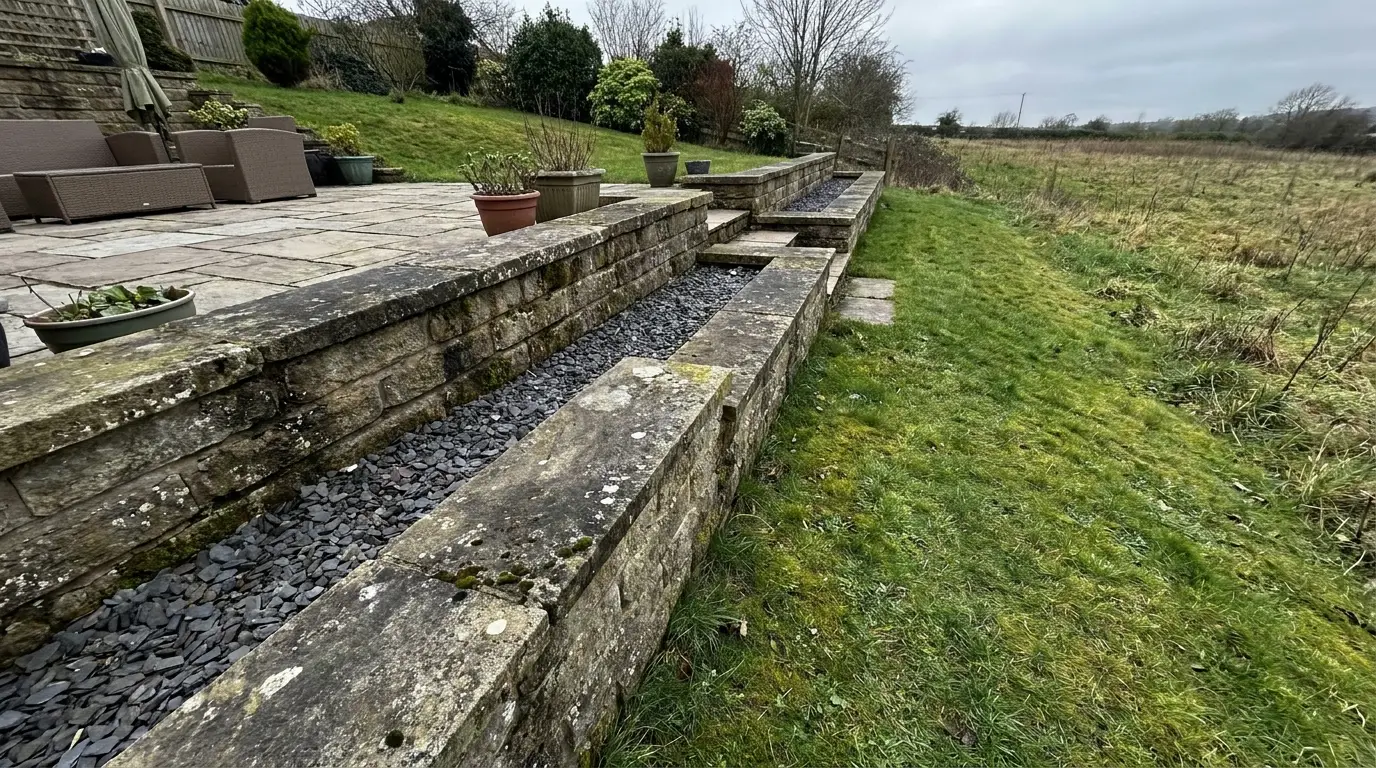
Sloping ground can create runoff, erosion, and uncomfortable walking conditions. Retaining walls divide a steep rise into smaller, more manageable levels beside patios, driveways, or lawns. Proper footings, drainage stone, and water outlets are essential for wall performance. Terraced sections may also create planting beds, converting a difficult elevation change into productive space.
Material Choice Affects Performance
Concrete offers broad form options and often carries a lower initial cost. Brick pavers allow replacement of individual units when localized damage occurs. Natural stone offers varied textures, although irregular pieces require careful setting. Timber decks add warmth but require inspections, cleaning, and protective treatment. Selection should reflect foot traffic, sun exposure, moisture levels, budget, and expected repair needs.
Drainage Protects All Surfaces
Water management belongs in the first phase of planning, before paving or wall construction begins. A slope of approximately 1-2% can direct rainfall away from buildings without creating unstable footing. Channel drains help collect runoff beside walls or at low points. Downspout extensions, permeable joints, and planted swales can reduce puddling near frequently used areas.
Comfort Depends on Small Measurements
Small dimensional choices strongly affect comfort. Seat walls generally feel usable near 18 inches high, while outdoor counters often measure about 36 inches. Fire features need generous clearance for furniture and safe circulation. Shade structures should account for changing sun angles throughout the year. These details prevent crowded arrangements and help each feature serve a clear activity.
Maintenance Should Begin Before Installation
Durability depends partly on the care plan established before construction. Pavers may need sweeping, joint-sand replacement, or periodic sealing. Stone benefits from gentle cleaning and regular checks for movement. Wood requires inspections for loose fasteners, moisture damage, and worn finishes. Drains, gutters, and wall outlets should remain clear. A seasonal checklist can identify minor defects before repair costs increase.
How to Plan Efficiently?
A sensible sequence begins with grading, drainage, and utility checks. Construction can then proceed through walls, base preparation, paving, structures, and finishing work. Storing materials near the work zone may reduce handling and surface damage. Accurate measurements also limit waste when ordering stone, pavers, or wall units. Coordinated scheduling preserves access and protects nearby beds throughout the installation.
Conclusion
Hardscape features give outdoor areas dependable form and practical purpose. Patios support meals, paths organize movement, walls manage elevation, and vertical structures shape privacy. Material selection influences upkeep, while drainage details protect surfaces from water damage. Measured proportions keep spaces comfortable instead of crowded. With careful planning, each addition can meet daily needs while contributing lasting order, safety, and visual balance. Strong construction brings separate elements together into a single useful setting.