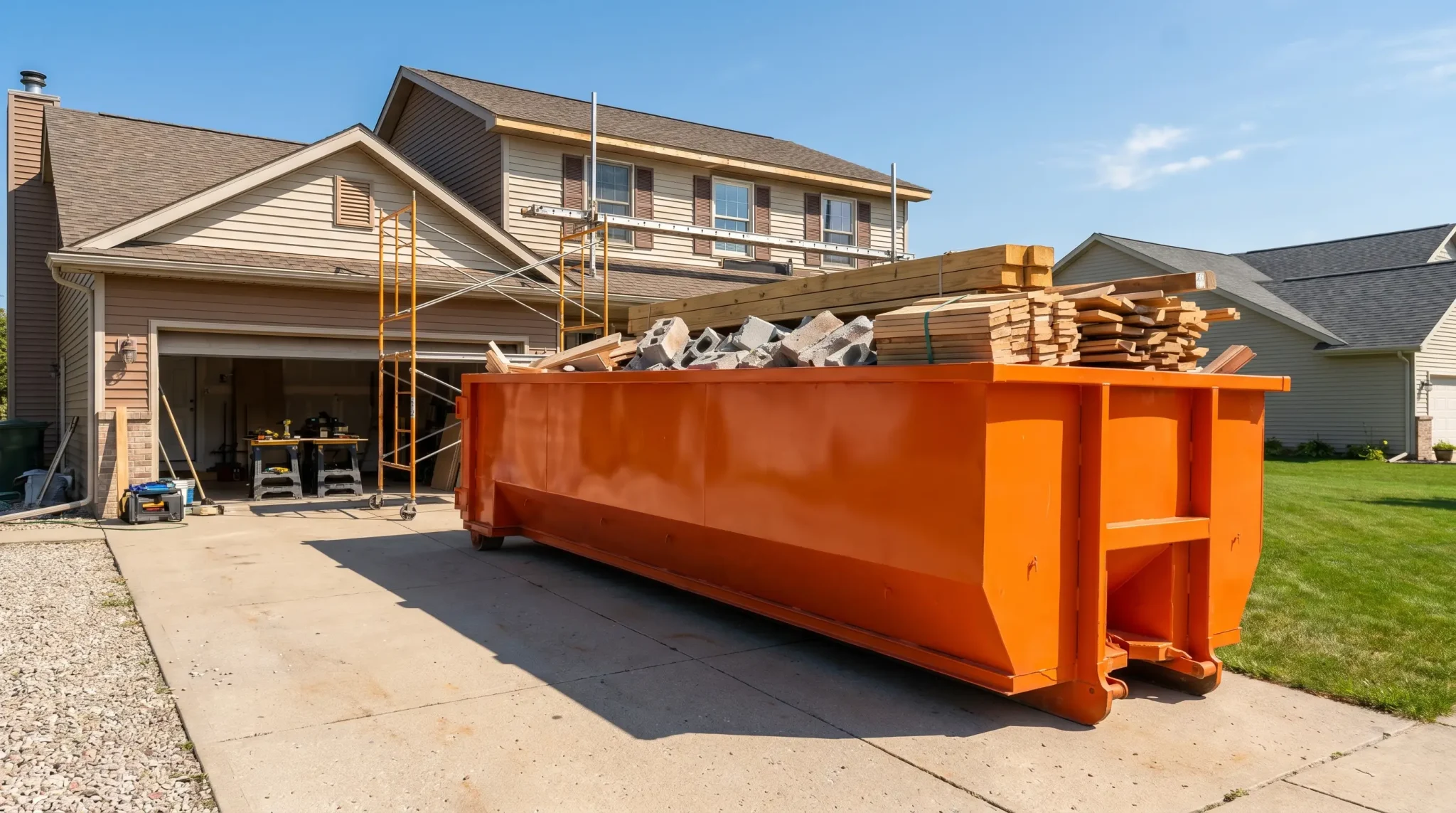
How Much Does a Home Remodel Cost?
Planning a home renovation is exciting until the costs start adding up faster than expected. Most homeowners go in without a clear number in mind, and that is where budgets fall apart.
Knowing the home remodel cost upfront changes everything. It helps you plan smarter, avoid surprises, and make better decisions about where to spend.
So, how much does it cost to renovate a house? The honest answer depends on several factors, and this post breaks all of them down.
From room-by-room costs to hidden fees, you will find everything needed to build a realistic budget before the first nail goes in.
Average Home Remodel Cost
Renovating a 2,000 sq. ft. home typically costs between $40,000 and $200,000. The final number depends on how much work you plan to do and how far you want to take it.
On a per-square-foot basis, costs can range from $15 to over $200. A simple paint job sits at the lower end, while a full gut renovation pushes toward the top.
Several things affect where your project lands on that range. The size of your home, your location, the materials you pick, and whether you hire a contractor all play a big role in the final number.
These are average national figures. Your actual cost may be higher or lower depending on your location and the materials you choose.
Home Remodel Cost by Project Scope
Not every renovation costs the same. The biggest factor is how much work your home actually needs.
The table below covers the three main project scopes to help you figure out where your project fits:
| Project Scope | Cost Per Sq. Ft. | What’s Included | Best For |
|---|---|---|---|
| Light Cosmetic Updates | $15 – $60 | Paint, new fixtures, minor electrical/plumbing updates, and flooring | Homes that look dated but are structurally sound |
| Mid-Range Remodel | $100 – $150 | Kitchen and bathroom refreshes, HVAC/plumbing upgrades, minor layout changes | Homeowners who want real upgrades without a full rebuild |
| Full Gut Renovation | $200 – $300+ | Down to the studs, structural changes, premium materials, custom finishes | Homes that need a complete overhaul from top to bottom |
Budget Warning: Costs can go well above $300/sq. ft. in high-cost cities like San Francisco or New York. Always get at least 3 quotes before making a decision.
Home Renovation Cost by Room
Room-by-room renovations are a smart way to manage your budget. Instead of doing everything at once, you can focus on the spaces that need the most attention first.
The cost varies quite a bit depending on which room you are tackling. Below is a breakdown of what each space typically costs:
1. Kitchen: $15,000–$65,000

The kitchen is usually the most expensive room to renovate. Cabinets and appliances alone can take up a large chunk of the total budget.
Cabinet replacement, new countertops, appliance upgrades, and plumbing or electrical work for a new layout are the biggest cost drivers. The more you change, the higher the final number.
2. Bathroom: $15,000 – $30,000

Bathrooms pack a lot of work into a small space. Plumbing, tile, fixtures, and waterproofing all add up quickly, even in a compact room.
Most of the cost comes from shower or tub installation, vanity replacements, tile work, and ventilation upgrades. Moving plumbing lines to a new position adds significant cost on top of that.
3. Bedroom and Living Room: $8,000 – $35,000

These rooms are generally less expensive to renovate. Most of the work stays cosmetic unless you are moving walls or adding new systems.
New flooring, drywall repairs, lighting upgrades, and fresh paint make up the bulk of the spending here. Costs rise when structural changes like wall removal are involved.
4. Exterior: Roof and Siding: $18,000 – $45,000

Exterior work protects your home from the outside in. While it may not feel as visible as an indoor remodel, it is one of the highest-ROI upgrades you can make.
Roof replacement costs vary widely depending on the material type. Siding removal, new installation, insulation upgrades, and finishing details like gutters and trim round out the total project cost.
Key Factors That Affect Your Renovation Cost
Two homes can look similar but cost very different amounts to renovate. These five factors have the biggest impact on your final number.
- Home Size: Larger homes need more materials and labor hours, which directly raises the total cost.
- Location: Coastal and urban markets like California, Florida, and Texas have higher labor rates. The same project can cost twice as much in a major city.
- Scope of Work: Cosmetic updates cost far less than structural changes. Moving walls, plumbing, or electrical systems adds significant cost fast.
- Material Quality: Builder-grade is the most affordable, mid-range offers a solid balance, and luxury finishes can multiply costs quickly.
- Contractor vs. DIY: Licensed contractors ensure work meets safety and code standards. Handling cosmetic tasks yourself can cut costs by 20 to 40 percent.
Hidden Costs to Budget For While Making Your Remodel Cost
Most homeowners focus on materials and labor, but a few extra costs can quietly push a renovation budget off track.
- Contingency Fund: Set aside 15 to 20 percent of your total budget since unexpected issues almost always come up once work begins.
- Permits and Fees: Structural, electrical, and plumbing work requires official permits, and skipping them can lead to fines and complications when selling.
- Older Home Surprises: Opened walls can reveal asbestos, mold, or outdated wiring, each adding unexpected time and cost to your project.
- Design and Professional Fees: A designer or planning professional typically adds another 10 to 15 percent on top of your construction cost.
Building these costs into your budget from the start gives you a much better chance of finishing without financial stress.
How to Estimate Your Home Remodel Cost?

Getting a realistic estimate before starting saves you from financial stress. Follow these four steps to get to a solid number.
Step 1: Start With an Online Cost Calculator
Tools like HomeGuide give you a rough ballpark based on your location, home size, and project type. Use the result as a starting point, not a final budget.
Step 2: Get at Least 3 Contractor Quotes
Never settle for one quote. Comparing at least three bids shows you the fair market rate and helps you spot contractors who are overpricing or cutting corners.
Step 3: Break the Project Into Phases
If the full budget is not available, start with the most urgent or high-impact rooms first. Tackle the rest over time as your budget allows.
Step 4: Prioritize High-ROI Rooms
Kitchens, bathrooms, and exterior upgrades return the most value at resale. Start there and leave bedrooms and living rooms for later phases.
Is It Worth It?
The right projects do add real value to your home. Kitchens return 60 to 80 percent of their cost at resale; bathrooms return 50 to 60 percent; and curb-appeal projects like roofing and siding rank among the highest-returning investments overall.
Keep in mind these are national averages. Your actual return depends on your local market, so avoid renovating far beyond the standard of comparable homes in your area.
Conclusion
Home remodel cost varies widely, but now you have a clear picture of what drives those numbers.
Whether you are planning a small refresh or wondering how much it costs to renovate a house from top to bottom, the answer always starts with knowing your scope, location, and budget limits.
Set a realistic budget, get multiple quotes, and always keep a contingency fund ready. Small preparation steps save big headaches later.
Got questions about your specific project? Drop them in the comments below and share what room you are planning to tackle first!
Frequently Asked Questions
What Devalues a House Most?
A house loses value most due to poor location, major structural issues, bad renovations, environmental risks, or legal problems.
What is the Hardest Room to Renovate?
The hardest room to renovate is usually the kitchen, due to plumbing, electrical, cabinets, appliances, and layout challenges, all needing precise work.
What is the 30% Rule for Renovations?
The 30% rule for renovations means you shouldn’t spend more than 30% of a home’s value on remodeling, to avoid overspending and losing money when selling.