Croton Plant Care 101: Light, Water & More
Crotons are the kind of plants that instantly catch your eye. Their colorful leaves can make you curious about what keeps them looking bold, full, and healthy over time.
I find crotons especially interesting because they can be quite expressive. You may notice small changes quickly, which makes them easier to read once you get familiar with their behavior.
Good croton plant care starts with paying attention, not overcomplicating things. Once you understand what your plant is telling you, caring for it feels much more natural and a lot less confusing.
What is a Croton Plant?
A croton is a tropical plant known for its bold, colorful leaves, the kind of foliage that fits naturally into a tropical-inspired home interior without needing much else around it to make an impact.
Its botanical name is Codiaeum variegatum, and it belongs to the Euphorbiaceae family. (Source: here)
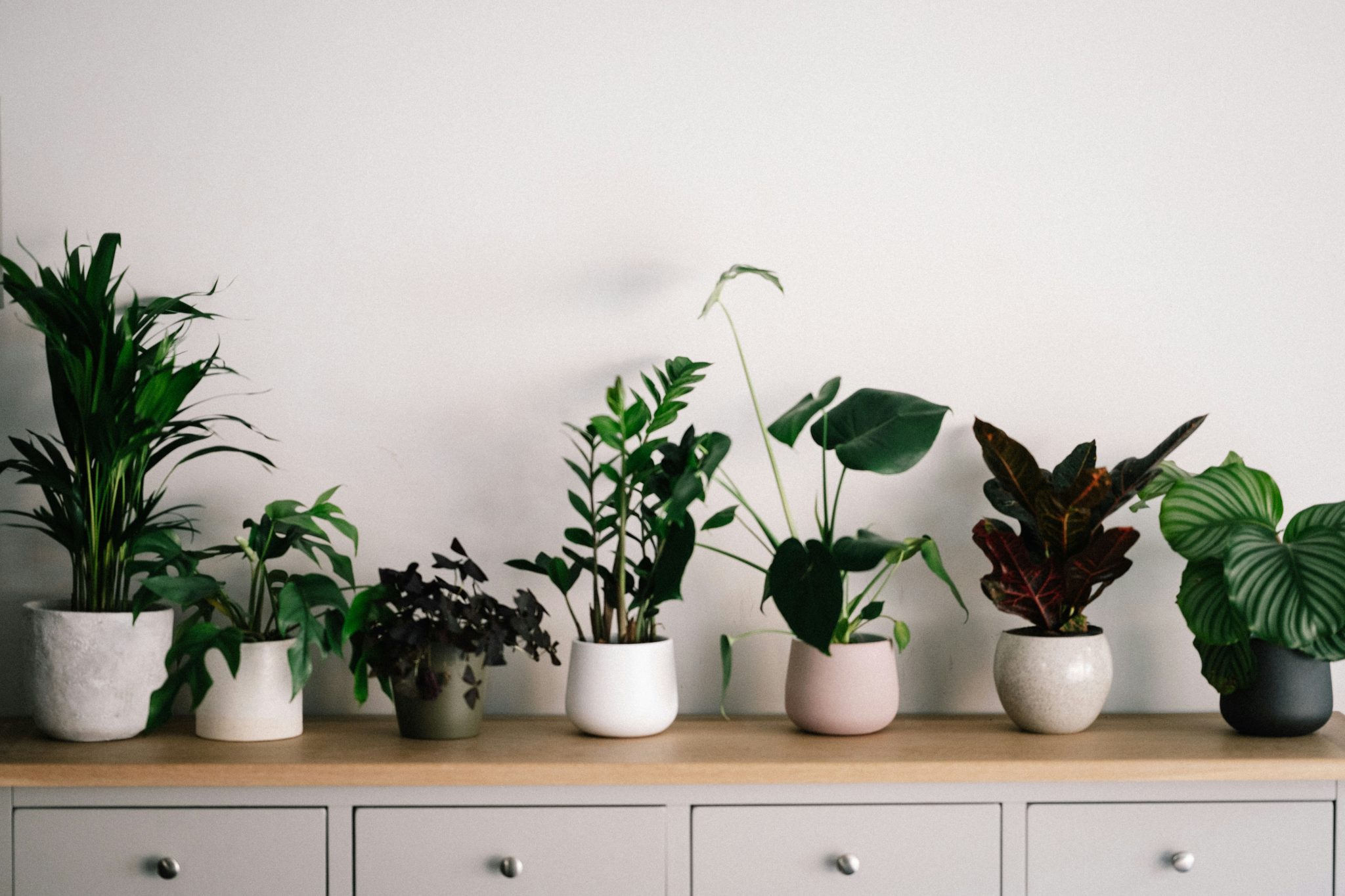
The leaves can appear in shades of green, yellow, orange, red, and even purple. Their patterns may be spotted, striped, or veined depending on the variety.
Crotons come in several leaf shapes, from broad and oval to narrow and twisted. This variety is one reason they are often grown as decorative foliage plants.
Most crotons are kept for their leaves rather than their flowers, which is exactly what makes them one of the more visually rewarding resilient indoor plants you can bring into a home year-round.
As the plant matures, its foliage can become denser and more striking.
How to Care for a Croton Plant

Croton plant care is easier when you keep its growing conditions steady. Regular observation can also help you notice changes before they become bigger problems.
1. Give It Bright Light
Crotons need strong light to maintain their bold leaf color, and how you position light sources around your home can make a noticeable difference in how well the plant holds its color through the year.
Darker spots can lead to duller foliage and weaker growth. Bright indoor light usually works well, but sudden exposure to intense sun can stress the leaves. Gradual changes are safer.
- Pick the right window: East- or south-facing windows can work well.
- Rotate the pot: Turn it occasionally for more even exposure.
- Watch new leaves: Fading color can signal low light.
2. Water When the Soil Starts to Dry
Crotons prefer soil that stays lightly moist without remaining soggy. Keeping it too wet can harm the roots.
Water needs can change with season, pot size, and indoor conditions. Checking the soil first is more reliable than following a fixed schedule.
- Test before watering: Check the upper inch of soil.
- Water thoroughly: Let moisture reach the full root area.
- Empty the saucer: Don’t leave standing water under the pot.
Tip: I usually check the soil before every watering instead of relying on a set day.
3. Keep Humidity Comfortable
Dry indoor air can affect the condition of croton leaves, especially around the edges. More consistent humidity can help keep foliage looking healthier.
Humidity often drops during winter heating or long periods of air conditioning. Small adjustments can help during these times.
- Run a humidifier: Use one nearby when the air feels dry.
- Group plants together: This may slightly increase local humidity.
- Check placement: Avoid very dry or enclosed corners.
4. Use Loose, Well-Draining Soil
Croton roots need soil that can hold some moisture while still allowing excess water to move through. Dense mixes can stay wet for too long.
A lighter potting mix creates better airflow around the roots. It also makes drainage easier after watering.
- Improve the mix: Add perlite or bark for extra airflow.
- Skip garden soil: It can compact too much in pots.
- Check drainage holes: Keep them clear and open.
5. Keep Temperatures Steady
Crotons can react to sharp temperature changes, especially sudden cold. Even warm rooms may have uncomfortable spots near doors or windows.
A stable location helps reduce stress from changing air conditions. Avoid direct heat or cold.
- Move it from drafts: Keep it away from frequently opened doors.
- Avoid vent air: Heating and cooling vents can cause sudden shifts.
- Watch seasonal changes: Relocate it if its usual spot turns cold.
6. Feed During Active Growth
Crotons can benefit from added nutrients while they are producing new leaves and stems. Fertilizer should support healthy growth, not replace proper care.
Too much fertilizer can cause salt buildup in the soil. Using a moderate amount is usually better than feeding heavily.
- Use a balanced fertilizer: Choose a standard houseplant formula.
- Follow the label: Do not make the mixture stronger than directed.
- Reduce later: Feed less when active growth slows.
Tip: I prefer starting with a lighter fertilizer dose and increasing only if needed.
When and How to Repot a Croton
Crotons tolerate being slightly root-bound, but leaving them too long in a cramped container eventually affects growth and drainage. A few signs make it easier to know when moving actually helps.
- Crowded roots: roots circling the bottom or pushing through drainage holes signal the pot is too small.
- Compacted soil: old mix that drains poorly or stays dense benefits from a full refresh.
- Unstable plant: a top-heavy croton that tips easily may need a larger, heavier base.
When repotting, move up only one pot size. Use a fresh, loose potting mix with good drainage and set the plant at the same depth as before. Water thoroughly once settled. Some leaf drop afterward is normal – give it time to adjust.
Simple Croton Maintenance Tasks
Regular croton plant care and upkeep also helps keep it neat, clean, and manageable over time. These are the quick checks worth building into your regular care routine.
|
Task |
When |
What to Do |
|---|---|---|
|
Leaf Cleaning |
When Dust Builds Up |
Wipe Gently with A Damp Cloth |
|
Pot Rotation |
Every Few Weeks |
Turn for More Even Light Exposure |
|
Plant Inspection |
During Regular Care |
Check Leaves and Stems for Pests or Damage |
|
Drainage Check |
After Watering |
Confirm Excess Water Drains Freely |
|
Soil Check |
Before Watering |
Feel the Top Inch Before Adding Water |
How to Prune a Croton Plant

Pruning helps keep a croton neat, balanced, and easier to manage as it grows. It is most useful when stems become uneven, leaves are damaged, or the plant starts looking too crowded.
Keep these key pruning points in mind:
- Trim long stems: Shorten stems that grow far beyond the rest of the plant so the overall shape stays balanced.
- Cut above a node: Make each cut just above a healthy leaf node, since this is where new growth may develop.
- Remove damaged leaves: Snip off yellow, dry, broken, or badly marked leaves to keep the plant looking clean.
- Shape gradually: Prune a little at a time instead of removing a large amount of growth in one session.
- Use clean shears: Wipe pruning tools before and after use to reduce the chance of spreading problems between cuts.
- Wear gloves: Croton stems release a milky sap that can irritate the skin, so avoid direct contact when pruning.
Tip: I prefer light pruning every so often rather than one heavy cutback. It makes shaping the plant easier and keeps the result looking more natural.
Reading Croton Leaf Signs: Healthy vs. Problem
Crotons communicate clearly through their leaves. The same traits that show health also signal problems when they shift – so knowing both sides makes diagnosis straightforward.
|
What You Notice |
Healthy Sign |
Possible Problem |
|---|---|---|
|
Leaf Color |
Vivid, Bold, True to Variety |
Fading or Dull – Check Light Levels |
|
New Growth |
Fresh Leaves Appearing Regularly |
No New Growth – Review Light and Feeding |
|
Stem Condition |
Firm and Upright |
Soft or Leaning – Check Watering and Drainage |
|
Leaf Texture |
Firm and Smooth |
Limp, Curling, or Brittle – Check Moisture and Drafts |
|
Leaf Edges |
Clean and Intact |
Brown Edges – Check Humidity and Watering Consistency |
|
Leaf Retention |
Leaves Staying On |
Sudden Drop – Check for Recent Environmental Changes |
|
Overall Shape |
Even, Balanced Growth |
Sparse on One Side – Rotate the Pot |
Final Thoughts
Croton plant care becomes much easier when you stay consistent and pay attention to how the plant responds. A steady routine usually works better than making frequent changes.
I like crotons because their foliage gives you plenty to notice over time. Keeping things simple can make the plant feel much easier to manage.
The goal is not to make every condition perfect, but to keep care balanced and dependable. With a little patience and regular attention, your croton can remain colorful, healthy, and enjoyable to grow.
Frequently Asked Questions
Are Croton Plants Toxic to Pets?
Yes. Crotons can irritate the mouth and digestive system if chewed or eaten by cats or dogs.
Can Croton Plants Grow From Cuttings?
Yes. Cut a node below, remove lower leaves, place in water or a moist medium, and pot once roots establish.
Do Croton Plants Produce Flowers?
Yes, mature crotons can produce small flowers, although they are much less noticeable than the colorful foliage.