Daffodil Care for Healthy and Vibrant Blooms
You planted the bulbs. But come spring, the blooms are weak, the leaves turn yellow too fast, and you are not sure what went wrong.
Sound familiar?
Getting daffodil care right makes all the difference between a garden full of bright, healthy blooms and bulbs that barely make it through the season.
Daffodils are low-maintenance, but only when you know the basics. The right soil, watering habits, and seasonal steps keep them coming back stronger every year.
By the end, you will know exactly how to plant, feed, prune, and care for daffodils through every season.
What Is a Daffodil Plant?
A daffodil is a perennial flowering plant known for its bright, trumpet-shaped blooms, typically in shades of yellow or white.
It grows from a bulb and is part of the genus Narcissus.
Daffodils are popular in gardens and landscapes for their early spring flowers and low-maintenance care.
They thrive in well-drained soil, full to partial sunlight, and can naturalize, meaning they often return and multiply year after year.
Daffodil Plant Varieties

Daffodils come in a wide range of shapes, sizes, and colors. Choosing the right variety depends on your space, climate, and the look you want to achieve.
| Variety | Key Feature | Flower Style | Bloom Time |
|---|---|---|---|
| King Alfred | Classic, bold | Large yellow trumpet | Mid-season |
| Jetfire | Compact, early | Reflexed yellow, orange trumpet | Early season |
| Ice Follies | Large, showy | White petals, cream-yellow cup | Mid-season |
| Tête-à-Tête | Miniature, multi-headed | Small golden yellow blooms | Early season |
| Thalia | Elegant, delicate | Pure white, slender cup | Late season |
| Pink Charm | Soft, distinctive | White petals, coral pink cup | Late season |
Pro Tip: Mix early-, mid-, and late-blooming varieties to keep continuous color flowing from late winter through spring.
How to Care for a Daffodil?

Proper care helps Daffodil thrive and produce vibrant, long-lasting blooms.
Here are a few simple steps for light, water, soil, and temperature to keep your plant healthy all year long:
Step 1: Choose the Right Time and Growing Spot
Daffodils grow best in cool weather with full sun and well-drained soil. Plant bulbs in autumn while the soil is still workable and before the first frost arrives.
Bulbs thrive between 35°F and 50°F during dormancy but can rot in waterlogged or warm soil. Choose a spot with at least 6 hours of direct sunlight and space bulbs well apart to allow natural spreading.
Note: If you miss the fall planting, bulbs can still be planted in early spring. However, spring-planted daffodils may produce smaller or weaker blooms during their first season.
Step 2: Plant the Seeds the Right Way
Plant daffodil bulbs pointed end up, about 6 inches deep and 4 to 6 inches apart. Deeper planting in loose soil helps anchor the bulb and protects it through winter.
Firm the soil gently after planting and water once to help the bulb settle in. Avoid overwatering at this stage, as soggy soil can cause the bulb to rot before it establishes.
Sandy loam or loamy soil with a pH between 6.0 and 7.0 works best. It drains freely while holding just enough moisture for healthy root development.
Step 3: Water and Feed the Plants
Water daffodils regularly during active growth, but allow the soil to dry slightly between sessions. Once blooms fade, reduce watering gradually as the foliage begins to die back naturally.
Feed bulbs with a low-nitrogen fertilizer in early spring when shoots first appear. Avoid high-nitrogen feeds as they encourage leaf growth at the expense of blooms.
Pro Tip: Never cut back the foliage right after blooming. Let the leaves die down naturally for at least six weeks so the bulb can store enough energy for next year’s flowers.
Step 4: Apply a Layer of Mulch
Spread a 5–7 cm layer of mulch evenly over the entire bed. Keep mulch at least 2–3 cm away from where shoots will emerge to avoid trapping excess moisture against young growth.
Choose mulch based on the season and purpose:
| Mulch Type | When to Use | Why |
|---|---|---|
| Straw | Autumn to Winter | Insulates bulbs from frost during cold months |
| Shredded Bark | Spring to Summer | Retains moisture and suppresses weeds during active growth |
| Dried Leaves | Autumn | Provides light insulation and adds organic matter back into the soil |
Step 5: Common Pests to Look Out for
Daffodils are generally hardy, but a few common pests can affect their health and appearance. Early detection and simple treatments help keep your bulbs and blooms in good shape.
| Pest | Signs | Treatment |
|---|---|---|
| Bulb Flies | Soft, rotting bulbs with larvae inside | Remove affected bulbs and treat soil with neem oil |
| Aphids | Sticky residue and curling leaves on stems | Wash leaves gently with water or apply insecticidal soap |
| Slugs | Ragged holes on leaves and flowers overnight | Use copper tape or scatter slug pellets around the base |
| Narcissus Eelworm | Distorted, stunted growth and soft bulbs | Remove and destroy affected plants immediately |
| Thrips | Silver streaks and discoloration on petals | Apply neem oil and improve airflow around plants |
Step 6: Pruning and Trimming Daffodils the Right Way
Prune daffodils by removing spent flower heads once blooms have fully faded. Cutting just below the flower base redirects the plant’s energy toward the bulb rather than toward seed production.
Trim any yellowing or damaged stems during late spring once the foliage begins to die back naturally. Never cut green leaves early, as they are still feeding the bulb for next season’s growth.
Pro Tip: Sterilize your scissors with rubbing alcohol before pruning to prevent the spread of bacteria or disease between cuts.
Step 7: Daffodil Care After Blooming
Remove spent flower heads once the blooms end, and reduce watering as the foliage begins to die back. This rests the bulb and builds energy for next season.
Stop fertilizing and let the leaves yellow and die down completely on their own. Resume care the following autumn when it is time to replant or refresh bulbs.
Note: Never cut back green daffodil foliage after blooming. Leaves need at least six weeks to die back naturally so the bulb can store enough energy to flower again.
How to Revive a Dying Daffodil?

A struggling daffodil can often recover with a few simple adjustments to its care routine.
- Check the Bulbs First: Dig up the bulb and inspect it for rot or damage. Trim any soft or mushy sections before replanting in fresh, well-drained soil.
- Fix the Watering: If the soil feels soggy, allow it to dry out before watering again to prevent further bulb damage.
- Repot or Replant in Fresh Soil: Move the bulb to a clean spot or container with loose, well-draining soil to provide a healthy environment for recovery.
- Adjust the Light: Move container daffodils to a bright spot with at least 6 hours of direct sunlight to reduce stress and encourage growth.
- Remove Damaged Foliage: Trim yellowing or dead leaves to keep the plant tidy and redirect energy toward healthy regrowth.
- Hold Off on Fertilizing: Skip feeding until the plant shows clear signs of recovery, as fertilizing a stressed bulb causes more harm than good.
With the right adjustments and a little patience, most daffodils bounce back stronger and are ready to bloom the following season again.
Are Daffodils Toxic to Pets and Humans?
Daffodils are toxic to both pets and humans if ingested.
The bulbs contain compounds that can cause nausea, vomiting, diarrhea, and abdominal pain, while handling the plants may cause skin irritation in some people.
Pets, especially dogs and cats, are at risk if they chew on leaves or bulbs, which can lead to drooling, vomiting, or more serious symptoms.
It’s important to plant daffodils out of reach of children and animals, and to promptly clean up fallen bulbs or leaves to prevent accidental ingestion.
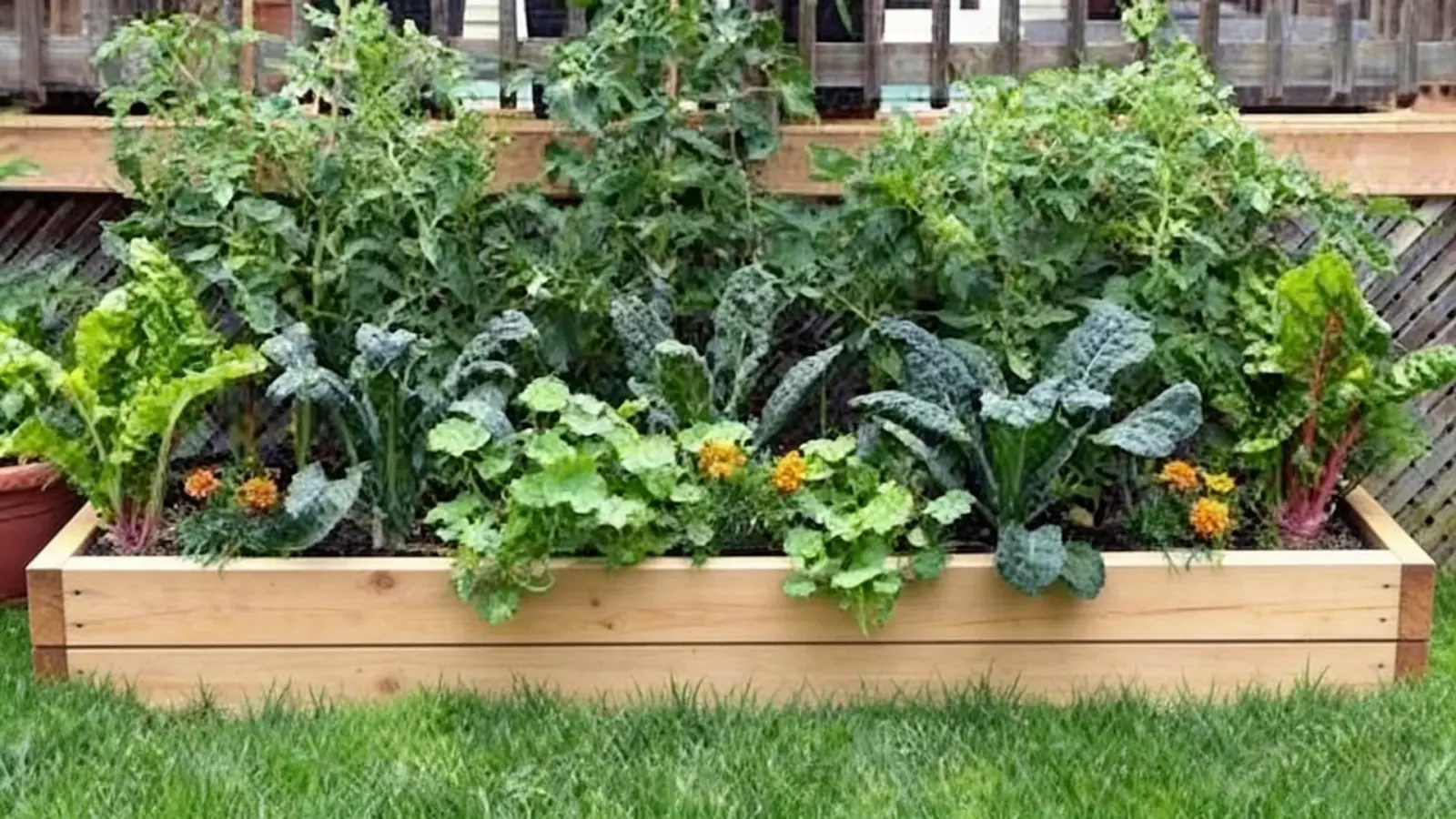
To keep pets safe, plant daffodils in raised beds or hanging containers out of reach, and use barriers or gates to block access to garden areas. Always clean up fallen bulbs or leaves promptly to prevent accidental ingestion.
Conclusion
Good daffodil care does not have to be complicated. A few consistent habits through each season are all it takes to keep your bulbs healthy and your blooms coming back year after year.
The right planting time, proper watering, and a little post-bloom attention make a bigger difference than most gardeners expect. And once the routine is in place, daffodils largely take care of themselves.
Start this autumn. Plant your bulbs, prepare the soil, and follow each step through the season. The results will speak for themselves come spring.
Enjoyed this post? Share it with a fellow gardener who could use these tips.
Which daffodil variety are you growing this season? Drop a comment below and let us know!
Frequently Asked Questions
Can Daffodils Grow Indoors?
Yes, daffodils can be grown indoors in containers with well-drained soil and a bright sunny windowsill. Choose compact varieties like Tête-à-Tête for best results indoors.
How Long Do Daffodil Blooms Last?
Daffodil blooms typically last two to three weeks depending on the variety and weather conditions. Cooler temperatures help extend the blooms, while heat causes them to fade faster.
Do Daffodils Multiply on Their Own?
Yes, daffodils naturally multiply over time by producing smaller bulbs called offsets around the parent bulb. Dividing and replanting these every few years keeps blooms healthy and prevents overcrowding.