Cost of Adding a Bathroom: What to Budget in 2026
Adding a bathroom is one of the smartest upgrades you can make to your home. It adds convenience, improves daily life, and can meaningfully increase your property value.
But the cost of adding a bathroom often catches homeowners off guard. Prices vary widely depending on the type of bathroom, your home’s existing layout, and the finishes you choose.
Without a clear picture of what drives costs, it’s easy to underbudget and end up with an unfinished project.
This post breaks down everything that goes into bathroom addition pricing, from basic conversions to full luxury builds, so you can plan with confidence and avoid the surprises that derail most projects.
Average Cost to Add a Bathroom (Realistic 2026 Ranges)
Adding a bathroom typically costs between $5,000 and $75,000+, based on national averages from home improvement cost guides. The range is wide because no two projects are the same.
Most homeowners spend between $10,000 and $30,000 for a standard full bathroom, according to national cost estimates. That covers a standard full bathroom with decent finishes and no major structural work.
Three things drive most of the cost variation:
- Project scope: A half-bath costs far less than a full master bath.
- Plumbing complexity: The farther from existing pipes, the higher the cost.
- Finishes and fixtures: Basic keeps costs down. Luxury pushes them up fast.
The type of project you’re taking on makes the biggest difference in what you’ll pay:
- Low-end ($5,000–$15,000): Converting an existing space. Plumbing is nearby, no structural changes needed.
- Mid-range ($15,000–$30,000): A standard full bathroom with a tub or shower, toilet, and vanity.
- High-end ($30,000–$75,000+): A structural addition or luxury build with premium finishes.
One thing to keep in mind, a single “average cost” number can be misleading. The right budget depends on your scope, your plumbing setup, and the finishes you choose.
Cost Breakdown by Bathroom Type
Every bathroom project is different. Understanding each type helps you set the right budget from the start.
1. Half Bath (Powder Room)
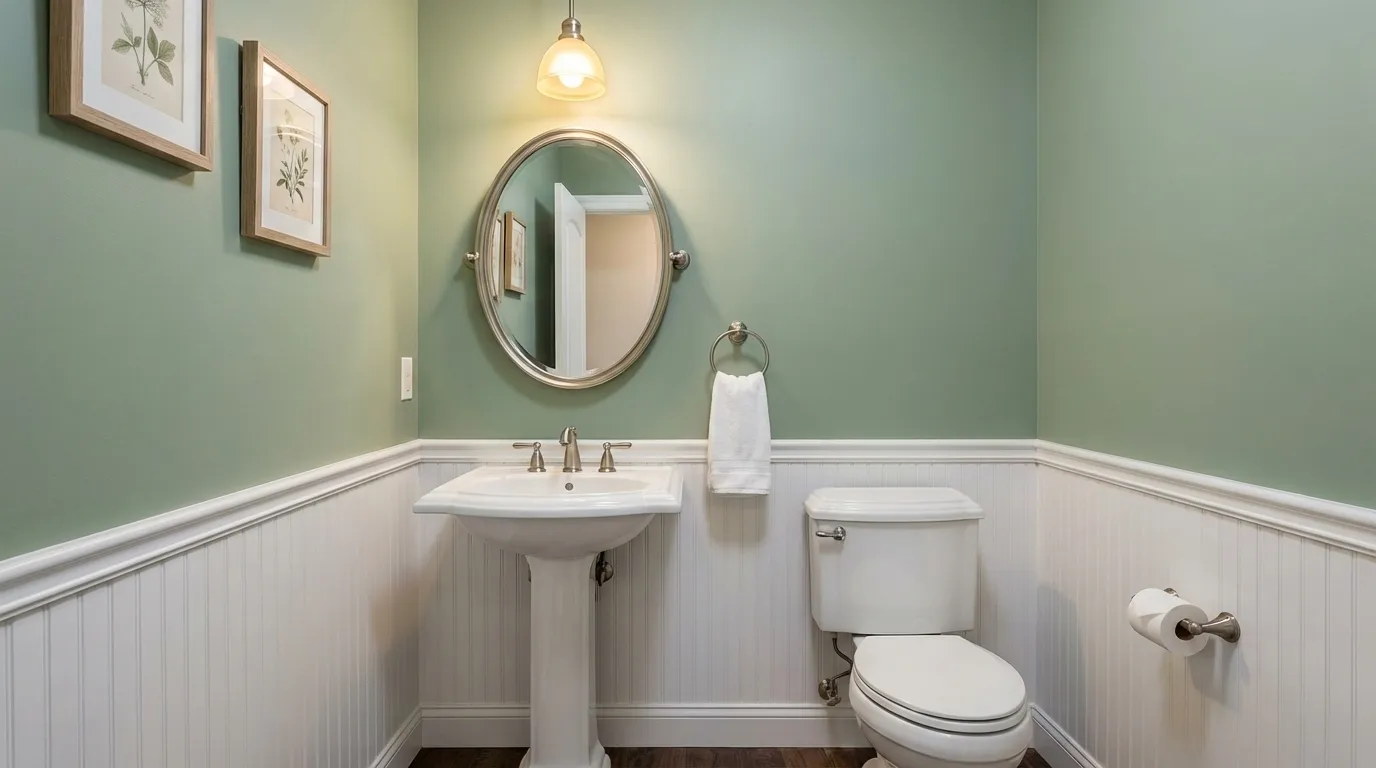
A half bath is the most affordable option, typically costing between $5,000 and $15,000 based on national averages. It only needs two fixtures, a toilet and a sink, which keeps both labor and material costs low.
Costs rise when plumbing lines are far away or when the space is awkward to work in. Tight corners and long pipe runs can quietly add thousands to an otherwise simple project.
2. Full Bathroom
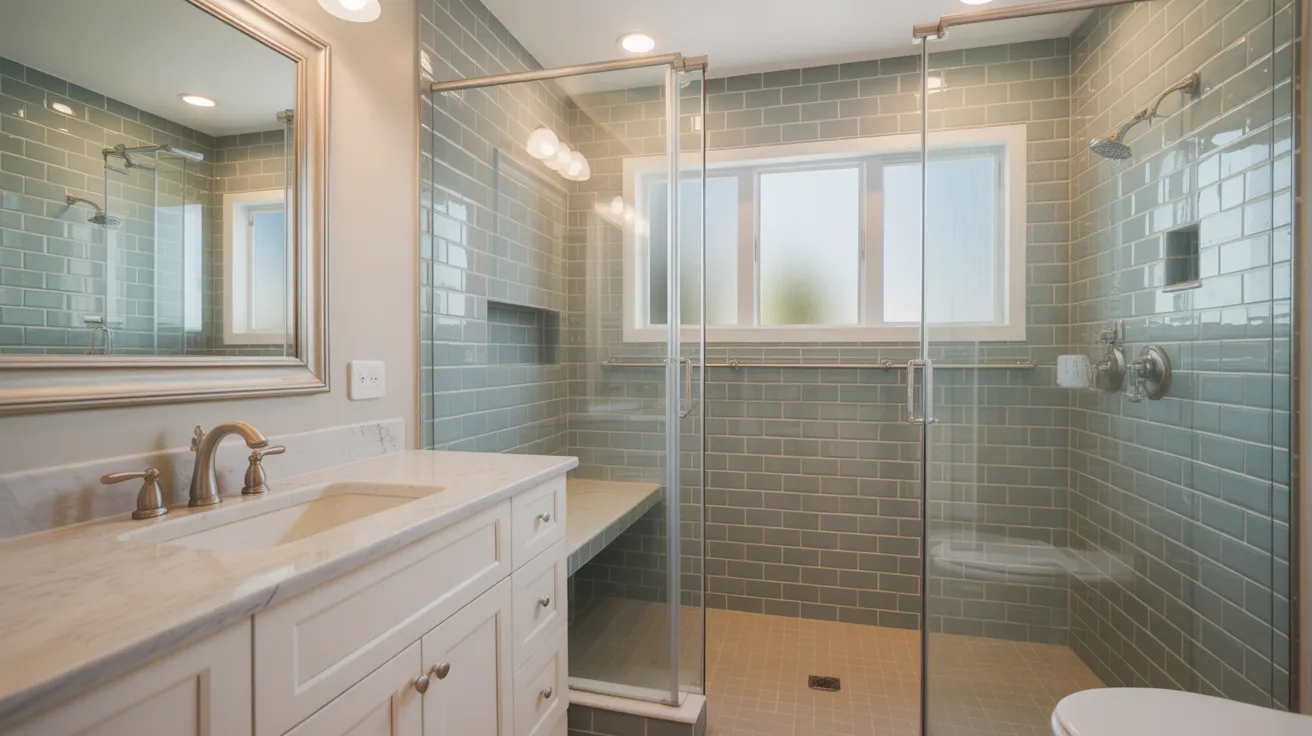
A full bathroom usually runs between $15,000 and $50,000. The jump in cost comes from adding a shower or tub, which brings in waterproofing, tiling, and more complex plumbing.
Poor layouts can increase labor costs. A poorly planned floor plan can force plumbing lines into inefficient routes, significantly increasing labor costs.
3. Master Bathroom
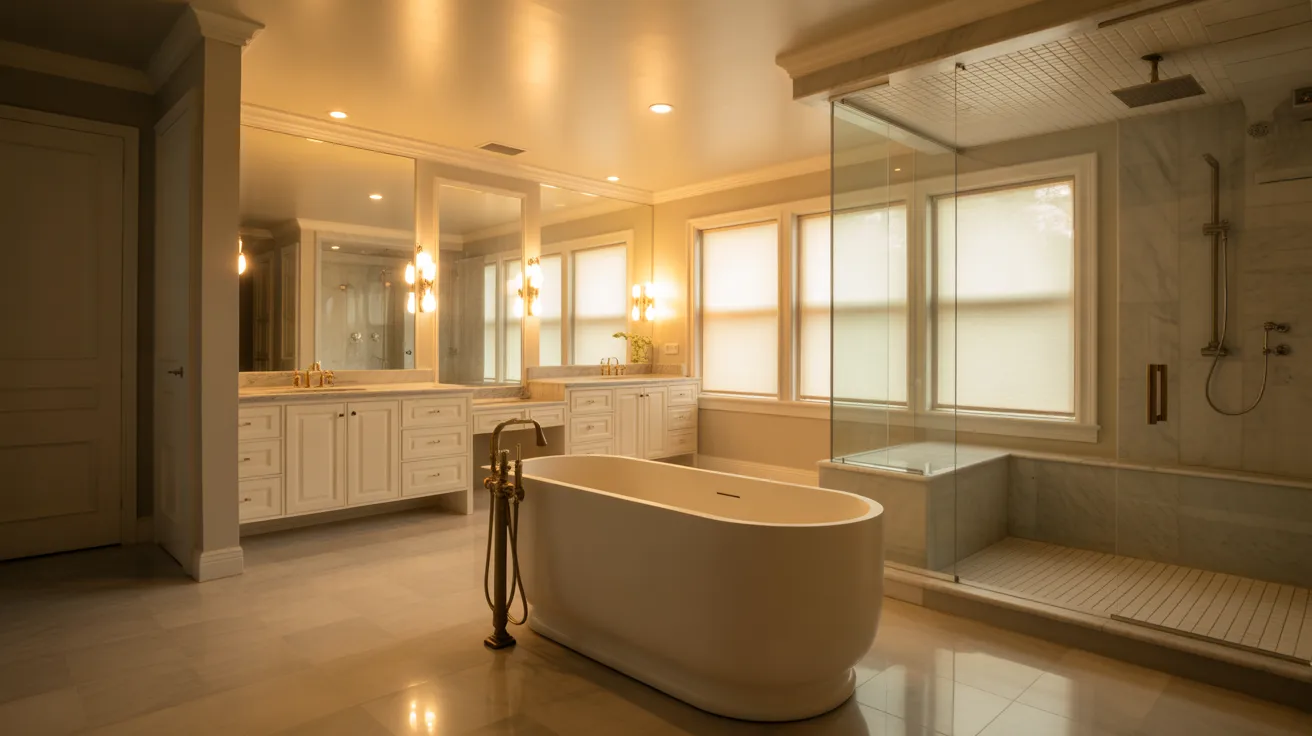
Master bathrooms are the most expensive type, with costs typically ranging from $35,000 to $100,000. The larger footprint, multiple fixtures, and premium finishes all push the budget higher.
Costs can escalate quickly with upgrades like custom glass enclosures, heated flooring, or high-end vanities. These finishes feel like small additions but add up fast.
4. Basement Bathroom
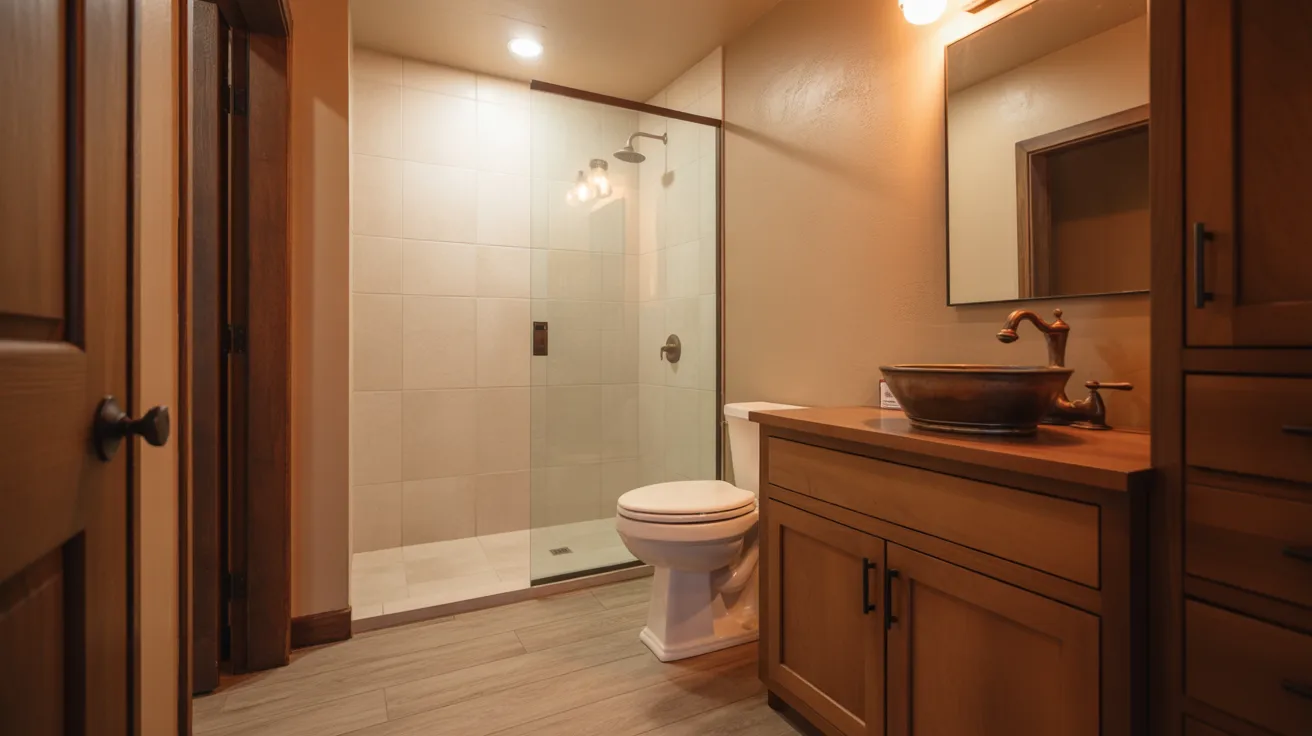
A basement bathroom typically costs between $8,000 and $27,500+. The main challenge is drainage, since basement floors sit below the main sewer line, most projects require an ejector pump to move waste upward.
Waterproofing and foundation complications can add unexpected costs. It’s one of the trickier bathroom types to budget for, so always leave room for surprises.
In many cases, installing an ejector pump also means breaking into the concrete floor, which adds labor time and makes basement bathrooms more complex than they appear at first.
As you can see, bathroom type is one of the strongest predictors of total cost. Knowing which category your project falls into gives you a much more reliable starting point than any general estimate.
Cost by Project Type (Conversion vs. New Addition)
The biggest pricing decision you’ll make is whether to convert existing space or build a brand-new addition. This single choice can mean tens of thousands of dollars.
| Factor | Converting Existing Space | Building a New Addition |
|---|---|---|
| Typical Cost | $5,000 – $20,000 | $20,000 – $70,000+ |
| Why It Costs This Much | No structural work needed | Requires foundation, framing, and roofing |
| Trades Involved | Plumber, electrician, tiler | Multiple trades + general contractor |
| Permits Required | Usually minimal | Extensive permits required |
| Space Flexibility | Limited by the existing layout | Fully customizable |
| Timeline | Shorter | Significantly longer |
| Best For | Unused closets, rooms, or basements | Homes with no convertible space |
| Main Limitation | Plumbing may be too far away | Higher upfront investment |
A conversion is almost always cheaper, but it isn’t always possible. If your space or plumbing layout doesn’t allow it, a new addition is your only option, plan the budget accordingly.
Key Factors That Drive Bathroom Addition Cost
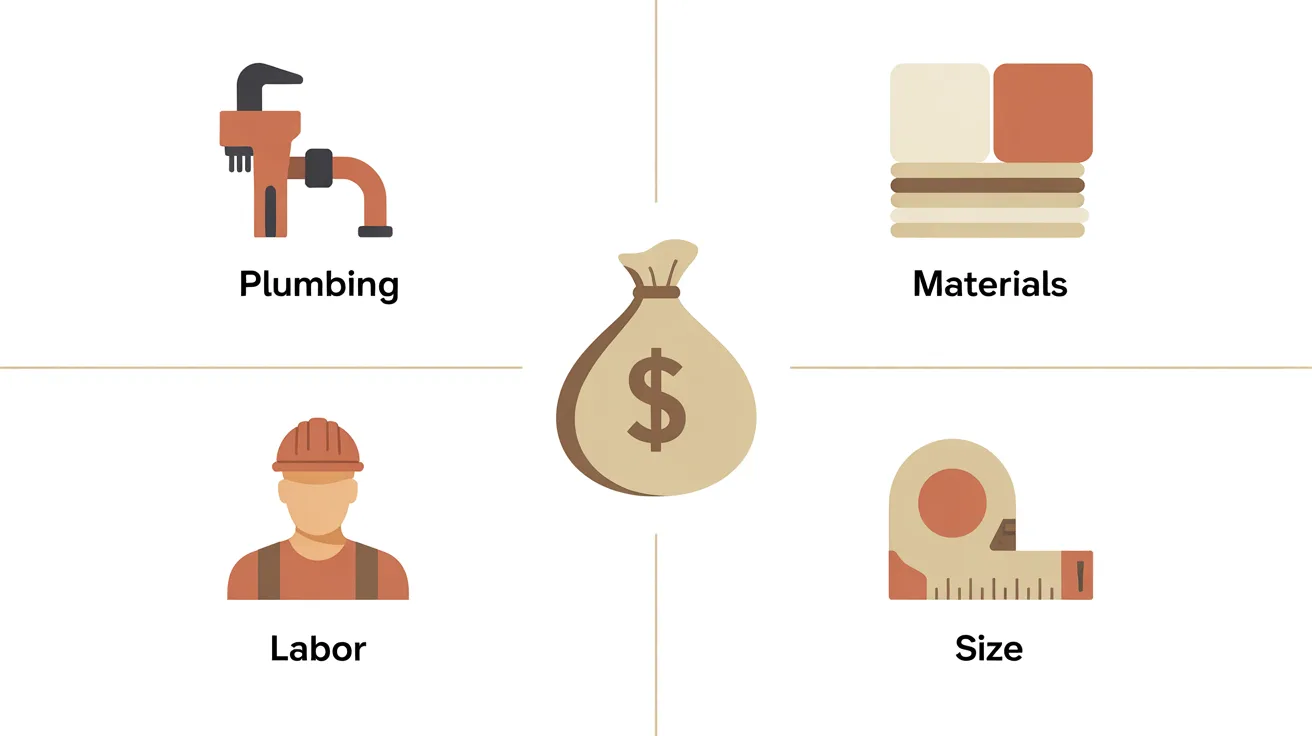
Bathroom costs don’t vary by accident. A few key factors consistently separate a $10,000 project from a $50,000 one; knowing them helps you budget with confidence.
These are the factors that will have the biggest impact on what you pay:
Plumbing location: This is the single biggest cost driver. The farther from existing pipes, the more labor and materials you need. Short runs can connect directly to existing lines, but longer distances often require cutting into floors, rerouting pipes, and extending drain lines, which increases both labor time and material use quickly.
Cutting through floors and walls: Rerouting plumbing adds up fast. Basement installations often require ejector pumps, which add extra cost and complexity.
Size and layout: A larger bathroom means more materials and labor. Complex or awkward layouts force plumbing into longer, less efficient routes.
Materials and fixtures: Standard finishes keep costs manageable. Luxury upgrades, custom tile, freestanding tubs, and designer vanities can easily double your budget.
High-end materials: Cost more to install, not just to buy.
Labor and location: Labor makes up 40–60% of your total cost. Urban areas charge significantly more, and each trade, plumber, electrician, tiler, is billed separately.
Understanding these factors gives you real control over your budget. Adjust any one of them, and your total cost shifts significantly.
Hidden and Additional Costs Most Estimates Miss
Most bathroom addition quotes look reasonable on paper. The surprises surface once the walls open and the true condition of your home is revealed.
Permits are often the first oversight. Costs vary by location, but many homeowners spend roughly $500 to $1,500 before work begins. Structural changes, electrical upgrades, waterproofing, and ventilation can quietly stack on top of that.
The biggest wildcard is unexpected repairs. Rot, water damage, or outdated plumbing behind walls can stall the project and quickly inflate your budget.
No contractor can predict what’s inside your walls before work starts. Always set aside 10–20% of your total budget as a contingency.
These costs don’t show up in every project. Electrical upgrades usually come up when older wiring can’t handle modern fixtures. Waterproofing becomes critical when adding a shower or building on concrete slabs. Structural changes appear when walls need to be opened or reinforced.
Each one can add anywhere from a few hundred to several thousand dollars, depending on what’s uncovered.
How to Estimate Your Own Bathroom Addition Cost
You don’t need a contractor to get a ballpark number. Following a simple step-by-step logic can get you surprisingly close before any professional sets foot in your home.
1. Identify Your Bathroom Type
Start with what you’re building: a half bath, full bath, master bath, or a basement bath. Each type carries its own baseline cost range, and this number anchors everything else in your estimate.
2. Determine if It’s a Conversion or a New Addition
Converting existing space keeps costs significantly lower. Building a new addition brings in foundation, framing, and roofing costs, all of which push the budget into a completely different range.
3. Assess Plumbing Proximity
The farther your new bathroom is from the nearest plumbing line, the more you’ll spend on labor and materials to connect.
Basement projects incur additional costs for ejector pumps beyond standard plumbing work.
4. Choose Your Finish Level
Standard, mid-range, or luxury, your finish level acts as a multiplier on your base cost. Deciding early and sticking to it are among the most effective ways to keep your budget under control.
Think of finish level as a scaling factor, not a flat cost. A standard setup might keep you near the base estimate, while mid-range finishes can increase costs by 20–40%. Luxury materials and custom work can push totals 50–100% higher, especially when they require more labor to install.
5. Apply the Rough Formula
Once you’ve worked through the steps, put the numbers together using this simple approach: base cost + plumbing complexity + finish multiplier = your estimated range.
For Example:
A mid-range full bathroom conversion with nearby plumbing and standard finishes might look like: $15,000 + $2,000 + $3,000 = ~$20,000.
The same bathroom with distant plumbing and high-end finishes could look very different: $15,000 + $8,000 + $10,000 = ~$33,000+. This is why two similar bathrooms can end up with completely different final costs.
6. When Estimates Break Down
Estimates lose accuracy in two situations: older homes with outdated plumbing and projects with unknown structural issues.
In both cases, build in a larger contingency and get a professional assessment before locking in a number.
When Bathroom Addition Costs Go Over Budget
Going over budget isn’t rare, it’s one of the most common outcomes in bathroom addition projects. Understanding why it happens is the first step to staying in control.
- Hidden plumbing issues: Corroded pipes or outdated systems discovered mid-project can add thousands overnight.
- Design changes mid-project: Switching layouts or finishes after work begins means redoing labor at a higher cost.
- Vague contractor estimates: Quotes without line items make it impossible to track where money is going.
- Missing scope details: Permits, demolition, and cleanup not listed upfront will appear as change orders later.
- Small bathroom misconception: Size affects materials, but plumbing complexity and finishes drive the real numbers.
A detailed contract, a clear scope, and a 10–20% contingency buffer are your best protection against an inflated final bill.
Conclusion
Adding a bathroom is a significant investment, but it doesn’t have to be stressful.
The cost of adding a bathroom becomes far more manageable once you understand what drives it, your bathroom type, project scope, plumbing proximity, and finish level all play a role.
The biggest mistakes happen when homeowners skip the planning stage or rely on vague estimates.
A clear scope, a realistic budget, and a solid contingency fund are what separate smooth projects from costly ones. Every project is different, and the right information makes all the difference.
Drop your questions or project details in the comments below. Other homeowners are navigating the same decisions, and your input could help them, too.
Frequently Asked Questions
Does Adding a Bathroom Increase Home Value?
Yes, but returns can vary. According to data from HomeAdvisor, bathroom additions typically recoup 30-35% of the investment, with higher returns if the property has fewer bathrooms than needed.
How Long Does It Take to Add a Bathroom?
Most projects take about four to eight weeks. Conversions are faster, while new additions take longer due to permits, inspections, and multiple stages of construction.
Do I Need a Permit to Add a Bathroom?
In most cases, yes. Plumbing, electrical, and structural work typically require permits. Skipping them can lead to fines, failed inspections, and issues when selling your home.