

Antique Booth Setup Ideas: Layout, Display & More
Thinking about starting your own antique booth, but don’t know where to begin?.
Do you have cool vintage finds and want to sell, but get stuck on the setup? Don’t worry, it doesn’t have to be hard or expensive.
This blog provides you with easy, step-by-step antique booth setup ideas to help you get started, stay organized, and increase sales.
You’ll learn about choosing your booth type, layout tips, styling tricks, marketing tools, and more.
If you’re just starting or want to boost an existing booth, you’ll find smart, simple advice here that you can use right away.
Planning the Perfect Antique Booth Layout
Setting up your booth the right way helps people notice your stuff, stay longer, and buy more. Here’s how to plan a layout that works.
Choosing the Right Booth Size & Shape
Picking the right booth size and shape helps you stay organized and make the most of your space. Small booths are cheaper and easier to manage, but they can feel tight.
Medium booths offer more display room without being too big. Large booths give the most space, but cost more.
Think about how much stuff you have and how often you can restock before choosing your booth size.
Traffic Flow and Customer Movement
The way people move through your booth matters a lot. If it feels crowded or hard to walk through, customers might leave. Keep walkways clear and open.
Place popular or eye-catching items near the front to draw people in. Use an L-shape or U-shape layout so customers can move easily around your booth.
Make sure shelves aren’t too packed so people can see things without digging through piles.
Step-by-Step Guide to Setting Up Your Antique Booth
Setting up your antique booth is simple when you follow clear steps from planning and setup to selling and growing strong.
Step 1: Choose Your Booth Type and Location

Pick between a mall booth, a co-op, or a pop-up based on your time, budget, and how much help you want with sales. Look at foot traffic, nearby stores, and booth sizes. Visit the place before you decide.
Think about the kind of shoppers you want to attract and choose the location that fits your items and style best.
Step 2: Handle Legal Setup and Budgeting
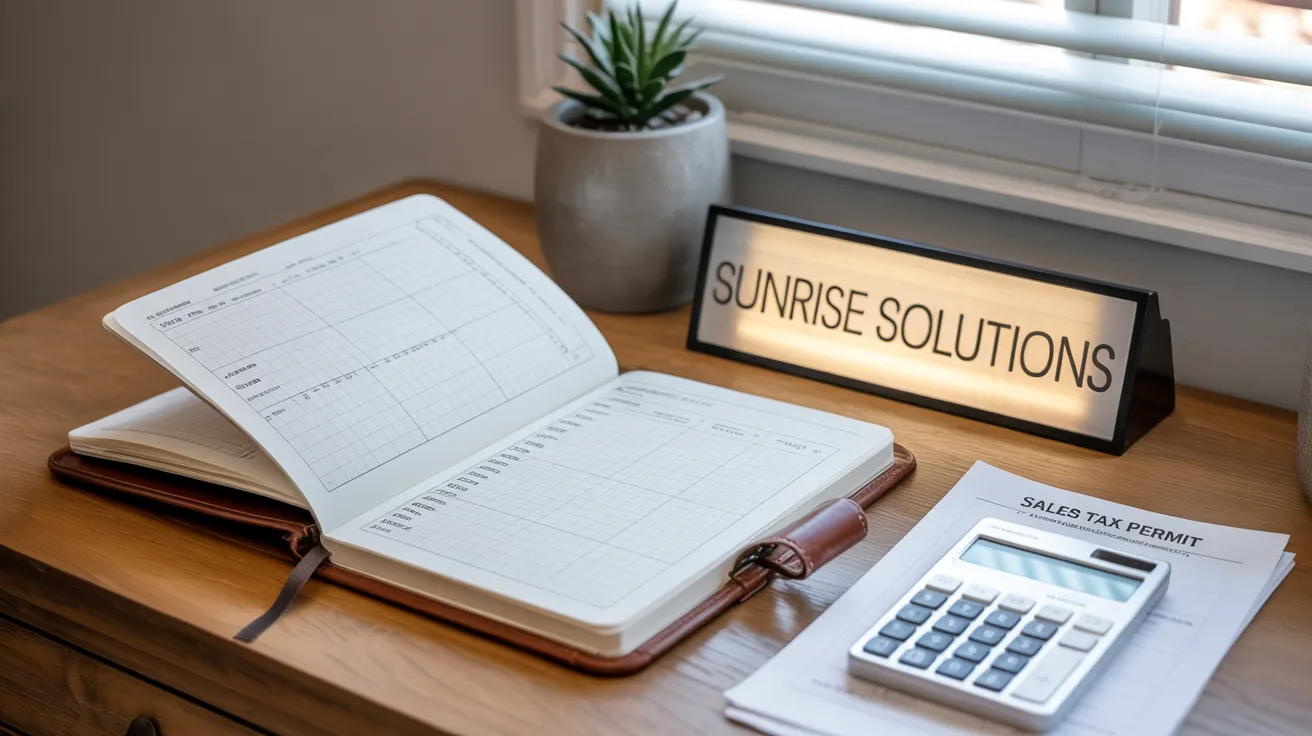
Start by picking a simple business name and checking if you need a sales tax number in your state.
Make a budget that covers rent, signs, lights, price tags, and your first round of inventory. Read all booth rules and the rental agreement carefully.
Make sure you understand how they handle sales, payments, and taxes before signing anything.
Step 3: Design Your Layout and Style

Measure your booth and draw a basic sketch to plan where things will go. Use crates, shelves, or small tables to add height and keep it tidy.
Choose two or three main colors to keep the booth looking clean, not cluttered. Add signs that are easy to read, and place lights where they help your items stand out.
Step 4: Stock and Organize Inventory
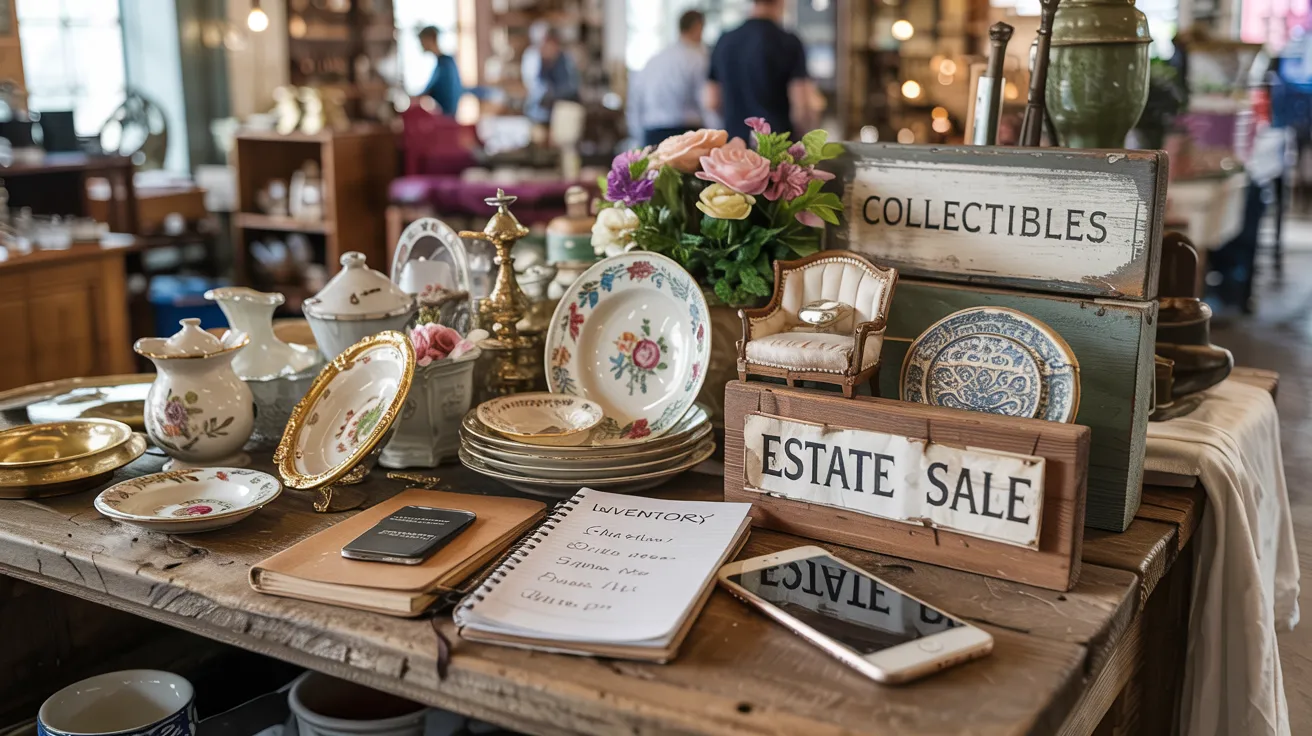
Find items that are vintage, in good shape, and fit your theme, like old kitchenware, signs, or small furniture. Clean them up before placing them.
Use price tags that list the item’s name, price, and one short detail. Keep a notebook or phone list of what you sell, so you know what to bring back next time. Change items every few weeks.
Step 5: Promote and Improve Regularly

Use your phone to snap clear pictures of your booth and post on Instagram, Pinterest, and Facebook. Tag your city and booth name so people can find you.
Try simple seasonal themes and work with other sellers to get more attention. Keep your space fresh by moving items around.
Ask buyers what they liked or didn’t like to get better over time.
Styling and Display Ideas for Your Antique Booth
Styling and display ideas help your booth look neat and grab attention. Use wall space, clear themes, good lighting, and one standout item to make your booth feel inviting and easy to shop.
1. Wall Display Tips & Color Themes
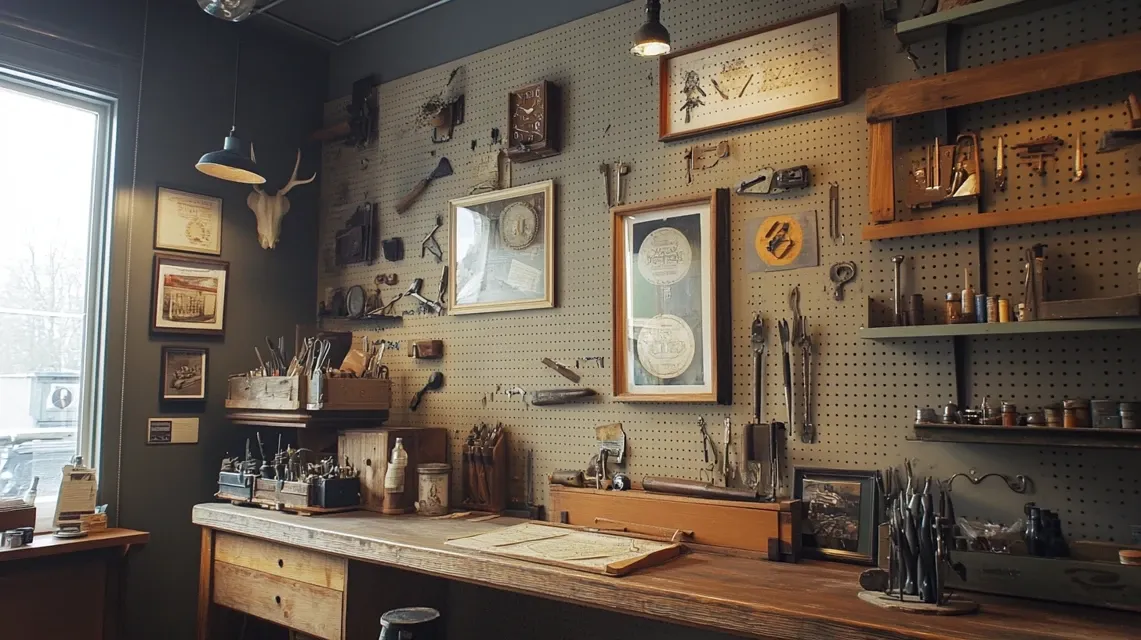
Use your wall space to hang items like mirrors, signs, or framed art. Pegboards or shelves work great to hold small stuff neatly.
Try picking two or three colors that go well together and stick with them for your booth. It helps your space feel calm and not too busy.
Light colors make your booth look bigger, while darker ones can give it a cozy feel.
2. Seasonal Styling (Spring, Fall, Holiday Ideas)
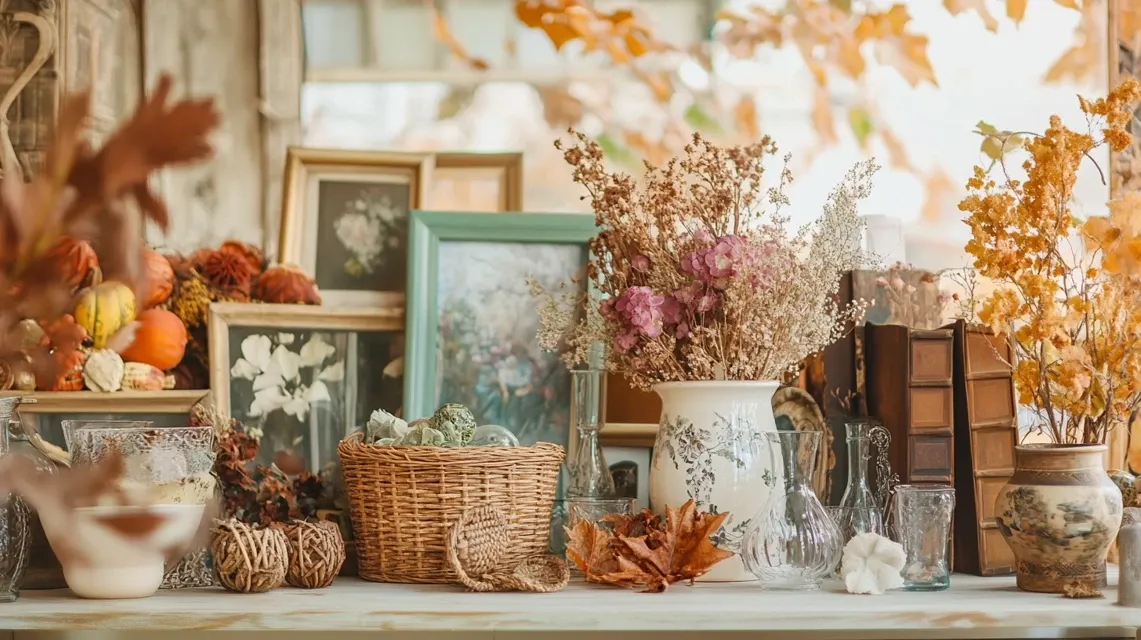
Changing your booth with the seasons keeps things fun and fresh. In spring, add light colors and flowers. For fall, use warm colors like orange, brown, and yellow with leaves or baskets.
During holidays, add a few fun touches like vintage ornaments or red and green for winter. Don’t go overboard; just a few small changes can match the season without needing a full makeover.
3. Creating a Focal Point with Signature Pieces

A focal point is one item that grabs attention right away. This can be a bold piece like an old dresser, a vintage bike, or a big sign.
Put it in the center or right at the front of your booth. Build smaller items around it so your booth feels balanced.
This helps draw people in and gives them something to remember when they think about your booth.
4. Lighting, Signage & Mood Boosters

Good lighting makes everything look better. Use small lamps or string lights to brighten dark spots.
Clean signs with clear writing help shoppers know prices and sections. Try using soft music (if allowed), a small rug, or a scent like cinnamon sticks to make your booth feel warm and welcoming.
These small touches make people want to stick around and look at more of your stuff.
DIY Booth Setup Tips
Save money and make your booth stand out with smart do-it-yourself ideas. Use simple tools and secondhand items to build displays, stay organized, and show off your antiques in style.
Upcycled Fixtures and Display Hacks
- Use old ladders as shelves or blanket holders
- Turn broken drawers into display bins
- Hang hooks on doors for small items
- Use shutters to clip paper goods
- Paint wood pallets for a rustic background
Affordable Shelving, Crates, and Tables
You don’t need to spend a lot to make your booth look good. One easy trick is to stack wooden crates to create shelves.
They’re cheap, and you can move them around as needed. Folding tables also work great, and you can cover them with fabric to make them look nice.
For heavy stuff, try adding wheels to low tables so you can shift them easily. You can also find old bookshelves at yard sales or thrift shops for a few bucks.
If you enjoy making things, you can build small stands using leftover wood, which is a fun and low-cost way to create displays that fit your space perfectly.
Marketing & Growing Your Booth Business
Marketing and growing your booth helps you get more customers and keep them coming back. With simple tools and smart moves, you can turn your small booth into a steady business.
Once your booth is set up and running, it’s time to help more people find it. Effective marketing attracts new customers and encourages existing ones to return.
It’s not hard, you just need to show off what you sell, share your booth’s style, and learn what works best for you.
Promoting on Instagram, Pinterest & Facebook
Social media is a great way to show people what you sell. Post clear photos on Instagram and Pinterest to share your booth’s look.
Use Facebook to let people know about sales, new items, or market dates. Tag your location, use short captions, and post often.
You don’t need fancy equipment; a phone and good lighting are enough. Over time, more people will start following and visiting your booth.
Building Repeat Customers Through Storytelling
People love hearing the story behind your items. If you know something about where it came from, who used it, or why it’s special, share that story on your tags or in person.
This helps customers feel connected to the piece. When someone feels a real reason to buy something, they’re more likely to come back later to see what else you have.
Stories turn first-time buyers into regulars.
Tracking What Sells & Optimizing Your Space
Pay attention to what items sell fast and what sit too long. Keep a small notebook or use your phone to track sales.
Over time, you’ll see patterns like which things people want most or which prices work best. Use that info to change your setup or stock.
If small items sell better up front, move them there. Smart changes based on sales help you use your space better and make more money.
Final Thoughts
After reading the blog you I guess you should have understood that running a booth doesn’t take fancy tools or a big budget; instead, it just takes the right plan.
From picking a booth and setting it up to keeping it fresh and making sales, these antique booth setup ideas will help you stand out and succeed.
You’ve now got clear tips on layout, style, and promotion. So what are you waiting for? Pick one idea and try it this week.
Ready to take your antique booth to the next level? Start applying these tips today and turn your booth into a place that brings in happy shoppers again and again.


