How to Choose the Right Villa for Your Next Stay
Selecting a villa requires more than comparing photos and nightly rates. The right property should match your group’s size, travel plans, preferred setting, and daily routines. A waterfront estate suits guests who value outdoor living, while a city residence works better for those planning frequent outings. Careful comparison also prevents you from paying for space or amenities you won’t use. The following steps make the selection process clearer and more practical.
1. Match the Villa to the Group
Compare the number of bedrooms, bathrooms, and guests each property accommodates. A thorough search of villa rentals in Miami narrows choices by pools, water views, outdoor areas, neighborhood, home size, and guest capacity. This approach keeps the search practical rather than relying on photographs alone.
A five-bedroom villa suits a family or group of friends who need separate sleeping areas. Larger groups should examine residences with six or eight bedrooms, especially when several guests prefer private bathrooms.
2. Choose a Location That Fits the Itinerary
Location affects transportation time, dining plans, beach access, and privacy. If you want quick access to South Beach, prioritize Miami Beach or the Venetian Islands. For quieter surroundings, compare villas on Miami Shores, Coral Gables, or South Miami.
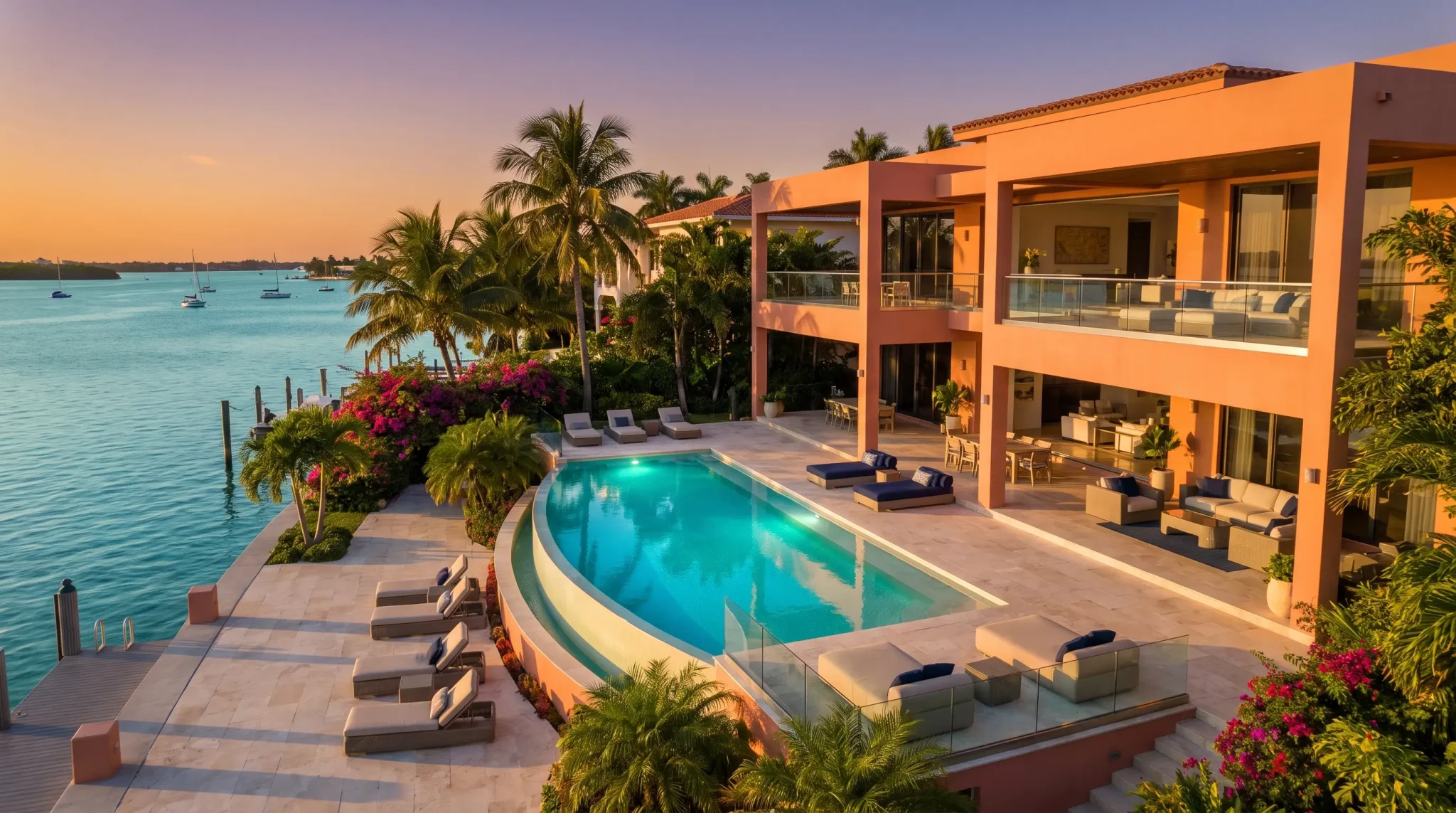
A waterfront villa creates a different daily rhythm than a residence in a central neighborhood. Waterfront properties suit guests who plan to spend time outdoors, host private meals, or enjoy bay views. City-view homes work better for longer stays with frequent outings.
3. Compare the Outdoor Space

A private pool changes how guests use a villa, especially during warm-weather trips. Check whether the listing includes a pool, terraces, landscaped grounds, or direct waterfront surroundings. These details matter for families, guests hosting meals, and groups spending much of the day at home.
Prioritize private pools, a generous indoor space, and a location along a peaceful waterway. Villas on Hibiscus Island, for instance, come with open terraces and panoramic Biscayne Bay views. Comparing these details helps you select outdoor spaces that support your plans.
4. Review the Interior Layout
Square footage provides useful context, but the floor plan often matters more. Hence, look for open living areas, dining space, kitchen size, work areas, and separation between bedrooms. A large home can still feel impractical if common areas cannot accommodate the entire group.
Check details like square footage, bedroom and bathroom count, and suitability for extended visits. Those figures help guests compare usable space before requesting a booking.
5. Consider the Length of the Stay
A weekend escape does not require the same setup as a month-long visit. Longer stays place greater demands on kitchens, laundry areas, workspaces, storage, and comfortable common rooms. Therefore, don’t skip reading each description for details about everyday living.
Some villas include descriptions that call them long-stay retreats for families, professionals, and groups. That description makes it worth comparing with homes focused on short private getaways. The best choice depends on how long you expect to stay on the property.
6. Check the Booking Purpose
Some villas suit personal vacations, while others have restrictions tied to events or commercial use, such as being listed primarily for corporate, fashion, art, culinary, and brand events. These properties aren’t presented as standard vacation residences, so always confirm if the property matches your intended use.
Also confirm guest limits, bedroom availability, bathrooms, and booking requirements before deciding. A clear request gives the rental team enough information to identify suitable options and prevent confusion later.
7. Compare Practical Details Before Booking
Create a short comparison list with each property’s location, capacity, bedrooms, bathrooms, square footage, pool, views, and outdoor areas. Reviewing the same details for every villa makes differences easier to see. It also prevents attractive photography from outweighing practical requirements.
The final choice should reflect your schedule and habits. If you value privacy, prioritize secluded settings; if you plan frequent outings, focus on location and travel convenience. A well-matched villa supports the trip without adding unnecessary complications.
Conclusion
The right villa combines suitable capacity, a workable location, useful amenities, and a layout that fits the stay. Compare listings using the same criteria, then confirm booking rules and intended use before requesting availability. A practical next step is to rank three priorities, such as guest capacity, private outdoor space, or access to Miami Beach, and use them to narrow the search. That process leads to a more comfortable decision and fewer surprises after arrival.