Peony Care Made Simple: Tips for Healthy Blooms
Peonies can become a long-term part of a garden, returning year after year with very little fuss. Still, their growth can change depending on how well you meet their needs.
For many people, tending a garden like this ties into the therapeutic power of gardens as much as it does the finished bloom.
I find peonies easier to care for once you start noticing their natural rhythm instead of reacting to every small change. That makes their needs feel much more predictable.
Good peony care is mostly about giving the plant steady support through the year. Small, well-timed choices usually matter more than constant attention.
What Does a Peony Need to Grow and Bloom Well?
Peonies need at least six hours of direct sun daily for strong stems and reliable blooms; too much shade reduces flowering.
Well-drained soil is essential, since peonies don’t tolerate standing water – the same principle behind good sustainable landscaping ideas for the rest of your yard.
Newly planted peonies need consistent moisture while roots establish, especially in dry weather. Space plants well to allow airflow around the leaves, which helps prevent fungal disease. Planting depth also affects flowering.
Once established, mature peonies generally need less hands-on care, as their deep root systems handle normal seasonal changes well.
How to Plant and Divide Peonies

Getting the planting depth and timing right early on makes a noticeable difference in how well peonies establish and bloom in the years ahead.
- Plant in fall: Set out bare-root peonies in most US climates before the ground freezes, giving roots time to settle before winter.
- Mind the depth: For herbaceous peonies, place the eyes about 1 to 2 inches below the soil surface – planting too deep can reduce flowering even when the plant looks healthy.
- Divide only when needed: Lift established clumps carefully and separate them into sections, each with healthy roots and several eyes, then replant soon after.
- Expect a slow start: Newly planted or divided peonies may produce few or no flowers in the first year. Better growth and blooming usually follow as the plant becomes established.
Tip: I’ve found dividing in early fall gives the best results, since the sections have time to settle before the ground freezes.
Peony Care Calendar by Season
A seasonal routine keeps peony care simple and helps you focus on the right tasks at the right time. The needs of the plant change through the year, so each season calls for a different level of attention.
1. Spring Peony Care
Spring is when new shoots begin pushing through the soil and growth picks up quickly – much like the general work of prepping flower beds for spring elsewhere in the garden.
This is the best time to clear the area and prepare the plant for the weight of future blooms. This is the best time to clear the area and prepare the plant for the weight of future blooms.
- Watch new shoots: Avoid stepping on or disturbing tender growth.
- Remove winter mulch: Pull it back once steady growth begins.
- Set up supports early: Add stakes or rings before stems get tall, and buds become heavy – lifting bent stems later is much harder than supporting them from the start.
Tip: Install supports early so stems can grow naturally through them, and tie loosely to avoid pulling stems too tightly together.
2. Summer Peony Care
Summer covers both the bloom period and the weeks after flowers fade. Peonies need a little extra attention while blooms open, then settle into lighter maintenance once flowering ends.
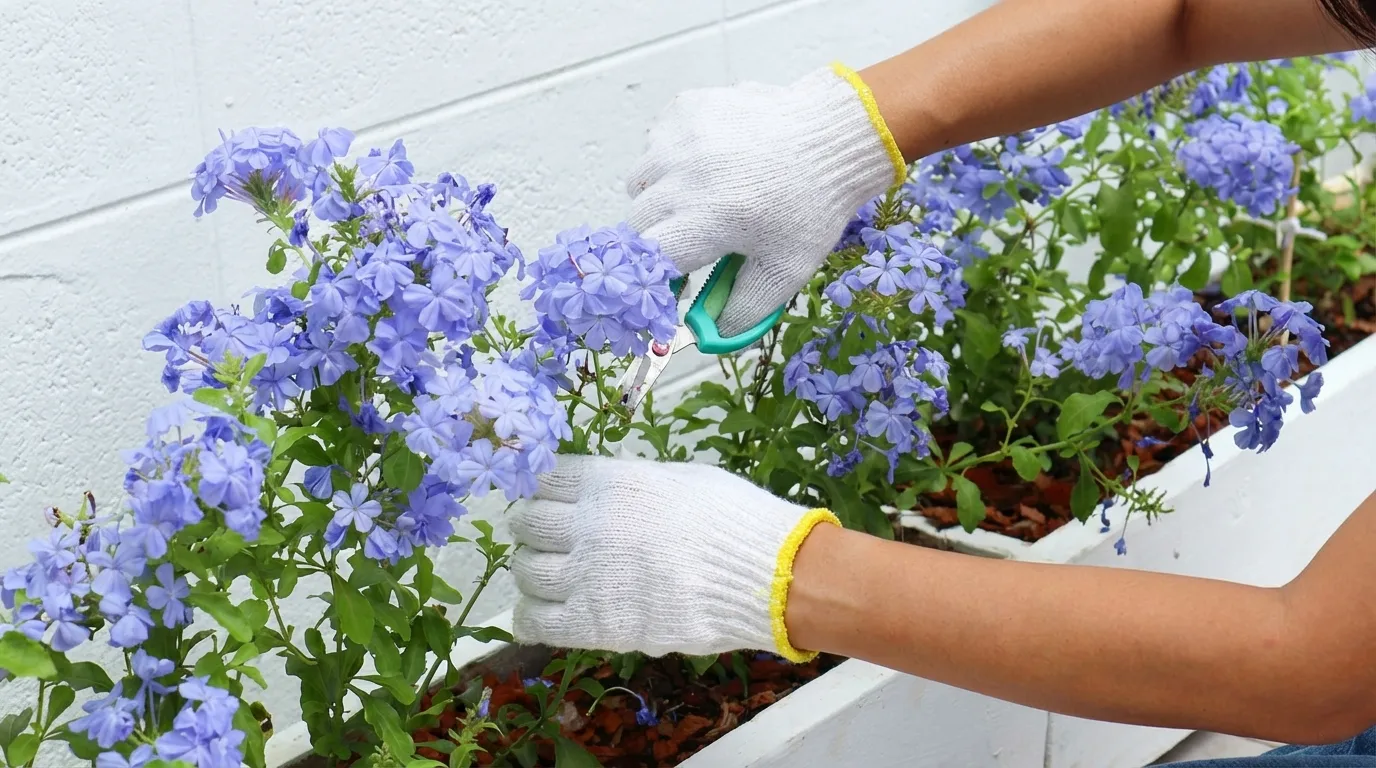
- Deadhead flowers: Once blooms fade, cut below the flower head and stop above healthy foliage, using clean pruners for a clean cut rather than tearing. Clear any fallen petals from the soil surface.
- Keep healthy foliage in place: Leave green leaves on the plant through summer, since they continue helping the roots store energy for next year’s growth. Only trim foliage that’s broken or damaged.
- Water in dry spells: Soak the root zone when rainfall is limited.
- Inspect leaves and stems: Watch for spots, powdery mildew, or soft and discolored areas – this is easiest to catch while deadheading, so check the plant as you go.
3. Fall Peony Care
Fall is the main cleanup period for herbaceous peonies. Once frost damages the foliage, you can remove old growth and prepare the bed for colder weather.
- Cut back stems: Trim damaged foliage after a hard frost.
- Clear plant debris: Remove fallen leaves and old stems.
- Add mulch if needed: Use a light layer in colder areas.
Tip: Keep mulch from piling directly over the crown.
4. Winter Peony Care
Peonies enter dormancy during winter, so this is usually the quietest part of the care cycle. Established plants generally do not need regular attention while the ground is cold or frozen.
- Leave plants alone: Avoid disturbing dormant roots and crowns.
- Skip extra watering: Do not water frozen or saturated soil.
- Protect when necessary: Add insulation only in harsher conditions.
Tip: Established peonies usually need little winter protection in many US climates.
Do Peonies Need Fertilizers?

Established peonies do not always need fertilizer every year. If the plant is growing well and flowering normally, extra feeding may not make much difference.
I make it a habit to look the plant over each time I water it, since it takes no extra effort and catches problems early.
A soil test is more useful than guessing when growth seems weak. It can show if the soil is missing key nutrients and help you avoid adding what the plant doesn’t need.
Too much nitrogen can lead to lots of leafy growth with fewer flowers. For peony care, I would avoid high-nitrogen fertilizers unless a soil test shows they are needed.
Newly planted peonies may benefit from good soil preparation and light feeding once they begin active growth. Established plants often need much less help, especially when they are growing in fertile, well-drained soil.
Peony Care by Plant Type
Not all peonies grow or respond to pruning in the same way. Knowing which type you have makes peony care easier and helps you avoid cutting back growth that should stay in place.
Use the table below for a quick comparison of the main care differences:
|
Care Area |
Herbaceous Peonies |
Tree Peonies |
Itoh Peonies |
|---|---|---|---|
|
Winter growth |
Dies back to the ground |
Keeps woody stems |
Dies back near ground level |
|
Pruning |
Cut back after frost |
Remove only dead or damaged wood |
Cut back dead top growth |
|
Support needs |
May need staking |
Usually self-supporting |
Strong stems often need less support |
|
Typical habit |
Rounded clump |
Woody shrub |
Bushy, spreading clump |
|
Main care focus |
Support and seasonal cutback |
Protect woody framework |
Remove dead growth |
Care Mistakes to Avoid
Some mistakes may not show their effects until the next growing season. Avoiding these habits can help keep future flowering on track.
- Cutting back too soon: Leave healthy foliage until it naturally declines.
- Moving plants repeatedly: Give peonies time to settle after planting.
- Overfeeding plants: More fertilizer does not always mean more flowers.
- Ignoring changing conditions: Watch for new shade or drainage problems.
- Skipping fall cleanup: Remove old plant material after the season ends.
- Changing care too quickly: Give the plant time to respond before making another adjustment.
Common Peony Growing Problems and Solutions
Peony problems are easier to fix when you match the symptom to the likely cause. Use this table to narrow down what may be happening and what to do next.
|
Symptom |
Likely Cause |
What to Do |
|---|---|---|
|
No flowers |
Planted too deep |
Check and correct planting depth |
|
Floppy stems |
Heavy blooms or weak support |
Add rings or stakes early |
|
Spotted leaves |
Fungal disease |
Remove affected leaves and debris |
|
Powdery coating |
Powdery mildew |
Improve airflow and keep leaves dry |
|
Early yellowing |
Stress or disease |
Check moisture and plant health |
|
Soggy soil |
Poor drainage |
Water less and improve drainage |
Conclusion
A healthy peony does not need constant intervention. In many cases, giving the plant enough time between changes leads to better results than adjusting its care too often.
I would keep a simple note of bloom time and any problems you notice each year. That makes it easier to spot changes from one season to the next.
Use those observations to fine-tune your peony care over time. Start with one small adjustment, watch how the plant responds, and build from there.
Frequently Asked Questions
How Long Do Peony Plants Live?
Peonies can live for decades when planted in a suitable location and left mostly undisturbed.
Can Peonies Grow In Containers?
Yes, but they need a large pot, good drainage, and enough room for their root system.
Do Ants Harm Peony Flowers?
No. Ants are commonly attracted to peony buds but usually do not damage the plant.
How Long Does It Take a Peony to Bloom After Planting?
Some bloom in the first few years, while others need more time to become established.