Understanding Material Integrity for Modern Plumbing
Plumbing frequently goes unnoticed until something goes awry. The pipes, fittings, and seals behind those walls are vital. A leak or burst can lead to a cascade of problems. Maintaining material integrity is paramount in ensuring your plumbing system stands the test of time.
Choosing the Right Material
The backbone of any plumbing system is its materials. Want reliability? Opt for copper. It’s durable, corrosion-resistant, and relatively easy to install. Copper is pricey, but consider it an investment.
For those on a budget, PVC might be a go-to. It’s lightweight, offers flexibility, and is resistant to chemicals. However, steer clear of high-temperature applications.
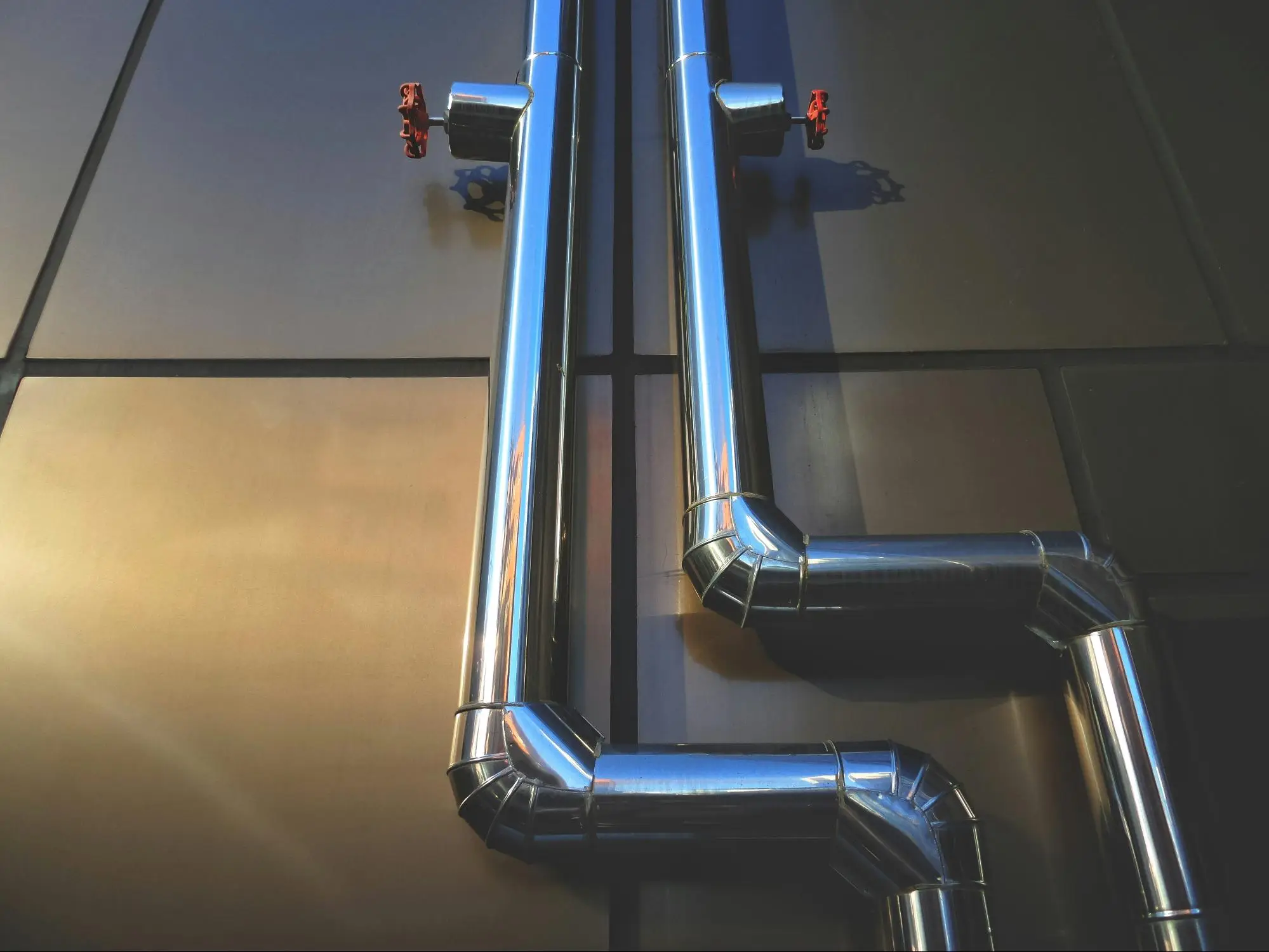
Stainless steel provides an attractive alternative, especially for residences exposed to harsh coastal environments. It offers excellent resistance to rust and maintains a sleek aesthetic appeal, blending seamlessly with contemporary designs. Balance aesthetics with functionality by choosing materials that meet both the demands of your environment and personal tastes.
Aluminum, while not as common in household plumbing, is another option for those looking at speciality systems. Its lightweight nature and resistance to rust make it suitable for specific applications. However, its cost-effectiveness comes with a trade-off in terms of durability, requiring careful installation and maintenance checks to prevent complications.
When embarking on plumbing projects, sourcing high-quality piping equipment, such as welding and electrofusion machines, can ensure that your HDPE installations are reliable and efficient, minimizing potential issues during their lifespan.
Joint Integrity
Joints are the Achilles’ heel of a plumbing system. A failure in these connections can lead to water damage. Proper sealing is paramount. Missteps here are often due to hasty installation or inadequate materials. Using quality sealants and ensuring every joint is correctly tightened can’t be stressed enough.
Joint materials should be carefully selected based on the pipe material to prevent dissimilar metals from accelerating corrosion. Explore using dielectric unions when joining different types of pipes, such as copper and galvanized steel. Utilizing such strategies defends against potential compromises that may arise over time.
For added security, do some pressure testing once your system is assembled and before it becomes operational. This allows for the identification of weak points that might succumb under pressure, ensuring any flaws are detected upfront. The cost of testing before running water, compared to post-disaster repairs, highlights its value in the installation process.
Understanding Corrosion
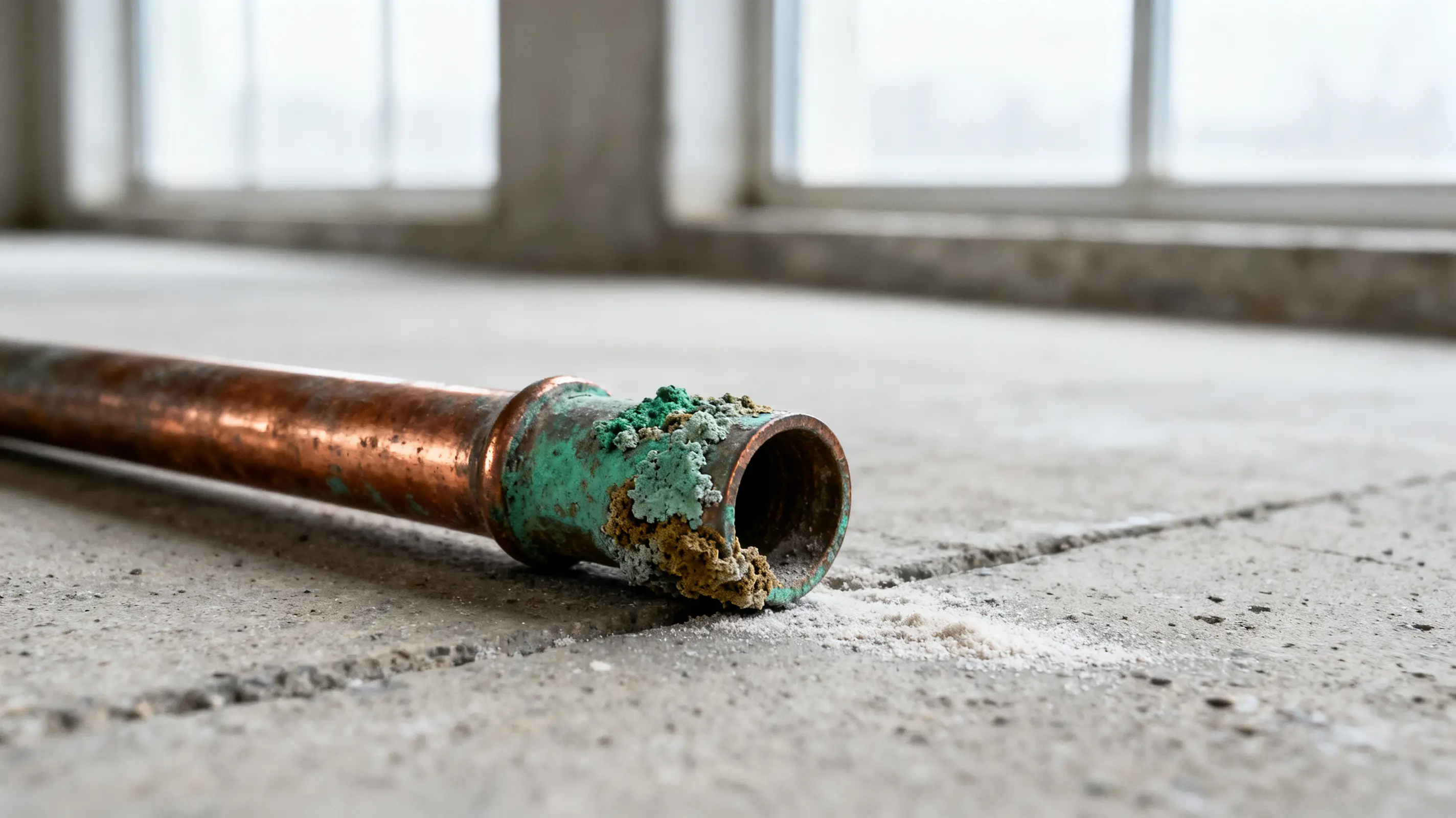
Corrosion is a silent killer. It weakens materials, causing leaks. Understanding its causes and remedies can save money and a lot of hassle. Hard water is the typical suspect. Over time, it takes a toll on your plumbing if unchecked. Regular inspections and utilizing protective coatings can mitigate the risk. Knowledge is power when it comes to combating corrosion.
Consider the water treatment options available in your area. Water softeners, for example, can mitigate potential damage by removing minerals before the water circulates through your pipes. Prevention through proper filtration can prolong the lifespan of your plumbing components and stave off unexpected failures.
An underrated technique in the fight against corrosion is the implementation of sacrificial anodes. These are specially designed components made from zinc or magnesium that corrode in place of your pipes, acting as a defense mechanism. By routinely replacing these anodes, the inner materials of your plumbing system remain safeguarded. This method is especially beneficial for hot water tanks and radiators, extending the life of your investment.
Keeping Maintenance in the Checklist
Regular maintenance is not an option. It’s a requirement. Scheduled checks can unveil budding problems before they become full-blown catastrophes. A savvy homeowner knows the importance of inspections. They save on hefty repairs and ensure the longevity of their plumbing systems.
Temperature and Pressure Control
Imagine running a marathon in high heels. That’s akin to a pipe dealing with fluctuating temperatures and pressures. A surefire way to degrade material quality is by overburdening it with extremes. Install pressure-reducing valves and ensure pipes are well insulated. It’s always better to prevent potential damage than scramble for repairs later.
Alongside insulation, taking the time to install appropriate expansion tanks can make all the difference. Expansion tanks alleviate stress caused by thermal expansion, safeguarding both your system and your peace of mind. Balancing these pressure shifts is a practical step towards maintaining seamless water flow. Temperature changes within piping systems not only influence the physical side but also the chemical interactions within. Sudden temperature boosts can accelerate mineral buildup, potentially leading to blockages. Regular maintenance, such as flushing systems, particularly hot water heating systems, contributes to maintaining consistent flow rates and prevents heating inconsistencies.
Future Trends
While traditional materials have paved the way, new advances are emerging. Explore newer composites offering even greater resilience. Stay informed. Understanding these advancements can provide better decisions, ensuring your system remains both reliable and efficient. Align your choices with upcoming innovations to stay ahead.
With evolving technologies, systems now include sensors that monitor flow rates and detect leaks instantaneously. Integrating such innovations can significantly reduce water waste, lowering utility bills and minimizing environmental impact. Such proactive choices are investments in a sustainable future.