Keeping Your Georgia Deck Cool in Summer
Georgia summers are no joke. By July, air temperatures regularly push past 90°F, and your deck surface can hit 150°F or higher in direct sun. That’s hot enough to burn bare feet in seconds and make your outdoor space basically unusable during peak hours. The good news is there are real, practical ways to bring those temperatures down. And a lot of it starts before the first board even gets nailed down.
Why Georgia’s Summer Heat Is a Unique Challenge for Decks
Most of the country deals with summer heat. Georgia deals with summer heat plus humidity, and that combination hits differently. Average July temperatures in Atlanta hover around 89-91°F, but the heat index regularly pushes it to feel like 100°F or more.
Humidity slows down sweat evaporation, so your body can’t cool itself as efficiently. Even a deck surface at “only” 120°F feels unbearable faster than it would in Arizona at the same reading. Add a south-facing backyard to the mix, which is pretty common in Georgia subdivisions, and you’ve got a deck that bakes in direct sun from morning to evening. Experienced builders factor this in from day one. Orientation, material choice, and shade planning aren’t afterthoughts here.
Start With the Right Decking Material
This is where you can win or lose the heat battle before summer even starts. Not all decking materials absorb heat equally, and the differences are significant.
- Trex Lineage uses built-in heat-mitigation technology and can run up to 35°F cooler than standard composite boards under direct sun.
- TimberTech Advanced PVC performs similarly well. Lighter color options push the numbers even further.
- MoistureShield CoolDeck has been tested up to 30°F cooler than traditional composite, a solid middle-ground option.
- Ipe hardwood is dense and naturally reflects more heat than most composites, especially in direct afternoon sun.
- Cedar tends to stay cooler thanks to its naturally lighter tones. Performance drops if you stain it dark.
- Standard dark composite (no heat tech) is the worst performer. Surfaces can reach 160°F+ in a Georgia summer, which is genuinely painful to walk on.
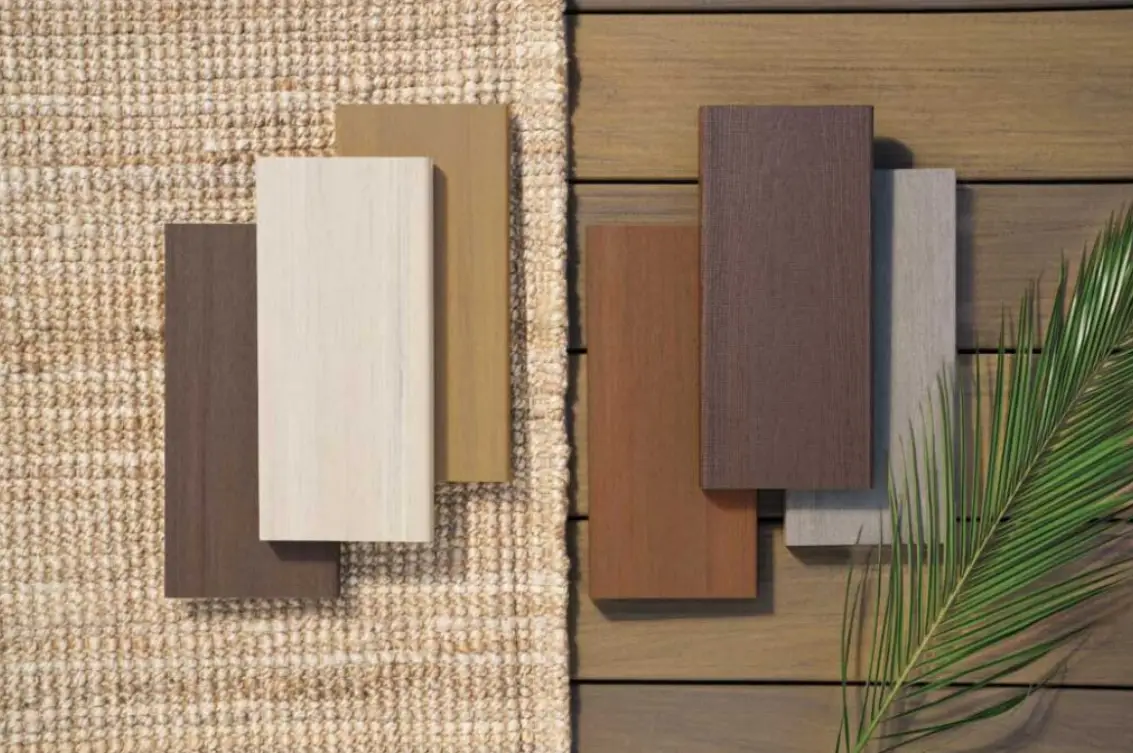
Color matters across all categories. Light-colored boards can run up to 30°F cooler than dark ones under identical conditions. When Georgia deck builders work on south-facing projects, material selection is almost always the first thing on the table.
Shade Structures That Actually Work
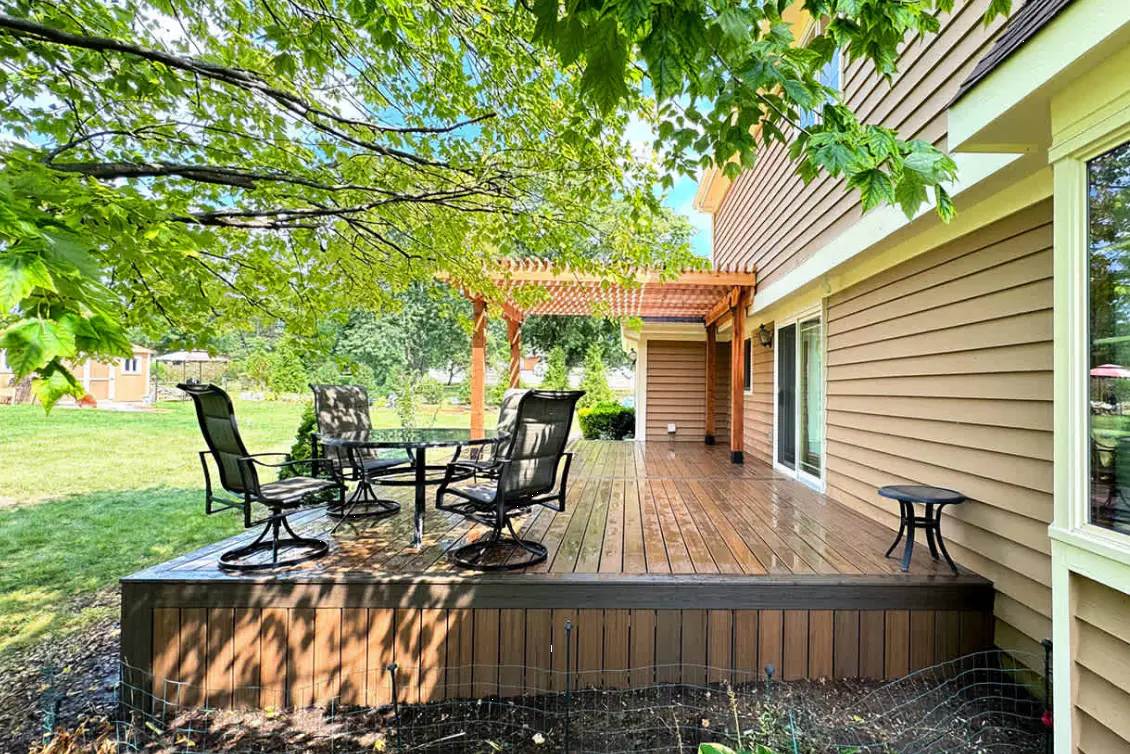
Even the best decking material has its limits when the sun is directly overhead at 2 p.m. in August. A pergola with adjustable louvers is probably the most versatile option right now. You get shade when you need it and can open the louvers for airflow when temperatures drop in the evening.
Retractable awnings and shade sails are solid choices if you want something less permanent. They’re easy to adjust throughout the day and won’t mess with your yard’s sight lines when retracted. Shade sails have gotten popular in Georgia specifically because they handle wind well and cover larger areas without looking clunky.
A fully covered porch or attached roof is the most effective option. It cuts direct heat dramatically and also reduces heat gain inside the house, which shows up on your energy bill. The catch is planning. It needs to be designed as part of the original build, not tacked on later. Retrofitted shade structures often end up mismatched or create drainage issues down the road.
Airflow and Deck Orientation
Elevated decks stay cooler. When there’s a gap between the deck surface and the ground, air moves underneath and helps cool the boards from below. It’s a real difference, especially on a breezy Georgia evening.
Skirting choices matter here too. Open skirting or lattice panels keep airflow moving. Fully closed skirting traps heat underneath and can actually make the surface warmer. If your area gets decent afternoon breezes, open skirting is almost always the better call.
Orientation is the other piece. A deck that faces east gets morning sun and afternoon shade. A west-facing deck gets the opposite, meaning it’s hottest exactly when you want to be outside. A good builder plans the layout to take advantage of natural shade from the house, trees, or neighboring structures during peak heat hours.
Cooling Accessories Worth the Investment
Once your deck is built, a few add-ons genuinely make a difference.
Outdoor ceiling fans under a covered deck reduce perceived temperature by 8-10°F. Wall-mounted fans work well for open decks where ceiling mounting isn’t an option. Misting systems can drop the surrounding air temperature by 15-20°F almost instantly. The best time to install them is during construction, when tubing can be routed cleanly through posts and railings without exposed lines running everywhere.
Outdoor rugs protect bare feet from direct surface contact and make a noticeable difference in comfort during afternoon hours. Light-colored furniture follows the same logic as light-colored boards. Dark metal chairs sitting in the Georgia sun get painfully hot fast and stay that way.
Maintenance Tips to Keep Surfaces Cooler Long-Term
A dirty deck runs hotter. Dust, pollen, and algae sit on the surface and absorb extra heat. Regular cleaning twice a year keeps the surface performing the way it was designed to.
For wood decks, UV-protective sealers matter. Without them, wood darkens over time, and darker surfaces absorb more heat. Resealing every one to two years keeps both the color and the temperature in check.
Strategic pruning helps too. Let the right branches grow to block afternoon sun, and trim whatever’s blocking airflow. It sounds simple, but it makes a consistent difference through a full Georgia summer.
If you’ve added a second story or replaced your roofing recently, it’s worth having a professional reassess your deck setup. Changes to the structure above can completely shift how much direct sun your deck gets throughout the day.
When to Talk to Georgia Deck Builders
If you’re building new, the heat conversation needs to happen at the design stage. Material selection, orientation, and shade integration are all cheaper and easier to get right the first time.
If your existing deck is already miserable in summer, you’re not out of options. Swapping boards for a cooler material or adding a shade structure can make a real difference without a full rebuild.
Georgia deck builders who work locally understand the regional climate. What works near Ellijay in the mountains isn’t the same as what works near Savannah on the coast. Local knowledge genuinely matters when the problem is this tied to geography.