Single Storey Extension Ideas: 8 Designs That Work
Single storey extensions are the most popular home improvement project in the UK because they hit a sweet spot – meaningful extra space, often under permitted development, without the cost or upheaval of going up a floor. The challenge is making sure the design earns its budget.
We’ve pulled together eight single storey extension ideas that consistently work in UK homes, with the costs, planning rules and design choices that make the difference between a forgettable add-on and an extension that genuinely improves the way you live.
What Is a Single Storey Extension?
A single storey extension is a ground-floor structural addition to a house, typically built at the rear or side. It usually requires either permitted development or planning permission, plus building regulations approval. Costs range from £35,000 for a basic side return to £100,000-plus for a large wrap-around with high-spec glazing. Experienced builders in Kettering and across the Midlands typically price by m² with structural and glazing extras added on top.
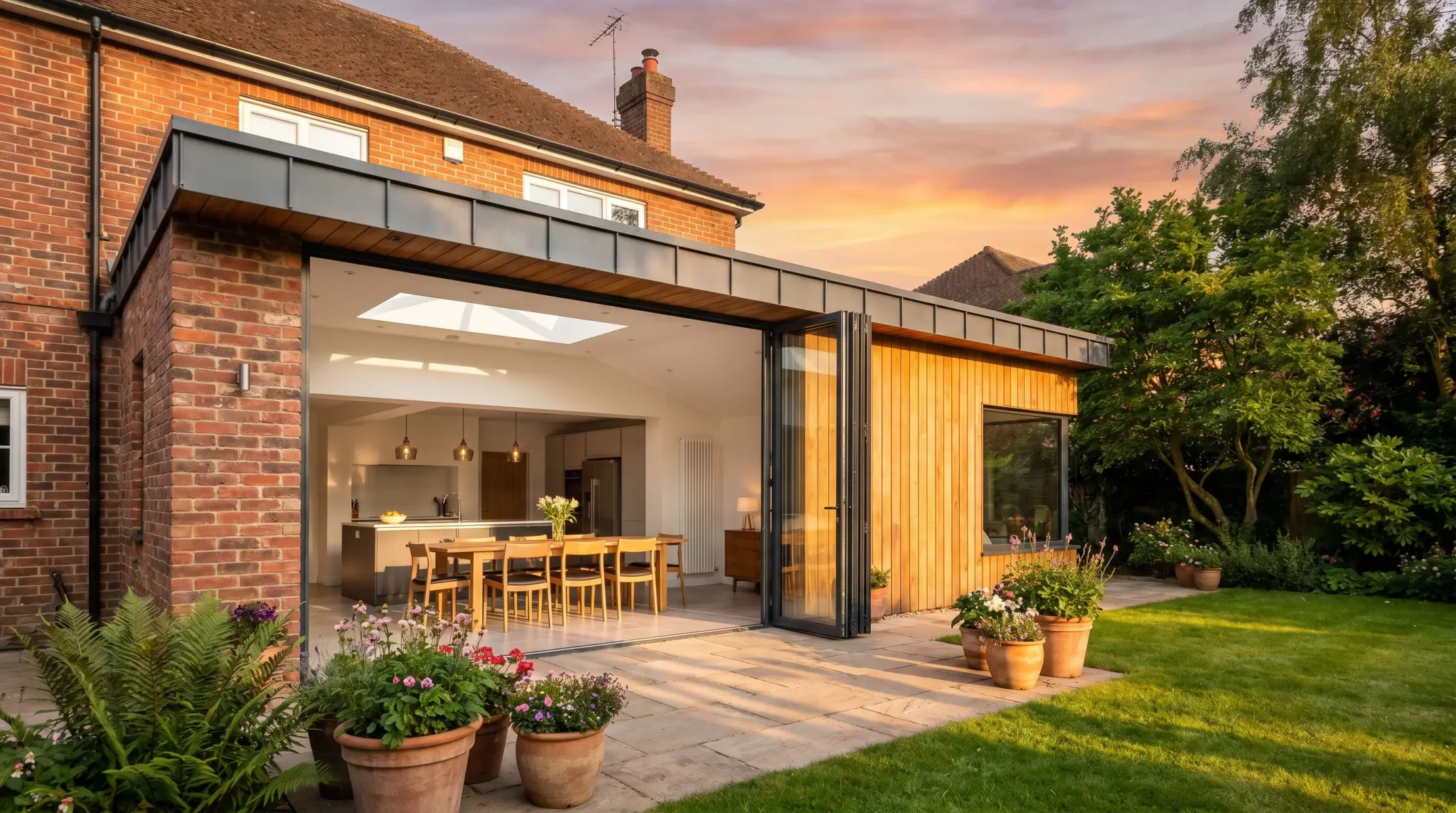
1. Rear Extension With Open-Plan Kitchen-Diner
The default choice for a reason. A 3-4m deep single storey rear extension at the back of a semi-detached or terraced house creates the open-plan kitchen-dining-living space most families want.
Under permitted development, you can build up to 3m deep on a semi or terrace, or 4m on a detached house, without applying for planning. Larger projects often fall under the Larger Home Extension scheme with neighbour consultation. Cost lands at £40,000 to £80,000 depending on size and finish.
2. Side Return Extension
Side return extensions are the smartest move on a Victorian or Edwardian terrace. The narrow alleyway alongside the rear of the house gets squared off, turning a dark galley kitchen into a wide, light space without using up the garden.
Most side returns under 1.5m wide fall well within permitted development. A roof glazed with a glass strip or skylights stops the new space feeling cavernous. Typical cost: £30,000 to £55,000.
3. Wrap-Around Extension
Combining a rear extension and a side return creates an L-shaped wrap-around – the largest single storey footprint you can build without going up a floor. It’s the format of choice for a true open-plan ground floor with a kitchen, dining area and living space all flowing into the garden.
Wrap-arounds need planning permission rather than permitted development. Budget £55,000 to £100,000-plus. The planning route adds three to four months, so factor that into the timeline.
4. Bi-Fold or Sliding Doors Onto the Garden
A 3m to 6m run of bi-fold or sliding doors at the rear is the single biggest visual transformation in most extensions. They make the garden feel like part of the living space when open and bring daylight far further into the property when closed.
Sliding doors give a cleaner look with thinner frames and larger glass panels; bi-folds fold fully out of the way. Both add £4,000 to £12,000 over standard French doors. Aluminium frames are standard for this kind of size.
5. Pitched Roof With Vaulted Ceiling
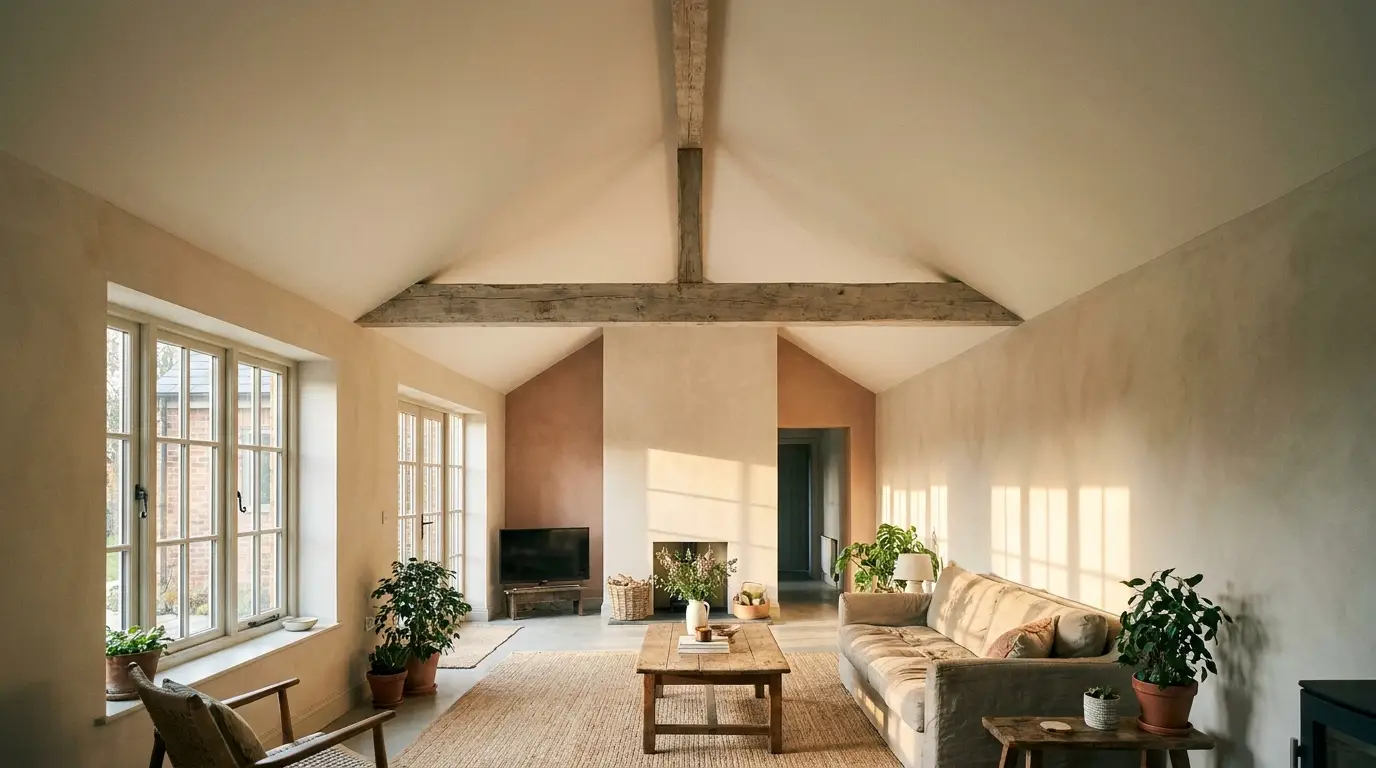
Flat roofs are cheaper and easier to build under permitted development. A pitched roof with an internal vaulted ceiling, though, adds drama and a real sense of volume that flat-roof extensions rarely match.
Expect £5,000 to £10,000 more than a flat roof for the same footprint, including the structural steel needed to carry the ridge. The internal benefit is significant – a 4m deep extension feels noticeably more generous with a 3m+ ceiling apex than a flat 2.4m ceiling.
6. Roof Lanterns and Skylights
Single storey extensions risk creating a deep, dark zone at the centre of the ground floor where the new space meets the existing kitchen. The fix is overhead glazing.
- Velux rooflights are the cheapest option at £500 to £2,000 per unit. They suit pitched or flat roofs.
- Flat rooflights (frameless glass panels set into a flat roof) give a more architectural look. £1,000 to £3,500 per unit.
- Roof lanterns (pyramid-style glazed structures) suit larger flat roofs and orangery-style designs. £2,500 to £8,000.
- Glass roof panels (continuous glass strip along the boundary wall) work brilliantly on side return extensions. Price depends on length.
- Walk-on glass (structural glass set into a flat roof, walkable from above) creates a stunning effect on basement-light scenarios. Premium pricing – £3,500-plus per m².
7. Mixed-Material Exterior Cladding
A single storey extension doesn’t have to match the host house brick-for-brick. Many of the best contemporary extensions use a deliberately contrasting material – timber cladding, render, zinc, or large-format glazing – to mark the new build as new. Talented home extension company in Kettering projects often pair reclaimed brick on solid walls with full-height glazing and a flat zinc roof, blending old and new without trying to fake either.
The trick is restraint. One contrasting material works; three start to look like a magazine pile. Cost varies widely – timber cladding adds £80 to £150 per m² over brick.
8. Internal Reconfiguration to Match
The most overlooked single storey extension idea isn’t an extension at all – it’s the work you do to the existing ground floor to make the new space land properly.
Knocking through to create open plan, relocating the staircase, repositioning the WC, or reconfiguring the kitchen all unlock far more value from the new floor area than a slightly bigger extension would. Allow 15 to 25% of the extension budget for internal works on the existing structure.
Planning Permission and Permitted Development
Under permitted development, single storey rear extensions can be up to 3m deep on semis and terraces, 4m on detached houses, with a maximum height of 4m. Under the Larger Home Extension scheme, those limits double to 6m and 8m respectively, with neighbour consultation. The Planning Portal’s guidance on house extensions sets out the full rules.
Listed buildings, conservation areas and flats are excluded from permitted development. So are some properties with earlier extensions or where permitted development rights have been removed. Always check before starting design work.
Realistic Costs in 2026
As a rough guide for a fully finished single storey extension:
- Basic side return (10-15m²): £30,000 to £55,000
- Standard rear extension (15-25m²): £40,000 to £80,000
- Larger rear extension with glazing (25-40m²): £70,000 to £120,000
- Wrap-around (30-50m²): £75,000 to £140,000
- High-spec architect-led build: £3,000 per m² and up
These figures include build cost, basic fit-out and standard glazing. Kitchens, flooring, furniture and landscaping sit on top. London and the South East typically run 15 to 25% higher than the national average.
How to Make the Budget Work Harder
A few decisions consistently improve the value of single storey extensions:
- Decide the use case before the dimensions. A 4m deep extension you use every day is worth more than a 6m extension you rarely set foot in.
- Spend on glazing and the kitchen. These are the elements you’ll see and use every day; cheap finishes here date fast.
- Don’t skimp on the structural opening. A wide, well-detailed connection between old and new is what makes the extension feel like an upgrade rather than an addition.
- Get three quotes from established local builders. Detailed specifications matter more than headline numbers.
- Build in contingency. 10 to 15% on top of the headline number is realistic for groundwork and unexpected structural finds.