The Perfect Investment Property: Where Design, Durability, and Functionality Converge
Designers, architects, builders, and buyers alike often become focused on transforming raw spaces into environments that are visually compelling and highly functional. Color palettes, layouts, finishes, and fixtures are frequently selected based on personal preference or current design trends. However, when investing in residential or commercial real estate, far more is at stake than aesthetics alone.
Successful investment properties must generate long-term cash flow, preserve value, minimize operational risk, and remain competitive within evolving housing markets. With those goals in mind, the question becomes: what does the ideal investment property actually look like?
The answer lies in creating spaces that successfully balance design sophistication with operational efficiency.
The Ideal Investment Property Balances Style and Performance
The strongest real estate investments combine visual appeal with practical functionality. The most successful properties attract high-quality residents while simultaneously minimizing ongoing maintenance costs and protecting long-term asset value.
Rather than pursuing short-term design trends or piecemeal renovations, many experienced investors now prioritize timeless interior architecture, durable materials, and institutional-quality construction standards that support both resident experience and long-term profitability.
The shift is significant. Investors are increasingly recognizing that thoughtful design decisions directly impact tenant retention, maintenance expenses, leasing performance, and overall return on investment.
Sustainable Design Choices That Protect Long-Term ROI
Savvy investors understand that material selection plays a critical role in maximizing net operating income (NOI). Whether the objective is reducing maintenance costs, increasing rental rates, or differentiating a property within a competitive market, the materials chosen throughout a property directly influence operational performance.
1. Why Hard Surface Flooring Outperforms Carpet
Although carpet may initially feel warm and comfortable within traditional bedroom settings, it remains one of the most expensive and rapidly depreciating components in rental housing.
Carpet often requires replacement every three to five years due to staining, wear, and odor retention — particularly in high-turnover rental environments.
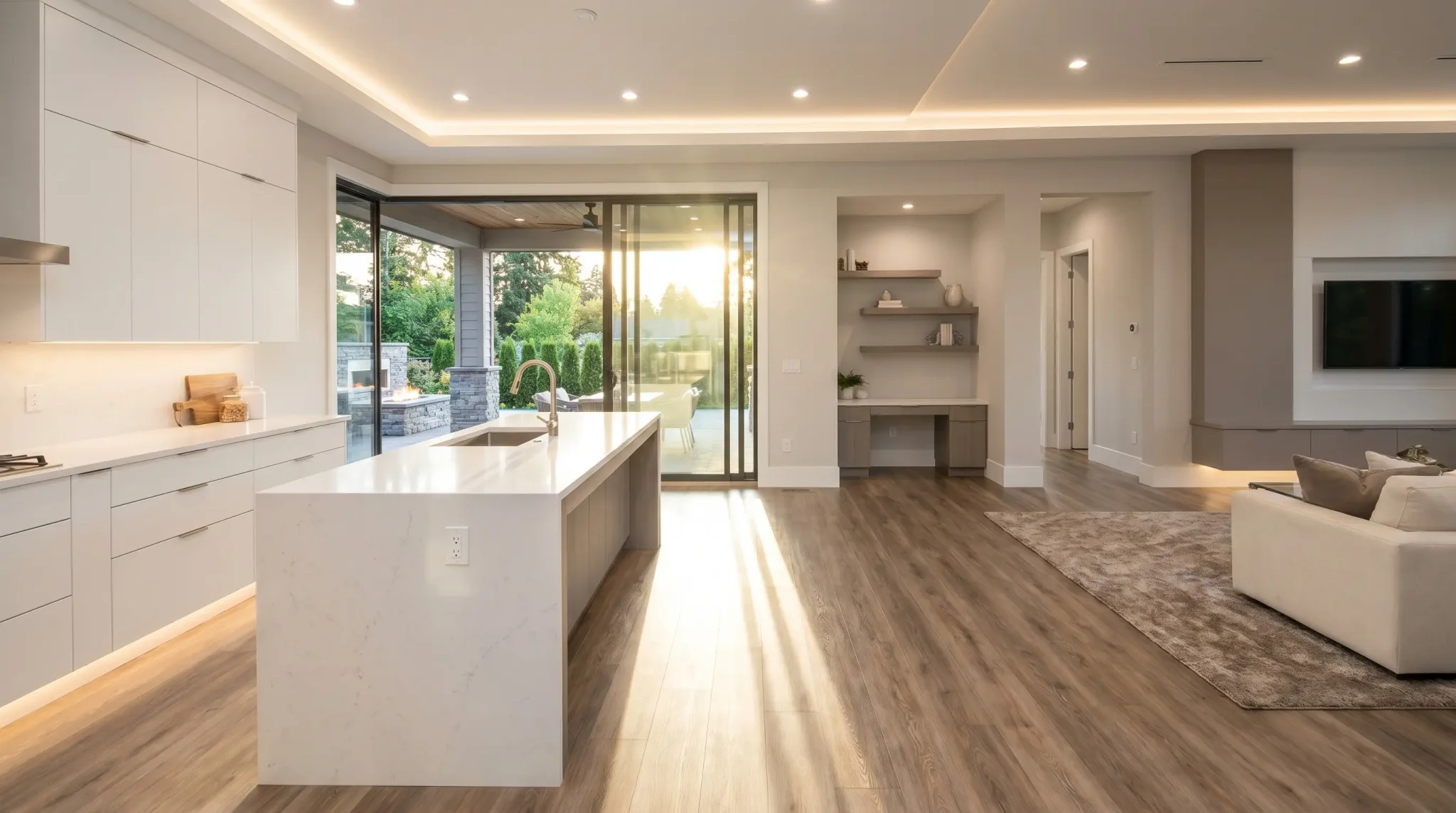
As a result, many experienced investors now favor luxury vinyl plank (LVP), engineered hardwood, or high-quality laminate flooring systems with durable wear layers.
These flooring materials offer several advantages:
- Greater durability
- Easier maintenance and cleaning
- Improved water resistance
- Lower long-term replacement costs
- Elevated aesthetic presentation
Modern LVP products, in particular, successfully replicate the appearance of natural hardwood while offering significantly greater resilience in rental applications.
2. Why Quartz Has Become the Preferred Countertop Material
Quartz surfaces continue to outperform traditional granite and marble within investment-focused residential design.
While natural stone materials possess undeniable visual appeal, they are also porous and require ongoing maintenance. Granite and marble are susceptible to staining, etching, and periodic sealing requirements that increase long-term operational costs.
Quartz, by contrast, is manufactured from crushed stone and resin, resulting in a non-porous surface that resists scratches, stains, and moisture intrusion far more effectively.
For investors, this translates into:
- Reduced maintenance expenses
- Improved durability
- Greater tenant satisfaction
- Consistent long-term appearance
Quartz also provides a more predictable finish profile, making it easier to maintain design consistency across multiple properties or units.
3. The Financial Power of Neutral Color Palettes
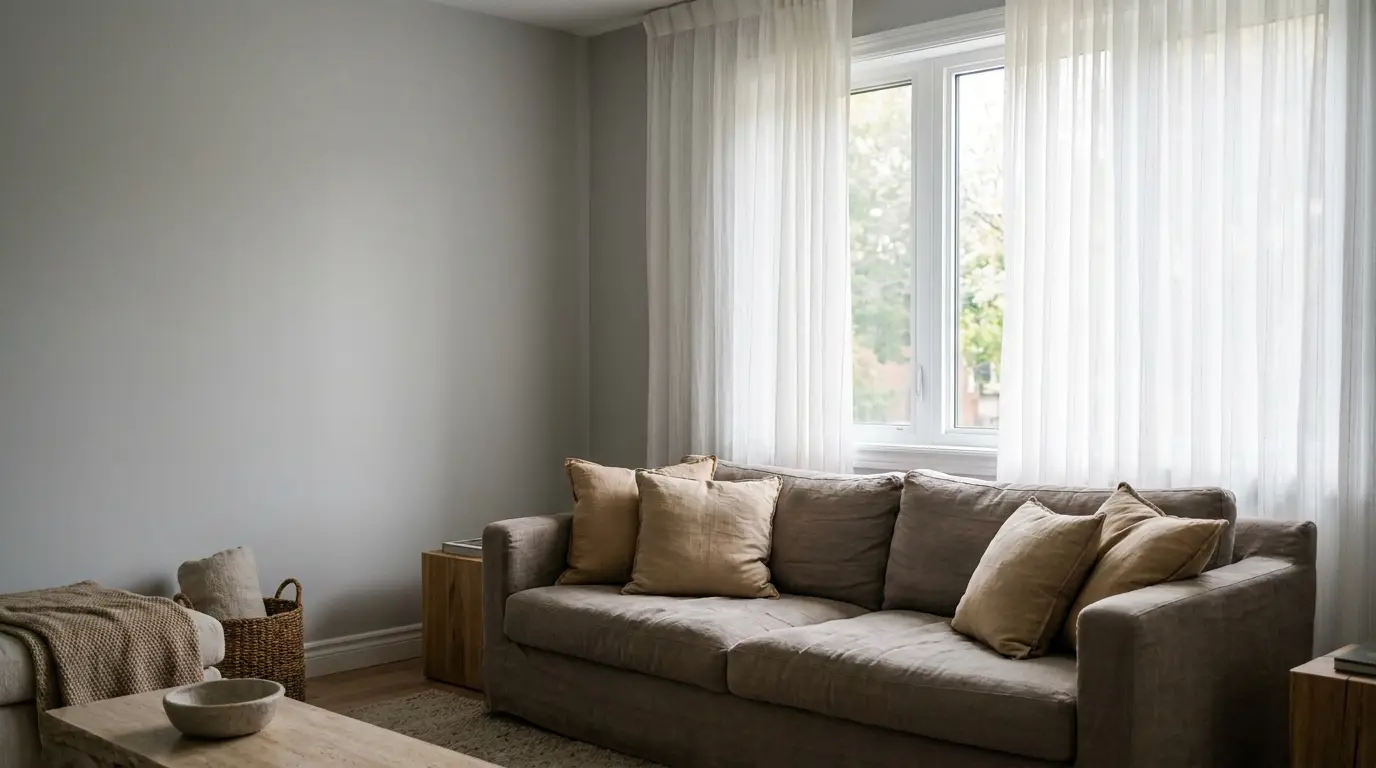
According to design trend research published by Houzz, neutral interior color palettes consistently outperform bold or highly personalized schemes when it comes to both resale value and rental appeal.
Neutral combinations featuring whites, taupes, soft grays, blacks, and warm beige tones create brighter, more adaptable environments that appeal to broader tenant demographics.
These palettes offer several practical benefits:
- Increased perceived room size
- Enhanced natural light reflection
- Greater flexibility for tenant personalization
- Longer-lasting design relevance
Timeless color schemes also reduce the need for frequent repainting between tenants and help properties maintain a more premium presentation over time.
Designing Functional Spaces for Modern Residents
Today’s renters expect far more from their living environments than previous generations.
Remote work, hybrid lifestyles, wellness priorities, and entertainment-focused living patterns have fundamentally reshaped residential expectations. Modern tenants increasingly prioritize functionality alongside aesthetics.
Dedicated Workspace Areas
Remote work has permanently changed residential design priorities.
Properties featuring dedicated office space, flexible workstations, or built-in desk areas consistently outperform comparable units lacking functional workspace accommodations.
Even modestly sized work areas significantly improve perceived livability and rental competitiveness.
Built-In Storage and Organization
Walk-in closets, kitchen pantries, mudrooms, and integrated laundry facilities are no longer viewed as luxury upgrades — they are baseline expectations for many renters.
Thoughtfully integrated storage systems improve day-to-day usability while reducing clutter and protecting interior finishes from damage caused by oversized furniture or temporary storage solutions.
From an operational perspective, well-designed organizational systems also contribute to stronger tenant satisfaction and longer lease retention.
Outdoor Living as an Extension of Interior Space
One of the most effective ways to increase perceived square footage is to extend living experiences outdoors.
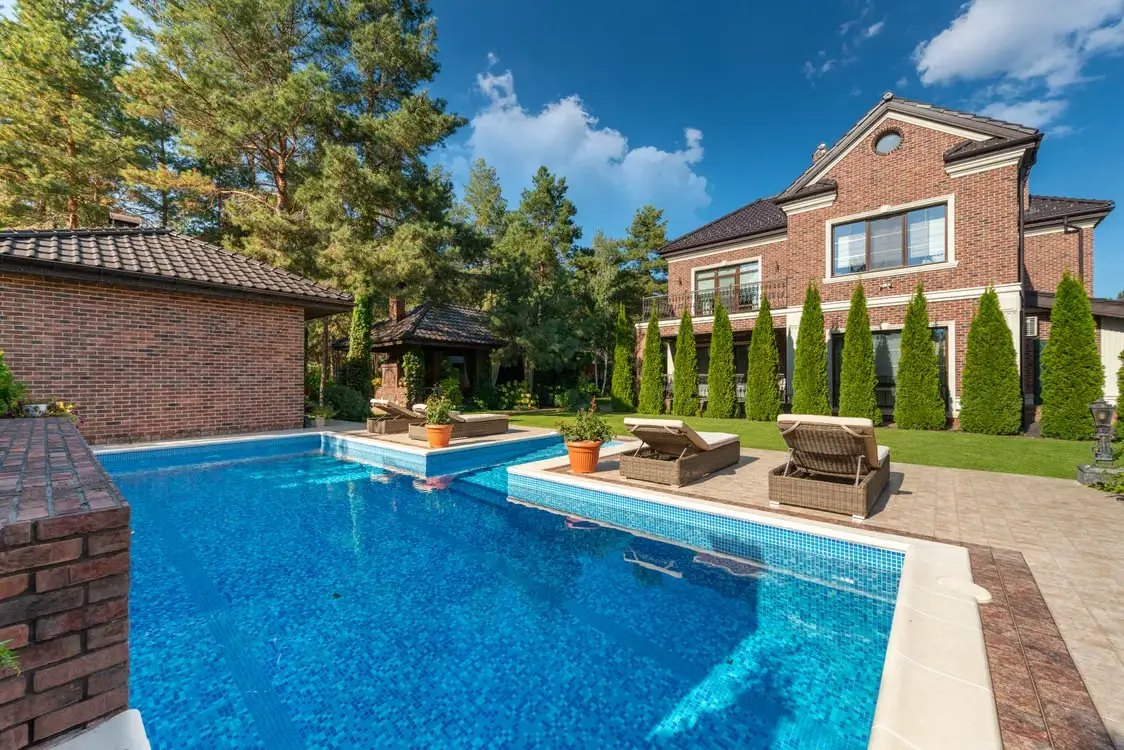
Covered patios, outdoor kitchens, dining areas, fire features, and landscaped gathering spaces significantly increase experiential value while improving architectural presentation.
In warmer climates such as Houston, outdoor living environments have become especially important because they support year-round usability and enhance lifestyle-oriented leasing appeal.
Operational Infrastructure Determines Long-Term Success
Even the most beautifully designed investment property can quickly underperform if operational systems are neglected.
Vacancies resulting from ineffective marketing, deferred maintenance issues, or poor tenant communication can rapidly erode financial returns. Similarly, undiagnosed plumbing leaks, HVAC failures, or neglected structural concerns can transform otherwise strong investments into operational liabilities.
Just as successful architecture requires integrated design planning, successful real estate investing requires organized operational infrastructure.
Increasingly, sophisticated investors are partnering with professional management firms that combine technology-driven systems with proactive asset preservation strategies.
A Houston based property management firm Denova Living utilizes models focused on preserving both the physical condition and long-term performance of residential assets through predictive maintenance systems and proactive operational oversight.
This integrated approach allows investors to create a sustainable performance cycle that strengthens both profitability and tenant experience.
The Self-Sustaining Value Loop of Intelligent Real Estate Design
When thoughtful architectural design is paired with institutional-quality management systems, investment properties begin generating compounding operational advantages.
Reduced Turnover Costs
Durable materials and intentional design decisions reduce the frequency and cost of repairs between tenant turnovers.
Higher Resident Quality
Properties featuring premium finishes and elevated design standards tend to attract residents who place greater value on the living environment and often maintain the property more responsibly.
Truly Passive Ownership Experience
Modern owner portals, automated reporting systems, and technology-driven management platforms allow investors to monitor portfolio performance in real time without becoming consumed by day-to-day operational responsibilities.
Designing Real Estate That Performs
The strongest investment properties are not simply attractive — they are strategically designed to balance aesthetics, durability, resident experience, and operational efficiency simultaneously.
As residential markets become increasingly competitive, investors who prioritize timeless architecture, functional design, durable materials, and sophisticated management systems position themselves to generate stronger long-term returns while reducing operational friction.
Ultimately, the perfect investment property is not defined solely by appearance.
It is defined by how effectively design and infrastructure work together to preserve value, attract quality residents, and create sustainable long-term financial performance.