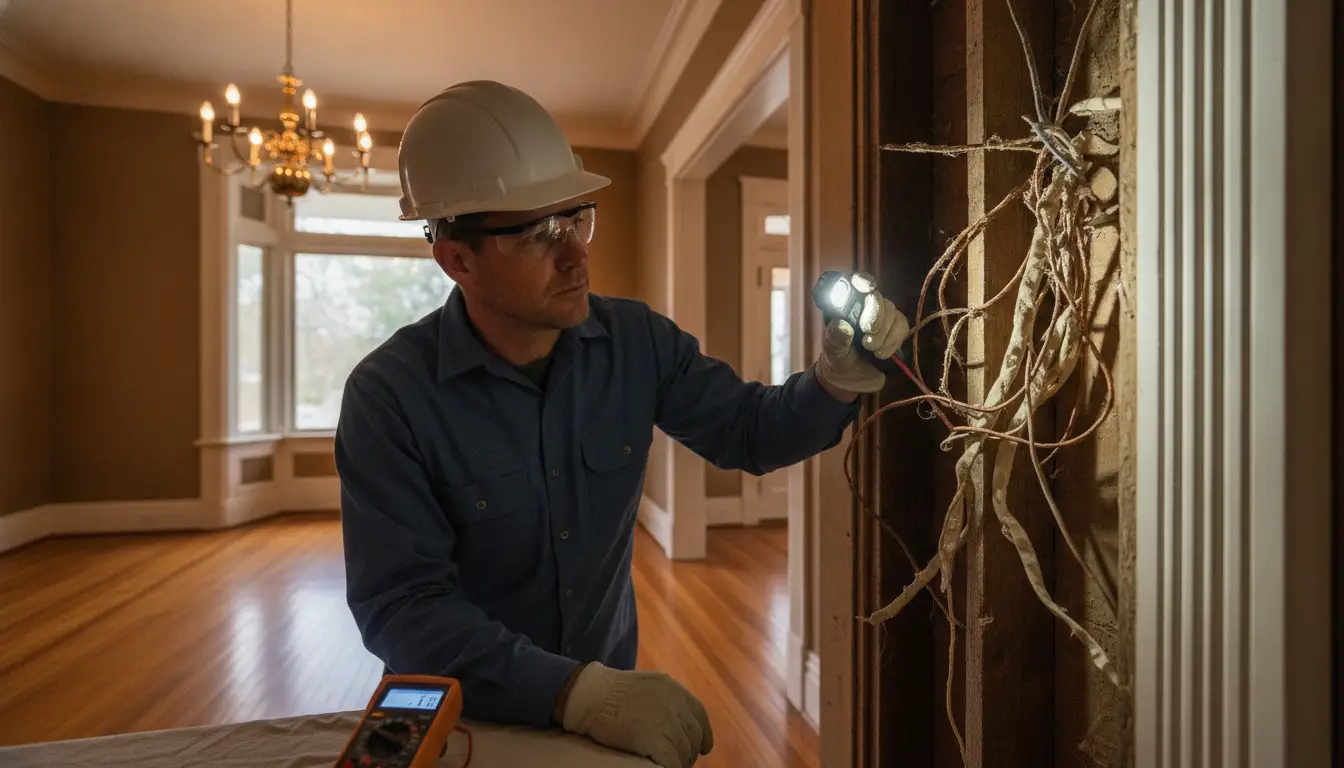
Why Older Homes in Fort Mill Need Electrical Upgrades
Older homes have character that new builds rarely match. They also have wiring built for a different era. A house wired in the 1960s was never meant to run a modern kitchen, a home office, and two car chargers. If you own an older home in Fort Mill, your electrical system may need attention before it becomes a hazard. Here is what to watch for and why it matters.
Old Panels Cannot Handle Modern Demand
Homes built decades ago often have 60 or 100 amp service. Today’s homes draw far more. Central air, electric ranges, EV chargers, and home offices push old panels past their limit. An overloaded panel trips often, runs warm, and wears out faster. An electrical panel upgrade to 200 amp service gives your home the capacity it needs, with room to add more later.
Some Old Panels Are Known Fire Risks
A few panel brands from the mid 1900s are now known hazards. Federal Pacific and Zinsco panels can fail to trip during a fault, which lets a circuit overheat. If your home still has one, replacing it is a safety priority. An electrician can identify the brand and tell you whether it needs to go.
Outdated Wiring Raises Real Risks
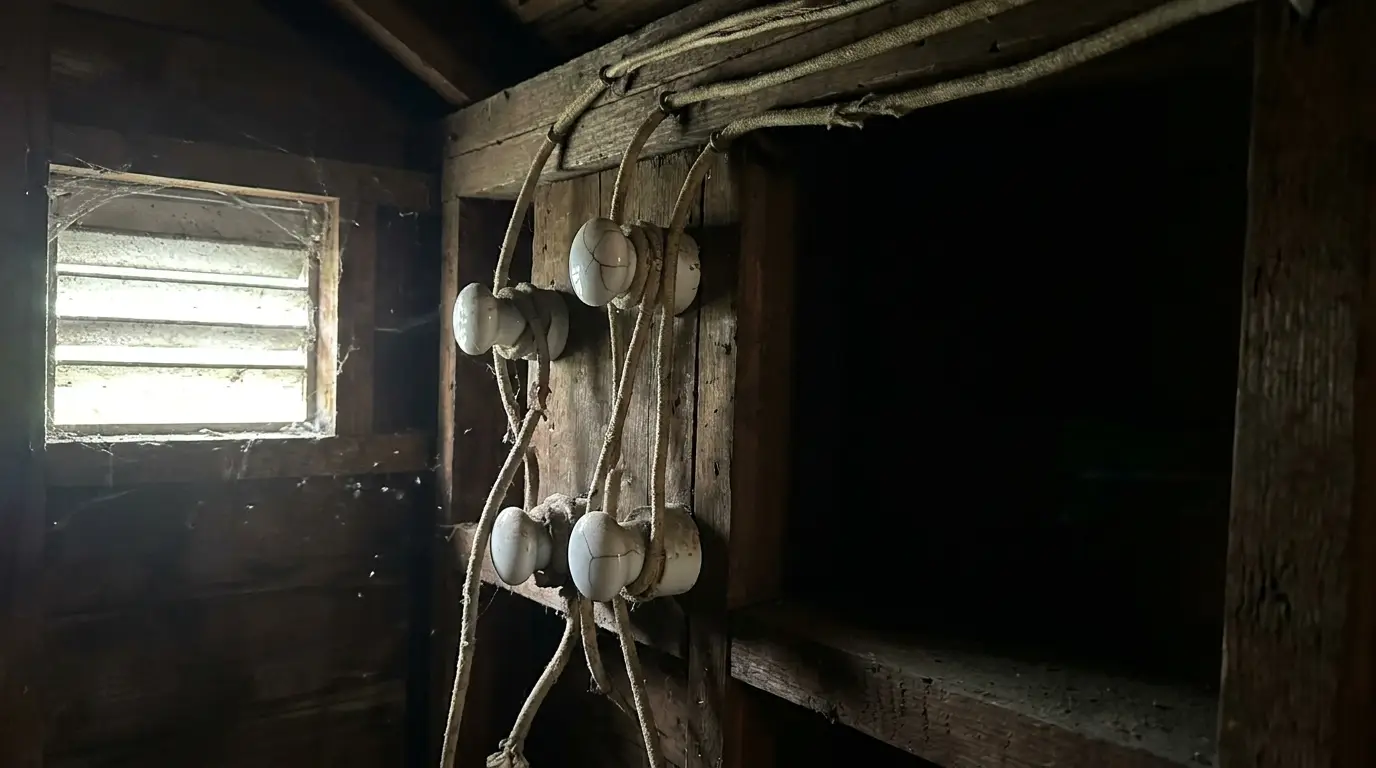
Panels are only part of the picture. Older homes may still have knob-and-tube or aluminum wiring. Knob-and-tube has no ground wire, which modern devices need. Aluminum wiring can loosen and overheat at connections. Both can raise your insurance costs or make coverage hard to get. An electrician can inspect your wiring and flag what needs replacing.
Upgrades Protect Safety and Value
Electrical failures rank among the top causes of house fires in the US, so safe wiring protects your family first. It also protects your investment. Buyers and inspectors look closely at the electrical system, and an old panel can stall a sale. Modern service also supports the features buyers expect, from smart devices to EV charging.
Watch for these signs in an older home:
- A fuse box, or a panel under 150 amps
- Breakers that trip when you run several appliances
- Two-prong outlets with no ground
- Warm or discolored outlets and switch plates
- A Federal Pacific or Zinsco label on the panel
Plan the Work With a Licensed Electrician
Start with an inspection. A licensed electrician can assess your panel, your wiring, and your load, then give you a written plan and a quote. A panel upgrade often runs from about 1,500 to 4,000 dollars, depending on the work and the access. That cost buys safety, added capacity, and lower risk in a home you plan to keep.
Old homes are worth preserving. Updating the electrical system lets you enjoy the character without the hazard. Book an inspection and address the issues before they turn into emergencies.