Why Fabric Paint Peels Off and How to Stop Peeling
Fabric painting has always been one of my favorite ways to personalize clothes, bags, or home items. But nothing feels worse than seeing a design peel or fade, especially if you don’t know the right ways to set fabric paint for washing.
If you’ve wondered why fabric paint peels off and how to stop peeling, it usually comes down to prep, technique, and care.
In this blog, I’ll share the main causes of peeling, step-by-step ways to prevent it, product recommendations, and aftercare tips so your designs stay flexible, vibrant, and long-lasting.
Are you ready to make sure your fabric art lasts?
What Makes Fabric Paint Peel Off
Fabric paint often peels when the proper steps aren’t followed. Here are the main reasons this happens:
- Poor surface prep: Dirt, oils, or detergent residue prevent the paint from sticking.
- Wrong paint or no medium: Acrylic paint alone dries stiff and cracks; mixing with a fabric medium keeps it flexible. Many beginners struggle with the differences between acrylic and fabric paint, which is why designs don’t always hold up.
- Skipping heat-setting: Without ironing or pressing, paint only sits on the surface instead of bonding to the fibers.
- Moisture issues: Painting on damp fabric or washing too soon prevents curing and weakens adhesion.
- Thick paint layers: Heavy coats dry unevenly and crack when the fabric bends.
- Fabric type: Cotton absorbs paint well, but slick synthetics like polyester or nylon resist adhesion.
These small oversights can undo hours of creative work, even when you’ve used high-quality paint.
How to Stop Fabric Paint From Peeling
Learn how to stop fabric paint from peeling with simple prep, proper paint choice, sealing, heat-setting, and aftercare tips.
1. Prep the Fabric for Better Paint Adhesion

Before painting, always wash and dry your fabric to remove dirt, oils, or detergent residue that blocks adhesion. Skip fabric softeners since they leave behind a coating that interferes with paint bonding.
Once dry, iron the fabric flat so the paint goes on evenly. Proper prep ensures the paint sinks into fibers, preventing cracks and peeling later on.
2. Choose the Right Fabric Paint or Add Medium

Fabric paints are designed to stay flexible, even after multiple washes. If you prefer acrylics, never use them alone because they dry stiff and crack easily.
Always mix acrylics with a fabric medium, which allows the paint to move with the fabric. This combination creates strong, long-lasting designs that hold up during daily use and repeated washing.
3. Use a Fabric Medium or Sealer for Durability

A fabric medium is essential when using acrylic paints, as it bonds the paint to fibers and improves flexibility. If your design is already painted, applying a clear sealer adds an extra layer of protection against moisture and friction.
Sealers also keep colors brighter for longer. Both mediums and sealers extend the life of painted designs while reducing the risk of peeling.
4. Heat-Set the Fabric Paint Correctly After Drying

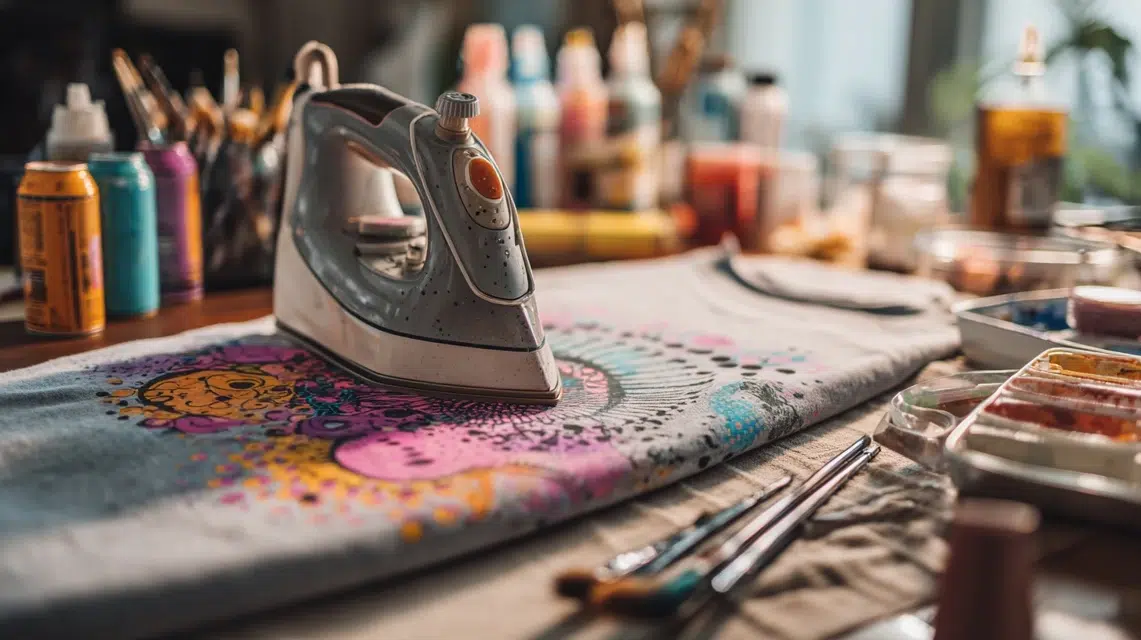
Paint must cure before it bonds fully with fabric fibers. Wait at least 24 hours before heat-setting to avoid damage. Then, iron the reverse side of the fabric on low to medium heat, or place a cloth barrier over the design.
A heat press works even better for professional results. Heat-setting locks the paint into place and prevents peeling during washing.
How to Fix Fabric Paint That’s Already Peeling
If peeling has started, you can often repair it:
Light peeling: Reheat with an iron or heat press, or brush on a thin layer of fabric medium.
Heavy peeling: Scrape away loose paint, clean the fabric, and repaint in thin coats with proper heat-setting.
Touch-ups vs. starting over: Small flakes can be repaired, but if the design is cracking everywhere, repainting is usually the better option.
Care Guide After Painting
Follow this simple care guide after painting to protect fabric designs, prevent peeling, and keep colors vibrant through washing and storage.
Washing Painted Fabrics Without Damaging the Design
Wait at least 72 hours before washing painted fabrics to let the paint cure. Always turn items inside out, choose a gentle cycle with cold water, and use mild detergent.
Avoid bleach or harsh cleaners since they can weaken paint, strip color, and cause peeling to occur much faster.
Drying and Storing Painted Fabrics Correctly
Air drying is best for preserving painted designs since dryers can crack paint with heat and friction. Lay items flat or hang them in a shaded area.
For storage, keep fabrics in a cool, dry place away from direct sunlight to prevent fading, moisture buildup, or peeling over time.
Ironing Painted Fabrics Safely Without Causing Peeling
Never place a hot iron directly on fabric paint, as it can scorch or crack the design. Instead, turn the item inside out or cover the painted area with a pressing cloth.
Use a low to medium heat setting to smooth wrinkles while keeping your design safe and flexible.
Recommended Products for Fabric Painting
Not all paints and supplies perform the same. Choosing the right ones from the start saves you from peeling later.
- Best Fabric Paints: Tulip Soft Matte and Jacquard Textile Colors stay flexible and vibrant after washing.
- Fabric Mediums: Liquitex Fabric Medium mixes smoothly with acrylics and keeps designs soft.
- Fabric Sealers: Aleene’s Fabric Sealer Spray adds a protective coat to extend durability.
Testing these on scrap fabric before your main project helps you see how they react to washing and wear.
Mistakes to Avoid When Painting Fabric Designs
Avoiding simple mistakes can make the difference between long-lasting designs and peeling results that fade or crack after washing.
- Painting on damp or unwashed fabric.
- Using cheap craft paints without a fabric medium.
- Skipping the heat-setting step.
- Applying thick layers instead of thin, even coats.
- Washing too soon after painting.
Conclusion
Peeling fabric paint often happens when small but important steps are skipped. By prepping fabric correctly, choosing the right products, heat-setting, and following simple care routines, your designs can last for years.
Now that you know why fabric paint peels off and how to stop peeling, you can protect your projects from fading or cracking. Every piece you paint is a chance to improve your technique and create something that lasts.
If you’re ready to keep learning and growing your skills, check out my other blogs for more fabric painting tips, product advice, and DIY project ideas.