Acrylic vs. Fabric Paint: What’s the Real Difference
Painting on fabric can be exciting, but choosing the right paint often feels confusing. If you’ve ever held both acrylic and fabric paint, you’ve likely wondered which one truly works best for your project.
Acrylic vs fabric paint isn’t just about color; it’s about how the finish feels, how long it lasts, and whether your design can survive washing.
In this guide, I’ll show you the real difference, when to use each, and how to avoid mistakes that could ruin your work.
By the end, you’ll know exactly which paint belongs on your canvas and which belongs on your favorite T-shirt. So, ready to find out which one gives you the result you need?
Quick Answer: Key Difference
The main difference is that fabric paint is made with a textile medium, keeping it flexible and washable. Regular acrylic paint is rigid, making it better for non-flexible surfaces.
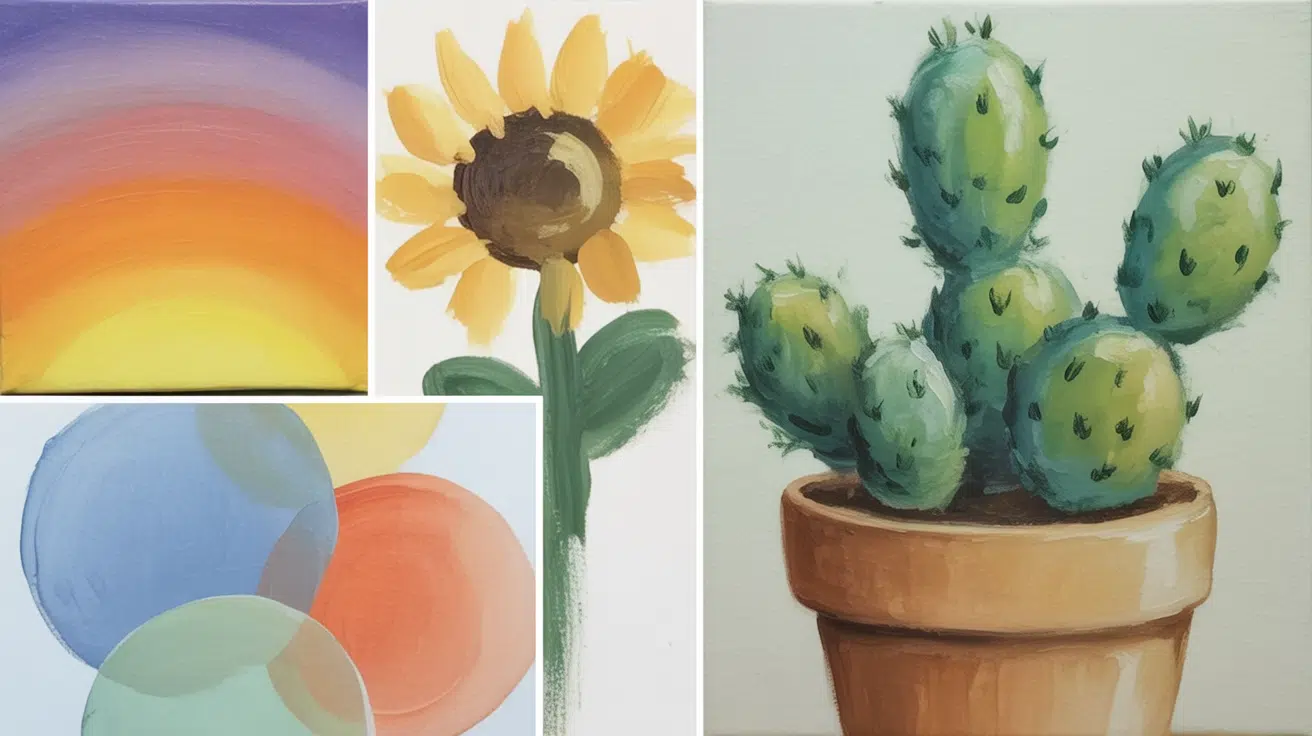
Use fabric paint for clothes and textiles, and acrylic for canvas, wood, and other hard bases.
| Paint Type | Key Feature | Best Use Case | Durability of Fabric |
|---|---|---|---|
| Fabric Paint | Flexible, washable, soft finish | Clothing, cushions, tote bags | High |
| Acrylic Paint | Thick, rigid cracks without a medium | Canvas, wood, ceramics | Low |
Understanding Both Paint Types
Acrylic and fabric paints look similar, but their formulas and results on fabric make them very different.
What is Fabric Paint?

Fabric paint is made from an acrylic polymer blended with a textile medium, which helps the paint bond firmly with fabric fibers.
Once applied and dried, it stays soft to the touch and bends naturally without cracking when the fabric moves.
It’s built to handle washing, sunlight, and regular use, though issues like why fabric paint cracks or peels can still happen if applied incorrectly. This paint works especially well on T-shirts, tote bags, cushions, and other fabric surfaces that require flexibility and comfort.
What is Acrylic Paint?

Acrylic paint is made from a standard acrylic polymer and doesn’t include any textile additives. It dries into a thick, rigid layer, which works great on hard surfaces but not on flexible ones.
When used on fabric, it can crack, peel, or stiffen after washing or stretching. Because of this, it’s better suited for painting on canvas, ceramics, wood, or other decorative surfaces where flexibility and washability aren’t a concern.
Side-by-Side Comparison
Here’s how the two paints match up across important factors.
| Feature | Fabric Paint | Acrylic Paint |
|---|---|---|
| Composition | Acrylic + textile medium | Standard acrylic polymer |
| Texture/Flexibility | Soft, bends with fabric | Rigid, stiff on fabric |
| Durability/Washability | Washable, heat-set for long life | Cracks or peels when the fabric stretches |
| Best Uses | Clothing, bags, washable textiles | Canvas, wood, ceramics, hard surfaces |
Can You Use Acrylic Paint on Fabric?
Yes, you can apply acrylic paint directly to fabric, but it won’t feel comfortable or last long.
Without a textile medium, the paint stiffens, cracks, and may peel after washing. To prevent this, mix in a textile medium or use a homemade version to keep the finish soft.
Acrylic is suitable for quick decorative pieces that won’t be worn or washed often, such as banners or wall hangings. For clothes and washable fabric, stick to fabric paint or modified acrylic mixtures.
How to Turn Acrylic Paint Into Fabric Paint
You can make acrylic paint fabric-friendly by mixing a textile medium or a homemade solution and then heat-setting the design.
Using a Textile Medium

- Mix 1 part medium with 2 parts acrylic paint.
- Apply evenly to fabric.
- Allow to dry fully.
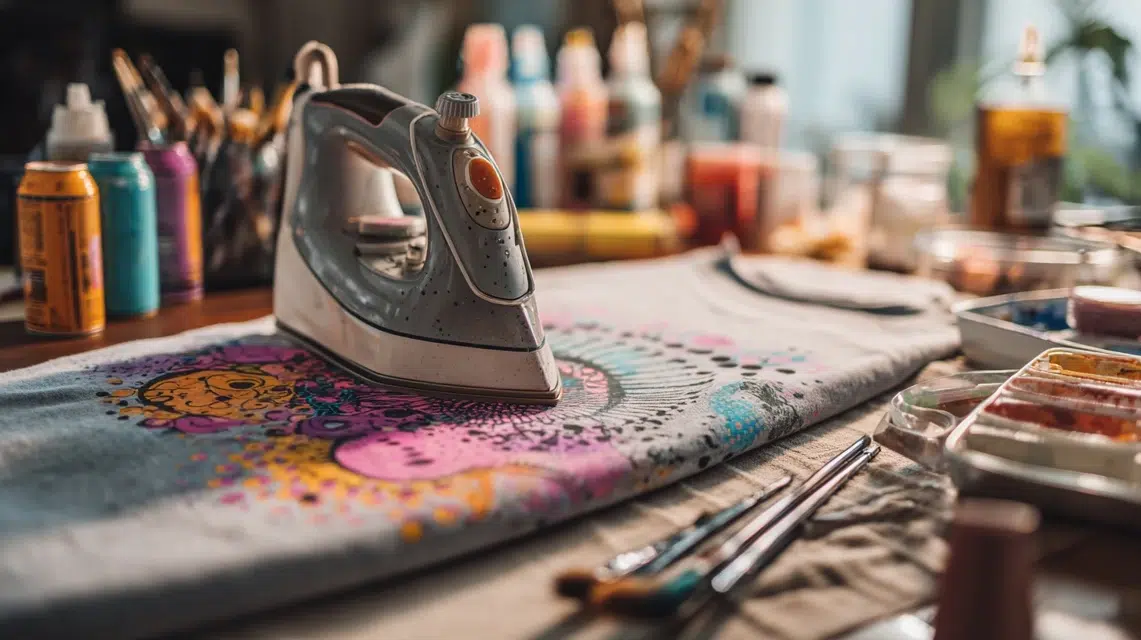
- Heat-set with an iron or dryer.
Homemade Option for Fabric Paint

A homemade medium can make acrylic paint fabric-friendly, though results vary, and durability may not match store-bought options.
- Mix equal parts vinegar, glycerin, and water.
- Stir until blended.
- Combine with acrylic paint.
- Test the main fabric before applying it.
Heat-Setting Tips
Heat-setting locks the paint into fabric fibers, keeping it flexible, washable, and long-lasting. Use safe methods for best results.
- Iron on medium heat with pressing cloth.
- Place the painted fabric in a dryer for 30 minutes.
- Avoid steam, as it weakens bonding.
Common Mistakes to Avoid
Skipping steps or using the wrong mix can lead to poor results, stiff fabric, or designs that don’t last.
- Skipping Heat-Setting: Paint cracks or washes away after the first wash.
- Wrong Ratio of Medium to Paint: Too much medium fades colors, too little makes the fabric stiff.
- Applying Paint Too Thickly Creates uneven surfaces, peeling, and cracking with wear.
How Long Do They Last?
Fabric paint lasts through many washes when heat-set, keeping colors vibrant and soft. Acrylic paint without a medium often fails after a single wash, cracking or peeling from the fabric. E
ven when mixed with medium, the results are less durable than fabric paint. Care also matters; gentle washing, air drying, and proper prep help extend the life of painted designs on fabric projects.
Choosing the Right Paint for Your Project
Your choice depends on what you’re painting. For clothing and washable items, fabric paint is the clear winner. Tote bags can use fabric paint or acrylic with a medium for budget-friendly projects.
Acrylic shines on canvas, wood, or ceramics, where flexibility isn’t needed. Shoes and upholstery last longer with flexible fabric paint. Always test on a small fabric swatch before painting your main item.
Final Thoughts
The primary difference between acrylic and fabric paint lies in their flexibility and durability. Fabric paint gives you soft, washable designs, while acrylic paint works better on hard surfaces.
Now you know when each type fits your project and how to avoid mistakes that ruin results. Before painting your favorite shirt or tote bag, test a swatch first. That one small step can save time and effort.
If you found this guide useful, consider exploring my other painting tips to further enhance your craft.