
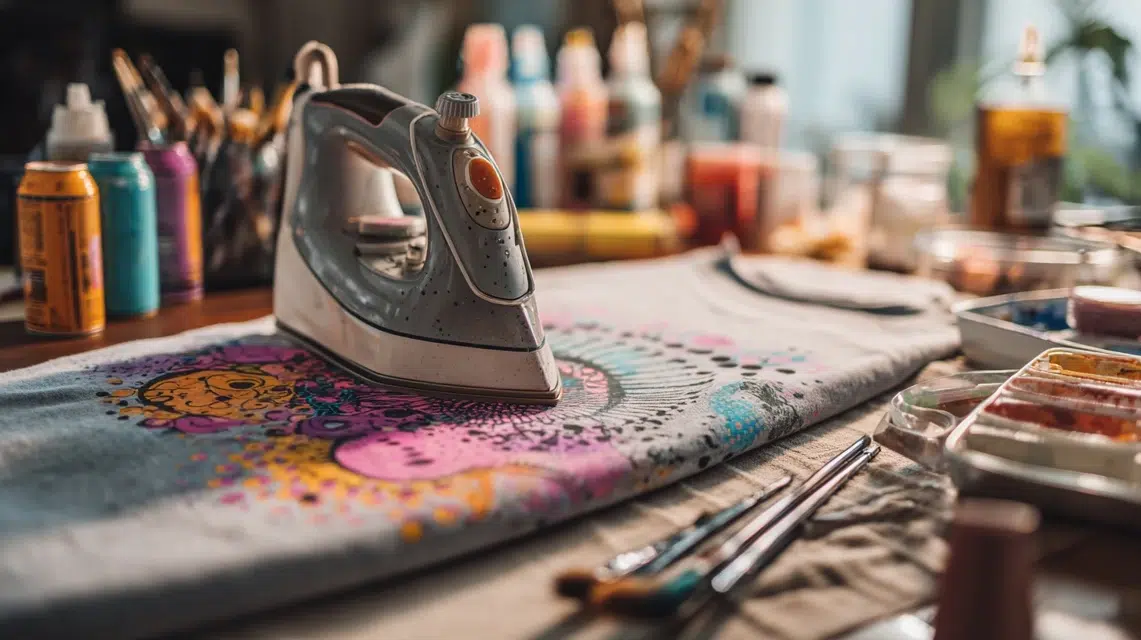
How to Set Fabric Paint So Color Survives Washing at Home
Keeping your fabric designs bright after washing can feel tricky. Many people see their colors fade, peel, or crack because they skip one key step, setting the paint.
The good news is that setting paint isn’t complicated when you know the right methods. In this blog, I’ll show you how to set fabric paint so the color survives washing at home.
You’ll see what fabrics work best, the proper way to heat set, mistakes to avoid, and care tips for lasting results.
With a few easy steps, your painted projects can stay soft, flexible, and washable for years. Ready to make your designs permanent?
Why Setting Fabric Paint Matters
Fabric paint often fades or washes away if not properly set. Heat helps bond the pigments into fabric fibers, making the colors permanent.
Sealing adds extra protection, ensuring designs stay bright and flexible. Without this step, your work may peel, crack, or lose vibrancy after only a few washes, often caused by common reasons fabric paint peels off that you can easily prevent.
Setting fabric paint is the difference between a temporary project and a long-lasting piece of art.
Preparing Your Fabric Before Painting
Preparation is key for lasting results. Always pre-wash fabric to remove oils, dirt, or chemicals that block adhesion. Choose natural fibers like cotton, canvas, or denim for the best results.
Polyester and synthetics require special care or sealants. Place cardboard or plastic sheets between fabric layers to prevent bleed-through.
Smooth out wrinkles before painting. These small steps give the paint a clean, stable surface to bond with, improving durability and finish.
Choosing the Right Paint and Medium
The type of paint you use matters. Fabric paint is designed to flex with fabric and resist washing. Acrylic paint works too if mixed with a fabric medium, which adds softness and flexibility.
For delicate or synthetic fabrics, consider finishing with a fabric sealant spray. These options protect colors, reduce cracking, and extend life.
Selecting the right paint and medium upfront saves time and prevents frustration later when you wash your painted designs.
Best Ways to Set Fabric Paint
Learn reliable methods like ironing, oven heating, or sealants to keep fabric paint vibrant, flexible, and washable.
Drying the Paint
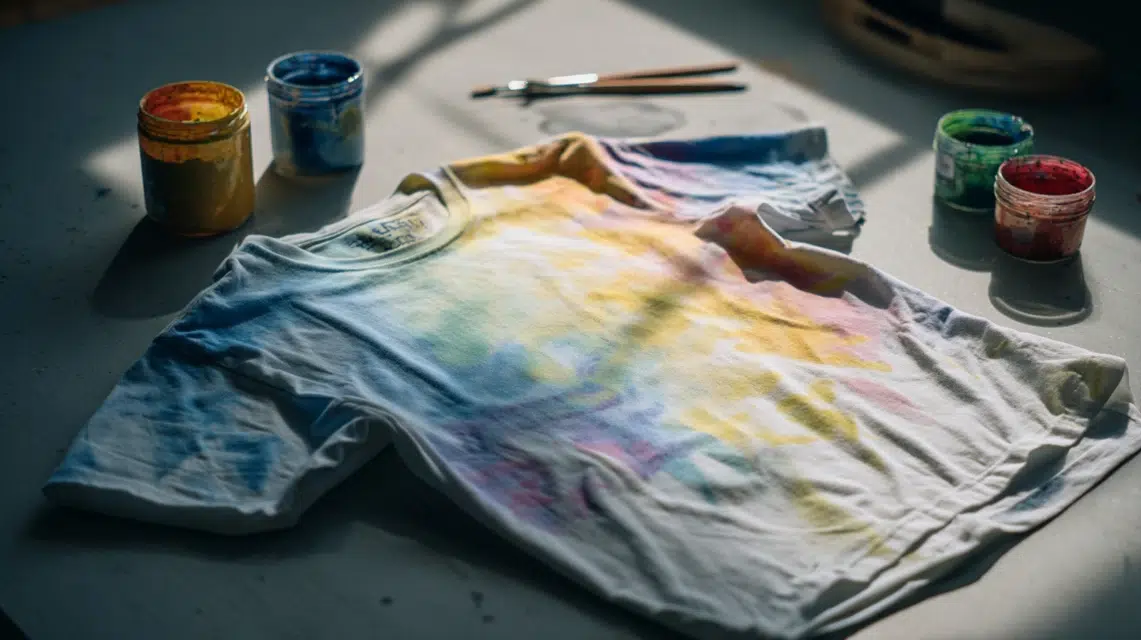
Air dry your fabric paint for at least 24 hours before setting. Keep the item flat and wrinkle-free so the paint bonds evenly. Rushing this step can cause smudging or weak adhesion, which shortens the life of your design.
Heat-Setting with an Iron
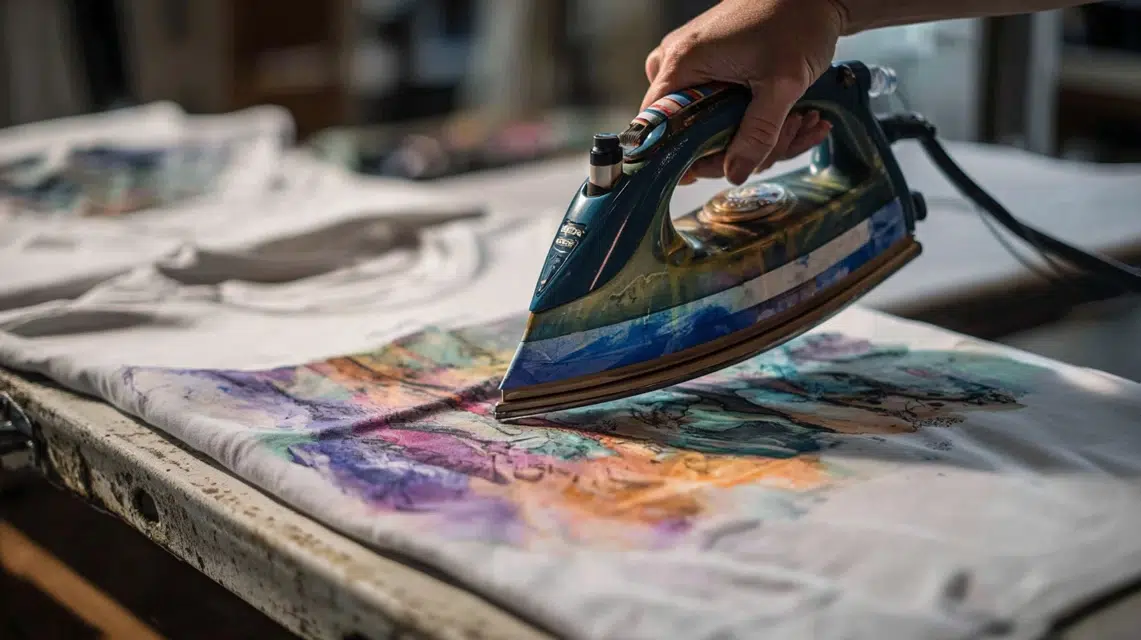
Cover the painted area with baking paper or a thin cotton cloth. Set your iron to medium–high, no steam. Move continuously across the fabric for 3–5 minutes. Never press directly on the paint to avoid burning or damage.
Alternative Methods: Comparison of Techniques

Before the table, note: Different methods suit different fabrics. Here’s how they compare:
| Method | Best For | Pros | Cons |
|---|---|---|---|
| Iron | Cotton, canvas | Reliable, easy, accessible | Time-consuming for large areas |
| Oven | Flat fabrics, natural | Even heat, hands-free setting | Not safe for synthetics |
| Hair dryer/heat gun | Small projects | Quick, portable | Less durable bond |
| Fabric medium | Use with acrylic paint | Washable, flexible, soft finish | Requires a mixing step |
| Sealant sprays | Synthetic fabrics | Extra protection, simple application | May stiffen the fabric slightly |
Resting Period

Once heated, let the fabric rest. Wait at least 3–7 days before washing. For extra safety, some recommend up to 14 days. This allows the paint to fully cure and lock into the fabric fibers.
Washing and Caring for Painted Fabric
Proper care keeps your designs bright. Always turn clothes inside out before washing to reduce friction. Use cold water, a gentle cycle, and mild detergent.
Avoid bleach, as it damages paint. Line dry garments when possible, or tumble dry on low heat. Following these steps prevents fading, peeling, or cracking and keeps your painted fabric looking new for far longer.
Mistakes to Avoid
Before the points, note: Small errors can ruin your design. Avoid these:
- Washing too soon before heat setting and curing
- Skipping pre-wash, leaving oils and chemicals that block adhesion
- Using the wrong iron setting, which scorches or fails to bond paint
- Applying paint too thickly, which leads to cracking after washing
Fabric-Specific Guidance
Different fabrics react differently to paint. Cotton absorbs paint easily and is the simplest to set. Canvas is tough and requires firm, even heat pressing.
Denim works well but benefits from extra resting time. Polyester and other synthetics resist paint, so use a fabric medium or sealant to improve durability.
Matching your method to the fabric ensures the best possible outcome.
Long-Term Durability Tips
Before the points, note: Proper care extends paint life.
- Fabric paint can survive 20–50+ washes with the correct setting and care
- Touch up faded areas with thin paint layers and re-set with heat
- Store garments away from direct sunlight to prevent fading over time
Product Recommendations
Choosing quality products helps your designs last. Top-rated fabric paints include Tulip, Jacquard, and Arteza, known for bright colors and wash resistance. If using acrylics, pair them with a reliable fabric medium to maintain flexibility.
Sealant sprays work well for synthetics or delicate projects, offering an extra shield against water and wear. With the right products, your artwork becomes durable and vibrant through many washes.
Conclusion
Now you know how to set fabric paint so the color survives washing at home. The right preparation, heat setting, and gentle care all play a big role in keeping your designs vibrant.
If you follow the timelines, avoid the common mistakes, and use the right products, your artwork can handle dozens of washes without fading. I hope you feel confident to try these steps on your own projects.
Keep practicing, test different methods, and see what works best for your fabric. For more simple tips on painting, crafting, and DIY ideas, check out my other blogs; you’ll always find something useful.


