What Is a Chalet? Design, Origins & Why They Last
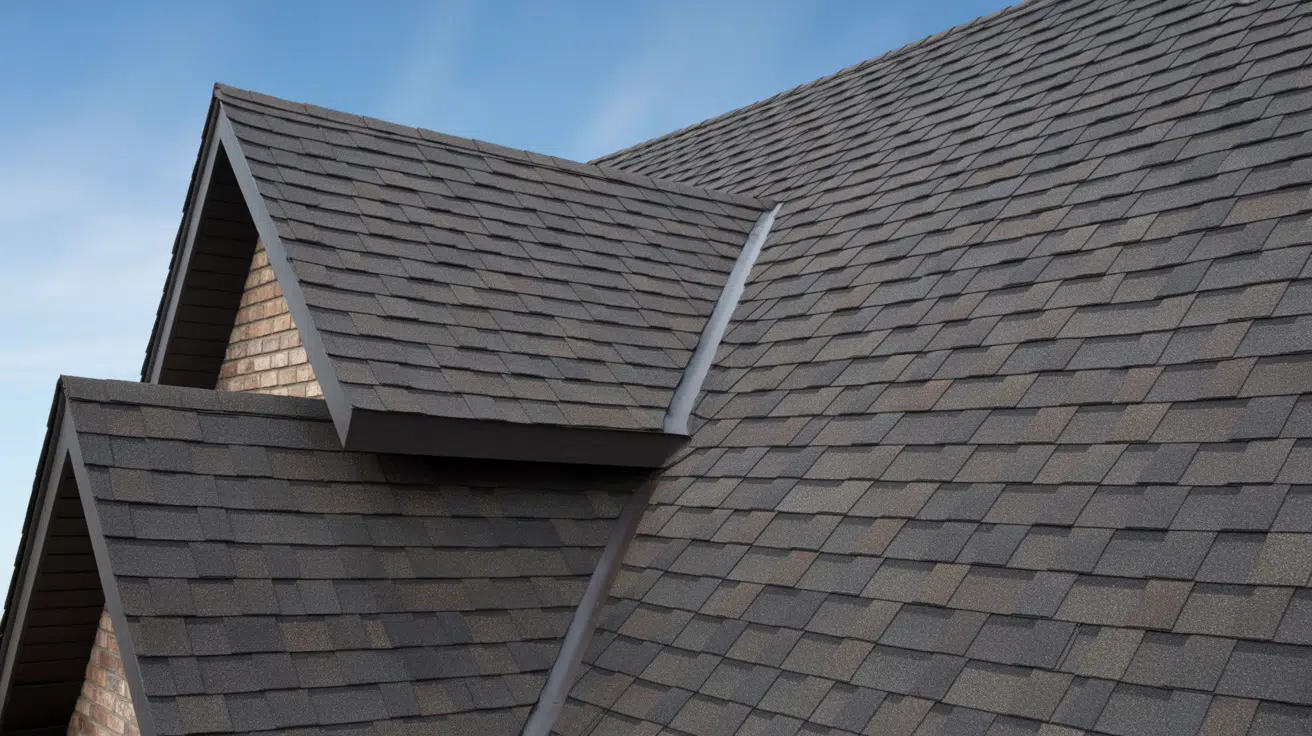
Strip away the snow, the mountains, and the postcard views, and every chalet still comes back to one thing: a roof built to fight the weather.
What is a chalet exactly? It’s a mountain home style built for warmth, comfort, and a strong connection to nature.
From steep roofs that shed snow to wide balconies made for scenic views, every detail has a purpose. Chalets aren’t just charming to look at. They’re practical, adaptable, and now popular well beyond the Alps.
From their alpine roots to their place in today’s rental market, that’s the story of what makes a chalet a chalet.
What Is a Chalet?
A chalet is an Alpine-style house or cabin, typically made of wood, marked by a gently sloping roof and wide overhanging eaves.
It began as a herdsman’s hut in the Swiss mountains before becoming known as a cozy holiday lodge for vacationers.
It’s commonly found in high-altitude, scenic areas, especially in Switzerland, where the design responds directly to climate and terrain.
The style is often tied to leisure and vacation use rather than everyday housing, setting it apart from standard homes.
The design focuses on comfort in colder conditions while staying visually connected to nature, and it’s now common in resort towns and rental markets.
Origin and History of Chalets
The chalet’s story starts in the Swiss Alps, where it served as a seasonal farmhouse for herders tending livestock in mountain pastures.
That original purpose shifted over time. By the 19th century, the chalet had become a cultural symbol, closely tied to the alpine way of life.
What changed along the way:
- Farmhouses gave way to homes valued for rustic charm and comfort
- The name spread beyond Switzerland to ski and mountain resort areas worldwide
- The structure kept its wooden, sloped-roof identity even as its purpose changed
The chalet’s ability to hold on to that identity while adapting to new settings and uses is what has kept it relevant across centuries.
Chalet vs Cabin vs Lodge

When it comes to mountain getaways, the terms chalet, cabin, and lodge are often tossed around, but each has its own vibe.
A Clear Snapshot:
| Feature | Chalet | Cabin | Lodge |
| Origin | Alpine Roots in Switzerland | Forest or Rural Retreats | Commercial or Ski Resort Settings |
| Material | Mostly Wood, Often Crafted for Style | Wood or Logs, Rustic | Wood and Stone Mix, Built for Durability |
| Roof | Steep, Overhanging to Handle Snow | Simple, Sloped | Varies by Design and Size |
| Purpose | Relaxation, Vacation Stays | Shelter or Private Retreat | Accommodates Groups or Guests |
| Style | Cozy, Decorative, Picture-Perfect | Simple, Rustic Charm | Functional and Spacious |
Notice the Differences? Chalets focus on charm and comfort, cabins lean toward simplicity and seclusion, while lodges aim to host larger groups efficiently.
A Fun Twist: The casual vacation-goer might call any wooden getaway a “cabin,” but true chalet enthusiasts know it’s all in the details like the balconies, steep eaves, and a hint of alpine flair.
Key Features of A Chalet
Chalets are more than just mountain homes; they are designed to blend style, comfort, and practicality. Their features reflect both tradition and the demands of snowy landscapes.
- Roofs with a dramatic slope that let snow slide off effortlessly.
- Extended eaves that shield walls from rain and winter chill.
- Balconies or terraces made of wood are perfect for soaking in mountain views.
- Open, airy interiors centered around a warm fireplace.
- Expansive windows that flood rooms with natural light and connect indoors to the outdoors.
Together, these features turn a chalet into more than shelter; a home built to work with its surroundings, not against them.
Modern Uses of Chalets

Chalets have moved well beyond their roots as mountain homes, now serving as flexible spaces built for modern living.
- Ski resorts and mountain hideaways still make up their most familiar setting, offering a scenic base for a getaway.
- Short-term rentals have also grown in popularity, offering travelers a quick escape without sacrificing style or comfort.
- Many chalets now pair rustic charm with contemporary amenities, preserving the traditional look while adding modern conveniences.
That mix of coziness and practical luxury is exactly why chalets remain in demand year-round, not just in winter.
Why Are Chalets Popular?
Chalets have a way of drawing attention, not just for their look but for the experience they offer.
- Nestled in Nature: Surrounded by forests, mountains, or snowy slopes, offering unmatched views.
- Warm and Inviting: Interiors with fireplaces, wooden beams, and open layouts make cold days feel cozy.
- Picture-Perfect Charm: Large windows and balconies create naturally photogenic spaces.
- Flexible Retreats: Suitable for quiet getaways, family gatherings, or festive group stays.
- Seasonal Appeal: Equally enjoyable for winter sports, autumn foliage, or summer hikes.
All these qualities combine to make chalets a top choice for anyone seeking a getaway that balances comfort, style, and connection with nature.
Advantages vs Disadvantages of A Chalet
Before choosing a chalet as a home or vacation stay, it is important to weigh both its benefits and limitations.
While chalets offer comfort, scenic surroundings, and a distinct architectural style, they also entail practical considerations regarding upkeep and climate.
| Advantages | Disadvantages |
| Scenic living in natural, high-altitude surroundings | Higher maintenance due to wood construction and weather exposure |
| Cozy interiors designed for comfort in cold climates | Renovation and repair costs can be higher than those of standard homes |
| Strong connection to outdoor views through large windows and terraces | May come with HOA rules or shared ownership restrictions in resort areas |
| Warm, rustic architectural appeal that blends with nature | Heating can be expensive in colder mountain regions |
| Popular for vacations, rentals, and seasonal stays | Wood is vulnerable to moisture, pests, and long-term wear without upkeep |
Whether a chalet fits your needs comes down to weighing its scenic charm against the upkeep and cost it demands over time.
Its A Wrap
A chalet comes down to a few simple things: wood, a sloped roof, and a setting built around nature and the outdoors.
That mix is exactly why chalets have lasted so long, moving from herder’s huts to some of today’s top vacation stays.
The look shifts a bit depending on where you find one, but the core idea behind a chalet stays the same.
If a mountain getaway is on your list, a chalet is worth considering for your next trip to a scenic destination.
What stands out to you most about chalets: the design, the setting, or something else? Share your thoughts in the comments.
Frequently Asked Questions
What Is a Chateau vs Chalet?
A château is a grand French estate tied to wealth and vineyards, while a chalet is a cozy wooden mountain lodge native to the Swiss Alps.
Is a Chalet Cheaper than a Hotel?
Generally, yes. Ski chalets often cost less per person than hotels, especially for groups, once meals and accommodation are factored in.
What Should You Consider When Choosing a Chalet Roof?
Chalet roofs use wood, metal, or asphalt, with slope and material choice influenced by climate, maintenance, and aesthetics. Proper selection ensures snow shedding, durability, and a safe, visually appealing home.