Which Indoor Plants Love Coffee Grounds?
Struggling to keep your indoor plants healthy even with regular care? Leaves may turn dull, growth slows down, and the soil can lose its quality.
Used coffee residue can help improve soil and support steady plant development. It adds nutrients and improves soil texture over time.
But not every plant reacts the same way. Incorrect use can cause issues. Here, you’ll learn which indoor plants respond well and how to use them the right way.
Are Coffee Grounds Good for Indoor Plants?
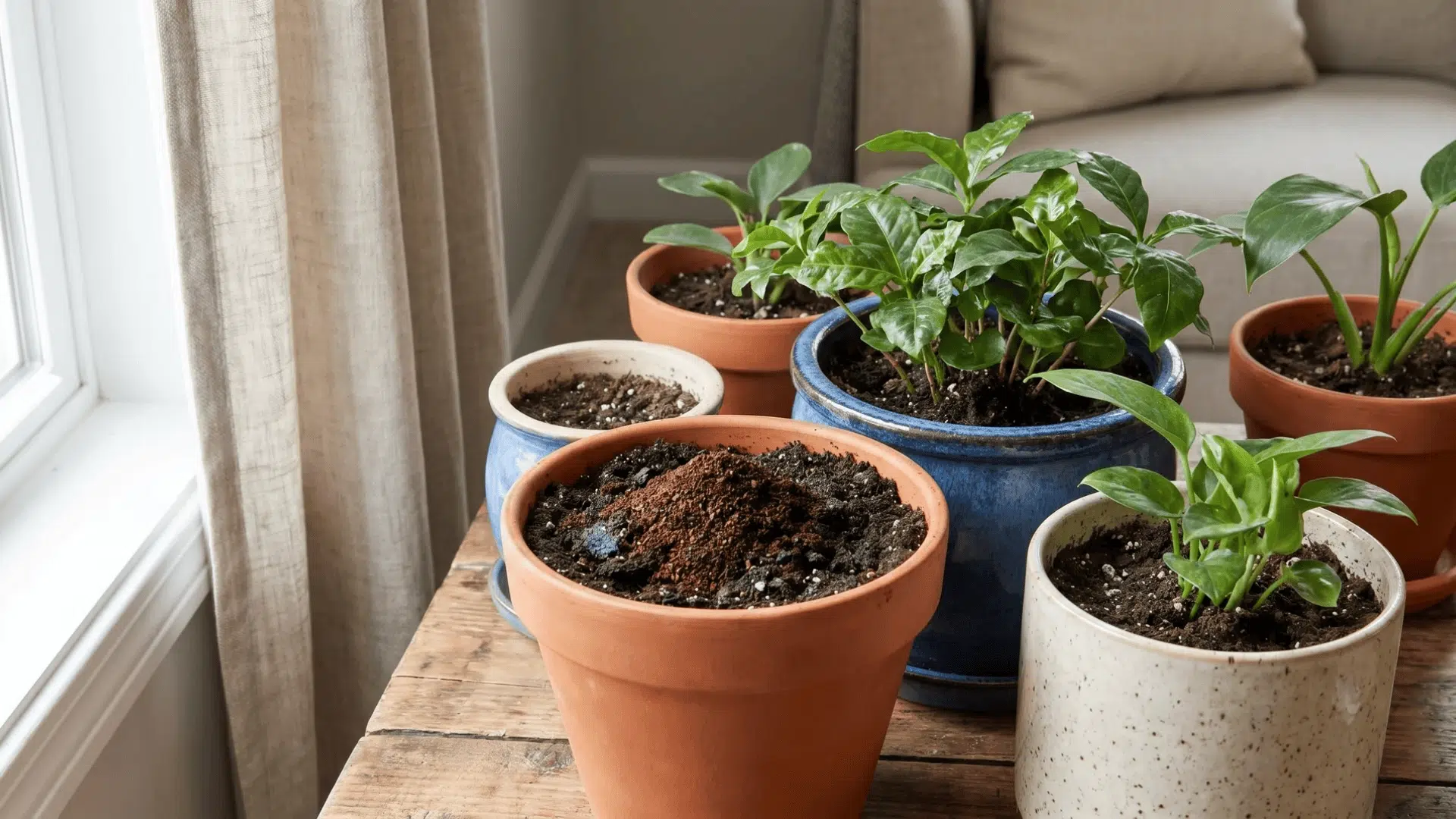
Coffee grounds can help indoor plants when used carefully, but the results depend on how and how much you apply.
- Boosts Nitrogen Levels: Encourages stronger leaf growth.
- Adds Trace Minerals: Supplies small amounts of potassium and magnesium.
- Feeds Soil Microbes: Supports healthy microbial activity underground.
- Improves Texture: Loosens compact soil for better root spread.
- Slightly Acidifies Soil: Suits plants that prefer mildly acidic conditions.
- Holds Moisture: Helps soil stay evenly damp between waterings.
- Risks if Overused: Can compact, mold, or suffocate roots.
- Needs Proper Mixing: Works best blended into soil or compost.
Used in the right amount, coffee grounds become a steady support for healthier indoor plants.
Indoor Plants That Like Coffee Grounds
Some indoor plants can handle coffee grounds when used in small amounts.
These plants usually prefer slightly acidic or nutrient-rich soil, which matches the properties of used coffee grounds:
1. African Violet
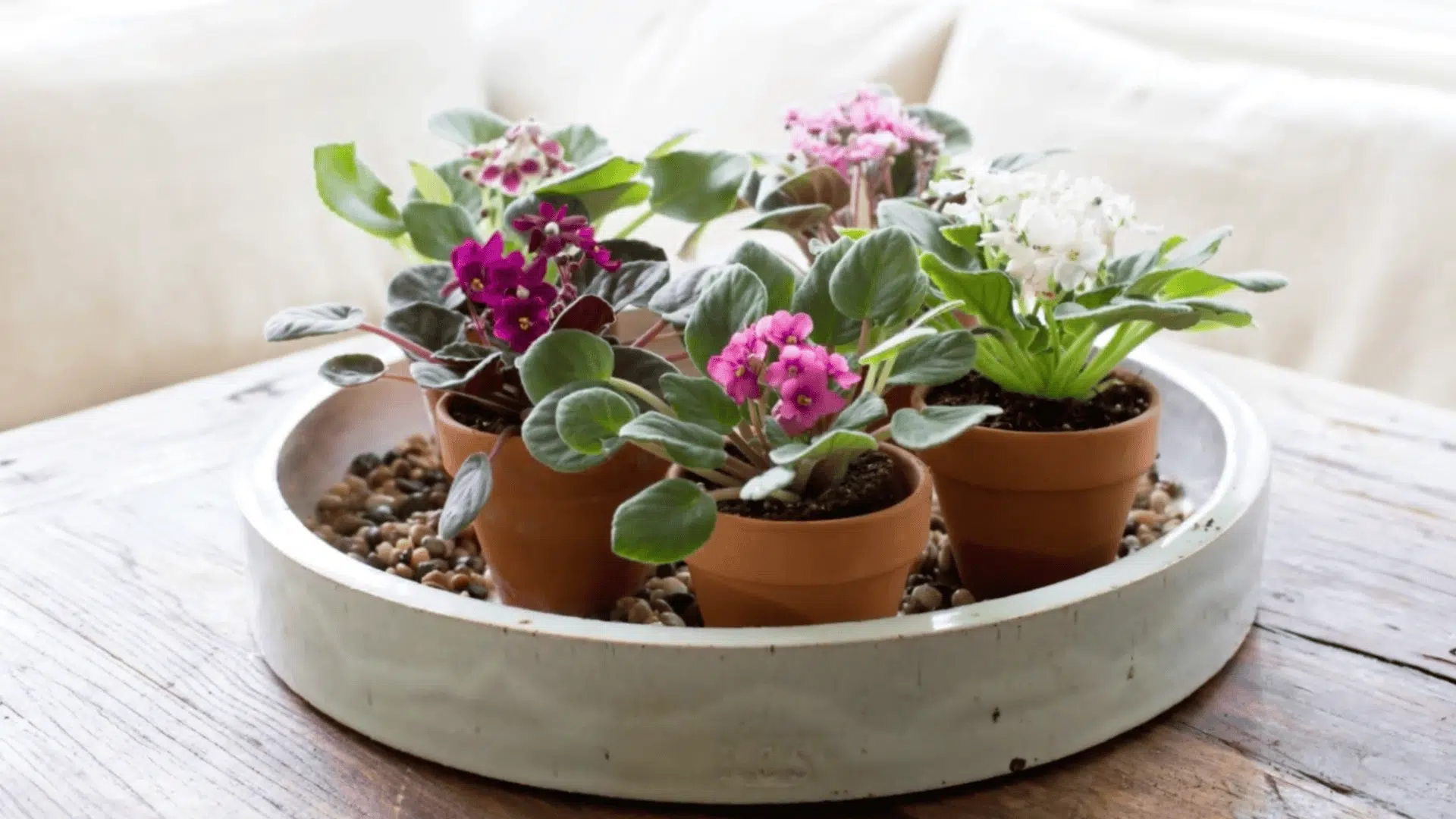
African violets grow best in slightly acidic and nutrient-rich soil. Coffee grounds can support their growth by adding small amounts of nitrogen and organic matter.
This helps improve soil quality over time and supports the growth of healthy leaves and flowers.
However, they are sensitive plants, so only a small amount should be mixed into the soil. Use sparingly and avoid layering on the surface, as buildup near the crown can trap moisture.
2. Pothos
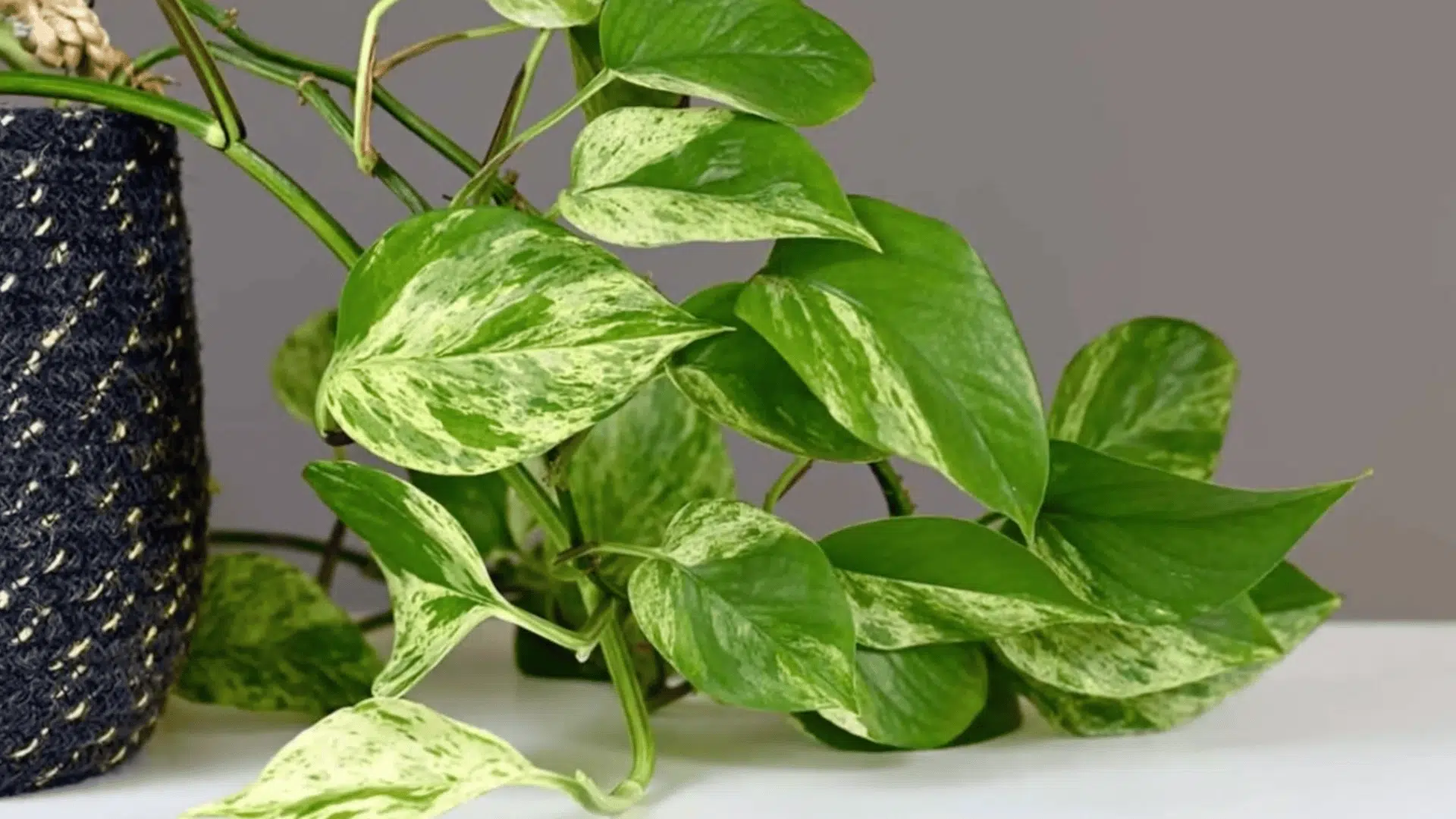
Pothos is a low-maintenance plant that adapts well to different soil conditions. It can handle small amounts of coffee grounds without issues.
The added nutrients can support steady leaf growth and overall plant health. Since pothos prefers well-drained soil, use coffee grounds occasionally in small amounts.
An occasional light mix is enough pothos doesn’t need frequent additions to benefit.
3. Peace Lily
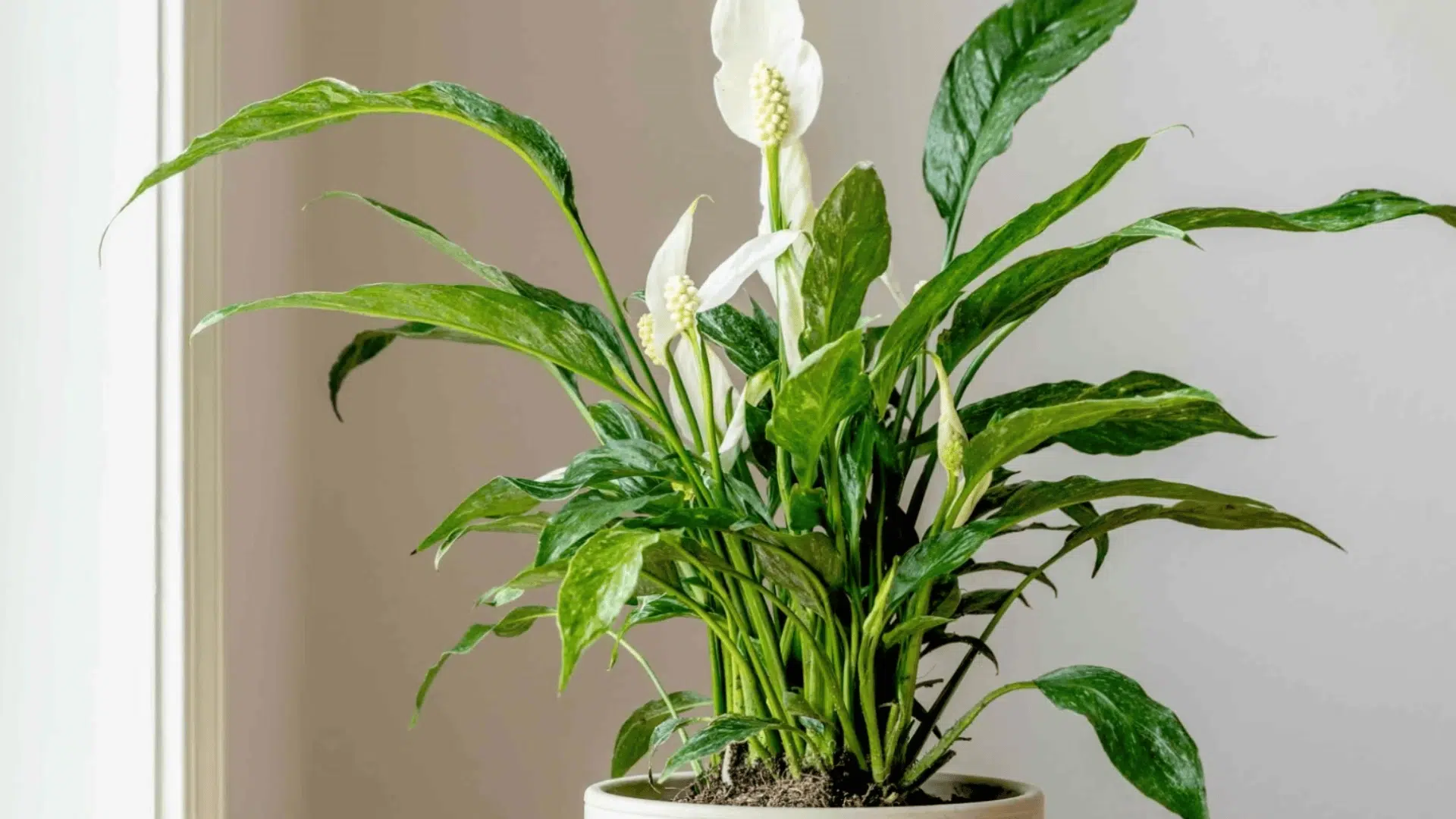
Peace lilies prefer mildly acidic soil and consistent moisture levels. Coffee grounds can help maintain this balance when used in limited amounts.
They also add organic matter, which supports soil structure and encourages healthy roots.
However, too much can increase moisture retention and affect airflow. Mix thoroughly before adding to the pot to keep the distribution even.
4. Spider Plant
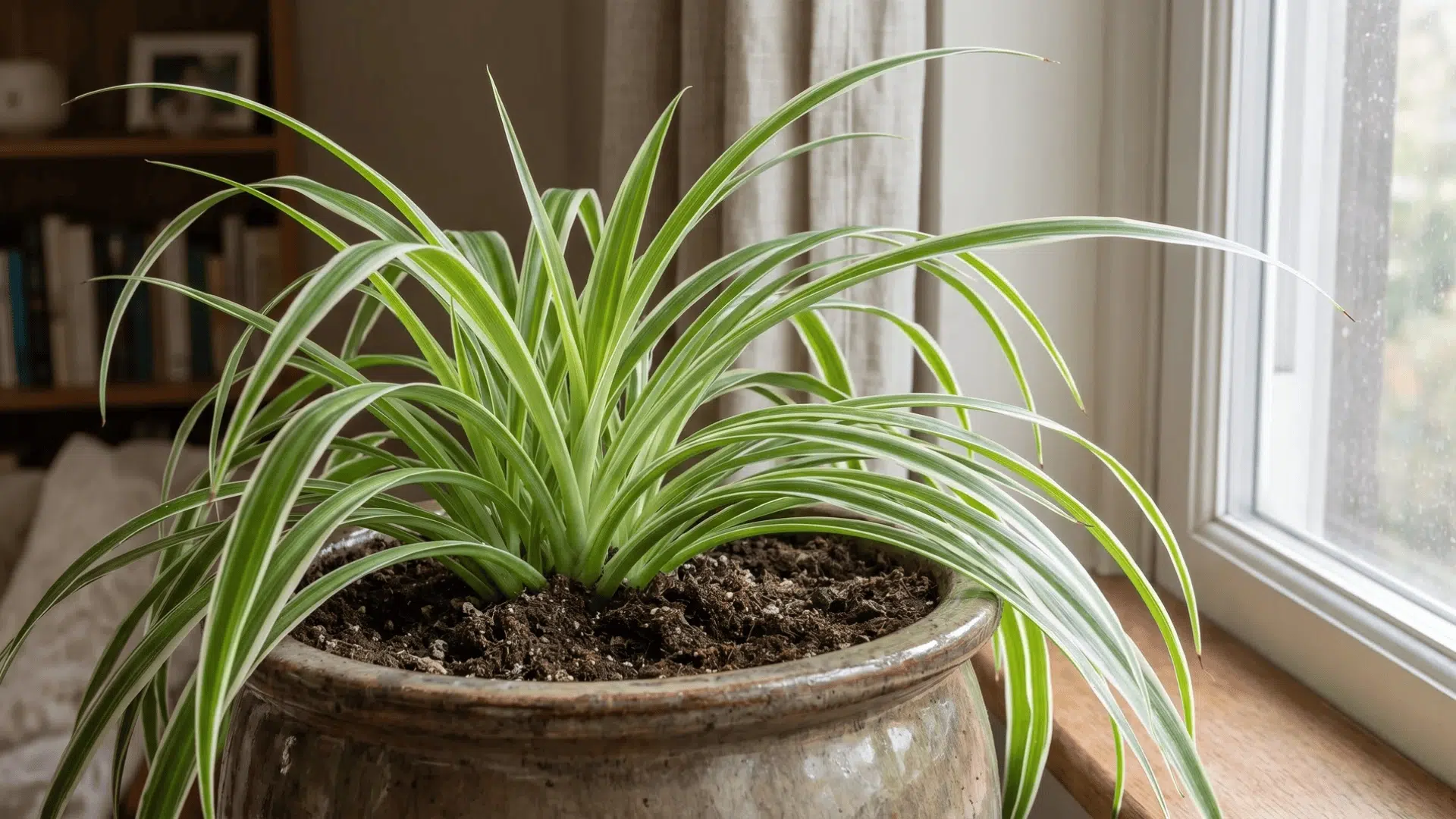
Spider plants grow well in light, well-drained soil and can tolerate a range of conditions. They can handle coffee grounds when diluted or added to compost.
This helps improve soil texture without making it too dense. Direct use in large amounts should be avoided, as it can affect drainage. Adding to compost first is the safest route for this plant.
5. Ferns
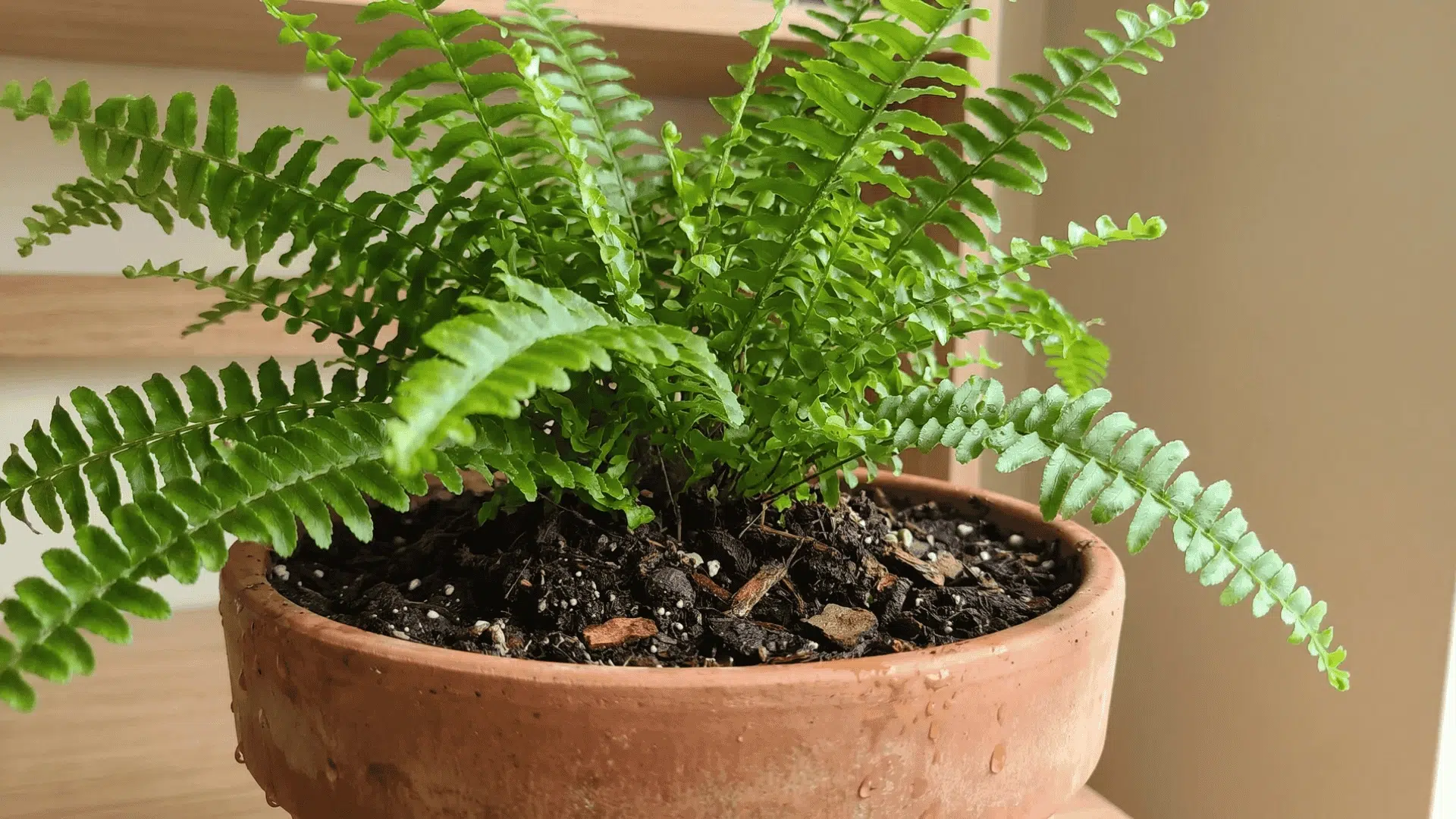
Ferns thrive in moist, organic-rich soil that holds some moisture. Coffee grounds can support this by improving soil texture and adding nutrients. They work best when added through compost rather than directly into the soil.
This helps maintain balance and prevents the soil from becoming too heavy. Ferns benefit from consistent care, so coffee grounds should be used carefully and in moderation.
6. Rubber Plant
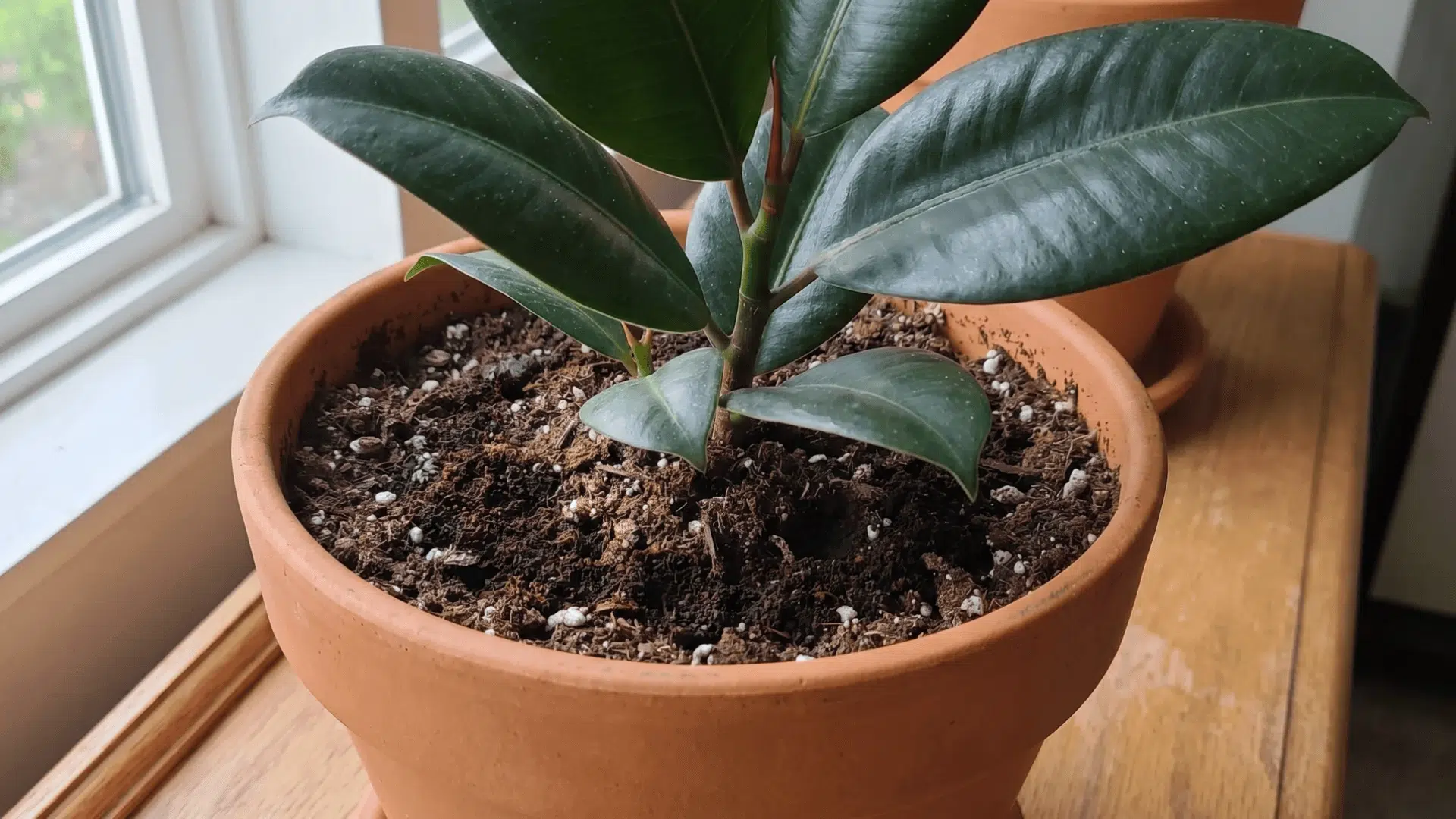
Rubber plants prefer well-drained soil with ample nutrients. Small amounts of coffee grounds can support foliage growth by adding organic matter.
They help improve soil quality but should not be overused. Too much can make the soil dense and gradually weaken roots. A light quarterly addition is more than enough for steady results.
7. Philodendron
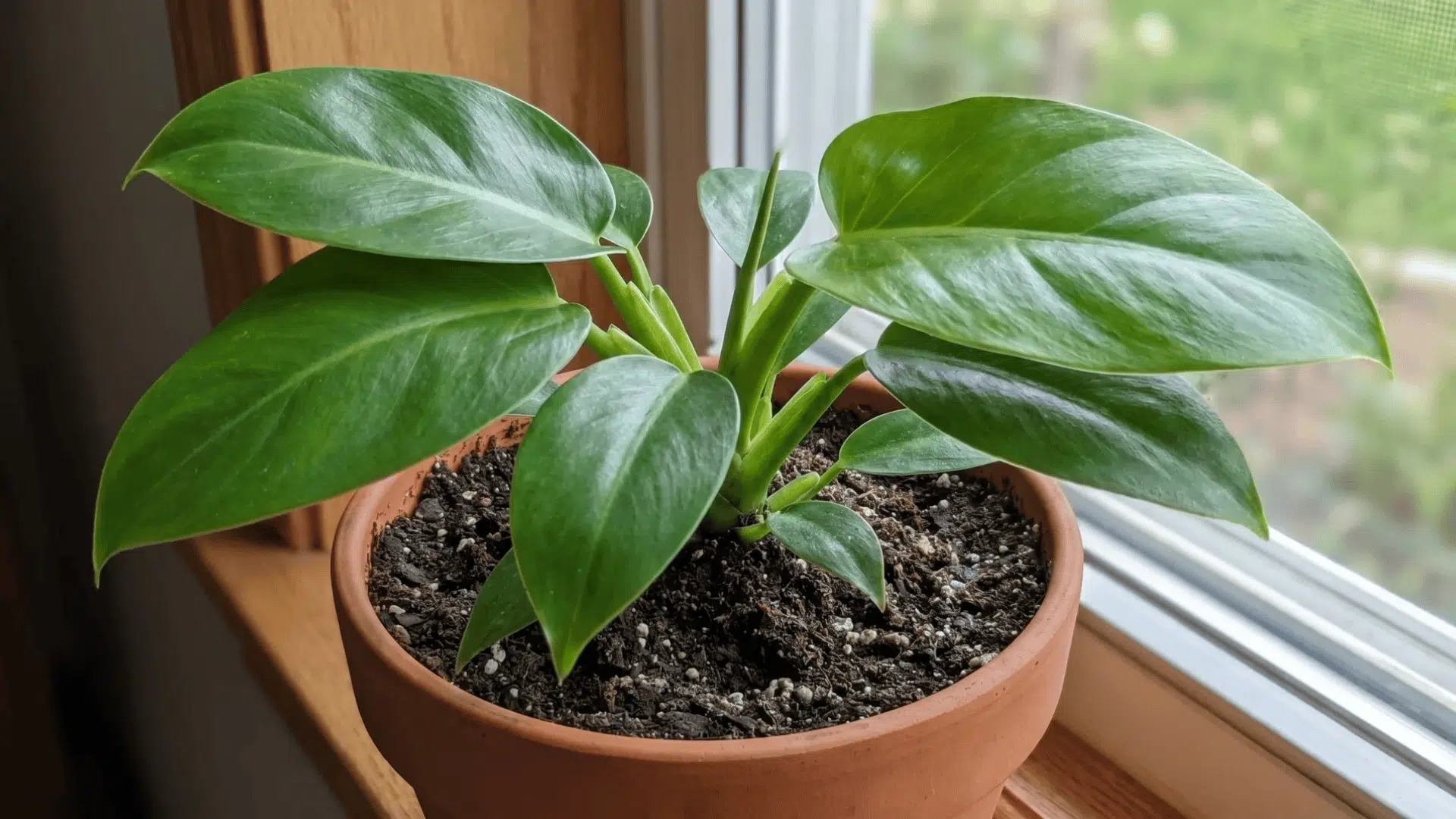
Philodendrons grow well in slightly acidic and airy soil. Coffee grounds can help maintain this condition when used in small amounts.
They support steady growth by improving soil texture and adding nutrients. However, proper mixing is important to avoid clumping and moisture issues. Compost blending works better than direct soil application for this one.
Indoor Plants That Do Not Like Coffee Grounds
Some indoor plants do not respond well to this addition. These plants need dry, loose, or well-aerated soil.
- Snake Plant: Prefers dry, well-drained soil. Extra moisture can lead to root rot.
- Succulents and Cactus: Require fast-draining soil. Moisture retention can harm the root system.
- Orchid: Needs an airy mix, such as bark or moss. Dense material can block airflow.
- Aloe Vera: Prefers dry soil. Extra moisture can damage roots.
- ZZ Plant: Thrives in low-moisture conditions. Heavy soil can stress the root system.
How to Use Coffee Grounds for Indoor Plants?
Using coffee grounds correctly helps avoid soil and root problems. A careful approach makes them safer for regular indoor plant care.
1. Pair with Proper Watering Habits
Coffee grounds hold moisture, so soil may stay wet longer than usual. Always check below the surface before watering to avoid overwatering.
Proper drainage is important to remove excess water from the pot. Adjust watering based on how quickly the soil dries after use.
2. Use with The Right Plants Only
Coffee grounds work best for plants that prefer slightly acidic soil. They are not suitable for plants that require dry or fast-draining soil.
Using them on the wrong plants can gradually weaken roots. Always match the plant’s needs before adding coffee grounds to your soil mix.
3. Watch for Signs of Overuse
Too much use can cause yellow leaves, slow growth, or leaf drop. The soil may feel dense, wet, or develop a sour smell.
These signs show poor airflow and drainage in the soil. Stop using it and loosen or replace the topsoil to fix the issue quickly.
4. Break up Clumps Before Use
Coffee grounds tend to clump together when wet, which can block water and airflow in the soil. Before adding them, break apart any clumps by hand or mix them with dry material.
Spreading them evenly prevents dense patches from forming on the soil surface. This small step makes a big difference in keeping the soil loose and breathable.
5. Combine with Other Organic Matter
Mixing coffee grounds with compost helps balance the soil. It prevents the soil from becoming too heavy or too moist over time.
A balanced mix improves nutrient flow and soil structure. This creates a stable environment for strong, steady root growth and healthy plant development.
Best Alternatives to Coffee Grounds
If coffee grounds are not suitable, there are other simple options to support indoor plant health. These alternatives provide a more balanced, controlled nutrient intake.
| Option | Type | Key Benefit | Best For | Frequency |
|---|---|---|---|---|
| Compost | Organic matter | Improves soil structure | Most indoor plants | Every 3–4 weeks |
| Organic Liquid Fertilizer | Liquid feed | Quick nutrient absorption | Regular feeding | Every 2–3 weeks |
| Balanced Fertilizer | Synthetic/organic | Complete nutrient supply | All houseplants | Monthly |
| Vermicompost | Organic matter | Rich in nutrients and microbes | Foliage plants | Every 4 weeks |
| Coco Coir | Soil amendment | Improves aeration and moisture | Root-sensitive plants | As needed |
| Leaf Mold | Organic matter | Enhances moisture retention | Ferns and tropical plants | Every 4–6 weeks |
| Seaweed Fertilizer | Liquid feed | Provides trace minerals | Weak or slow-growing plants | Every 2–3 weeks |
Common Mistakes to Avoid
Using coffee grounds without proper care can harm indoor plants. Avoiding a few common mistakes helps keep the soil balanced and healthy:
- Using fresh coffee grounds: Fresh grounds are more acidic and can disrupt soil balance. This may stress roots and slow growth.
- Adding too much at once: Excess amounts make soil dense and reduce drainage. This limits oxygen flow to the roots.
- Blocking soil airflow: A thick top layer can form a crust, blocking air and water movement. Always mix into the soil.
- Using unsuitable plants: Some plants need dry soil. Coffee grounds can increase moisture and cause root issues.
Conclusion
Coffee grounds are a simple, low-cost addition to your plant care routine, but only when used thoughtfully.
The plants that benefit most are those that already prefer slightly acidic, nutrient-rich conditions.
Keep quantities small, mix them in properly, and pay attention to how each plant responds. What works for a fern may not suit a snake plant at all.
Start with one plant, observe the soil and leaves over a few weeks, and adjust from there. Small, consistent changes lead to the best results.
Try it today and share how it goes in the comments.
Frequently Asked Questions
Can I Use Coffee Grounds on All Houseplants?
No, not all plants benefit. Succulents, snake plants, and orchids prefer dry or airy soil, and coffee grounds can hold too much moisture for them.
How Often Should I Use Coffee Grounds?
Use coffee grounds occasionally in small amounts. Frequent use can compact soil, reduce airflow, and cause excess moisture buildup, which may harm plant roots over time.
What Is the Safest Way to Use Coffee Grounds?
Use dried, used coffee grounds and mix them into the soil or compost. This prevents clumping, improves distribution, and reduces the risk of moisture and airflow issues.