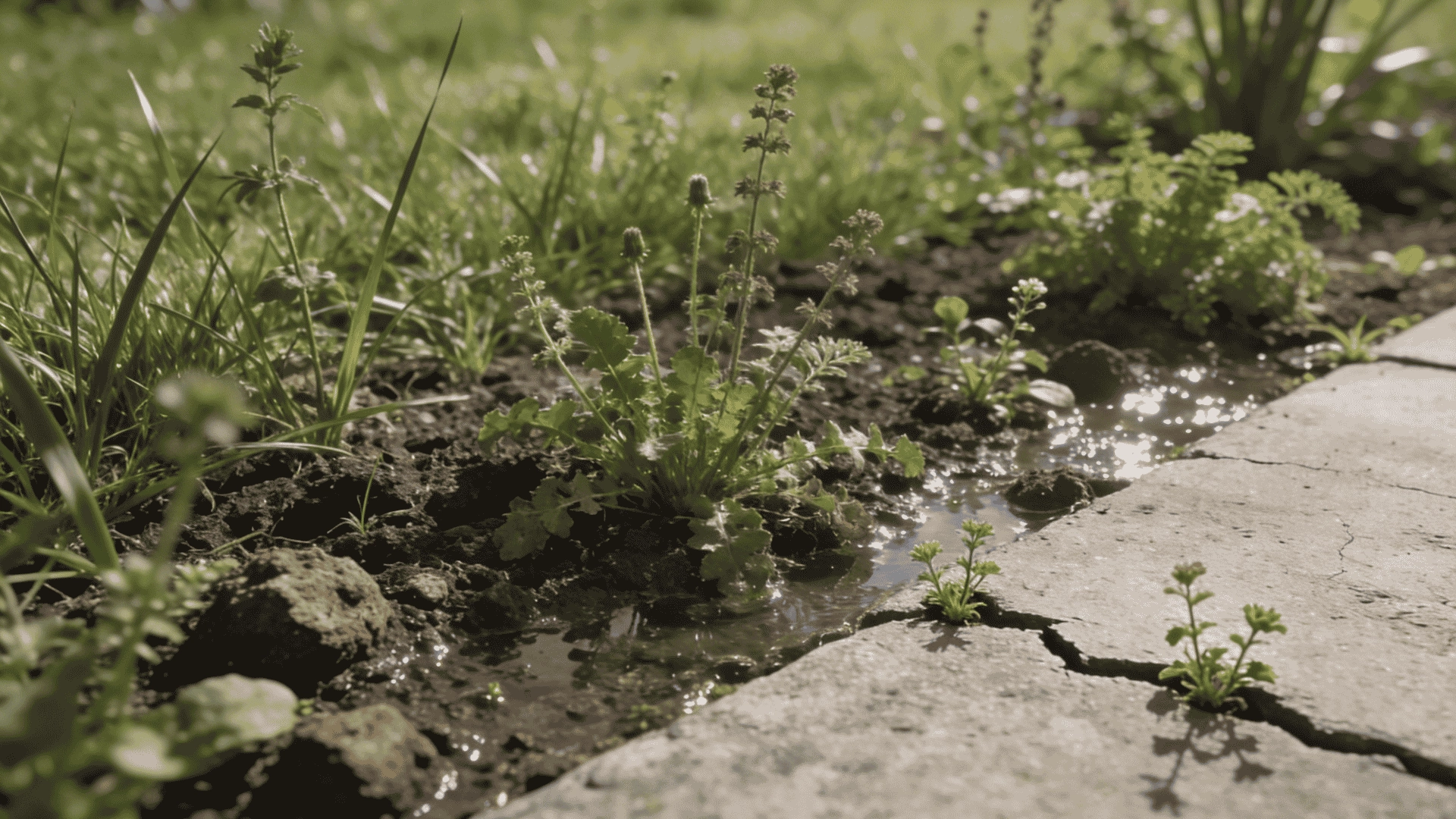
How to Build a Sustainable Garden That Thrives Year-Round
Building a sustainable garden isn’t about doing more, it’s about doing things smarter.
Most gardens waste water, exhaust soil, and rely on chemicals that create more problems than they fix.
The result is a garden that constantly needs attention, money, and effort just to stay alive.
A sustainable garden works differently. It builds on healthy soil, uses water efficiently, and lets biodiversity handle pest control naturally. Over time, it becomes easier to manage, not harder.
This post will talk about everything, from assessing your space and soil to closing the loop on garden waste.
Follow these steps, and you’ll build a sustainable garden that doesn’t just survive season after season, but gets stronger with every one.
Understand Your Garden Before You Start
Most gardening mistakes happen before you even buy a plant. Knowing your garden’s conditions first saves you time, money, and a lot of frustration.
Sunlight is the first thing to check. Count how many hours of direct sun your space gets each day. Sun levels can vary from spot to spot, so check a few areas before deciding.
- Full sun = 6+ hours
- Partial sun = 3–6 hours
- Shade = less than 3 hours
For soil, grab a handful of moist dirt and squeeze it. Sandy soil falls apart, clay holds its shape, and loam, the ideal type, crumbles slightly.
Hard or compact soil needs compost mixed in before you plant anything.
For space, measure your garden area before choosing plants. Overcrowding blocks airflow, invites disease, and stunts growth. Always leave room for plants to spread as they grow.
Once you know your sunlight, soil, and space, you have a real foundation to work from.
Your Local Climate Shapes Everything
Your local climate controls more than just the weather. It decides how often you water, which plants survive the season, and when to start planting.
Look up your hardiness zone, it tells you which plants can handle your winters. Hot, dry regions need drought-tolerant plants and deeper, less frequent watering.
Humid climates need good airflow to prevent fungal issues. Local rainfall patterns also affect how much manual watering your garden actually needs.
Matching your plant choices to your climate is the single biggest factor in garden success.
Build Healthy Soil as a Foundation for a Sustainable Garden
Poor soil means weak plants that need more water, more fertilizer, and more pest control, the opposite of a sustainable garden.
Compost is the simplest fix. It improves soil structure, retains moisture, and feeds the microbial life that keeps plants healthy.
Combine kitchen scraps, such as vegetable peels and coffee grounds, with dry yard waste, such as leaves and clippings. A 2:1 ratio of dry to wet material keeps decomposition on track.
Too much wet waste slows it down; too little, and the pile dries out. Synthetic fertilizers push quick growth but deplete soil health over time.
Compost takes longer but builds something that actually lasts. Healthy soil is a one-time investment that pays off every season.
Choose the Right Plants for Low Resource Use
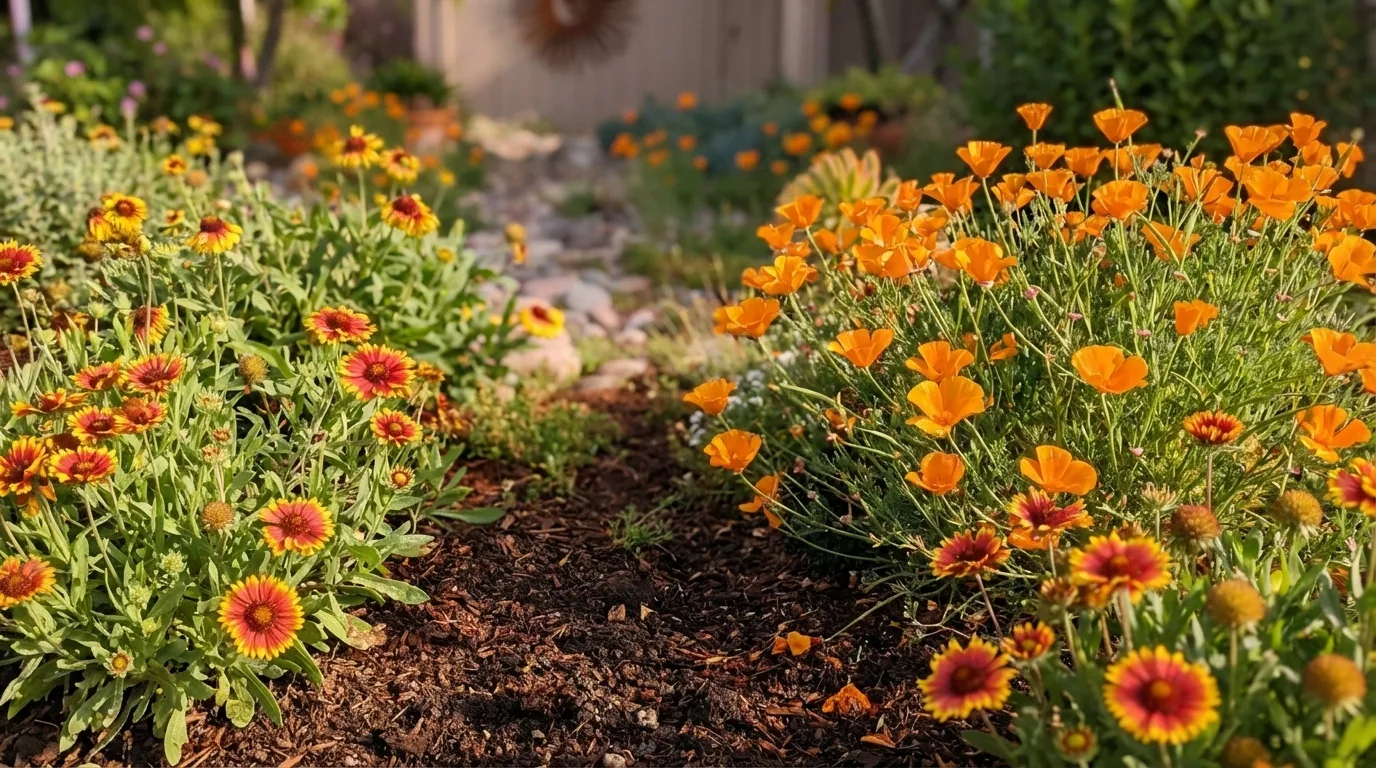
The right plants do most of the work for you. Wrong ones drain your time, water, and money.
Focus on these low-maintenance categories to build a garden that thrives with minimal input.
- Native Plants: Black-eyed Susan, Purple Coneflower, Milkweed, Goldenrod, Wild Bergamot
- Drought-Tolerant Plants: Lavender, Russian Sage, Yarrow, Sedum, Agave
- Pollinator-Friendly Plants: Bee Balm, Salvia, Coreopsis, Aster, Zinnia
- Pest-Repelling Companion Plants: Marigold, Basil, Rosemary, Mint, Chives
- Ground Covers for Weed Control: Creeping Thyme, Clover, Sweet Woodruff, Creeping Phlox
- Edible Low-Maintenance Plants: Swiss Chard, Kale, Garlic, Rhubarb, Asparagus
Start with natives, add drought-tolerant varieties, and always group plants with similar needs together.
Design a Water-Efficient System
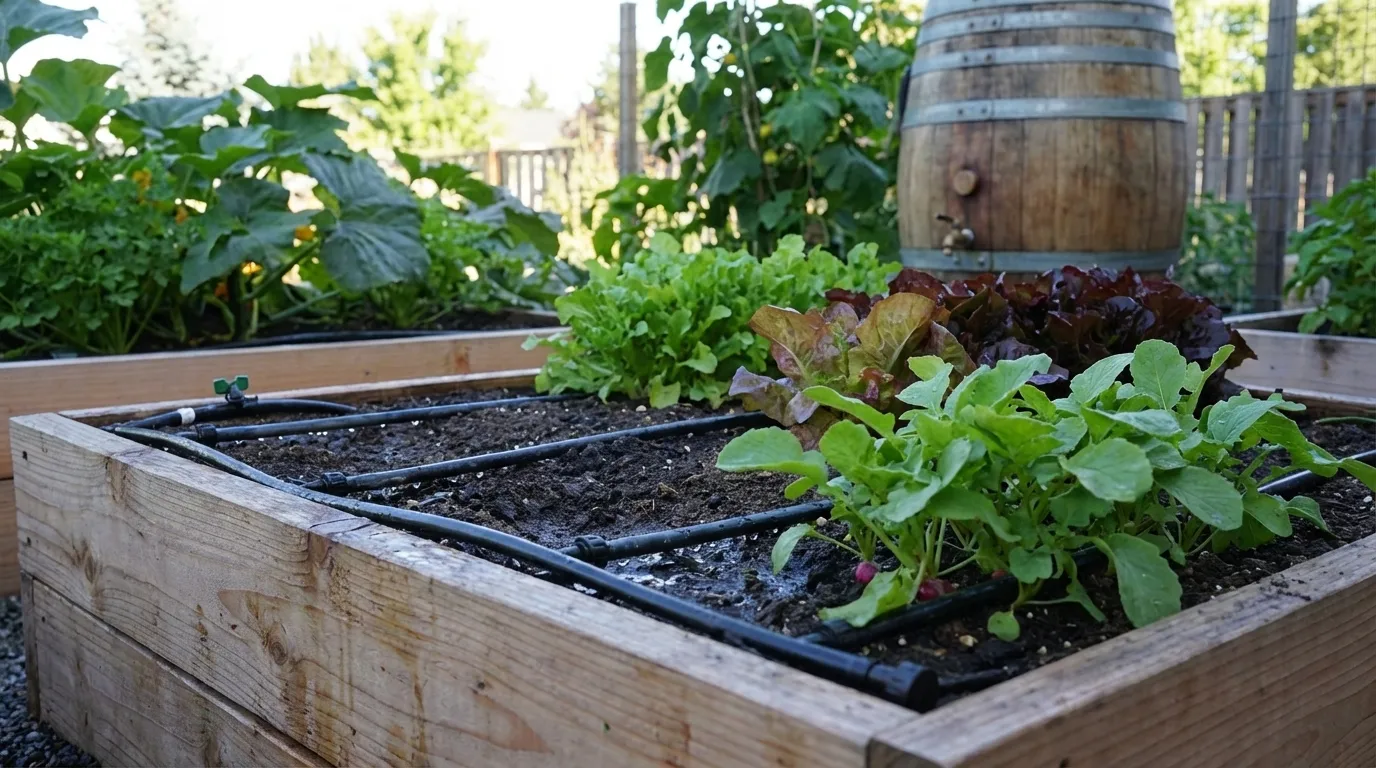
Watering the wrong way wastes more resources than almost any other gardening mistake. The right system makes a significant difference with minimal effort.
Drip irrigation delivers water directly to the roots, cutting evaporation loss and keeping foliage dry.
Rainwater harvesting through collection barrels reduces dependency on external water supply, even one barrel makes a noticeable difference.
Hydrozoning, grouping plants by water needs, prevents overwatering some while underwatering others. It’s one of the simplest ways to use water more precisely.
Avoid overhead watering. It loses water through evaporation, leaving foliage wet and creating ideal conditions for fungal disease. Always water at the base.
Poor drainage is just as damaging as overwatering. Water pooling around roots cuts off oxygen and causes root rot, often before you even notice something is wrong.
Use Mulching to Control Moisture and Weeds
Mulching is one of the simplest high-impact things you can do for your garden. It does several jobs at once, quietly, with very little effort from you.
How Mulch Works?
Mulch sits on top of your soil and acts as a protective layer. It reduces evaporation, keeping moisture in the ground longer.
It stabilizes soil temperature, protecting roots from heat and cold. And it blocks sunlight from reaching weed seeds, preventing them from sprouting.
Organic vs Inorganic Mulch
| Type | Examples | How It Works | Best Used For |
|---|---|---|---|
| Organic Mulch | Wood chips, straw, shredded leaves | Breaks down over time, slowly improving soil by adding nutrients and feeding microbial life | Garden beds and planting areas |
| Inorganic Mulch | Gravel, landscape fabric | Doesn’t break down, stays in place long-term without enriching soil | Pathways or areas where you don’t want plant growth |
How Mulch Improves Soil Over Time
As organic mulch breaks down, it adds organic matter directly into the soil beneath it.
This improves soil structure, boosts water retention, and feeds the same microbial life that makes compost so effective. It’s slow, but it compounds season after season.
The Over-Mulching Problem
More isn’t always better. Piling mulch too thick, especially against plant stems, traps moisture and creates ideal conditions for fungal disease.
It also gives pests a warm, hidden place to nest. Keep mulch 2–3 inches deep and always leave a small gap around stems and trunks.
Create Natural Pest Control Through Biodiversity
Chemical pesticides fix the symptom, not the problem. Biodiversity builds a system that manages pests on its own.
| What You Do | Why It Matters |
|---|---|
| Plant diverse varieties | Attracts beneficial insects like ladybugs and lacewings that naturally prey on pests |
| Support pollinators | Improves plant reproduction and increases overall yield at no extra cost |
| Use companion planting | Certain plants protect others, marigolds repel pests, and basil deters aphids |
| Avoid monocultures | A single crop gives pests nothing to stop them from spreading rapidly |
| Skip the pesticides | Let’s natural predators do the work instead of disrupting the balance |
| Ditch chemical sprays | Preserves beneficial insects that your garden’s natural defense system depends on |
Diversity isn’t just about how your garden looks, it’s how your garden protects itself. The more variety you build in, the more resilient and self-sustaining your garden becomes over time.
Reduce Waste by Closing the Loop in Your Garden
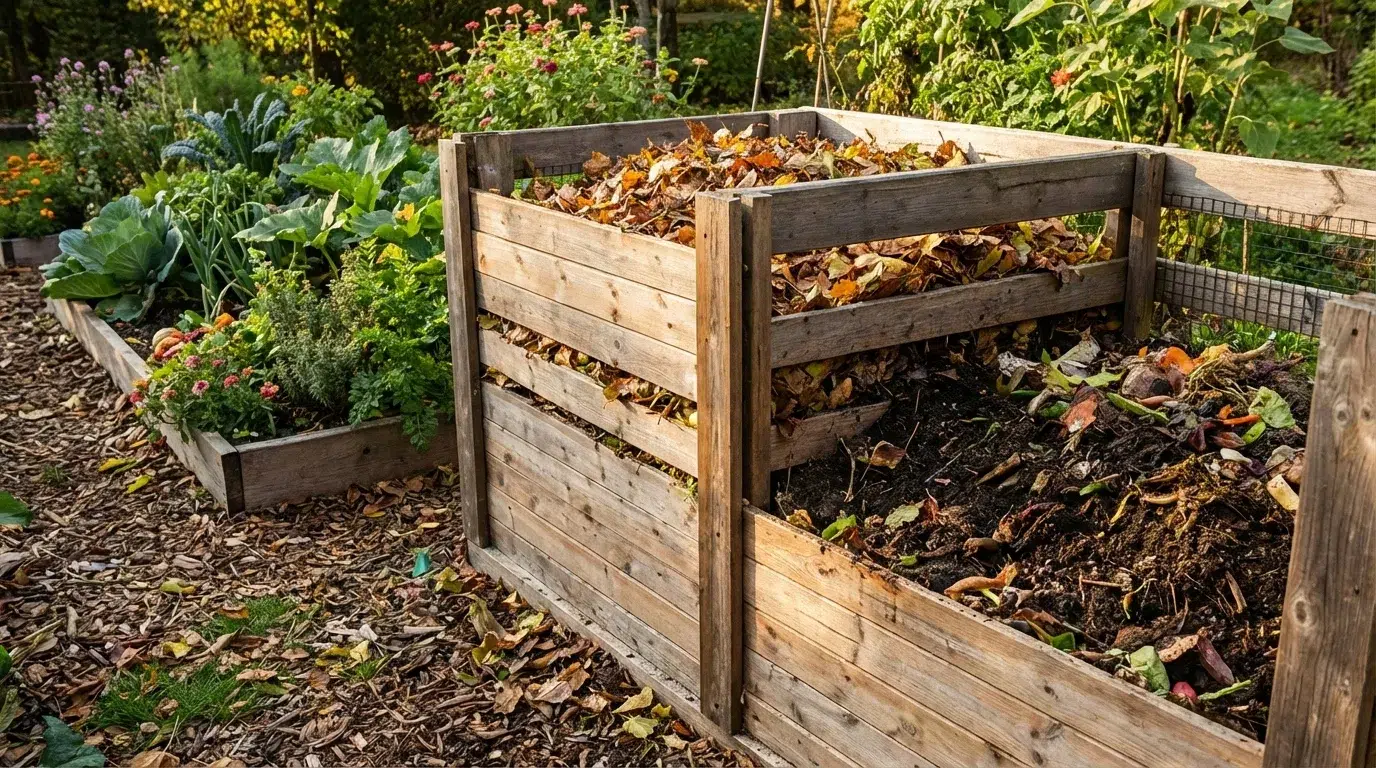
Most gardens take in inputs but send waste out, which is what keeps them dependent on external fertilizers. A sustainable garden works differently. It reuses what it produces.
Kitchen scraps, fallen leaves, grass clippings, and spent plants all go back into a compost pile.
That compost feeds your soil, your soil grows healthier plants, and those plants produce more organic waste to compost again. This is what a closed-loop system looks like.
The moment you send garden waste to the bin, you break that loop, and end up buying back nutrients you didn’t need to lose in the first place.
Start small. Compost your waste, feed it back each season, and gradually reduce what you bring in from outside. Your garden becomes more self-sufficient with every cycle.
Step-by-Step Setup Plan
Follow these steps in order, each one builds on the last. Skip ahead, and the system breaks down.
Work through them sequentially, and you’ll have a garden that works with nature rather than against it.
Step 1: Assess Your Garden
- Walk your space and track how many hours of direct sun it gets daily
- Test your soil by feel, sandy, clay, or loam, each needs different treatment
- Knowing your conditions upfront prevents wrong plant choices and wasted money
Step 2: Improve Soil With Compost
- Mix compost into your existing soil to improve structure, drainage, and nutrient levels
- Do this before planting. Healthy soil is the foundation that everything else depends on
Step 3: Select Native and Low-Water Plants
- Choose plants that are naturally adapted to your local climate and hardiness zone
- Group plants with similar water and light needs together to avoid competition and waste
Step 4: Install an Efficient Watering System
- Set up drip irrigation or soaker hoses to deliver water directly at the root level
- Add one or two rainwater collection barrels to reduce dependency on the external water supply
Step 5: Apply Mulch and Organize Layout
- Spread 2–3 inches of organic mulch across all beds to retain moisture and block weeds
- Keep mulch away from plant stems and trunks to prevent fungal buildup
Step 6: Introduce Biodiversity and Companion Plants
- Mix in native flowers and herbs to naturally attract beneficial insects to your garden
- Use companion planting strategically, the right pairings actively protect vulnerable plants from pests
Step 7: Start Composting and Recycling Waste
- Set up a compost pile using kitchen scraps and yard waste in the right ratio
- Feed finished compost back into your beds each season to keep the loop closed
Complete all seven steps, and you’ll have a garden that’s productive, low-maintenance, and built to last.
It won’t happen overnight, but every step you finish makes the next one easier. That’s what a sustainable system looks like.
Common Mistakes That Break Sustainability
Even well-intentioned gardens fail when a few key things go wrong. Most of these mistakes are easy to avoid once you know what to look for.
- Overwatering despite efficient systems: Too much water still causes root damage and rot
- Planting non-natives: They need more water, care, and inputs than locally adapted plants
- Ignoring soil health: Poor soil creates a cycle of continuous fertilizer and amendment dependency
- Treating pests, not the cause: Spraying fixes the symptom but leaves the ecosystem imbalance untouched
- Doing everything at once: Overbuilding too fast leads to poor execution and system failure
Sustainability isn’t about doing more, it’s about doing the right things in the right order.
Avoid these mistakes early, and your garden will demand far less from you over time. The goal is a system that runs itself, not one that constantly needs fixing.
Conclusion
A sustainable garden isn’t built in a weekend, but every right decision compounds over time. Fix your soil first.
Then choose the right plants, set up an efficient watering system, and let biodiversity take care of the rest.
The goal was never a perfect garden. It’s a resilient one that demands less from you with every passing season.
Each step you complete makes the next one easier, and before long, the garden starts managing itself more than you manage it.
That’s what sustainability actually looks like in practice, less intervention, more results. Start with one step from this post and build from there.
Got questions or thoughts? Drop them in the comments below.
Frequently Asked Questions
Can I Build a Sustainable Garden in Containers or Small Spaces?
Yes. Use compost-rich soil, choose compact native or drought-tolerant plants, and group pots by water needs. Mulch the surface to retain moisture. Small spaces can follow every core principle of a sustainable garden just as effectively as larger ones.
How Long Does it Take for a Sustainable Garden to Become Low Maintenance?
Most sustainable gardens stabilize within one to two growing seasons. Once soil health improves and biodiversity is established, maintenance drops significantly. The first season takes the most effort, after that, the system increasingly manages itself.
Is a Sustainable Garden More Expensive to Set Up Initially?
Upfront costs can be slightly higher, but pay off quickly. Compost cuts fertilizer spending, mulch reduces water bills, and native plants need fewer replacements. Most gardeners spend noticeably less in their second season than they did in their first season with conventional gardening.